📅 April 18 2026 | By Pulse India News Desk
India’s space surveillance network is set for a major boost, with ISRO moving ahead on plans to establish a high-altitude optical telescope in Hanle, Ladakh, as part of a wider effort to track satellites and space debris more effectively. The development was highlighted in the Indian Space Situational Awareness Report (ISSAR) 2025, released by ISRO in April 2026.
The report says the optical telescope at Hanle in Ladakh is being set up alongside an indigenously developed phased-array radar in northeast India, creating a broader national surveillance network for monitoring objects in orbit. ISRO said the radar’s design and review were completed by a national-level expert committee in 2025.
This is an important step because Earth’s lower orbit is becoming increasingly crowded with active satellites, inactive spacecraft, and dangerous fragments of space debris. ISRO’s space situational awareness system is meant to help protect national space assets from collision risks and other orbital hazards. The agency’s IS4OM division serves as the nodal body for these activities and publishes annual assessments through ISSAR.
Why Ladakh?
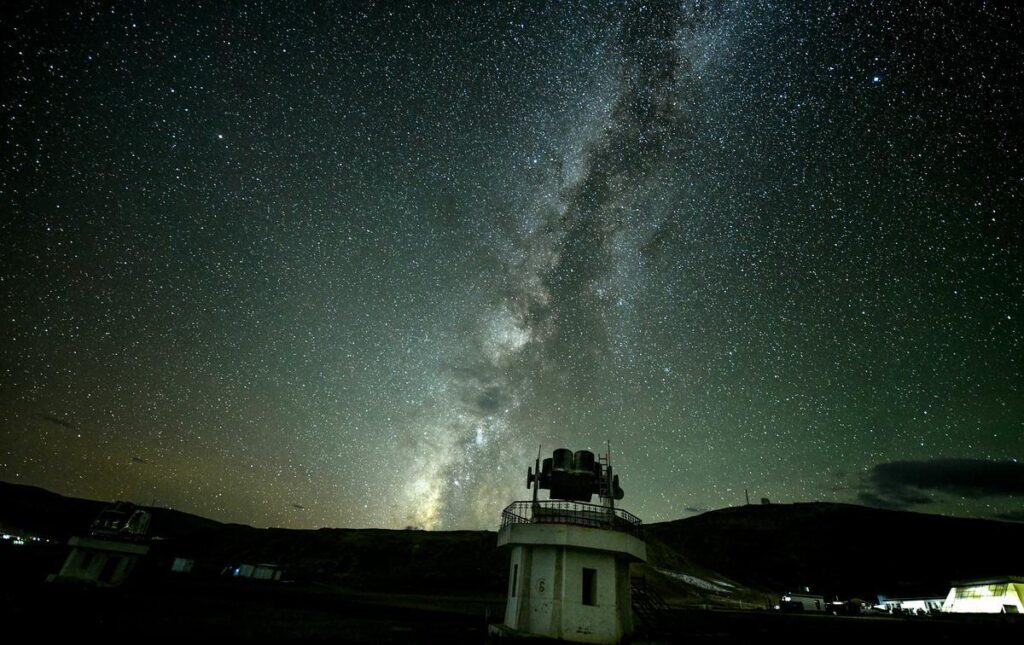
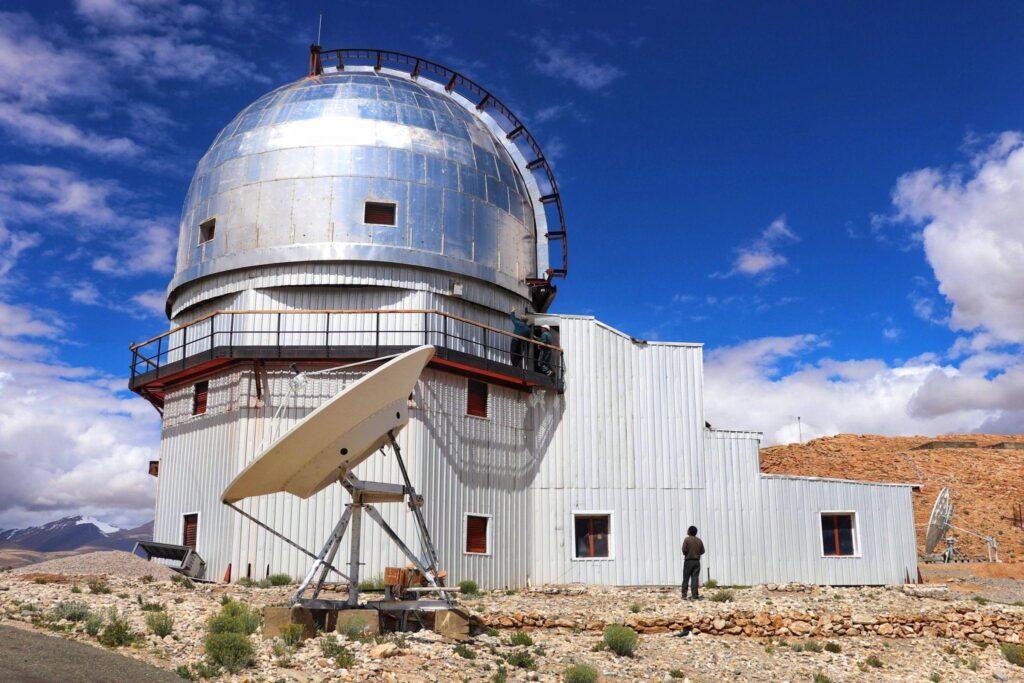
Hanle is one of the most suitable locations in India for optical observations because of its high altitude, dark skies, low atmospheric disturbance, and minimal light pollution. These conditions make it ideal for tracking satellites and objects in space using optical systems, especially during night-time observations. The Indian Astronomical Observatory at Hanle already hosts major astronomy infrastructure, including a 2-metre optical-infrared telescope, and the site is known for its excellent observing conditions.
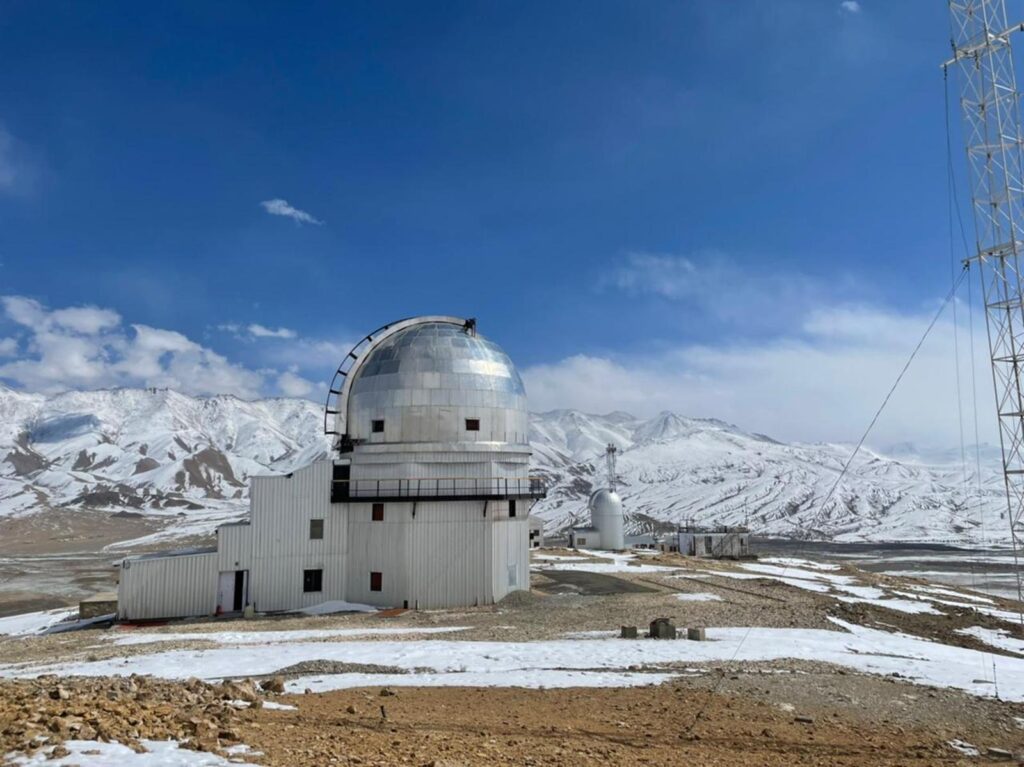
Unlike radars, optical telescopes are especially useful for observing objects in higher orbits by detecting sunlight reflected from satellites and debris. In practical terms, the Ladakh telescope will complement radar-based tracking and help India build a more complete picture of orbital activity over and around its region of interest. This is an inference based on the stated roles of the telescope and radar in ISRO’s surveillance expansion.
The move also fits into India’s broader push to strengthen indigenous space safety capabilities. ISRO already operates the Multi-Object Tracking Radar at Sriharikota, and the new installations are expected to improve coverage in multiple directions across the country. Broader public descriptions of India’s SSA expansion have linked such systems to long-term goals like debris monitoring, satellite protection, and better orbital awareness.
For India, this is more than a scientific infrastructure story. As the country launches more satellites and deepens its space ambitions, the ability to detect, track, and assess threats in orbit is becoming strategically important. The Ladakh optical telescope could therefore become a critical piece of India’s future space security architecture.
📍 Hanle, Ladakh – Observation Site Specifications
Location: Hanle, Ladakh
Altitude: ~4,500 meters above sea level
Environment:
- Extremely low humidity
- Minimal light pollution
- Cold desert climate
Clear Nights: ~260+ spectroscopic nights per year
Seeing Quality: < 1 arcsecond (very high precision)
🧠 Existing Reference Telescope at Hanle
To understand the scale and capability of the upcoming ISRO telescope, it is important to look at the existing infrastructure already operating at Hanle.
🔭 Himalayan Chandra Telescope (HCT)
- Aperture: ~2.01 meters
- Capability: Optical + Infrared observations
- Operation: Remotely controlled from Bengaluru
🚀 What This Means for ISRO Telescope
- May be similar or smaller in size but optimized for tracking moving objects
- Likely designed as a wide-field surveillance telescope
- Focused on satellite and space debris tracking, not deep-space astronomy
🔗 Related News
- India’s 1000 km Quantum Communication Breakthrough Explained: What It Means for Secure Defence Networks
- HAL ALH Mk III Helicopters: Specs, Uses & How They Boost India’s Maritime Security
- C-130J vs C-390: Inside India’s ₹60 Aircraft Deal and What It Means for the Air Force
- ₹5 Trillion Power Grid Push: How India is Building the World’s Largest Transmission Network
- Pakistan Economic Crisis 2026: China & Saudi Support — Temporary Relief or Long-Term Risk?