📅April 15, 2026 | By Pulse India News Desk
📰 Overview
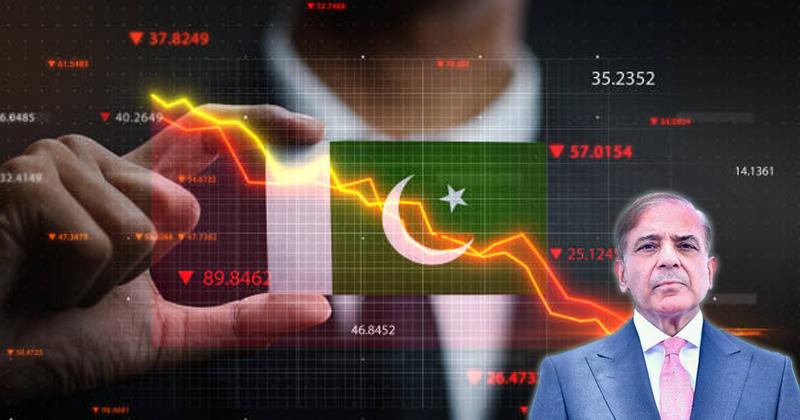
Pakistan is once again grappling with a severe financial crunch, forcing Prime Minister Shehbaz Sharif to seek urgent support from allies like China and Saudi Arabia.
While the country has not officially declared bankruptcy, the situation remains fragile — with shrinking foreign exchange reserves, rising debt obligations, and increasing reliance on external bailouts.
💰 Why Pakistan Is Under Pressure
Pakistan’s economic stress stems from a combination of immediate and structural issues:
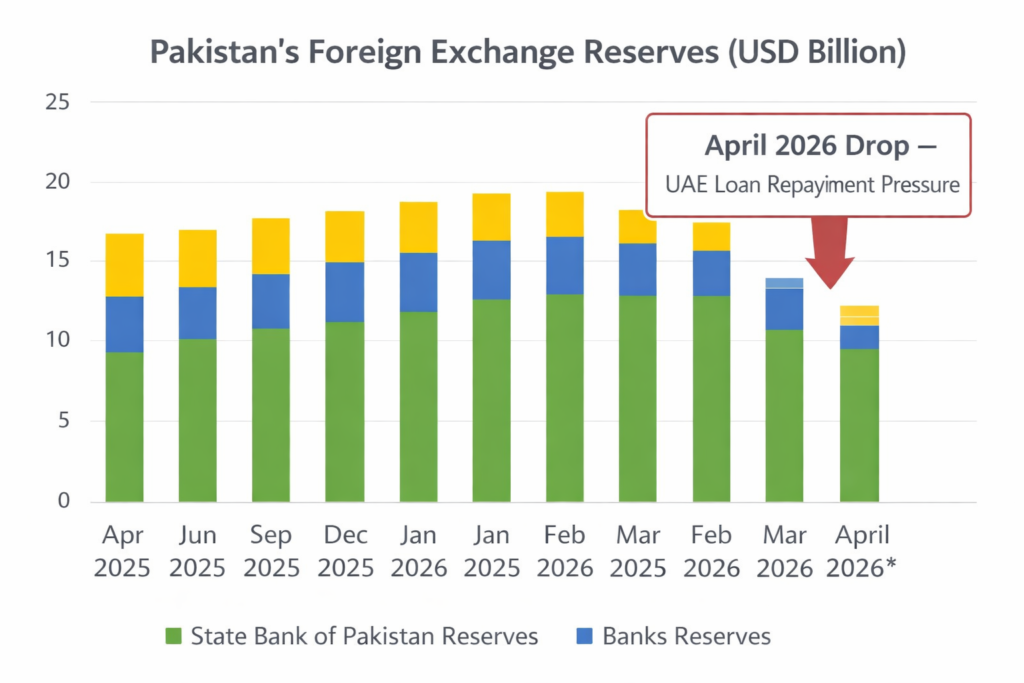
- Foreign exchange reserves remain limited, barely covering a few months of imports
- A $3.5 billion loan repayment to the UAE is due, adding pressure
- The country continues to depend heavily on imported fuel and food
- The Pakistani Rupee remains volatile against the US Dollar
👉 In simple terms: Pakistan has money — but not enough to comfortably meet its upcoming obligations.
🤝 Saudi Arabia and China Step In
To avoid a full-blown crisis, Pakistan is actively seeking help from friendly nations:
Saudi Arabia
- Recently extended $3 billion in financial support
- Rolled over previous deposits to stabilize Pakistan’s reserves
China
- A long-term financial partner through CPEC investments
- Likely to provide loans or refinancing support
👉 These countries act as Pakistan’s financial lifeline, especially when global markets remain cautious.
🏦 IMF and Other Options
Pakistan is also relying on the International Monetary Fund (IMF):
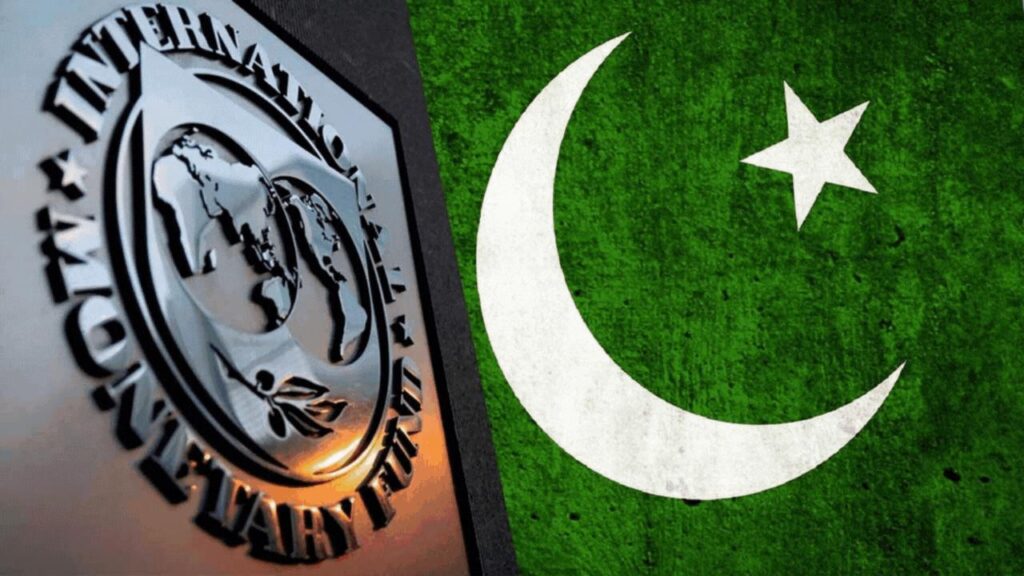
- A $7 billion IMF programme is crucial for stability
- Unlocks additional funding from global lenders
- Forces economic reforms — often politically difficult
However, IMF conditions such as subsidy cuts and tax reforms have triggered domestic challenges.
⚠️ What Shehbaz Sharif Said
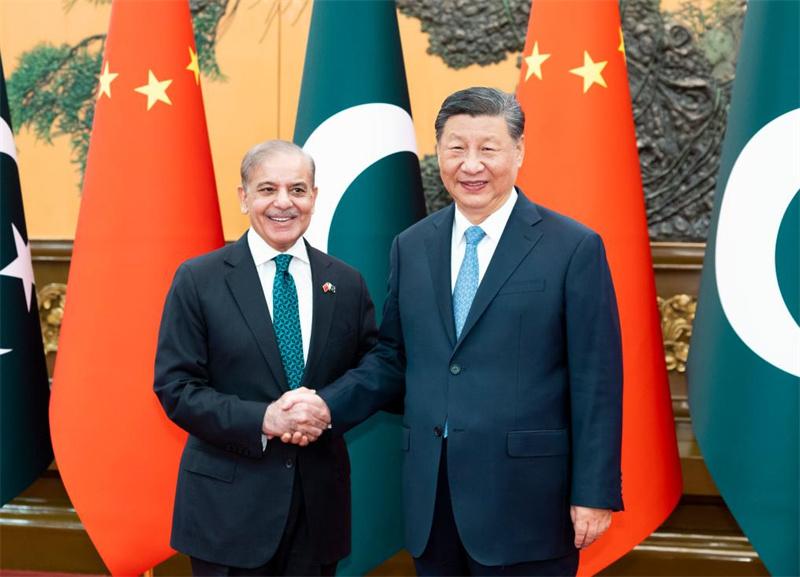
Prime Minister Shehbaz Sharif has openly acknowledged the situation:
Seeking financial assistance is “embarrassing,” but necessary to keep the country afloat.
👉 This highlights the depth of the crisis — where external funding has become unavoidable.
🔥 The Bigger Problem
Pakistan’s crisis is not new. It is rooted in long-term economic weaknesses:
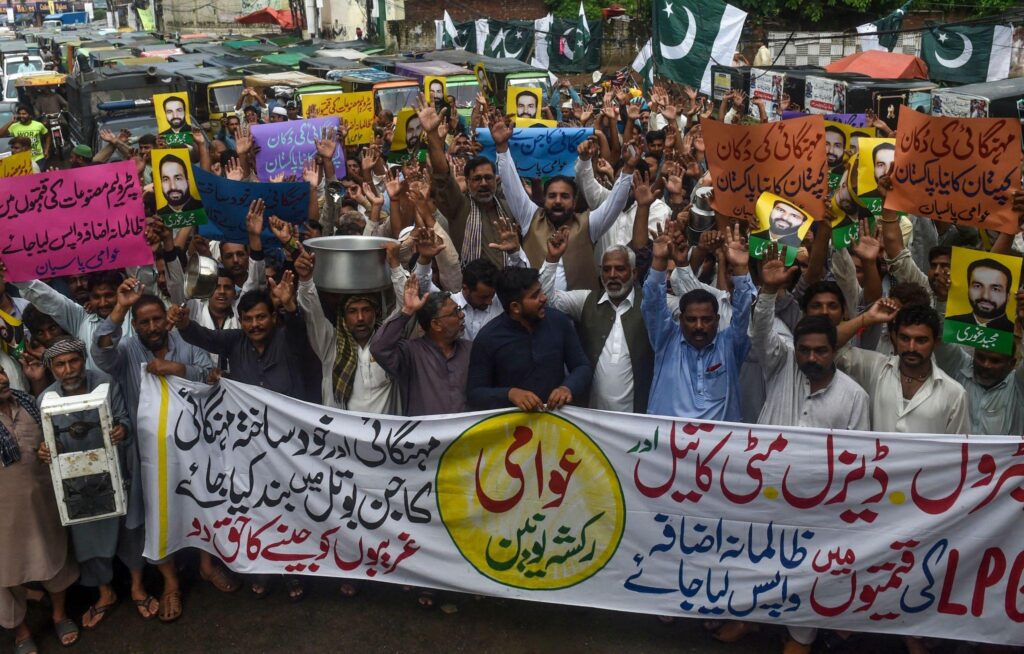
- High external debt burden
- Weak export growth
- Chronic fiscal deficits
- Energy sector inefficiencies
👉 Without structural reforms, repeated bailouts may only delay — not solve — the crisis.
📊 What Happens Next?
Best Case:
- Continued support from Saudi Arabia, China, and IMF
- Gradual economic stabilization
Worst Case:
- Reserves fall sharply
- Currency crash
- Risk of sovereign default
🧠 Final Analysis (Pulse India News)
Pakistan is not bankrupt yet.
But its economy is running on external support, and the margin for error is shrinking fast.
👉 The coming months will be critical:
Either reforms stabilize the system — or the country risks slipping into a deeper crisis.