📅 April 13 2026 | By Pulse India News Desk
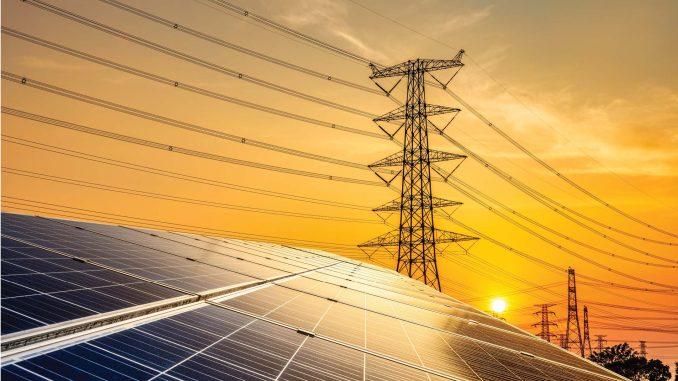
India is advancing power transmission projects worth around ₹5 trillion, currently under bidding and execution, as part of a broader effort to support its expanding renewable energy capacity.
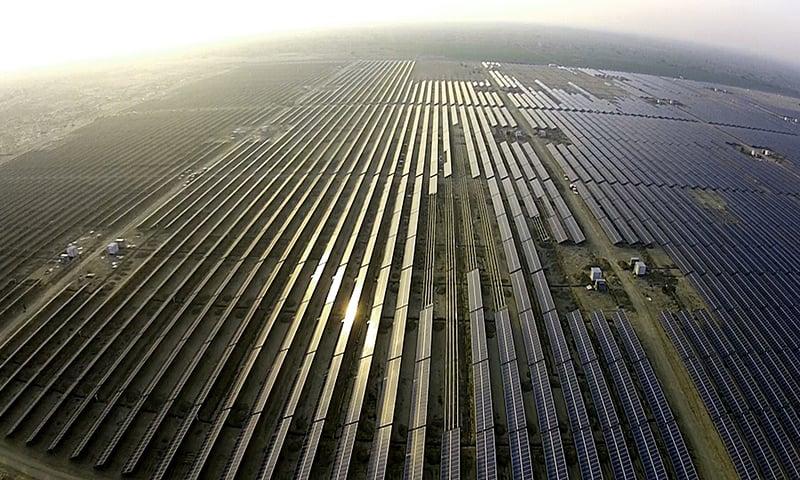
The move reflects a growing recognition that while electricity generation, particularly from solar and wind — has accelerated in recent years, the ability to transmit that power efficiently across the country remains a critical constraint.
📊 A Shift in India’s Energy Priorities
India’s installed power capacity is estimated at over 430 GW, with renewable energy accounting for a rapidly increasing share.
- Target: 500 GW of non-fossil fuel capacity by 2030
- Long-term projection: up to 900 GW by 2035-36
However, energy generation is often concentrated in resource-rich but remote regions, such as Rajasthan and Gujarat, while demand is centred in urban and industrial clusters.
This imbalance has placed the spotlight on transmission infrastructure as the next phase of India’s energy transition.
🏗️ Scale of the Planned Expansion
According to official planning frameworks:
- Around ₹5 trillion worth of projects are under bidding or execution
- Nearly ₹1 trillion has reached advanced approval stages
- About ₹1.47 trillion is already under implementation
In physical terms, the expansion includes:
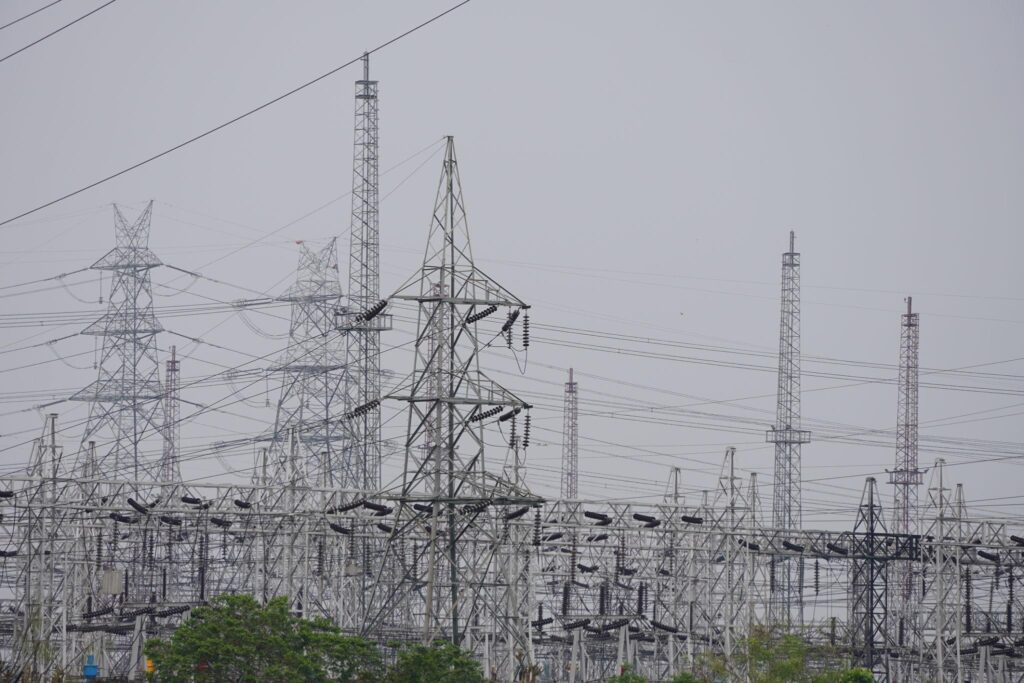
- 140,000 circuit kilometres of transmission lines planned by 2036
- 830,000 MVA of additional substation capacity
The broader investment pipeline for transmission infrastructure is estimated at ₹7.9 trillion over the next decade.
🔌 Why Transmission Matters Now
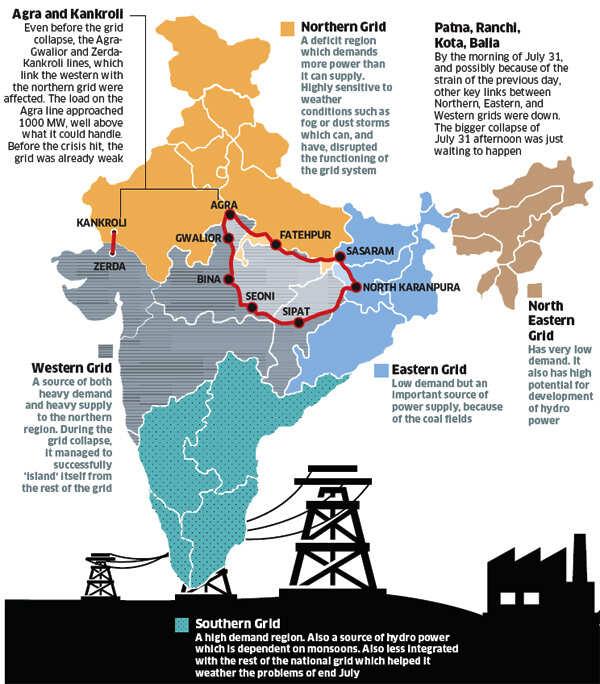
India’s renewable energy growth has outpaced grid expansion in several regions.
Solar parks and wind farms have come up rapidly, but inadequate transmission capacity has, at times, led to curtailment, where generated power cannot be fully utilised.
Officials and industry experts say that strengthening the grid is essential to:
- Integrate large-scale renewable energy
- Maintain grid stability amid variable generation
- Support emerging demand from sectors such as data centres and green hydrogen
🏢 Increasing Role of Private Sector
The transmission sector, traditionally dominated by public utilities, is seeing increased participation from private players through tariff-based competitive bidding (TBCB).
Companies such as:
- Power Grid Corporation of India (public sector)
- Adani Energy Solutions
- Tata Power
- Sterlite Power
are involved in various projects.
The competitive model is expected to improve efficiency and reduce costs, though execution timelines remain a concern.
⚠️ Challenges to Execution
Despite the scale of investment, several structural challenges persist:
Land and Right-of-Way Issues
Securing land across multiple states continues to delay projects, particularly for long-distance transmission lines.
Equipment Constraints
Key technologies such as high-voltage direct current (HVDC) systems rely on a limited supplier base, leading to longer procurement timelines.
Synchronisation with Renewable Projects
In some cases, transmission infrastructure lags behind generation projects, affecting project viability.
Financing Pressures
With nearly ₹8 trillion required over the next decade, financing and cost management remain critical.
🌍 Global Context
India’s approach contrasts with some developed economies, where grid expansion has lagged behind clean energy targets.
By scaling both generation and transmission simultaneously, India is attempting to avoid structural bottlenecks seen elsewhere.
🧠 Analysis: A Defining Phase for India’s Energy Sector
India’s energy transition is entering a more complex stage.
While earlier efforts focused on expanding generation capacity, the emphasis is now shifting to grid integration and reliability.
The success of the ₹5 trillion transmission push could determine whether:
- Renewable energy targets are met on schedule
- Investments in clean energy deliver full returns
- The country maintains energy security amid rising demand