📅 April 13 2026 | By Pulse India News Desk
India has demonstrated a 1,000-kilometre quantum communication network using indigenous technology – a major step toward building ultra-secure digital infrastructure.
👉 This is not just theory anymore, it’s a real long-distance working system
👉 It shows India can build next-gen secure networks without foreign dependency
🔍 What is Quantum Communication? (Simple Understanding)
Quantum communication uses photons (light particles) to carry information instead of traditional signals.
👉 These photons behave differently due to quantum physics laws
👉 Any interference changes their state instantly
✔️ Result: You can detect hacking the moment it happens
📦 Simple Real-Life Comparison
- 📦 Normal Internet → Data can be copied without you knowing
- 🔐 Quantum Network → Data alerts you immediately if touched
👉 It’s like sending a message that cannot be secretly opened
⚙️ How Does It Work? (Core Technology)

📡 Quantum Key Distribution (QKD)
- Generates encryption keys using quantum particles instead of math algorithms
- If someone tries to intercept the key, the quantum state changes instantly
- Both sender and receiver get alerted and can discard compromised data immediately
🔗 Fiber Optic Quantum Network
- Uses existing fiber optic cables, but with highly sensitive quantum equipment
- Enables long-distance secure communication (1,000 km is a big milestone)
- Requires extremely precise systems to maintain photon integrity over distance
🧪 Indigenous Quantum Systems
- Built using Indian-developed hardware and protocols
- Reduces dependency on foreign suppliers for critical technology
- Strengthens India’s position in strategic and defense tech ecosystems
🚀 Why This Is Important (With Deeper Understanding)+

🛡️ National Security
- Military communication systems can become completely tamper-proof
- Prevents interception of sensitive defense data during conflicts
- Critical for future warfare where cyber attacks are as important as physical attacks
💳 Banking & Financial Systems
- Protects digital transactions from advanced cyber fraud and data breaches
- Ensures secure communication between banks, payment systems, and regulators
- Can prevent large-scale financial cyber attacks that could disrupt economies
🏛️ Government & Sensitive Communication
- Enables secure communication between ministries, intelligence agencies, and leadership
- Protects classified information from cyber espionage
- Especially important in geopolitical tensions and global surveillance scenarios
🌐Foundation of Quantum Internet
- This is the first step toward a completely new type of internet
- Future networks could combine:
- Quantum communication
- Quantum computing
- Result: faster, smarter, and ultra-secure global networks
🌍 Global Race: India’s Position
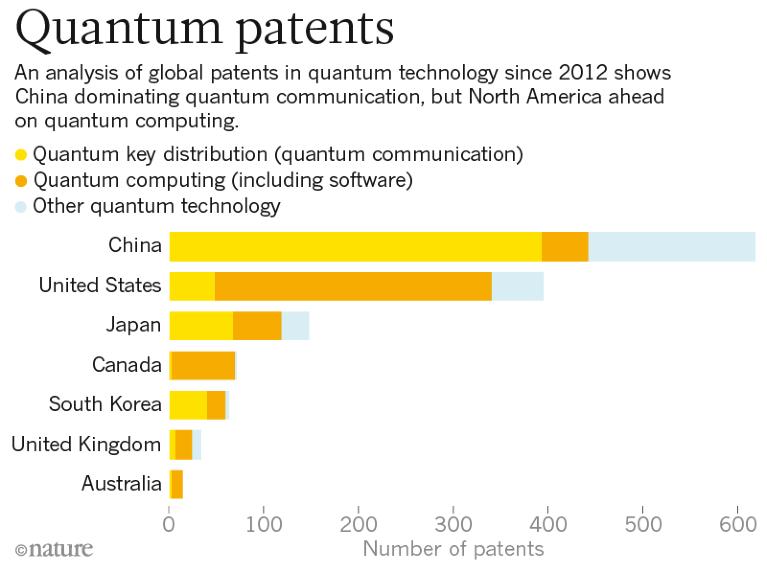
- China → Leading with quantum satellite experiments
- USA → Investing heavily in quantum internet research
- Europe → Building regional quantum networks
👉 India’s 1,000 km success shows it is no longer behind — it is competing seriously
⚠️ Challenges Ahead (Explained Clearly)
- 📉 Signal Loss → Quantum signals weaken over long distances
- 💸 High Cost → Infrastructure is expensive to build and maintain
- 🔧 Complex Setup → Requires extremely precise equipment and environments
👉 But achieving 1,000 km proves India has already overcome major technical barriers
🧠 Final Analysis
This breakthrough is not just about science, it’s about control over the future of communication.
👉 In the coming years:
- Cybersecurity could become almost unbreakable
- Sensitive data could be fully protected
- Nations with quantum tech will gain strategic dominance
And India is now clearly:
👉 Building that future from within
🔗 Related News
- Future Warfare Explained: AI Targeting, Drone Swarms & Sixth-Gen Fighters
- India’s Defence Exports Hit Record ₹384 Billion: What’s Driving the Boom?
- Tejas Mk1A Crisis: India’s Fighter Jet Program Faces Engine Challenge
- US-Iran Ceasefire: Trump’s Warning and What It Means for Global Stability
- India Successfully Demonstrates 1,000 km Quantum Communication Network