📅 April 13 2026 | By Pulse India News Desk
✈️ A Major Airlift Upgrade in the Works
India is preparing for one of its most significant air mobility upgrades in decades, as the Indian Air Force (IAF) moves ahead with plans to acquire around 60 Medium Transport Aircraft (MTA).
The move is aimed at replacing ageing fleets such as the Antonov An-32 and parts of the Il-76 heavy transport fleet, which have been in service for decades and are increasingly difficult to maintain.
More importantly, the requirement reflects a changing operational doctrine — where rapid deployment, high-altitude logistics, and multi-role flexibility are becoming critical in both border tensions and disaster response scenarios.
🔥 Lockheed Martin’s Proposal: A Tailored C-130J for India

American defence giant Lockheed Martin has stepped forward with a customised version of its C-130J Super Hercules, pitching it as a low-risk, high-reliability solution.
The aircraft is already in service with the IAF, with a fleet of 12 aircraft operating in some of the most challenging environments, including high-altitude forward bases and short, unprepared airstrips.
What Makes the C-130J Stand Out?
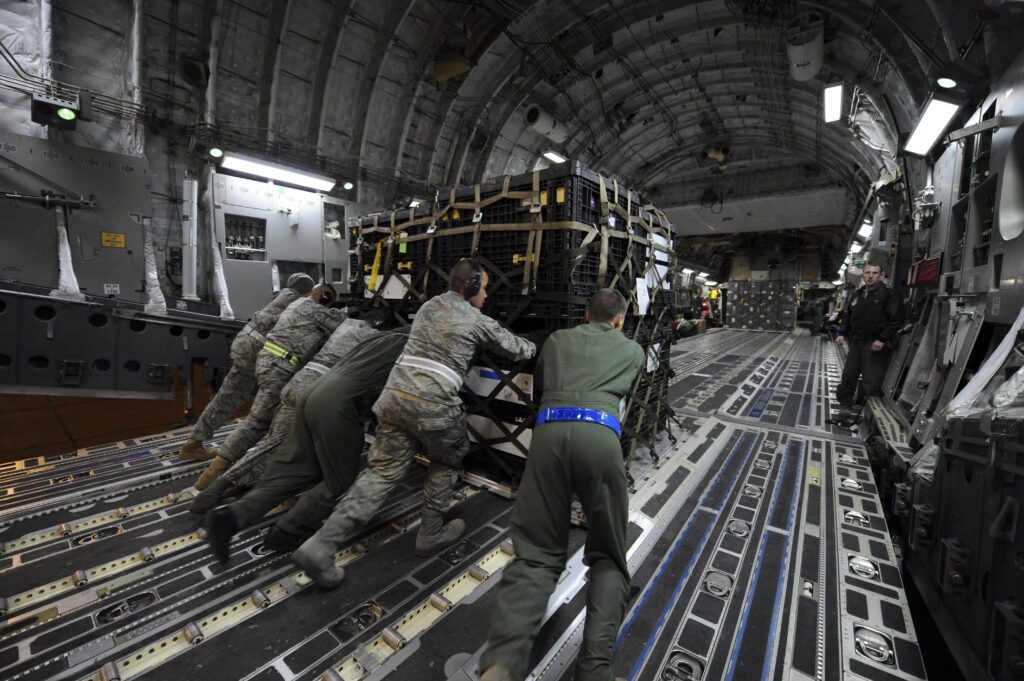
- Proven performance in Indian conditions
- Ability to operate from short and semi-prepared runways
- Designed for special forces operations and tactical missions
- Multi-role flexibility including:
- Troop transport
- Cargo logistics
- Medical evacuation
- Humanitarian assistance
At a time when operational readiness is critical, Lockheed’s pitch revolves around a simple message:
👉 “This platform already works for India — scale it up.”
The ‘Make in India’ Factor: A Strategic Sweetener
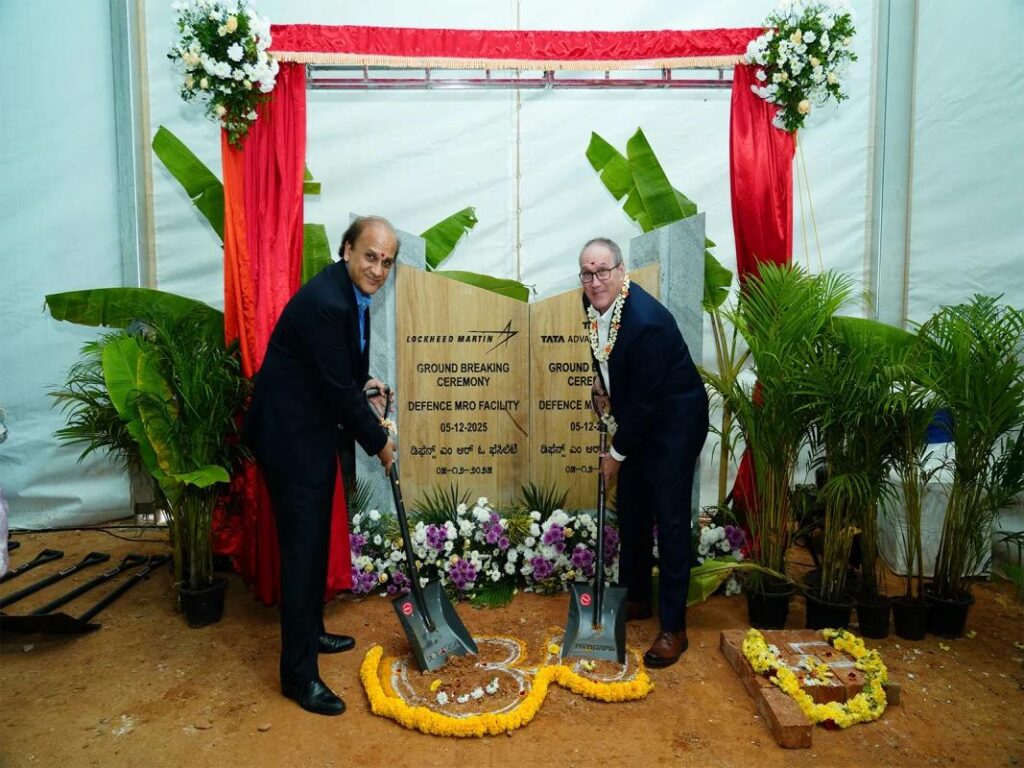
Beyond performance, the real weight of Lockheed’s proposal lies in its industrial commitment to India.
The company has indicated plans to:
- Establish a final assembly line in India (a first outside the US)
- Partner with Tata Advanced Systems
- Manufacture a significant portion of the aircraft domestically
Why This Matters
This is not just a defence deal – it is a potential industrial transformation project.
If executed, it could:
- Create high-skill aerospace jobs
- Strengthen India’s defence manufacturing ecosystem
- Position India as a global hub for C-130J production and exports
The proposal aligns closely with New Delhi’s broader push for self-reliance in defence under the ‘Atmanirbhar Bharat’ initiative.
⚔️ Global Competition: A Tough Battlefield

However, the C-130J is far from being the only contender.
Key Rivals:
Embraer C-390 Millennium
- Jet-powered → faster than turboprops
- Higher payload (~26 tons)
- Strong push with Indian partnership
Airbus A400M Atlas
- Heavy-lift capability (30+ tons)
- Designed for both tactical and strategic missions
Others in Consideration
- Kawasaki C-2
- Russian Il-276 (under development)
Each platform offers a different balance of payload, speed, cost, and industrial participation — making this a highly competitive procurement battle.
⚠️ The Payload Question: A Critical Deciding Factor
One of the biggest questions facing the C-130J is whether it can meet the IAF’s future payload requirements.
Reports suggest that the Air Force is evaluating the ability to transport platforms like the Zorawar light tank (~25 tons), which is being developed for high-altitude warfare.
This could tilt the scales toward aircraft with higher payload capacity, such as the C-390 or A400M.
👉 In simple terms:
- C-130J → Strong in tactical flexibility
- Rivals → Stronger in heavy-lift capability
🧠 Strategic View: Capability vs Industrial Gain
The final decision is likely to be shaped by a delicate balance between:
Operational Needs
- Payload capacity
- Range and speed
- High-altitude performance
Strategic Priorities
- Technology transfer
- Domestic manufacturing
- Long-term industrial benefits
India’s defence procurement strategy in recent years suggests that industrial value and self-reliance will weigh heavily alongside pure performance metrics.
🚀 Final Analysis
The Medium Transport Aircraft program represents more than just a fleet replacement — it is a test case for how India wants to shape its future defence ecosystem.
- A C-130J selection would signal a preference for:
👉 Proven systems + strong Make in India push - A rival aircraft selection could indicate:
👉 Higher capability prioritisation, especially in payload
🧾 Conclusion
India’s MTA deal is set to become a defining moment in defence procurement – where the choice will not only decide the future of airlift capability but also the direction of India’s aerospace manufacturing ambitions.