Introduction
India and Pakistan are entering a new phase in air power competition. One of the most discussed comparisons among defense analysts is between India’s Tejas Mk2 and Pakistan’s JF-17 Block III. Both aircraft belong to the modern multirole fighter category, but they reflect two very different strategies in fighter development.
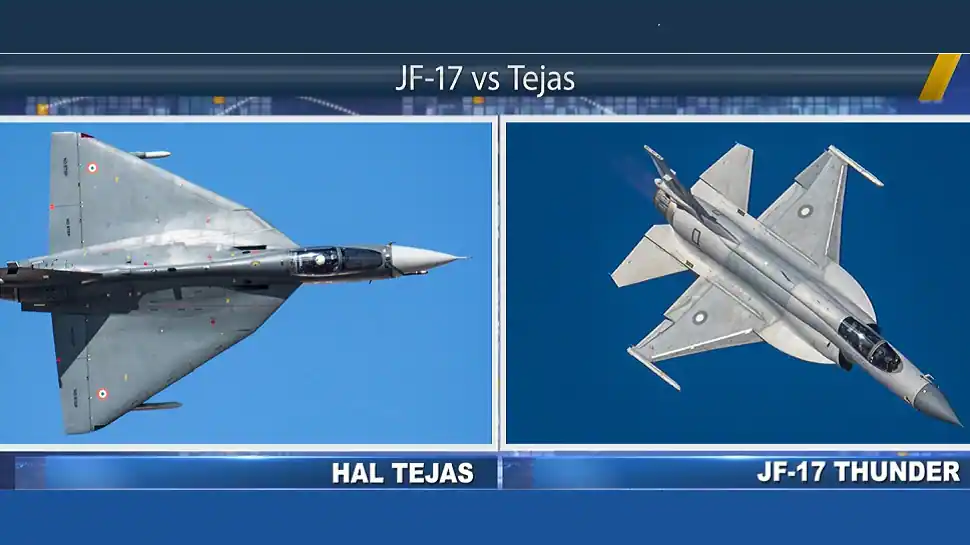
The JF-17 Block III is already operational with the Pakistan Air Force and has begun to attract export attention. The Tejas Mk2, on the other hand, is still under development but is designed to be significantly more capable than earlier Tejas variants and to replace older aircraft like the Jaguar and Mirage 2000 in the Indian Air Force.
This comparison is important not only from a technical perspective but also in terms of long-term strategic balance in South Asia.
Maturity vs Future Capability
The most immediate difference between the two fighters is their stage of development.
The JF-17 Block III is already deployed in operational squadrons, giving Pakistan an advantage in terms of immediate availability and operational experience. Pakistan has already inducted multiple squadrons and has started exporting the aircraft.
The Tejas Mk2, however, represents a more ambitious design. It is intended to be larger, more powerful, and capable of carrying heavier payloads. Once inducted, it is expected to provide significantly greater range, avionics capability, and mission flexibility compared to the JF-17.
This means the comparison is partly about current capability versus future potential.
Materials Used in Tejas Mk2 and JF-17
Modern fighter aircraft rely heavily on advanced materials to improve strength, reduce weight, and enhance stealth characteristics.
The Tejas family of aircraft, including the upcoming Tejas Mk2, uses a high percentage of composite materials, particularly carbon fiber composites. In the Tejas Mk1, composites make up nearly 45% of the airframe by weight and about 90% of the surface area. These materials reduce overall weight, improve structural strength, and help lower radar reflections. Composite structures also resist corrosion and reduce long-term maintenance requirements.
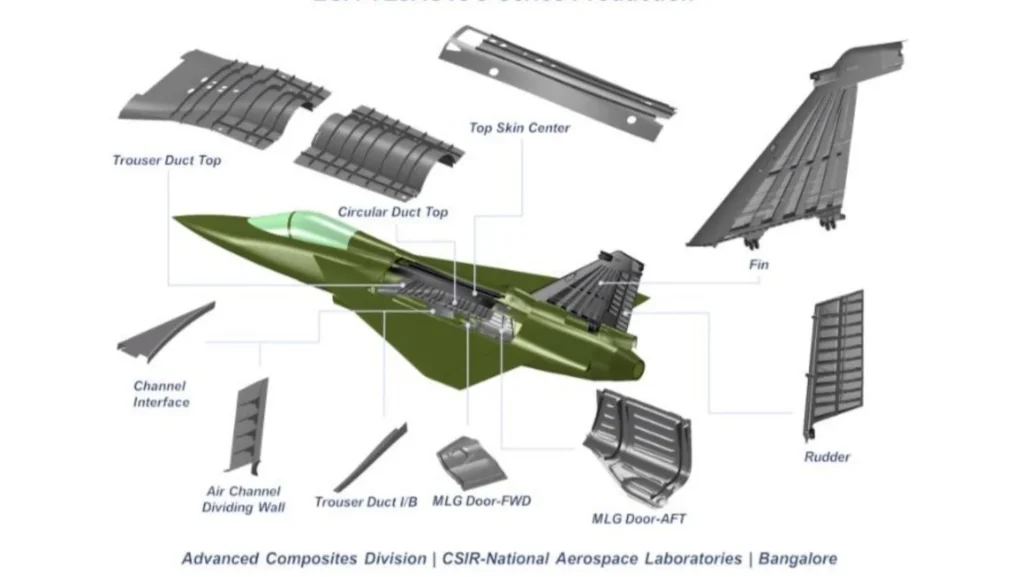
The JF-17, by contrast, uses a more traditional combination of aluminum alloys, titanium, and limited composite materials. While this approach keeps manufacturing costs relatively low and simplifies repairs, it generally results in a heavier structure compared with aircraft designed with a larger percentage of composites.
Because composites are lighter and allow smoother aerodynamic shapes, aircraft like the Tejas benefit from improved agility, better fuel efficiency, and potentially reduced radar signature.
Radar Visibility and Stealth Characteristics
Radar visibility is often measured in terms of Radar Cross Section (RCS), which represents how detectable an aircraft is to radar systems.
The Tejas design incorporates several features intended to reduce radar visibility, including composite structures, careful shaping of the airframe, and the use of radar-absorbing materials in some areas. While the Tejas is not a stealth fighter like the F-35, these design choices help reduce its radar signature compared with many older aircraft.
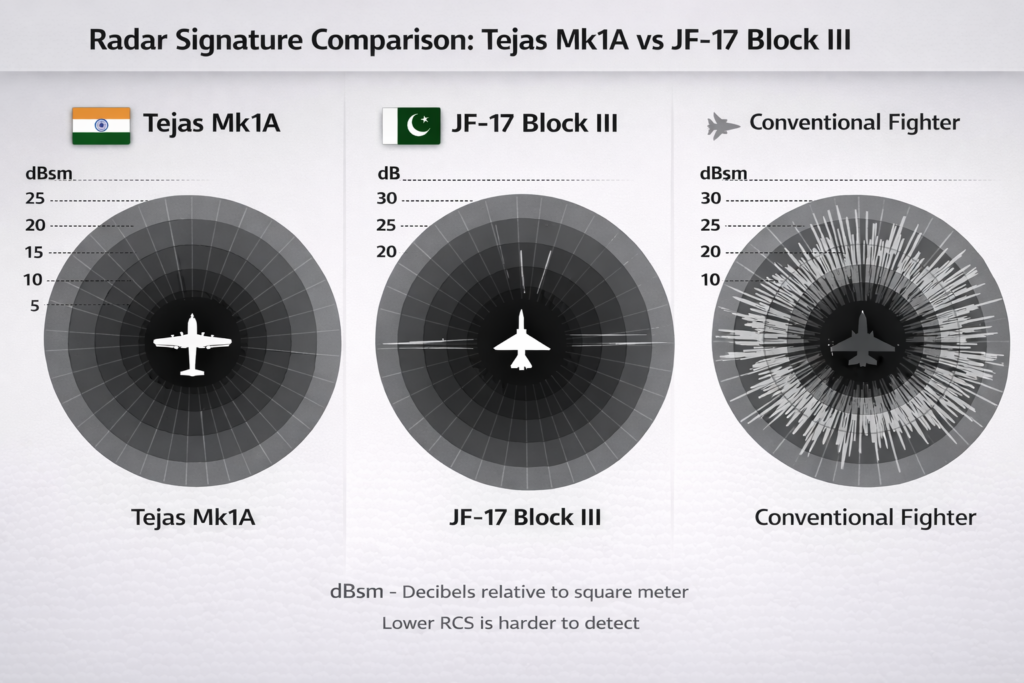
The JF-17 also incorporates some radar-reduction measures, but its airframe design and material composition generally result in a larger radar cross section compared to aircraft with extensive composite construction. Since stealth was not the primary design objective of the JF-17, its focus remains on affordability, multirole capability, and operational simplicity.
Why Radar Visibility Matters
Lower radar visibility gives fighter aircraft several operational advantages.
Aircraft with smaller radar signatures can detect opponents earlier while remaining harder to detect themselves. This advantage becomes particularly important in beyond-visual-range (BVR) combat, where radar detection and missile engagement often occur long before pilots visually see their opponents.
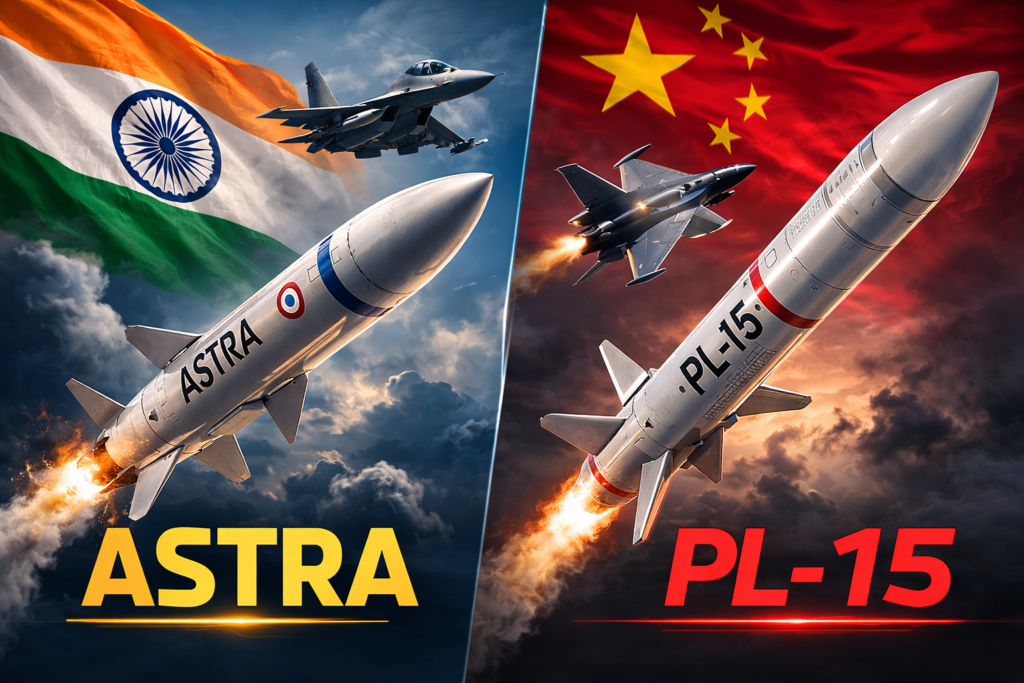
When combined with modern AESA radar systems and advanced air-to-air missiles such as Astra, improved radar survivability can significantly enhance the effectiveness of modern fighter aircraft in contested airspace.
India’s Tejas Program: From Mk1 to Mk1A and Mk2
India’s Tejas fighter program has evolved over multiple phases.
The Tejas Mk1 was the first operational variant inducted into the Indian Air Force. It proved the viability of India’s indigenous fighter program but had some limitations in payload capacity and avionics compared to more advanced fighters.
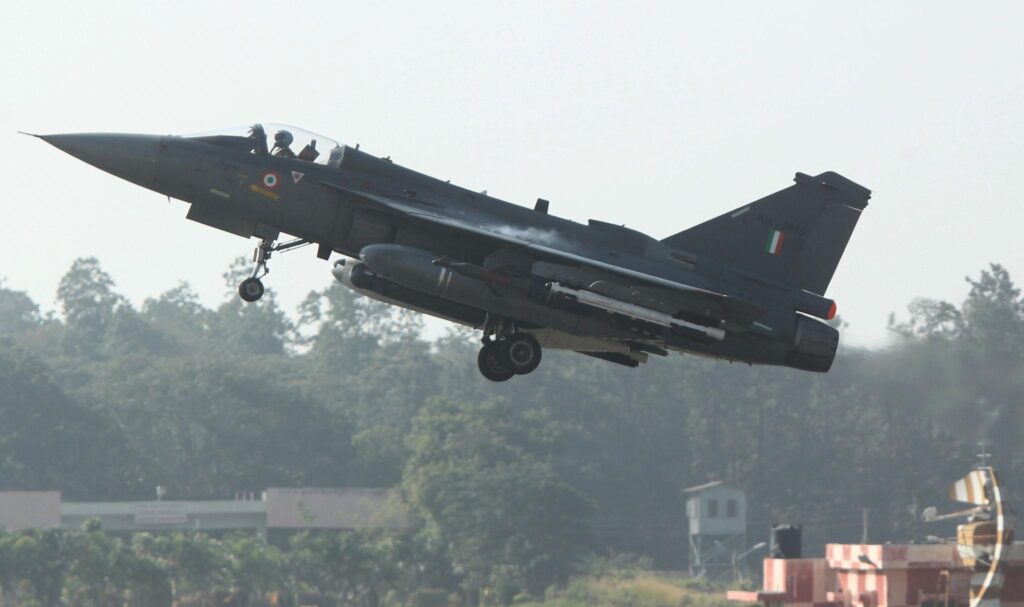
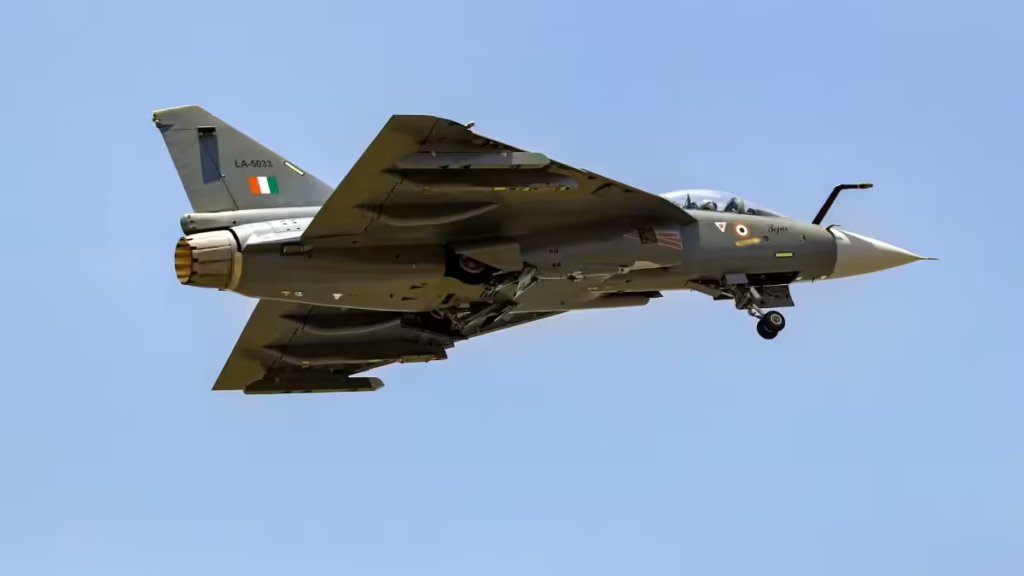
To address these issues, India developed the Tejas Mk1A, which includes major upgrades:
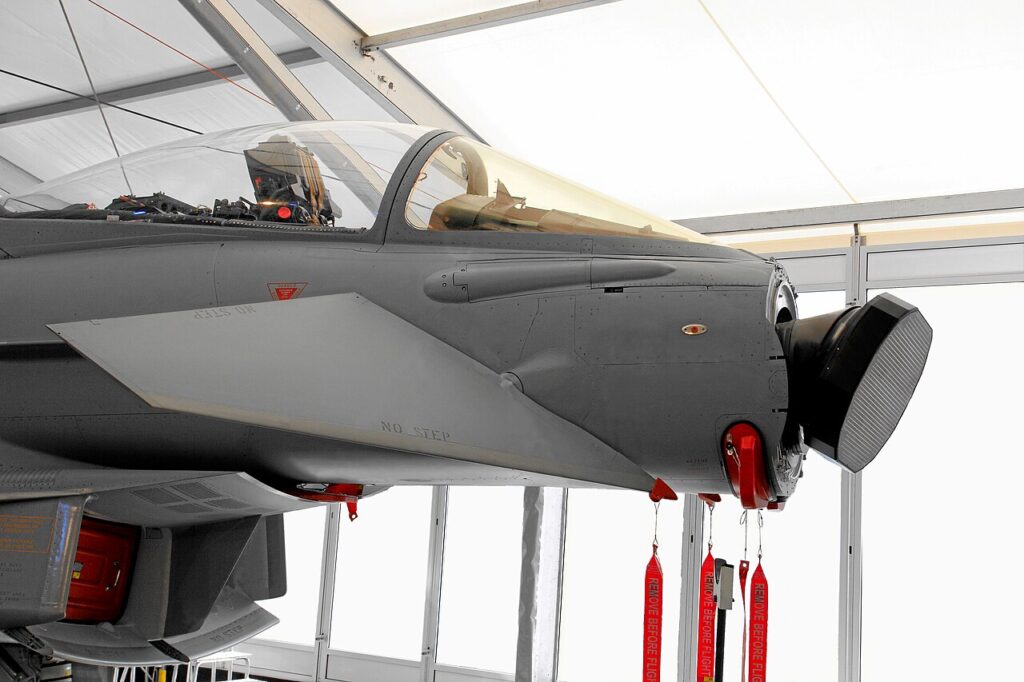
AESA Radar (GaN – Gallium Nitride Technology)
Modern AESA radars increasingly use Gallium Nitride (GaN) semiconductor technology, which offers significant advantages over older Gallium Arsenide (GaAs) systems. GaN modules can operate at higher power levels, generate less heat, and provide longer detection ranges. This improves radar performance, target tracking capability, and resistance to electronic warfare or jamming. GaN-based AESA radars also enhance reliability and allow aircraft to detect stealthier targets at greater distances.
Advanced Electronic Warfare Systems
India has developed advanced electronic warfare systems through DRDO and Bharat Electronics Limited (BEL). These systems include radar warning receivers, electronic jammers, and countermeasure systems that help detect and disrupt enemy radar and missile threats. They significantly improve the survivability of Indian fighter aircraft in modern combat environments.
Improved Maintenance Efficiency
The Tejas program emphasizes indigenous design and modular systems, allowing easier access to aircraft components during maintenance. This approach simplifies repairs, reduces dependency on foreign suppliers, and enables faster servicing of aircraft in operational squadrons.
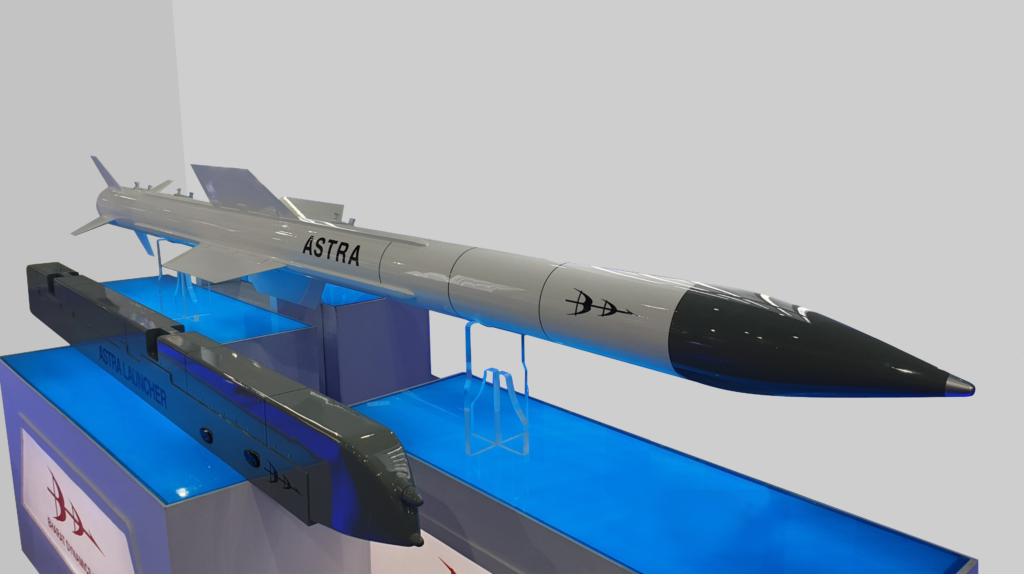
Integration of Modern Air-to-Air Missiles such as Astra
India’s Astra missile, developed by DRDO, is a beyond-visual-range air-to-air missile capable of engaging enemy aircraft at long distances. Integration of Astra with the Tejas platform allows Indian fighters to engage threats before they enter close combat, significantly enhancing combat effectiveness.
Reduced Maintenance Downtime
Tejas aircraft incorporate advanced onboard diagnostics and health monitoring systems developed by Indian defense research organizations. These systems help technicians quickly identify technical issues and replace modules efficiently, increasing aircraft availability and operational readiness.
The Mk1A variant is expected to significantly strengthen the Indian Air Force’s light fighter fleet, with 83 aircraft already ordered.
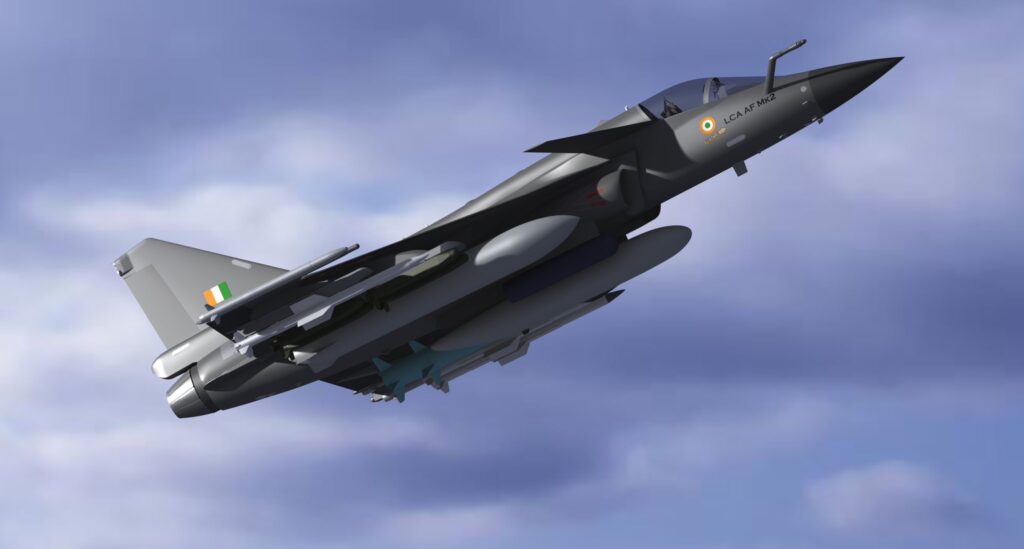
The Tejas Mk2 represents the next step in this evolution. It will be larger, more powerful, and capable of carrying heavier weapons loads and more fuel, effectively positioning it as a medium-weight multirole fighter.
Why Tejas Mk2 Is Considered Superior in Many Areas
Several design factors suggest that the Tejas Mk2 may outperform the JF-17 Block III once it enters service.
More Powerful Engine
Tejas Mk2 will use the GE F414 engine, producing around 22,000 pounds of thrust, while the JF-17 uses an engine producing around 19,000 pounds of thrust.
This higher thrust allows better acceleration, improved climb performance, and greater payload capacity.
Larger Airframe
The Tejas Mk2 has a larger airframe, allowing it to carry more fuel and weapons. This translates into:
• Longer combat radius
• Greater endurance
• More weapon options
Advanced Avionics and Sensors
Tejas Mk2 is expected to feature advanced avionics, including modern AESA radar systems and improved electronic warfare suites.
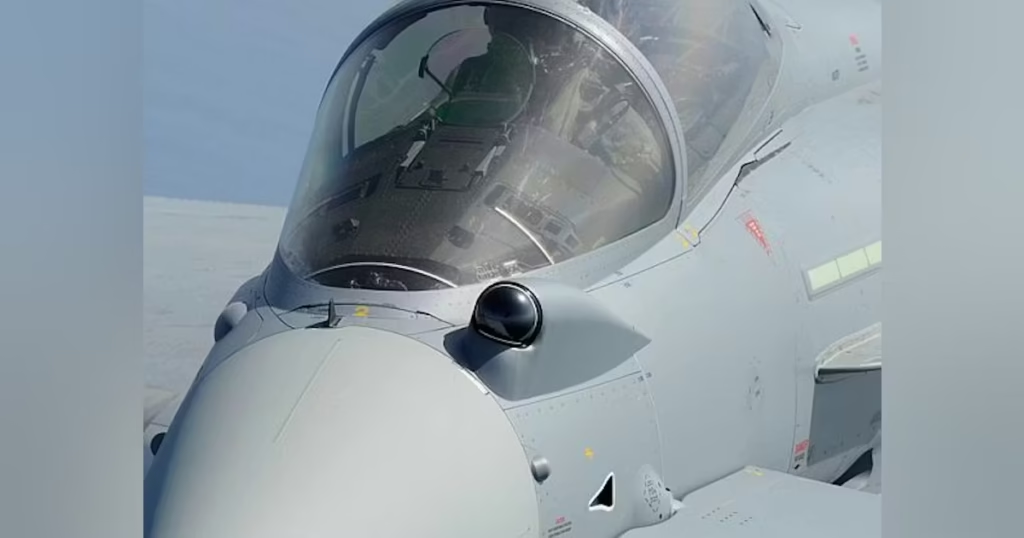
Unlike radar, IRST systems operate passively by detecting infrared emissions from engines and airframes. This allows aircraft to identify and track enemy targets while remaining electronically silent.
These systems significantly enhance situational awareness and targeting capability, which are critical in modern aerial combat.
Indigenous Ecosystem
The Tejas Mk2 is part of India’s long-term plan to develop a strong domestic aerospace industry. The experience gained from Tejas will support future projects such as the Advanced Medium Combat Aircraft (AMCA).
Drawbacks of the JF-17 Block III
While the JF-17 is a capable aircraft, analysts often point to several limitations.
Air-Cooled AESA Radar
The JF-17 Block III reportedly uses an air-cooled AESA radar. Air-cooled radars can have limitations compared to liquid-cooled systems, including:
• Lower power output
• Potential overheating risks during long missions
• Reduced performance in extreme environments
More advanced fighters typically use liquid-cooled AESA radars, which allow higher radar power and better detection ranges.
Limited Payload
The JF-17 has a lower maximum payload capacity, meaning it cannot carry as many weapons or fuel as larger fighters.
Engine Constraints
The engine used in the JF-17 provides lower thrust compared to the engine planned for Tejas Mk2. This can limit performance in high-payload or high-altitude scenarios.
Operational Challenges and Maintenance Concerns Around JF-17
While the JF-17 program has achieved operational success and export momentum, it has also faced some reported operational challenges related to maintenance and reliability.
One of the most widely discussed issues emerged in Myanmar, one of the early export customers of the JF-17. Reports from regional defense sources indicated that several JF-17 aircraft operated by the Myanmar Air Force experienced technical and maintenance difficulties, including structural concerns and avionics integration issues. As a result, some aircraft were reportedly grounded or flown less frequently while maintenance evaluations were carried out.
Pakistan itself has also faced periodic maintenance and spare-parts management challenges with parts of its fighter fleet, including JF-17 aircraft during certain operational cycles. These situations are not unusual in modern fighter programs, particularly in early production batches where aircraft often undergo upgrades and reliability improvements over time.
Such issues highlight an important reality of modern military aviation: operational readiness depends not only on aircraft design but also on long-term maintenance ecosystems, spare-parts availability, and technical support networks.
For India, one of the strategic goals behind the Tejas program is to build a stronger domestic aerospace maintenance and supply ecosystem. By increasing indigenous production and control over key systems, India aims to reduce long-term dependence on foreign suppliers and improve fleet sustainment.
Why Maintenance Ecosystems Matter in Fighter Programs
In modern air forces, the success of a fighter aircraft is measured not only by performance but also by serviceability rates — the percentage of aircraft available for missions at any given time.
Fighters with strong domestic maintenance infrastructure and stable supply chains typically maintain higher operational readiness levels, which becomes crucial during prolonged military operations.
For this reason, countries increasingly emphasize local manufacturing, technology transfer, and domestic maintenance capability when developing or purchasing fighter aircraft.
Export Potential
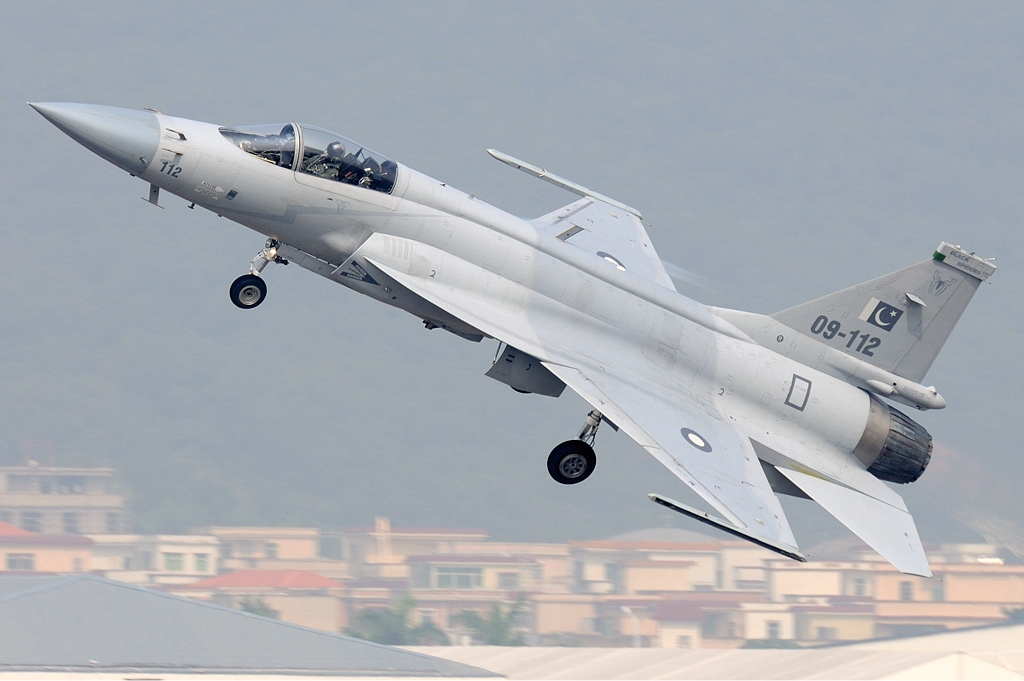
Pakistan has successfully positioned the JF-17 as an affordable export fighter, attracting interest from countries seeking low-cost multirole jets.
India is also targeting export markets for the Tejas family. Countries in Asia, Africa, and Latin America have shown interest, particularly in the Tejas Mk1A.
If India can successfully scale production and maintain competitive pricing, Tejas could emerge as a strong competitor in the global light fighter market.
Real Combat Effectiveness
Real combat effectiveness depends on more than just aircraft specifications. Factors such as pilot training, support infrastructure, electronic warfare capability, and missile technology also play crucial roles.
India’s advantage lies in integrating advanced indigenous weapons such as the Astra beyond-visual-range missile, while Pakistan relies heavily on Chinese missile systems.
Both air forces continue to invest heavily in improving these capabilities.
Simulated Combat Scenario: Tejas Mk2 vs JF-17 Block III
Beyond Visual Range (BVR) Combat Scenario
In modern air warfare, most engagements occur beyond visual range, where fighters rely on radar systems, electronic warfare capability, and long-range air-to-air missiles rather than close dogfighting.
In a hypothetical BVR scenario, both aircraft would depend heavily on AESA radar performance and missile technology. The Tejas Mk2 is expected to integrate India’s Astra BVR missile, which has an engagement range of over 100 km depending on launch conditions. Pakistan’s JF-17 Block III is expected to use Chinese PL-15 or SD-10 missiles, which also provide long-range engagement capability.
If the Tejas Mk2’s more powerful GE F414 engine and advanced avionics suite perform as expected, it could offer advantages in radar detection range, missile launch energy, and electronic warfare resistance. However, outcomes in BVR combat are influenced by many variables including pilot training, networked sensors, and ground-based radar support.
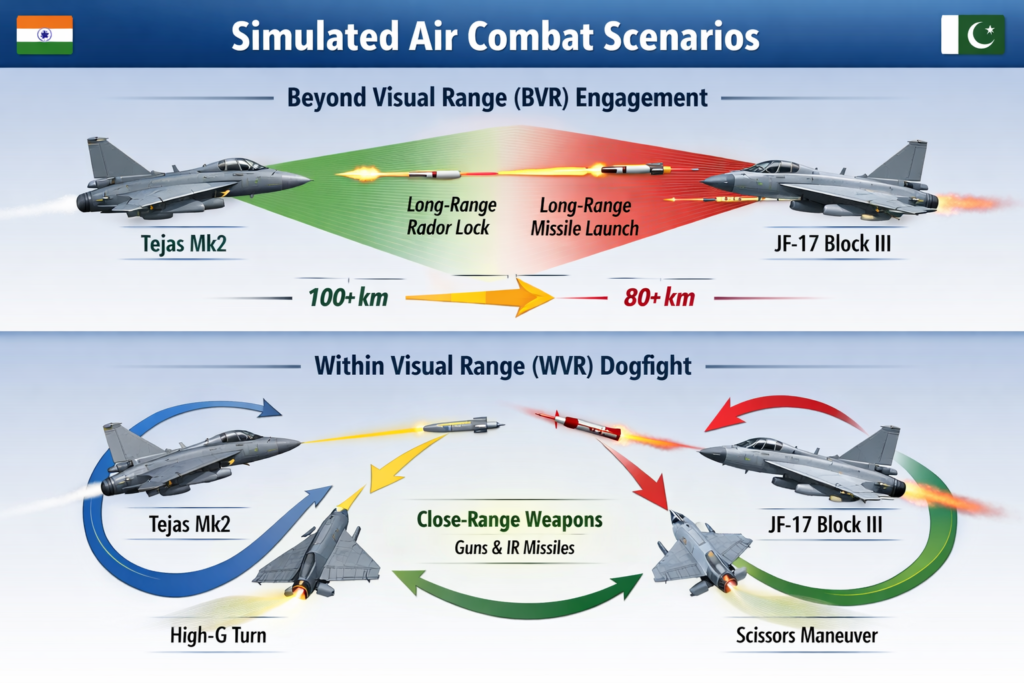
Close-Range Dogfight Scenario
If a battle moves into within visual range (WVR) combat, agility, thrust-to-weight ratio, and pilot situational awareness become crucial.
The Tejas Mk2’s more powerful engine and larger control surfaces may provide better acceleration and energy recovery during aerial maneuvers. In addition, helmet-mounted display systems and high off-boresight missiles can allow pilots to lock targets even when they are not directly in front of the aircraft.
The JF-17 Block III also features modern avionics and fly-by-wire control systems, which allow it to remain competitive in close combat situations. Its lighter structure could provide agility advantages in certain maneuvering scenarios.
Ultimately, pilot skill and situational awareness often determine the outcome of dogfights, rather than aircraft specifications alone.
Network-Centric Warfare
Modern air combat increasingly depends on networked battlefield systems rather than individual aircraft.
Both India and Pakistan are developing data-link systems, airborne early warning aircraft, and integrated radar networks to support their fighter fleets. These systems allow pilots to receive targeting data from other platforms, significantly improving situational awareness.
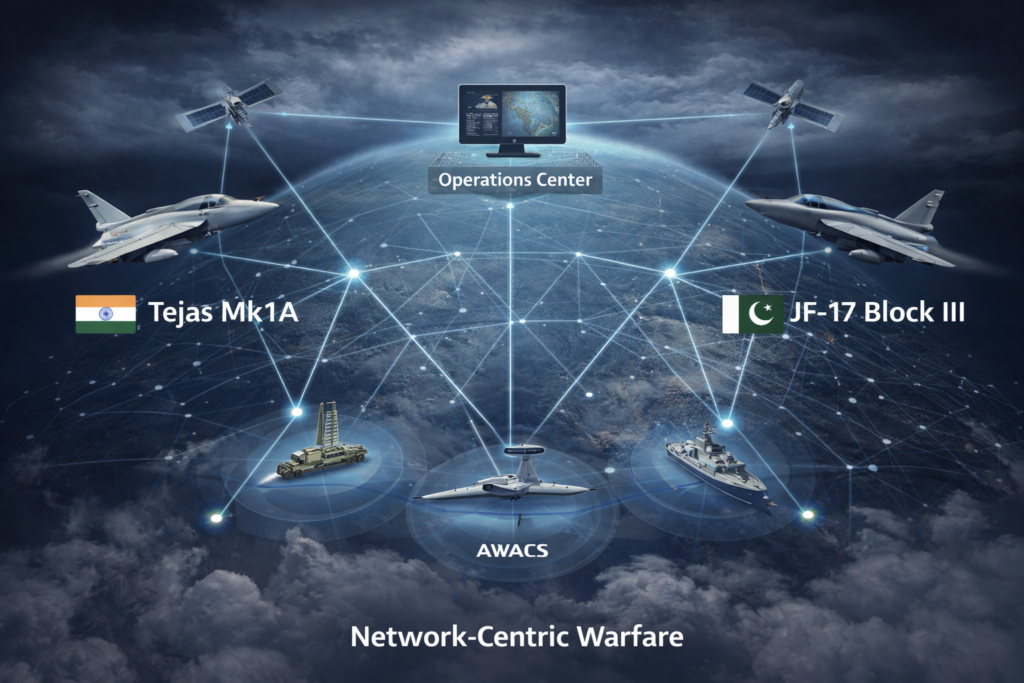
Indian Airforce has a dedicated satellites and more advanced and indegenious AWACS system which keeps IAF at top when comes to Network Centric Warfare. PAK suffered heavy loss to it’s AWACS Aircraft which was damaged during Operation Sindhoor.
In such environments, the aircraft that operates within a stronger integrated air defense and sensor network may gain the advantage regardless of individual fighter performance.
Long-Term Strategic Outlook
In the near term, the JF-17 Block III holds an advantage in operational deployment, since it is already in service with multiple squadrons and has begun entering export markets.
However, the Tejas Mk2 is designed with greater growth potential, including stronger engine performance, higher payload capacity, and integration with India’s expanding indigenous defense ecosystem.
If India successfully brings the Tejas Mk2 into production on schedule, it could become one of the most capable indigenous fighters developed in Asia, significantly strengthening the Indian Air Force’s future fleet.
Future Outlook
The long-term outcome of this comparison will depend largely on how quickly India can bring the Tejas Mk2 into full operational service and produce it in significant numbers.
If the aircraft inducts, it could provide India with a powerful indigenous fighter platform that strengthens its air force while reducing reliance on foreign suppliers.
Pakistan’s JF-17, meanwhile, will likely continue serving as a cost-effective fighter and export product.
In the end, the competition between these two aircraft represents more than a technical comparison — it reflects the broader aerospace ambitions of two rival nations.
Tejas Mk2 vs JF-17 Block III Specifications
| Specification | Tejas Mk2 (India) | JF-17 Block III (Pakistan) |
|---|---|---|
| Role | Medium Multirole Fighter | Light Multirole Fighter |
| Engine | GE F414 | RD-93 |
| Engine Thrust | ~22,000 lbf | ~19,000 lbf |
| Max Takeoff Weight | ~17,500 kg | ~13,500 kg |
| Top Speed | Mach 1.8 (expected) | Mach 1.6 |
| Combat Radius | ~1,000 km (estimated) | ~1,200 km |
| Payload Capacity | ~6,500 kg | ~3,700 kg |
| Hardpoints | 11 | 8 |
| Radar | AESA Radar | AESA Radar (Air-cooled) |
| Primary Missiles | Astra, Derby, BrahMos-NG (future) | PL-15, SD-10 |
| Status | Under Development | Operational |
Read more: India’s Foreign Policy and Strategic Balance in Asia