Introduction
India’s foreign policy has evolved significantly since independence in 1947. Over the decades, New Delhi has moved from the idealistic diplomacy of the Non-Aligned Movement to a more pragmatic approach that balances strategic partnerships, economic interests, and regional security concerns. In an increasingly complex global order, India seeks to maintain its strategic autonomy while strengthening ties with multiple global and regional powers.
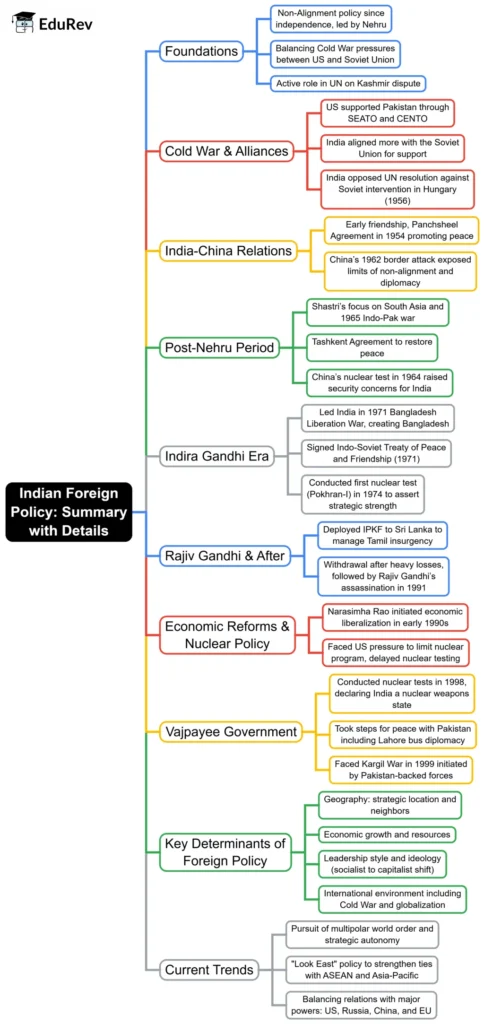
As Asia emerges as the center of global economic and geopolitical activity, India’s diplomatic choices are shaping not only its own future but also the balance of power in the wider Indo-Pacific region.
Historical Foundations of India’s Foreign Policy
ndia’s early foreign policy was largely shaped by Prime Minister Jawaharlal Nehru, who promoted the idea of non-alignment during the Cold War. Rather than joining either the United States-led Western bloc or the Soviet Union-led Eastern bloc, India chose to maintain independence in global decision-making.
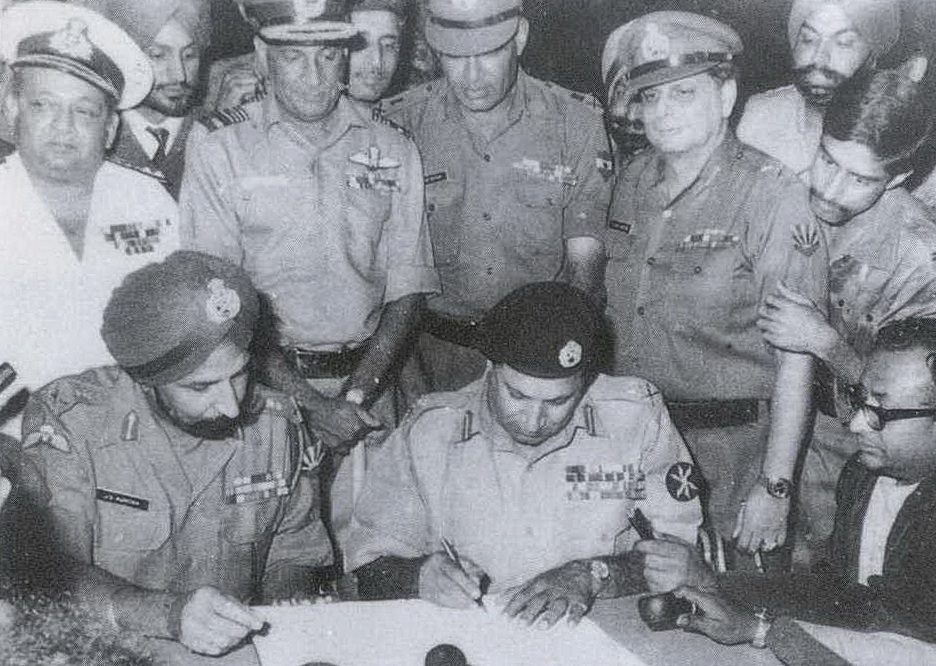
However, India developed a strong strategic relationship with the Soviet Union, particularly in defense and technology cooperation. One of the most defining moments came during the 1971 Bangladesh Liberation War, when Soviet diplomatic and military support played a crucial role as India intervened in the conflict that eventually led to the creation of Bangladesh.
India also maintained strong historical ties with the Middle East, Africa, and Southeast Asia through trade, diplomacy, and cultural exchanges.
Comparing India’s Foreign Policy with Other Asian Powers
India’s diplomatic strategy differs significantly from that of other Asian powers, particularly China.
China has adopted a more centralized and infrastructure-focused foreign policy through the Belt and Road Initiative (BRI). Through this program, Beijing has invested billions of dollars in ports, highways, railways, and energy infrastructure across Asia, Africa, and Europe.
In South Asia, China has expanded its presence through projects such as:
- China-Pakistan Economic Corridor (CPEC) in Pakistan
- Investments in Hambantota Port in Sri Lanka
- Infrastructure projects in Nepal, Bangladesh, and the Maldives
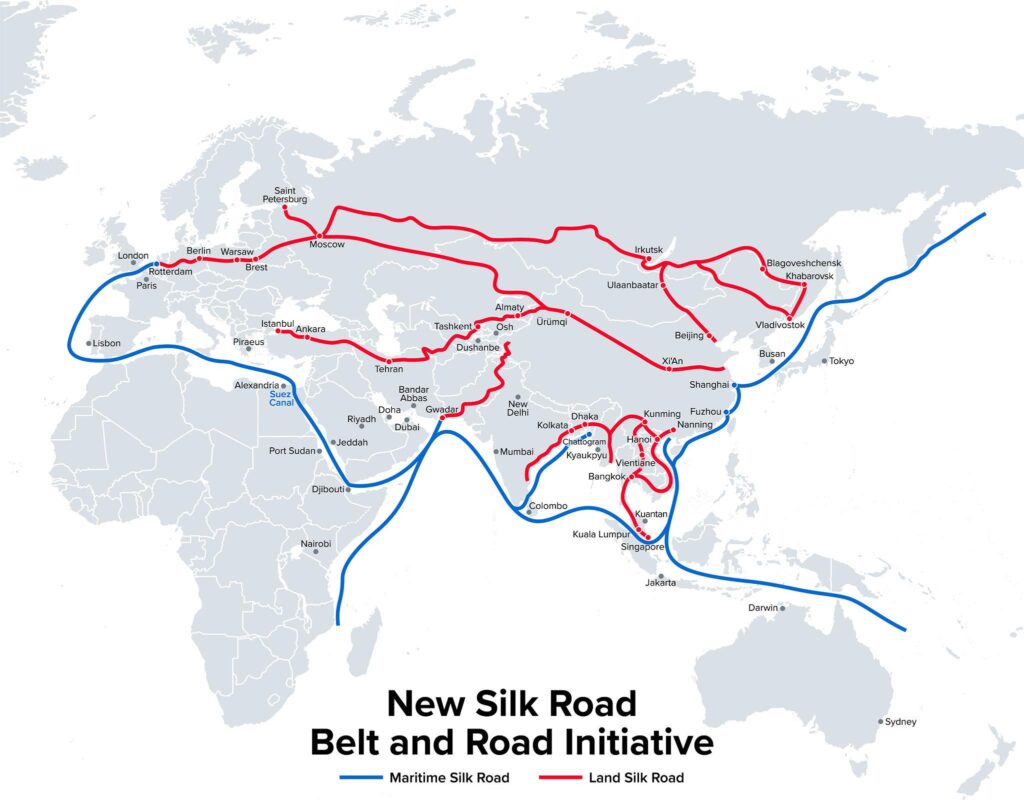
India, on the other hand, traditionally focuses on development partnerships, cultural ties, and regional cooperation under its Neighbourhood First policy.
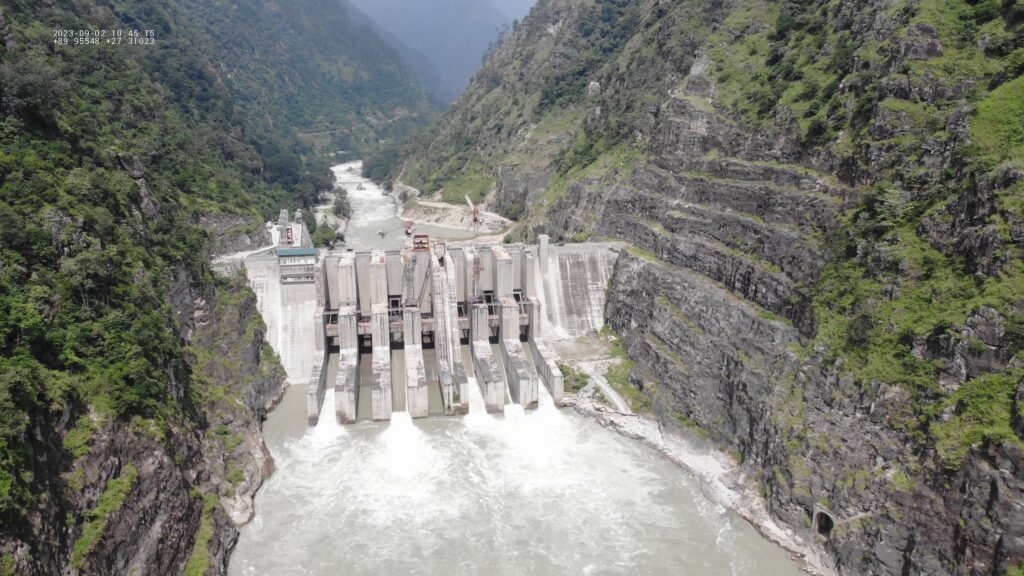
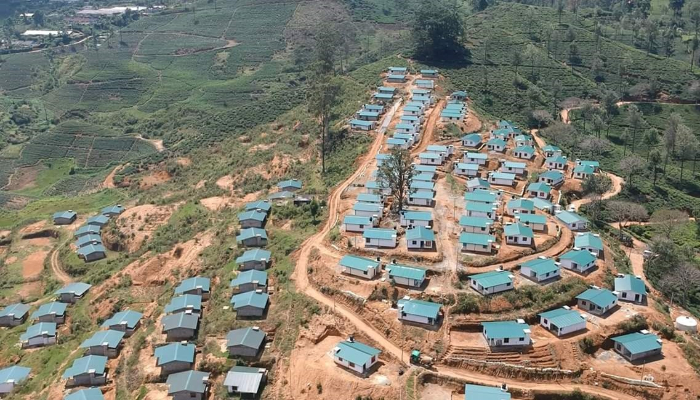
India has supported:
- Hydropower projects in Bhutan
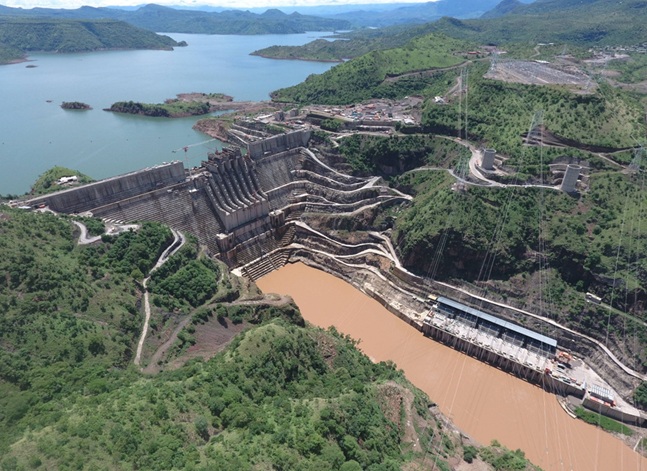
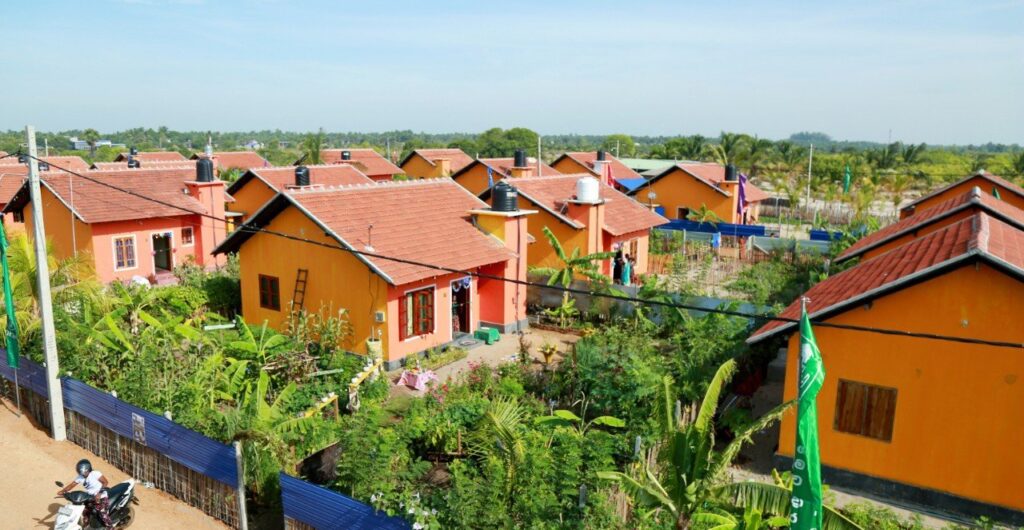
- Infrastructure and housing projects in Sri Lanka
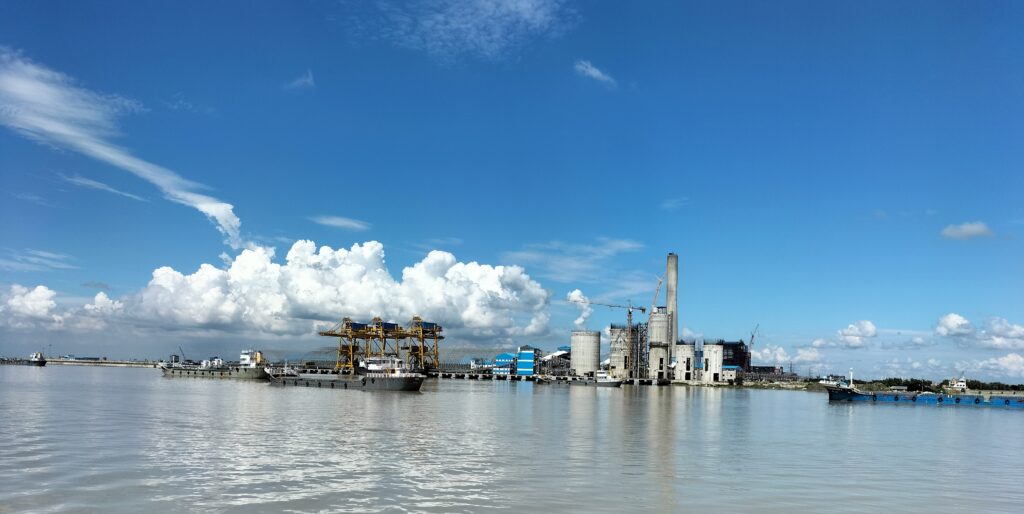
- Connectivity and energy projects in Bangladesh
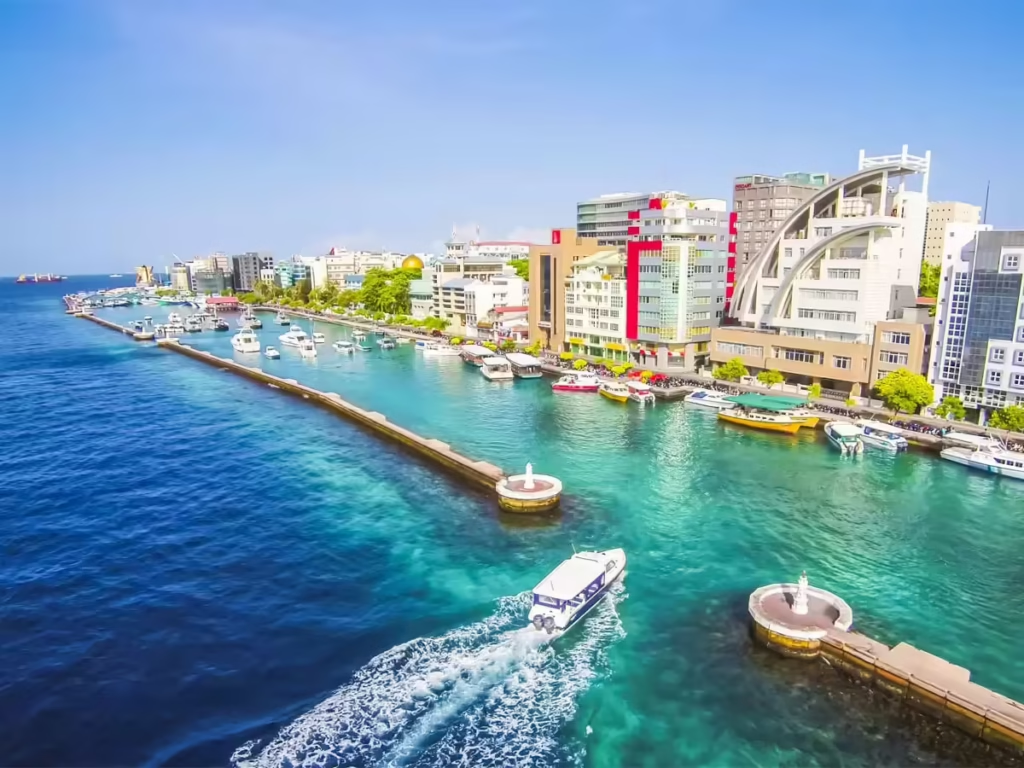
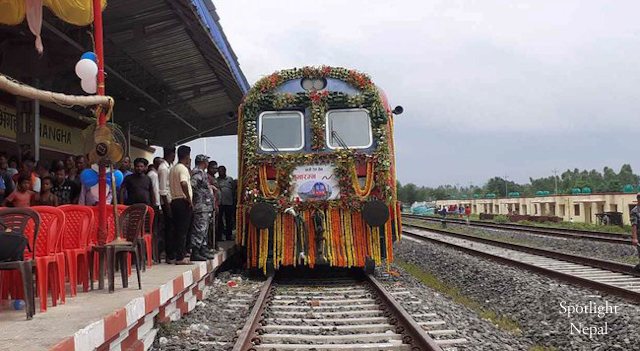
- Development cooperation with Nepal and Maldives.
While China relies heavily on financial investments and infrastructure diplomacy, India emphasizes long-term partnerships, democratic cooperation, and regional stability.
Strategic Competition in South Asia
South Asia has increasingly become a region of strategic competition between India and China.
Countries such as Sri Lanka, Nepal, Bangladesh, and the Maldives often maintain relations with both powers while seeking economic and infrastructure benefits. China’s large-scale infrastructure investments have increased its presence in the region, while India continues to rely on geographical proximity, cultural connections, and development cooperation.
India also plays an important role in humanitarian assistance and disaster relief across South Asia, reinforcing its image as a regional security provider.
Challenges and Strategic Considerations
Despite its growing influence, India faces several foreign policy challenges.
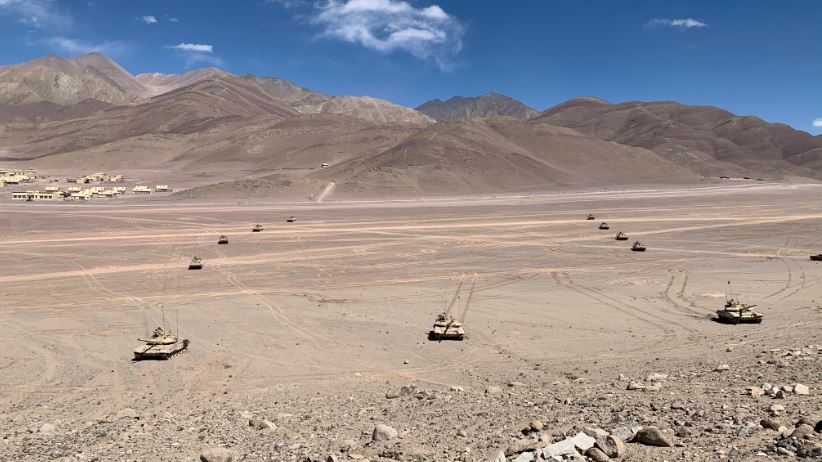
One of the most significant is managing its relationship with China, especially after tensions along the Line of Actual Control (LAC) in recent years. These tensions have reinforced India’s focus on strengthening partnerships with countries such as the United States, Japan, and Australia through platforms like the Quad.
Energy security is another major factor shaping India’s diplomacy. The country imports a large portion of its oil from West Asian nations, making stability in the region essential for economic growth.
Additionally, millions of Indian expatriates work in Gulf countries, and their safety and welfare are important considerations in India’s foreign policy decisions.
The Strategic Importance of the Chabahar Port Project
One of India’s most significant regional connectivity initiatives is the Chabahar Port project in Iran.
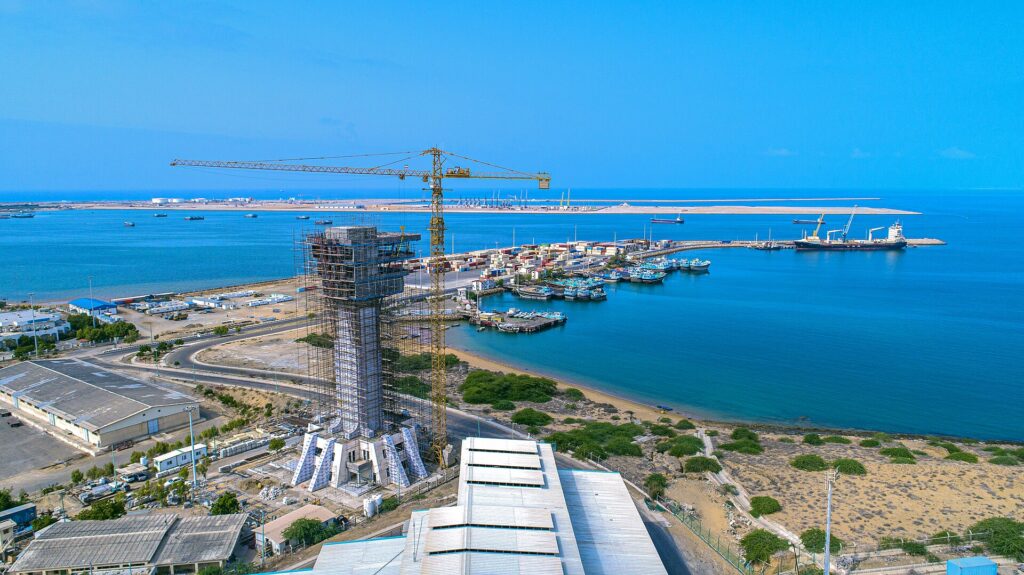
The port provides India with direct access to Afghanistan and Central Asia, bypassing Pakistan. This route is strategically important for expanding trade and strengthening economic cooperation with landlocked Central Asian countries.
India has invested in developing port infrastructure and transport corridors connecting Chabahar to Afghanistan. However, progress has faced delays due to geopolitical factors such as international sanctions on Iran and regional tensions.
Despite these challenges, India has repeatedly reaffirmed its commitment to the Chabahar project. The port is also seen as a strategic counterbalance to China’s investment in Gwadar Port in Pakistan, which forms a key component of the China-Pakistan Economic Corridor.
Future Prospects for India’s Foreign Policy
Looking ahead, India’s foreign policy is expected to focus on strengthening economic partnerships, technological cooperation, and regional connectivity.
As the world moves toward a more multipolar order, India’s ability to maintain strategic autonomy while building global partnerships will remain central to its diplomatic strategy.
India’s growing economy, expanding technological capabilities, and active role in global forums such as the G20, BRICS, and the Quad position it as an increasingly important player in shaping the future geopolitical landscape.