📅April 15, 2026 | By Pulse India News Desk
📊 Sharp Spike in Energy Trade Raises Strategic Questions
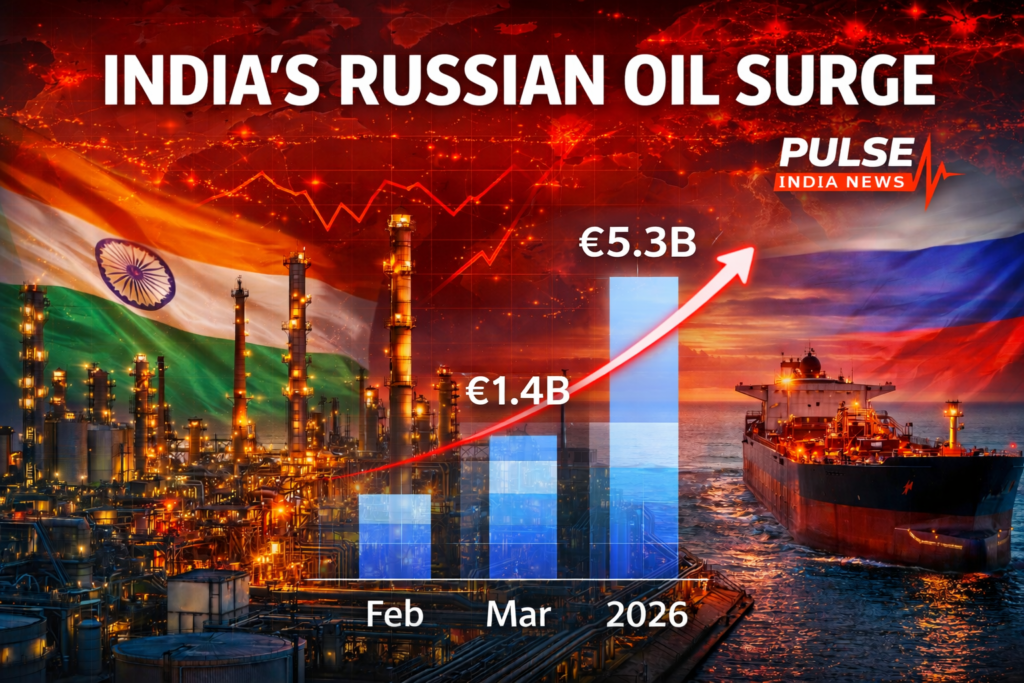
India’s crude oil imports from Russia witnessed a dramatic surge in March 2026, tripling in value compared to the previous month, as global supply chains faced disruptions and geopolitical tensions intensified.
According to energy research data, India imported Russian crude worth over €5.3 billion in March, up from around €1.4 billion in February — marking one of the sharpest monthly increases in recent times.
🌍 Why Did Imports Jump So Sharply?
Middle East Tensions Disrupt Supply
Escalating conflict in West Asia, particularly around critical shipping routes like the Strait of Hormuz, created uncertainty in oil supply flows.
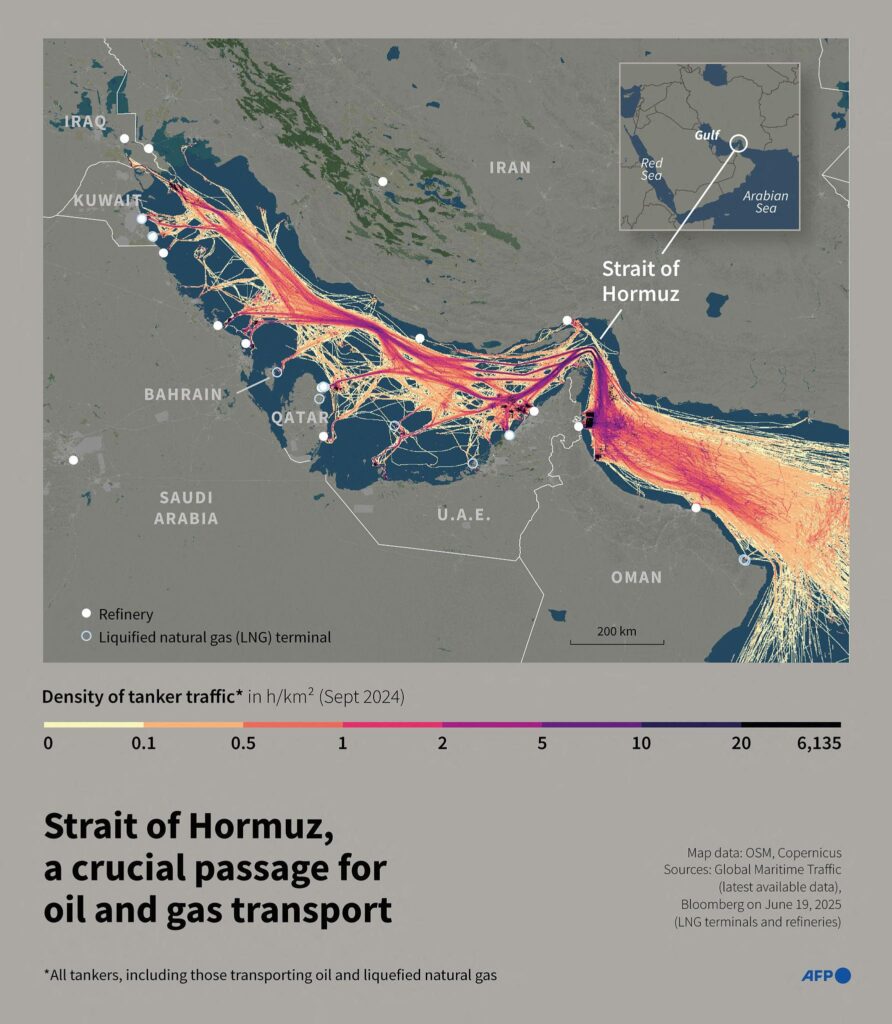
➡️ With risks rising in traditional supply chains, Indian refiners turned aggressively toward Russian crude.
Return of Discounted Russian Oil
Despite sanctions, Russian oil continues to be available at competitive pricing, especially when global crude benchmarks rise.
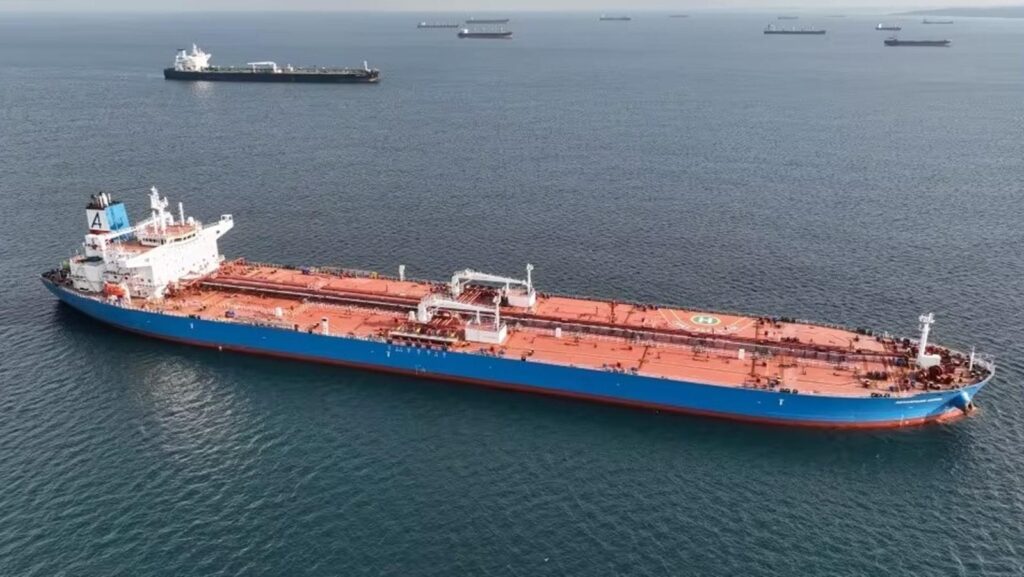
➡️ Indian refiners, including state-run players, resumed large-scale spot purchases to secure supply.
Strategic Diversification by India
India imports over 85% of its crude oil needs, making diversification essential.
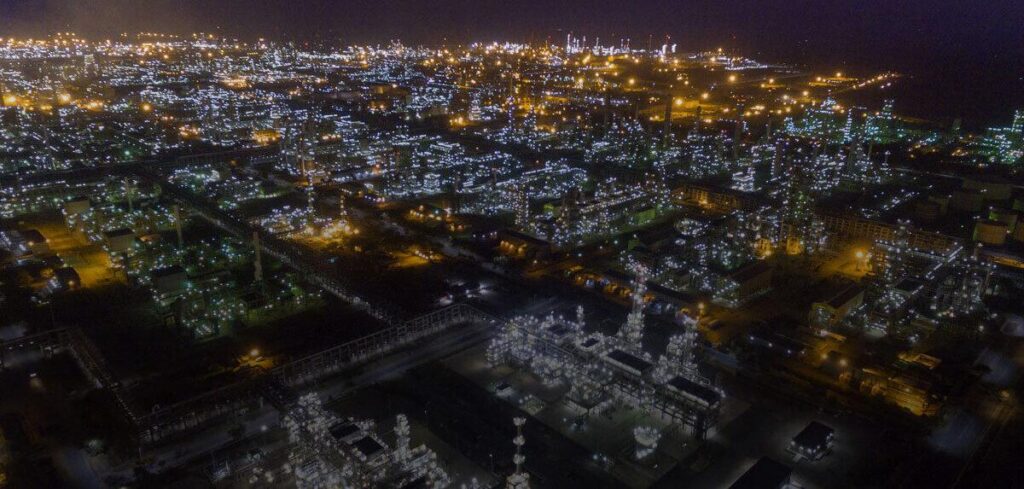
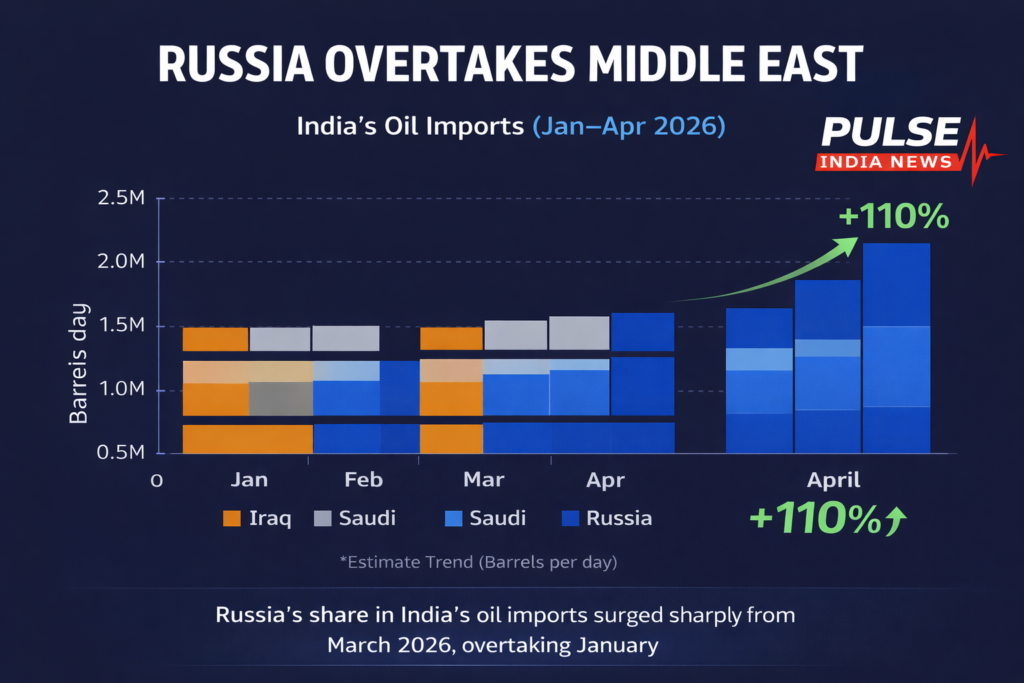
➡️ Russia has now become a key alternative supplier, reducing reliance on Middle Eastern sources.
📉 Is Russian Oil Still Cheap?
Not entirely.
While Russia initially offered heavy discounts post-Ukraine war, the current situation is more complex:
- Global crude prices are rising due to geopolitical risks
- Insurance and shipping costs have increased
- Russian export revenues jumped to ~$19 billion in March
👉 This means India is buying more Russian oil, but not always at deep discounts anymore
⚖️ Strategic Gains vs Hidden Risks
✅ Advantages for India
- Ensures energy security during crisis
- Reduces dependence on volatile Middle East routes
- Maintains steady fuel supply for domestic demand
⚠️ Risks & Concerns
- Higher logistics and insurance costs
- Possible geopolitical pressure from Western nations
- Over-dependence on a limited supplier base
🧠 Final Analysis
India’s surge in Russian oil imports reflects a pragmatic, survival-first energy strategy.
In a world where geopolitics increasingly shapes energy flows, New Delhi appears to be prioritizing:
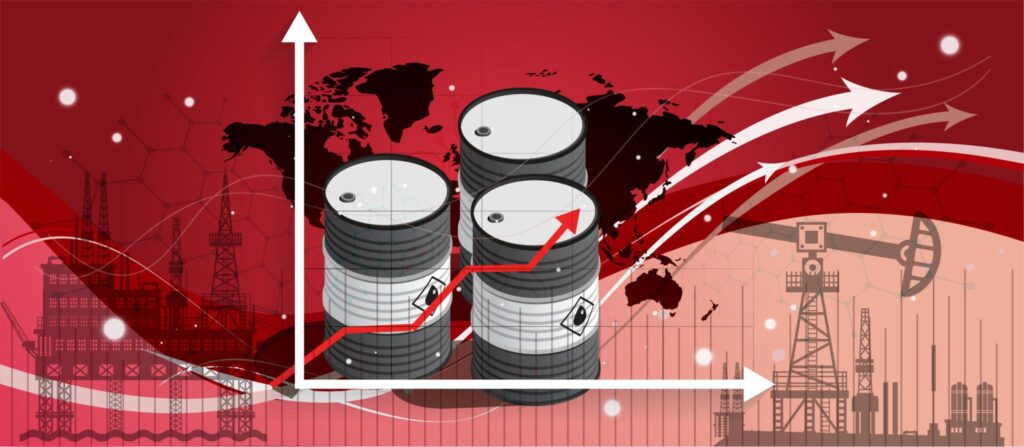
👉 Supply stability over political alignment
👉 Diversification over dependence
However, the long-term challenge remains — balancing affordability, diplomacy, and energy security in an increasingly unstable global oil market.