Death toll crosses 1,050 as tunnel searches and international relief intensify
Thousands remain missing while Nepal, India and international teams race to reach isolated communities and workers feared trapped inside hydropower tunnels.
KATHMANDU: Nepal’s catastrophic flash-flood disaster has entered a critical search-and-recovery phase. More than 1,050 deaths have been reported in Nepal, approximately 4,000 people remain missing and rescue teams are pushing deeper into damaged hydropower tunnels as international assistance expands.
Casualty and missing-person figures remain provisional and may differ by reporting agency and time of publication.
What happened in Nepal?
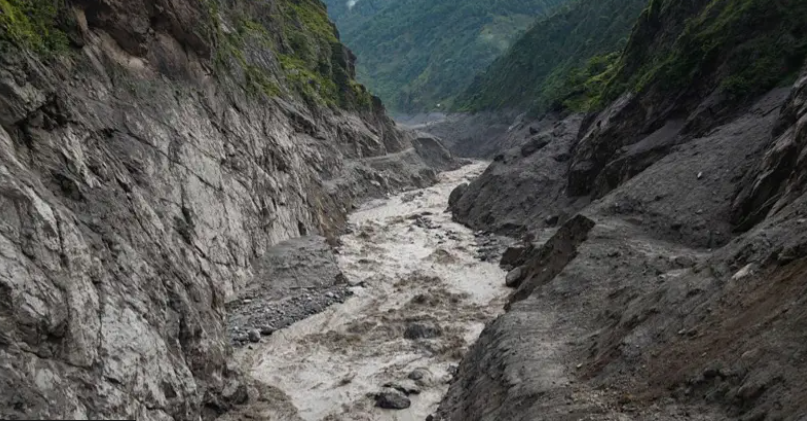
The August 26 disaster followed the collapse of glacial ice in the Himalayan border region, releasing a destructive mixture of water, ice, rock and mud into river valleys below. Settlements, roads, bridges and hydropower installations were struck with extraordinary force.
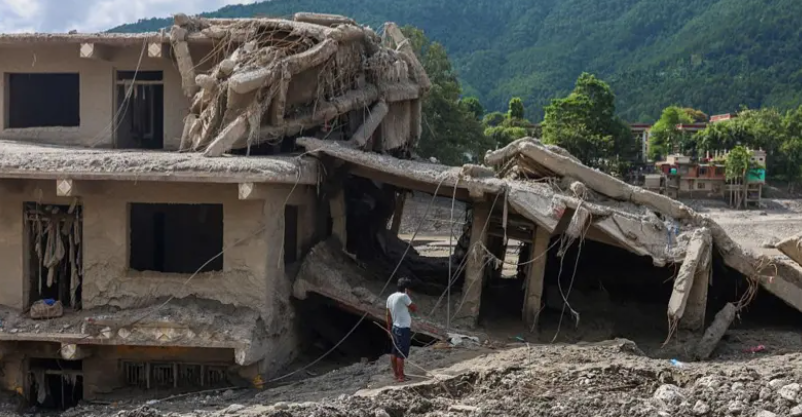
Authorities estimate that the flood left roughly 2.2 million tonnes of debris across affected districts. Entire neighbourhoods were buried or cut off, while damaged roads and communications continue to slow access to remote areas.
Search teams focus on damaged hydropower tunnels
Nepali Army personnel, police officers, the Armed Police Force, medical teams and civilian rescuers have been deployed to search for missing people, evacuate survivors and support the injured and displaced. Specialist teams from India, China and South Korea are assisting operations at difficult tunnel and hydropower sites.
Latest tunnel-search progress
- About 500 workers may be trapped inside tunnels serving 12 damaged hydropower projects.
- Search teams have entered approximately 200 metres into Upper Trishuli-1.
- Rescuers have advanced about 150 metres inside the Langtang tunnel and 50 metres inside Chilime.
- The Rasuwagadhi tunnel was cleared and searched, but no survivors or bodies were found.
- The Nepali Army says 279 people were rescued from hydropower projects in the immediate aftermath.
Thick mud, standing water, damaged portals, collapsed internal sections and poor ventilation are making the underground operation exceptionally dangerous. Drones and specialist equipment can assist reconnaissance, but narrow and winding tunnels limit their effectiveness.
Families search for the missing
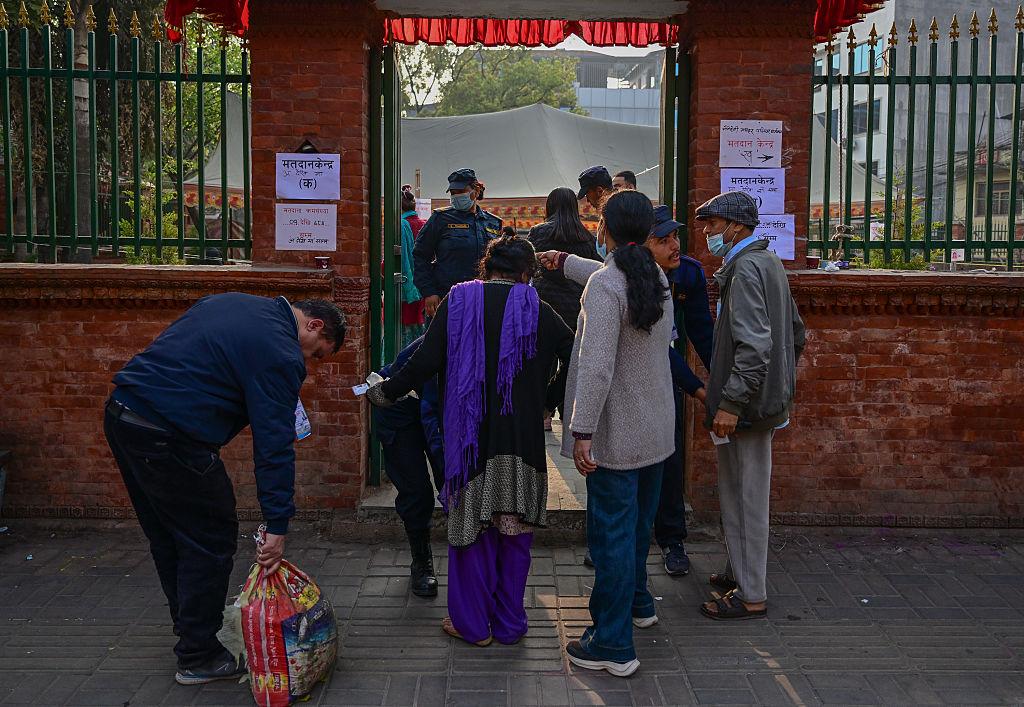
In Kathmandu, photographs and personal details of missing people have been placed on hospital walls as relatives search for news. Authorities are collecting photographs, identifying information and DNA samples from families to help match victims whose bodies cannot be recognised visually.
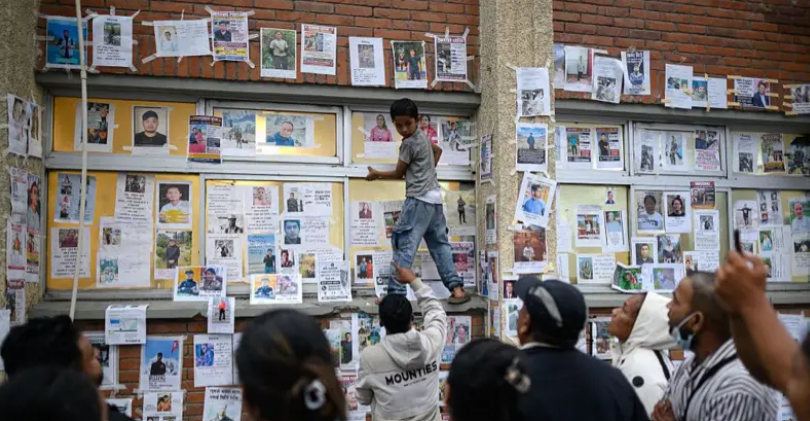
With mortuaries overwhelmed, authorities have begun burying unidentified victims after preserving DNA samples and personal records. The process is intended to allow future identification while addressing urgent public-health and storage pressures.
Kathmandu mourns the victims
Public vigils have become a focal point for collective grief. Residents have lit traditional oil lamps and placed floral offerings in remembrance of those killed, while families of the missing continue to wait for answers.

Homes, power projects and essential infrastructure destroyed
The flood damaged homes, bridges, roads, power infrastructure and communications across the affected region. Many families have been left without safe housing, while debris and unstable slopes continue to threaten recovery crews.
Damage to hydropower projects has affected an estimated 10% of Nepal’s electricity-generation capacity.
Destroyed roads and bridges have isolated communities and complicated the movement of heavy rescue equipment.
Mud, debris and structural collapse have displaced families and created an urgent requirement for shelter materials.
Clearing millions of tonnes of debris and rebuilding energy and transport links will require sustained international support.
How the international community has responded
Nepal says it has received assistance from India, China, the United States, the UAE, Qatar, Japan, Switzerland and Australia. International teams are providing finance, emergency supplies, consular support, forensic expertise and specialist tunnel-rescue capabilities.
The UK announced £5 million for emergency relief and offered specialist emergency responders.
Canada committed C$5 million to support food, emergency shelter, clean water, sanitation and health services through humanitarian partners.
The US announced more than US$3.6 million in humanitarian assistance, including emergency food support for affected households.
Four relief flights have reached Kathmandu. The fourth carried 11 tonnes of assistance, a tunnel-technical contingent with rescue equipment, and forensic experts equipped for DNA analysis.
Seoul is sending a 44-member disaster-relief team for approximately 10 days and has announced humanitarian assistance through international organisations.
Chinese specialists, supplies and technical support are assisting cross-border rescue work, tunnel searches and victim identification.
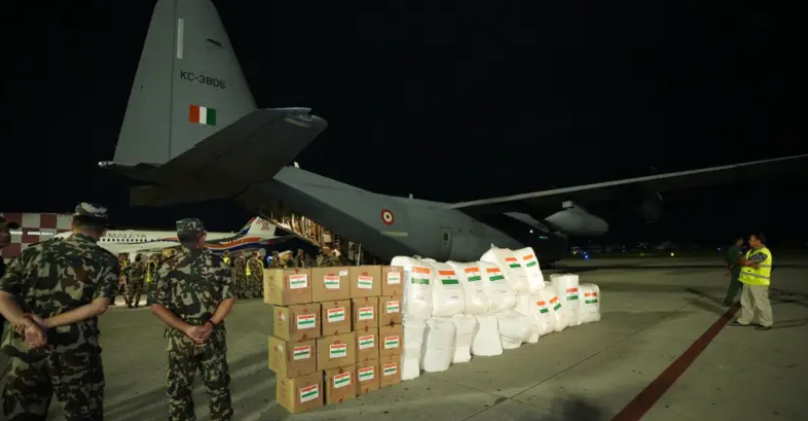
India rescue update
India’s Ministry of External Affairs said 163 Indian nationals had been rescued in Nepal by September 1, an increase of five from the previous day. Another 151 Indians were reported to have left China during the latest movement. Authorities have not yet published a fully reconciled, updated total for Indians who remain uncontactable.
What happens next?
- Rescue teams will continue clearing hydropower tunnels and searching isolated settlements.
- DNA collection and forensic identification will remain central to establishing the identities of victims.
- Engineers must assess unstable slopes, damaged bridges, blocked roads and hydropower facilities before reconstruction accelerates.
- Emergency shelter, clean water, sanitation and medical care will be required for displaced communities.
- Authorities will continue monitoring rivers, landslides and glacier-related hazards for signs of further flooding.
Separate agencies are updating casualty, missing-person and nationality lists at different times. Pulse India News will revise this report when Nepalese and foreign authorities release reconciled figures.