📅April 20, 2026 | By Pulse India News Desk
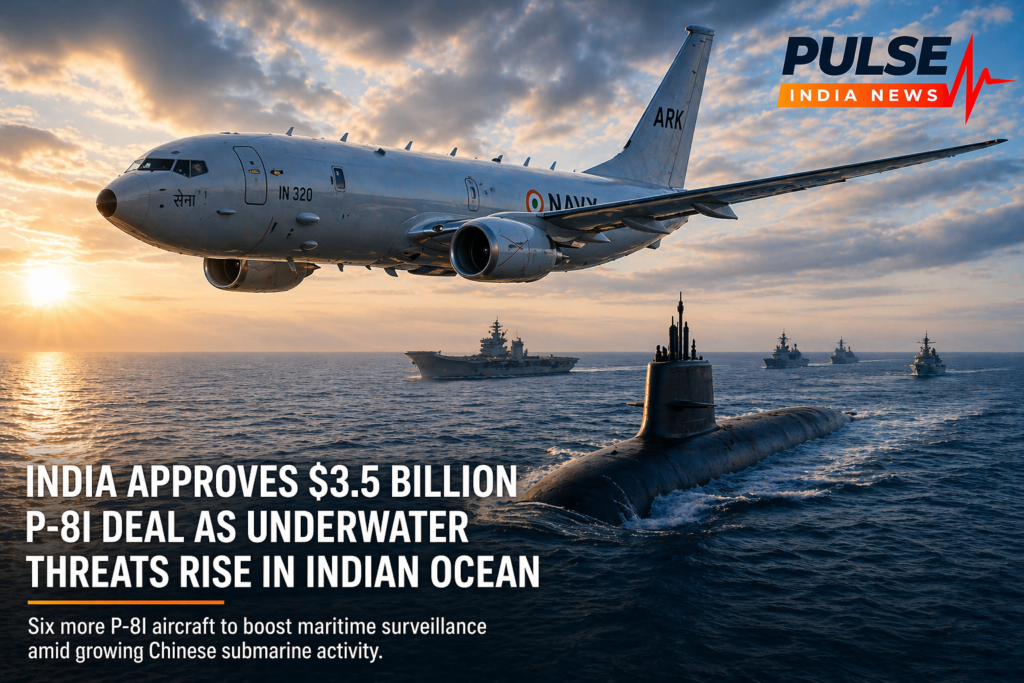
India has approved a $3.5 billion defence deal to expand its P-8I fleet, as concerns grow over increasing Chinese submarine activity in the Indian Ocean.
The decision comes at a time when control over the Indian Ocean is becoming central to regional security and trade stability.
While the price tag has drawn attention, the broader concern lies beneath the surface, quite literally.
🌊 A Silent Contest Beneath the Ocean
Over the past few years, the Indian Ocean has emerged as a new arena of strategic competition. Chinese naval presence, once limited, is now expanding steadily through submarine patrols, intelligence-gathering vessels, and dual-use maritime infrastructure across key locations.
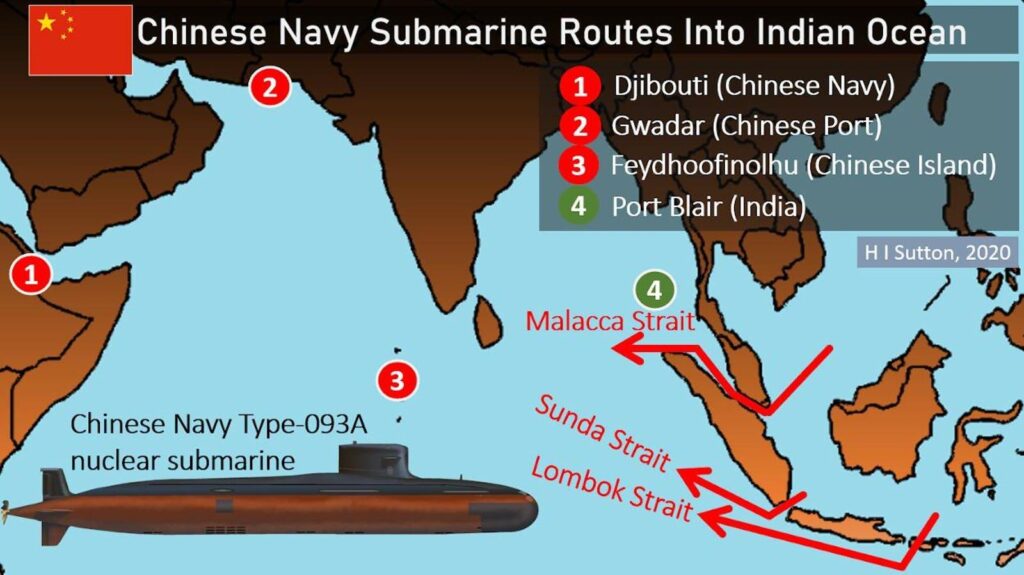
For India, this shift is deeply consequential.
The Indian Ocean is not just a geographical space, it is the country’s economic backbone. A vast majority of India’s trade, including critical energy imports, flows through these waters. Any disruption, even temporary, could have ripple effects across the economy.
Security planners increasingly believe that future conflicts may not begin in the skies or on land, but underwater – where submarines operate undetected for long durations.
✈️ Why the P-8I Matters More Than Ever
Beyond its surveillance role, the P-8I has emerged as one of the Indian Navy’s most decisive force multipliers in recent years. Its ability to operate over vast ocean distances for extended durations allows India to maintain a constant watch over critical sea lanes.
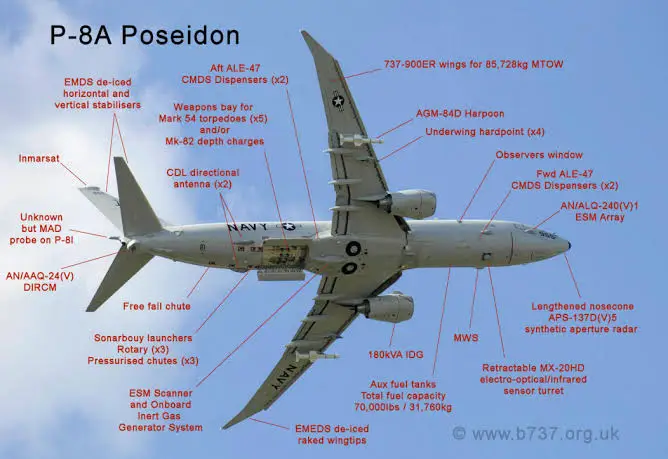
What sets the aircraft apart is not just its reach, but its precision. Equipped with advanced sensors and real-time data systems, it can detect even quiet, deep-sea submarines, a capability that is becoming increasingly important as underwater threats grow more sophisticated.
The aircraft also integrates seamlessly with naval fleets, enabling coordinated operations between warships, submarines, and aerial assets. This networked capability ensures that any potential threat can be tracked and responded to faster than ever before.
In strategic terms, the P-8I does not just enhance India’s surveillance, it significantly improves its ability to deter adversaries by ensuring that movements beneath the ocean surface do not go unnoticed.
📊 How Many P-8I Aircraft Does India Currently Have?
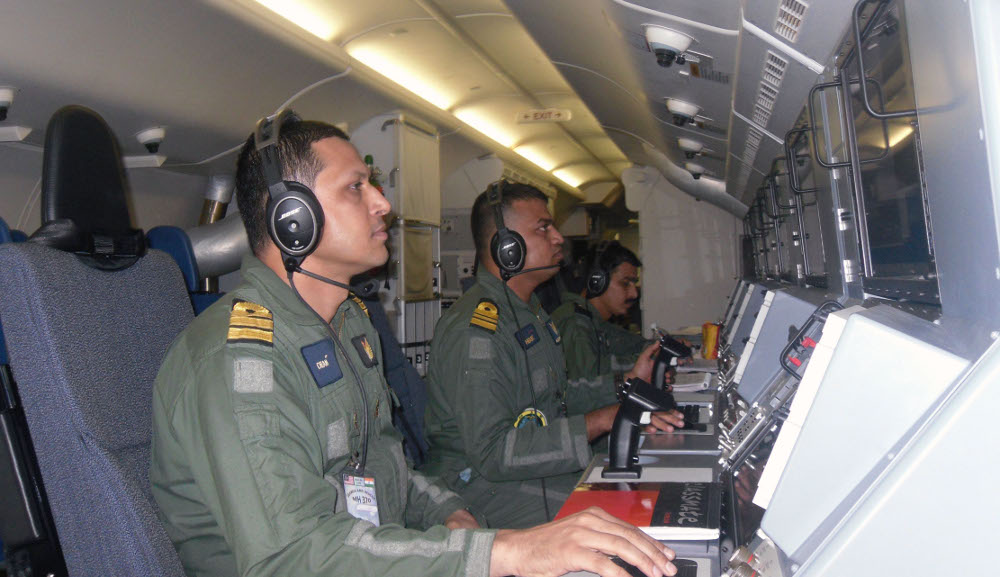
India currently operates 12 P-8I aircraft, and the new deal will expand the fleet to 18, significantly improving round-the-clock surveillance capability.
The proposed deal for six additional aircraft would take the total strength to 18, a number that naval planners believe is essential to maintain continuous surveillance across the vast Indian Ocean region.
Despite their proven effectiveness, the current fleet is considered insufficient to cover multiple high-risk zones simultaneously , especially as submarine activity in the region continues to expand.
⚠️ Rising Costs, But Higher Stakes
What makes the deal notable is the sharp increase in cost compared to earlier acquisitions. Industry factors such as global supply chain disruptions, rising production costs, and advanced system upgrades have pushed prices significantly higher.
Yet, India has chosen to proceed.
Officials indicate that delaying or scaling back the acquisition could create surveillance gaps, something the Navy can ill afford at a time when regional maritime activity is intensifying.
In strategic terms, the cost of inaction may be far greater than the cost of procurement.
🌏 A Broader Strategic Signal
Beyond operational needs, the deal also carries geopolitical weight.
It reinforces India’s growing defence cooperation with the United States, underlining a shared interest in maintaining stability across the Indo-Pacific region.
At the same time, it signals India’s intent to actively monitor and counter any expanding military footprint in its maritime neighbourhood.
For China, which has been steadily increasing its naval reach, the message is clear: the Indian Ocean will remain under close watch.
🔍 A Shift Towards Surveillance-Led Defence
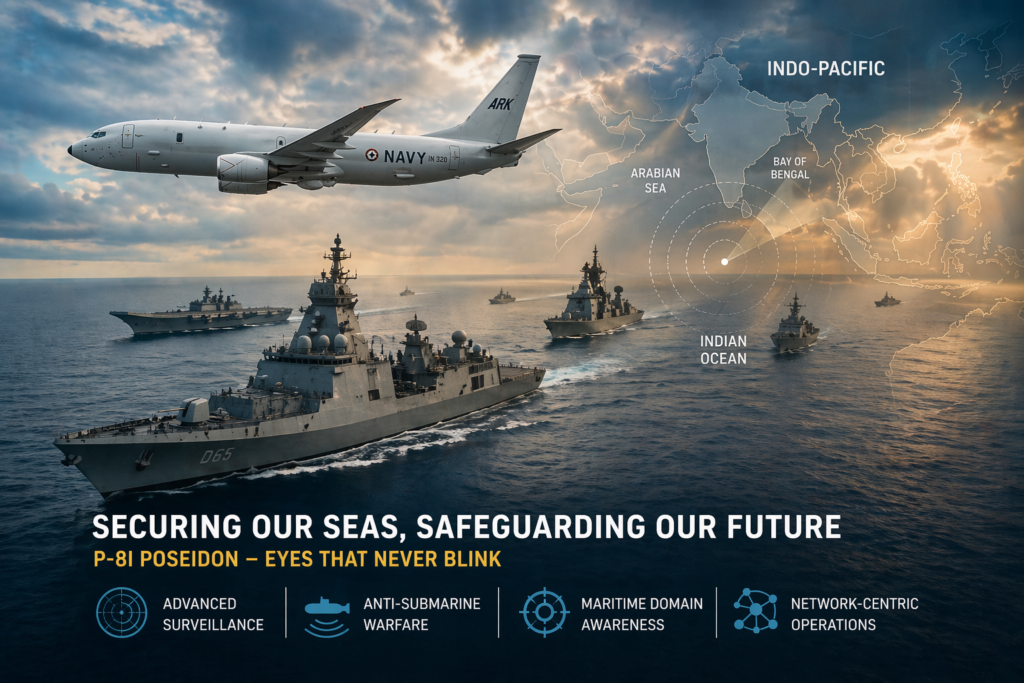
India’s investment in the P-8I fleet reflects a larger shift in military thinking, one that prioritises information and early detection over reactive force.
In modern conflict scenarios, the side that identifies threats first often gains a decisive advantage. Surveillance platforms like the P-8I are therefore not just support assets, but central to strategic planning.
As underwater activity intensifies and maritime competition deepens, India appears to be preparing for a future where dominance will depend less on visibility — and more on the ability to see what remains hidden.
📌 The Bottom Line
India’s $3.5 billion decision is not just about buying aircraft. It is about securing visibility across one of the world’s most critical oceans, at a time when the balance of power beneath its waters is quietly shifting.
With underwater threats increasing, such surveillance systems are expected to play a decisive role in future maritime conflicts.