📅July 30, 2026 | By Pulse India News Desk
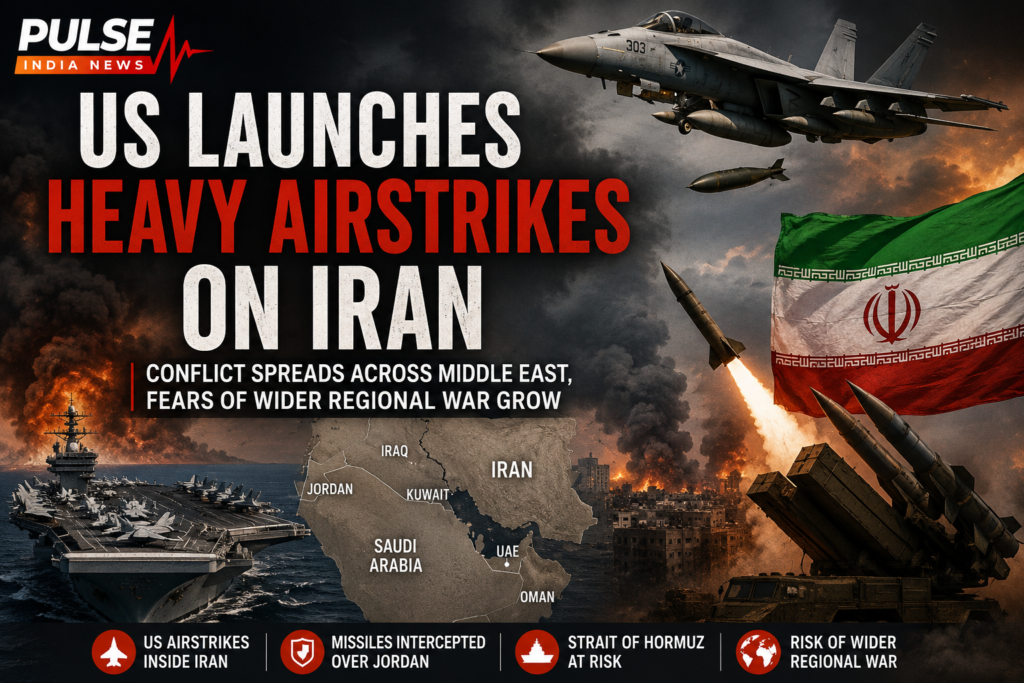
American forces targeted Iranian military facilities after missiles were launched towards US positions in Jordan and other regional locations. Saudi Arabia has also joined operations against Iran-backed groups in Iraq as diplomatic efforts continue.
The United States has launched a fresh wave of heavy airstrikes against targets in Iran following renewed Iranian missile and drone attacks on American military positions and Washington’s regional allies.
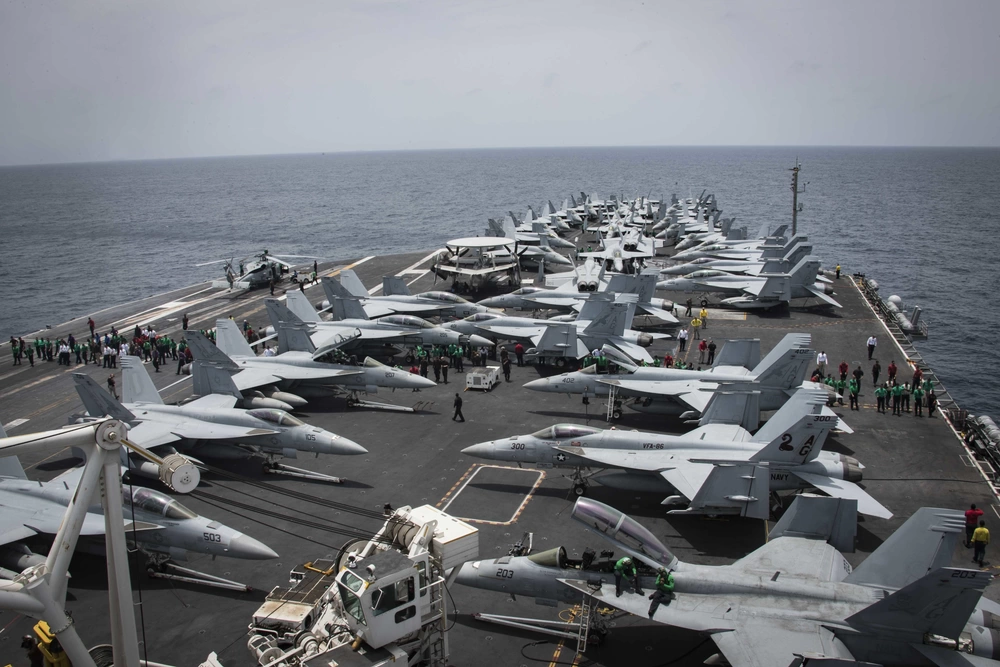
oss the flight deck of the USS Harry S. Truman while the US Navy aircraft carrier operates at sea. File PhotographThe strikes mark a significant escalation after a brief reduction in military operations had raised hopes that the five-month conflict could move towards negotiations.
US military operations reportedly targeted facilities associated with Iran’s Islamic Revolutionary Guard Corps, including missile and drone infrastructure in different parts of the country. Iranian locations in Khuzestan province and on Qeshm Island, near the strategically important Strait of Hormuz, were among the areas reported to have been struck.
Iranian missiles intercepted over Jordan
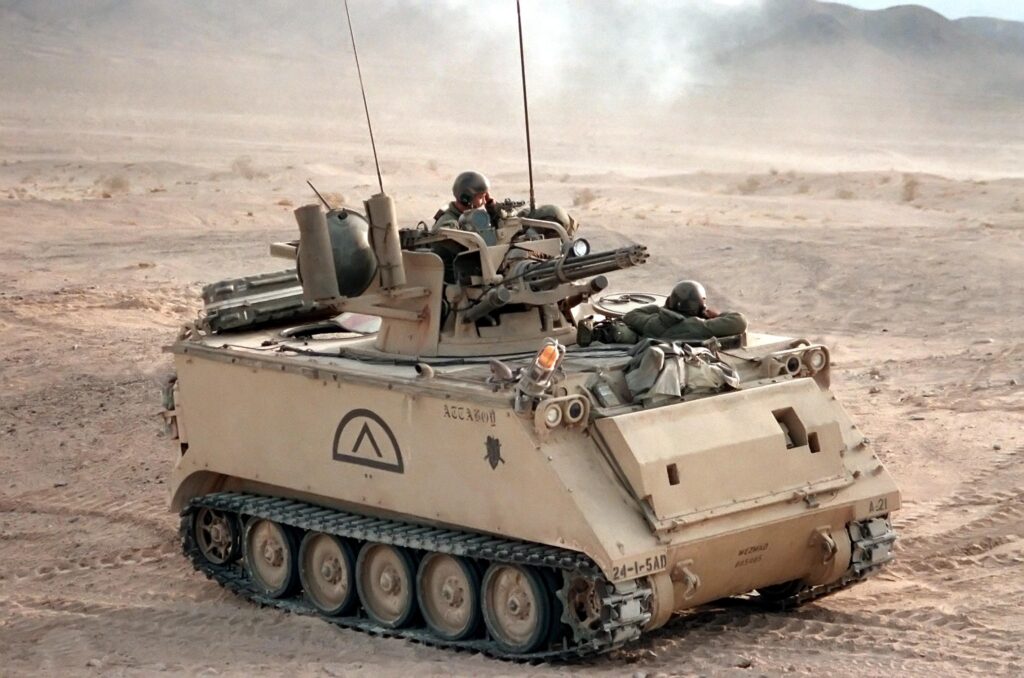
The latest American action followed Iranian missile attacks directed towards US forces in Jordan.
Jordan’s armed forces said that its air-defence systems intercepted five missiles entering the country’s airspace. Authorities reported no casualties from the intercepted attack.
Iran has repeatedly said that American military facilities across the Middle East could be targeted in response to US strikes on Iranian territory.
The confrontation has increasingly placed countries hosting American military personnel in the direct path of the conflict, even as several regional governments continue calling for de-escalation.
Kuwait and Egypt drawn into expanding crisis
The conflict is also spreading beyond Iran and Jordan.
An Iranian strike reportedly hit a site associated with a Chinese company in Kuwait, killing a Nepalese worker. Iran’s Islamic Revolutionary Guard Corps also claimed attacks against the Ali al-Salem Air Base in Kuwait.
Meanwhile, drones struck Egypt’s Damietta port, causing a fire and damaging vessels reportedly linked to American interests. No organisation immediately claimed responsibility for the attack.
The incident represents another worrying expansion of the conflict into a country that had largely remained outside the direct military confrontation.
US and Saudi Arabia strike militias in Iraq
Saudi Arabia has become more directly involved after drone attacks targeted the kingdom’s oil infrastructure.
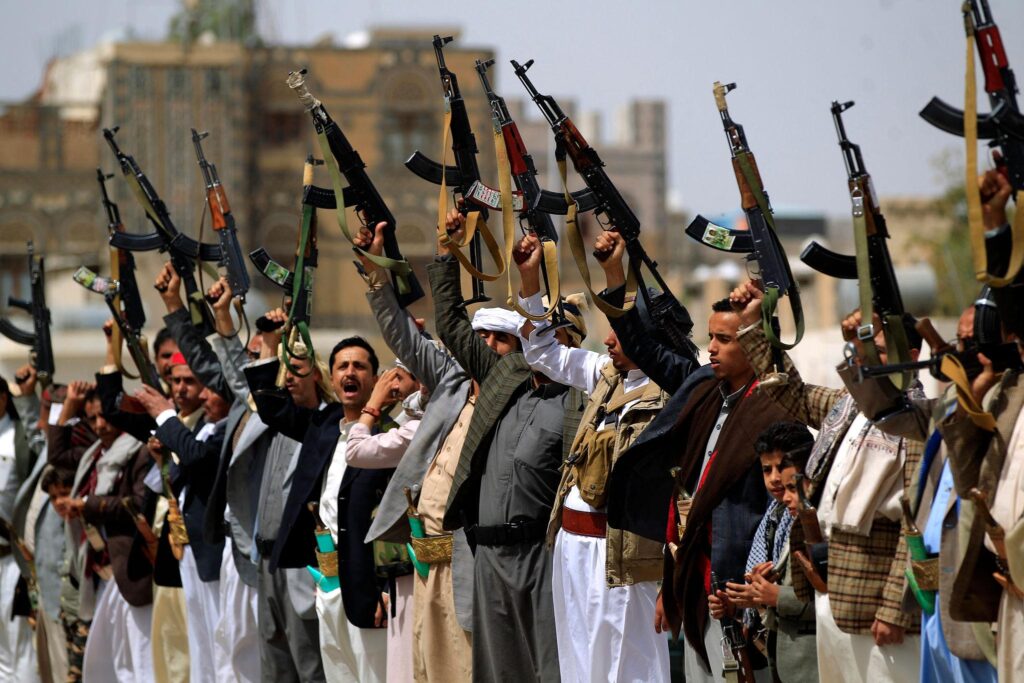
US and Saudi forces reportedly carried out coordinated strikes against Iran-backed armed groups operating in Iraq. Regional officials have alleged that recent attacks against Saudi Arabia involved cooperation between Yemen’s Houthi movement and Iraqi militias under Iranian coordination.
The growing military cooperation between Iran-aligned groups across Yemen and Iraq has raised concerns that the conflict is evolving into a wider confrontation involving multiple countries and armed organisations.
Critical shipping routes under threat
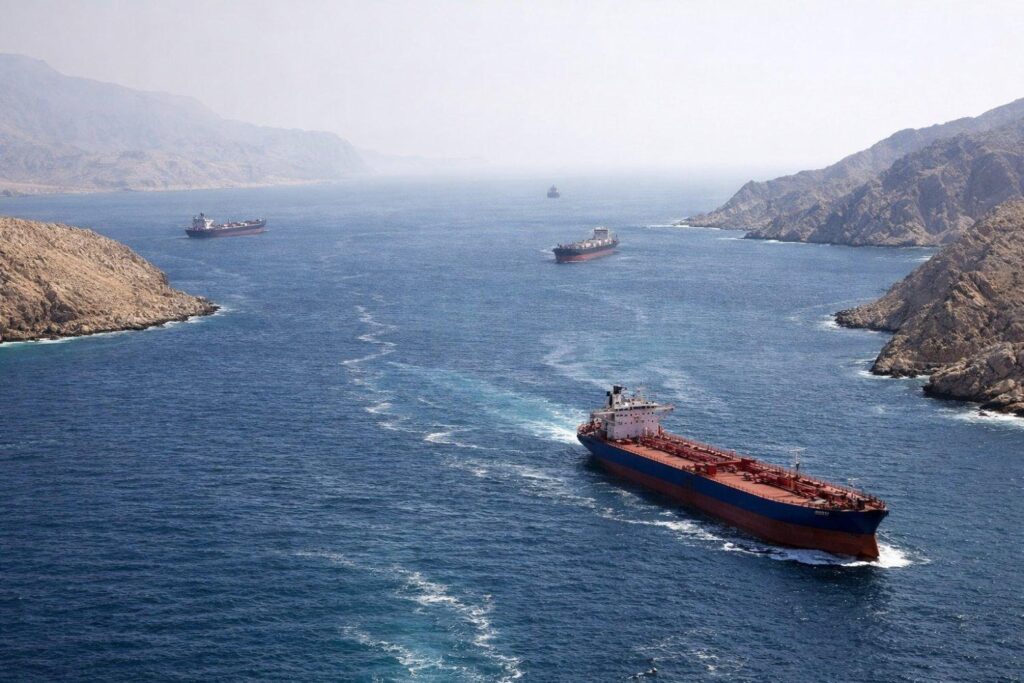
The fighting is creating renewed risks for shipping through the Strait of Hormuz, the Red Sea and the Bab el-Mandeb Strait.
These waterways are vital for international energy supplies and commercial trade. Any prolonged disruption could delay shipments, increase insurance costs and push global fuel prices higher.
Oil prices rose sharply after the renewed military exchange. Brent crude reportedly climbed above $90 a barrel as traders reacted to the possibility of supply disruptions and further attacks on energy infrastructure.
Regional stock markets also came under pressure. Markets in Qatar, Dubai and Egypt recorded declines as investors assessed the growing security risks and their potential effect on energy supplies and economic activity.
Diplomatic contacts continue despite strikes
Despite the renewed attacks, diplomatic efforts between Washington and Tehran have reportedly not ended.
Pakistan has said that contacts aimed at negotiating a settlement are continuing. However, the latest exchange of missiles and airstrikes has reduced expectations of an immediate breakthrough.
Both sides appear to be combining military pressure with indirect diplomatic communication, creating uncertainty over whether negotiations can produce a ceasefire before the conflict expands further.
Risk of a wider regional war
The direct involvement of Jordan, Saudi Arabia, Kuwait, Iraq and Egypt illustrates how rapidly the conflict is spreading across the Middle East.
Further attacks on military bases, ports, oil installations or commercial vessels could draw additional countries into military operations. The situation also threatens global energy markets at a time when several strategically important shipping routes are already facing disruption.
International attention will now focus on whether diplomatic contacts can slow the escalation or whether the latest US strikes will trigger another round of Iranian retaliation.
This is a developing story. Details regarding casualties, military targets and responsibility for individual attacks may change as official information becomes available.