📅July 25, 2026 | By Pulse India News Desk
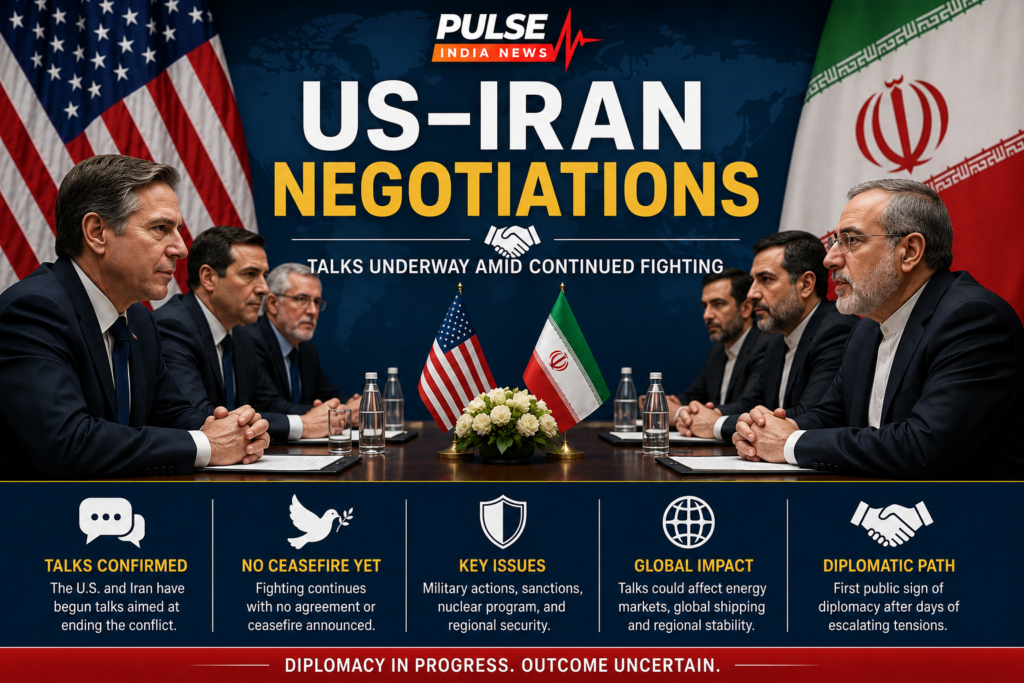
The US president says Washington and Tehran are holding talks aimed at ending the conflict, but no ceasefire or final agreement has been announced.
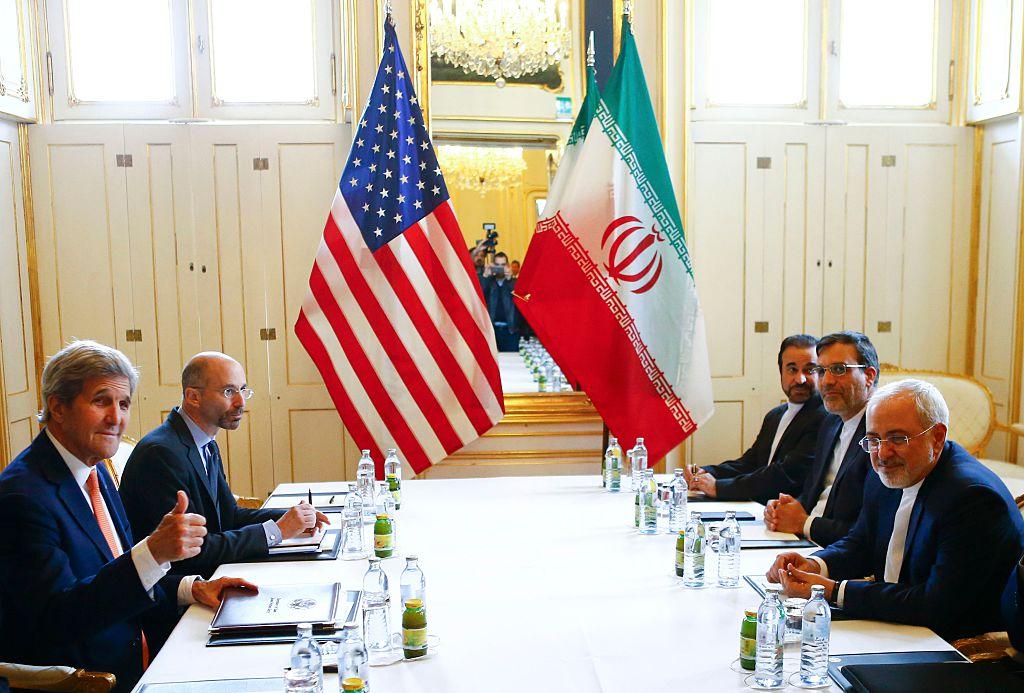
Washington: United States President Donald Trump has said the US and Iran are holding talks aimed at negotiating an end to their conflict, even as military strikes and retaliatory attacks continue.
Trump said Tehran appeared to be approaching the discussions more seriously than before, but cautioned that Iran was not yet ready to reach an agreement.
The comments mark the first publicly acknowledged indication of active negotiations after days of escalating military action. However, there has been no announcement of a ceasefire, formal peace framework or final deal.
What We Know
- The United States says talks with Iran have begun.
- Trump says Tehran appears more serious about negotiations.
- No ceasefire or final agreement has been announced.
- US strikes and Iranian retaliatory attacks are continuing.
- The conflict could affect regional security, shipping and energy markets.
Trump Says Iran Is Taking Talks More Seriously
Speaking to reporters at the White House, Trump said communication with Iranian officials was underway and suggested Tehran was showing greater seriousness than during previous diplomatic efforts.
“We are talking to them. I think they’re being serious.” Donald Trump, President of the United States
Trump nevertheless warned that the discussions might not result in an agreement. His comments indicated that diplomatic contacts had started, but major political and security disagreements remained unresolved.
No Ceasefire or Formal Framework Yet
There has been no official announcement of a ceasefire, signed agreement or detailed negotiating framework between Washington and Tehran.
The identities of the negotiators, the location of the talks and the precise format of the discussions have not been publicly disclosed.
It also remains unclear whether US and Iranian representatives are communicating directly or through intermediaries.
Important Context
The start of diplomatic talks does not mean that a peace agreement has been reached. Military operations are continuing, and neither side has announced a suspension of attacks.
Fighting Continues Alongside Diplomacy
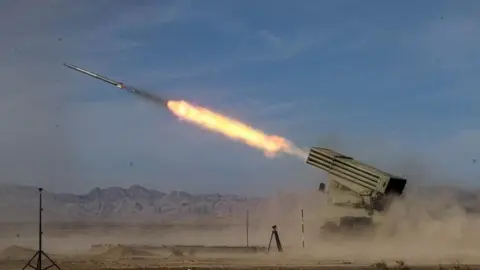
The diplomatic comments came as military operations involving the United States and Iran continued.
US forces have carried out strikes against Iranian military and strategic infrastructure, while Tehran has responded with retaliatory attacks targeting American interests and positions in the region.
The continuation of hostilities means that negotiations and military pressure are proceeding at the same time.
Why the Talks Matter
Any credible negotiating process between Washington and Tehran could have consequences extending beyond the two countries.
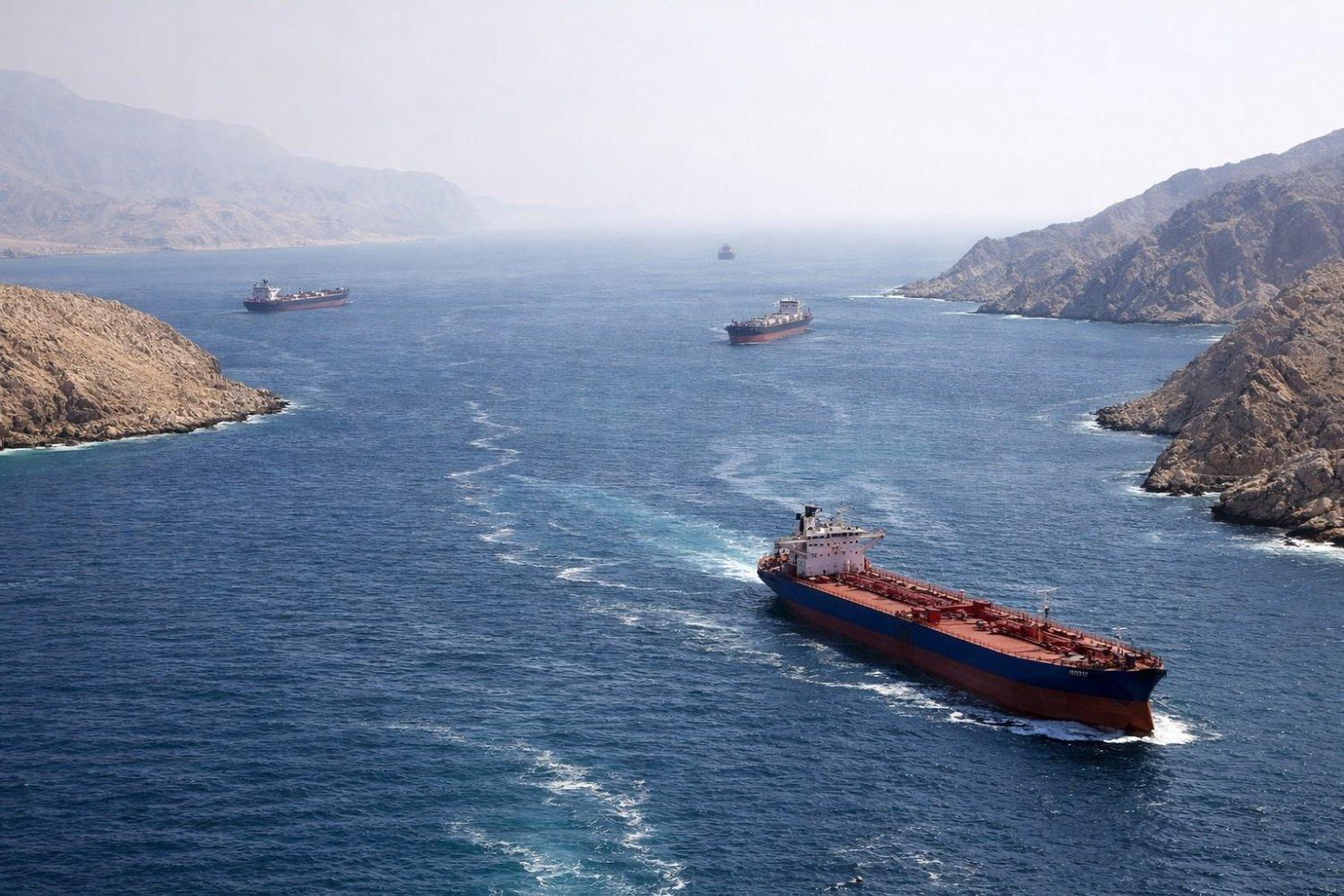
The conflict has raised concerns about the safety of commercial vessels and energy shipments travelling through the Persian Gulf and the Strait of Hormuz.
The Strait of Hormuz is one of the world’s most important maritime energy routes. Any prolonged disruption could affect international oil and gas supplies, increase insurance costs and place additional pressure on global energy prices.
Diplomatic Opening, but No Breakthrough Yet
The public acknowledgement of talks gives both sides a possible route towards de-escalation, but the continuation of military attacks shows that the negotiations remain at an early stage.
A credible breakthrough would likely require visible steps such as a temporary reduction in attacks, the appointment of formal negotiating teams or the exchange of written proposals.
Impact on Shipping and Energy Markets
Further escalation could disrupt commercial shipping across the Persian Gulf, the Gulf of Oman and nearby waterways.
Shipping companies could face higher insurance premiums, increased security costs and longer journeys if the threat to commercial vessels continues.
Oil markets may also react sharply to any indication that Iranian exports or major maritime routes could be disrupted.
Major Obstacles Remain
The United States and Iran would still need to resolve deep disagreements over military operations, economic sanctions, regional influence and Tehran’s nuclear programme before reaching a lasting settlement.
Years of mistrust between the two governments could make it difficult to convert preliminary communication into a binding agreement.
Previous diplomatic efforts have repeatedly stalled, with both sides accusing the other of failing to meet commitments or using negotiations to gain time.
Could the Talks Lead to a Ceasefire?
The opening of diplomatic communication creates a possible route towards de-escalation, but there is currently no confirmation that an immediate ceasefire has been agreed.
A meaningful breakthrough would probably require both governments to announce concrete and verifiable measures.
What Happens Next?
Attention will now turn to whether the discussions produce any of the following:
- A temporary halt or reduction in military attacks
- The appointment of official negotiating teams
- An exchange of written diplomatic proposals
- Mediation by a third country
- Security guarantees for regional bases and shipping routes
- Talks on sanctions and Iran’s nuclear programme
Until such measures are announced, the discussions should be viewed as an early diplomatic opening rather than a confirmed peace process.
Uncertain Path Ahead
Trump’s comments mark the clearest public acknowledgement that Washington and Tehran are exploring a negotiated end to the conflict while military operations remain underway.
The talks could eventually reduce tensions and protect global trade and energy supplies. However, the absence of a ceasefire and the continuation of attacks show that the situation remains uncertain.
The coming days could determine whether the diplomatic channel develops into meaningful negotiations or whether the conflict enters a more dangerous phase.