
📅April 16, 2026 | By Pulse India News Desk
Pakistan’s ambitious plan to push rice exports to $10 billion is not just an economic move, it is a strategic gamble in an increasingly competitive and climate-sensitive global market.
While infrastructure upgrades and policy support provide momentum, deep structural challenges could ultimately decide success or failure.
📊 Current Position: Strong but Under Pressure
Pakistan currently exports around $4 billion worth of rice annually, making it one of the world’s key suppliers.
However, recent trends highlight serious vulnerabilities.
- Export Drop (~40%)
A significant decline driven by global price competition shows how sensitive Pakistan’s exports are to international market fluctuations. - Limited Market Diversification
Heavy reliance on a few regions means that any demand slowdown in those markets can sharply impact overall exports. - Price Pressure from Competitors
Countries like India can offer more competitive pricing, forcing Pakistan to either reduce margins or risk losing buyers.
👉 This makes the $10 billion target not just expansion, but also a recovery effort.
🚢 Infrastructure Push: Ports as Growth Engine
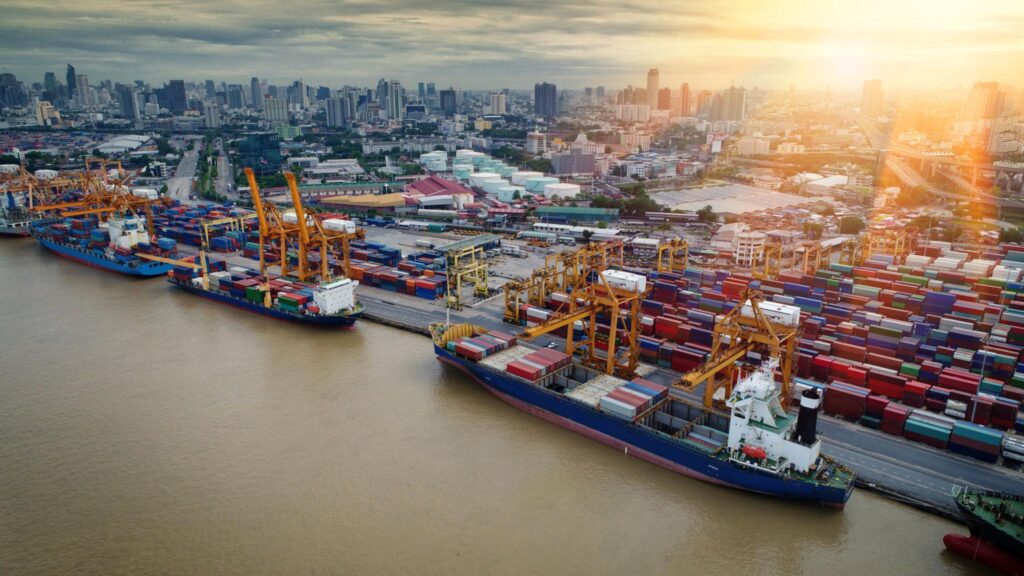
Pakistan is investing heavily in logistics to support export growth, especially through port modernization.
- Karachi Port Upgrades
Expanding capacity and dredging allows larger vessels to dock, improving export efficiency and handling volumes. - Faster Ship Turnaround (~2 Days)
Reducing waiting time lowers costs for exporters and makes Pakistan more competitive globally. - Improved Cargo Handling
Streamlined processes ensure quicker movement of goods, reducing delays and improving reliability. - Bunkering Services Introduction
Providing fuel to ships can attract more maritime traffic, indirectly boosting trade activity and port revenue.
👉 However, logistics improvements alone cannot solve deeper agricultural challenges.
🌾 India Challenge: The Basmati Powerhouse
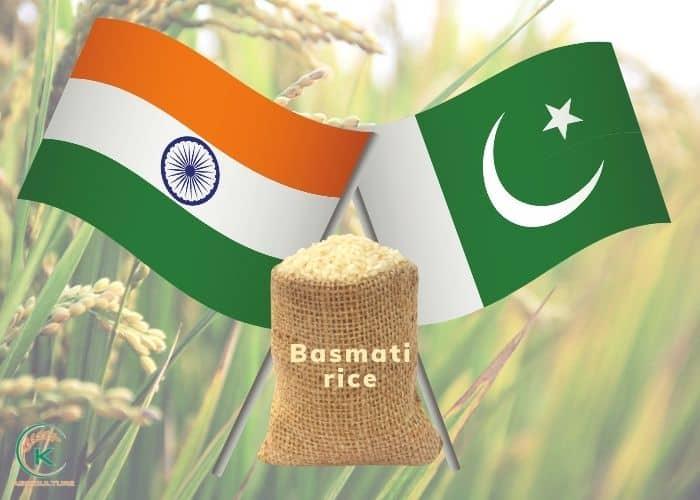
India remains Pakistan’s biggest competitor in the global rice market, and currently holds a clear advantage.
- Scale Advantage
India controls over 40% of global rice exports, allowing it to influence international pricing trends. - High-Quality Basmati Perception
Indian Basmati is often seen as more consistent in grain quality, giving it a stronger premium positioning. - Stronger Supply Chains
Efficient logistics and export systems ensure reliable deliveries, which global buyers prefer. - Better Market Branding
India has built long-term trust with international buyers, making it easier to secure contracts.
👉 Pakistan still produces premium Basmati, but consistency and branding gaps affect competitiveness.
💧 Indus Water Dependency: A Strategic Vulnerability
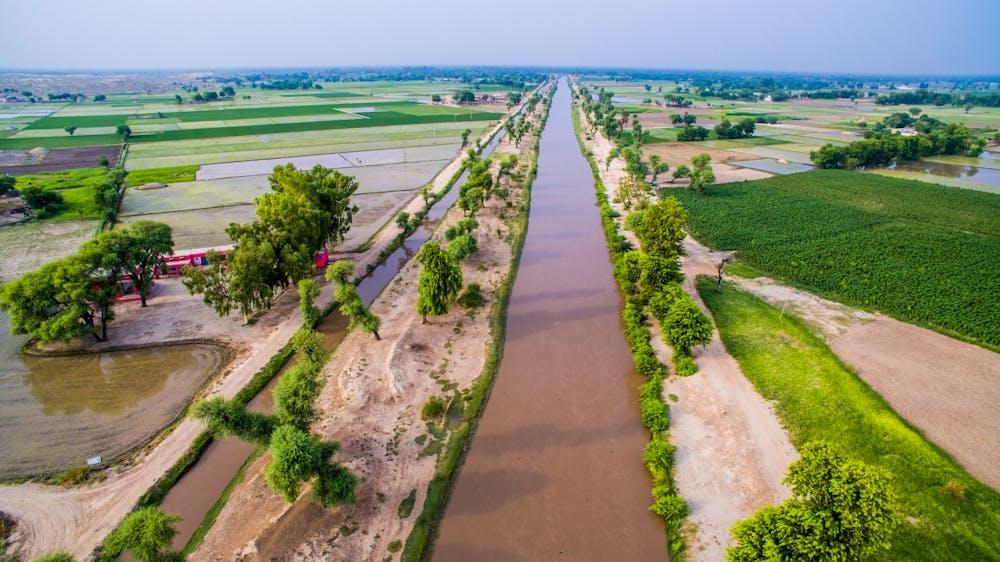
Pakistan’s agriculture heavily depends on the Indus river system, making water availability a critical risk factor.
- High Dependence (~80%)
A large portion of farmland relies on Indus waters, leaving limited alternatives for irrigation. - Geopolitical Sensitivity
The Indus Waters Treaty governs water sharing, and any tensions or disruptions can affect long-term water security. - Direct Impact on Crop Yield
Reduced water availability affects both the quantity and quality of rice production.
👉 This makes Pakistan’s export ambitions closely tied to water stability.
🌪️ Climate & Disaster Risks: The Biggest Uncertainty
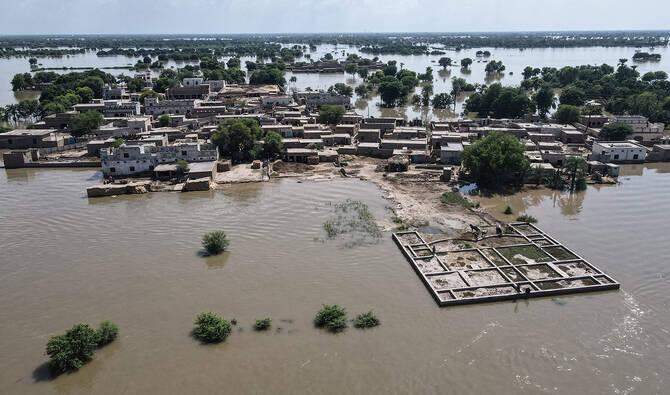
Pakistan’s agriculture faces increasing threats from climate change and natural disasters, making future output unpredictable.
- Floods
Large-scale flooding can destroy crops rapidly and damage infrastructure, leading to major production losses. Pakistan faces heavy floods frequently. - Heatwaves
Extreme temperatures reduce yields and affect grain quality, lowering export value. - Drought Cycles
Water shortages during critical growing periods can significantly reduce output. - Pest Outbreaks
Climate shifts can increase pest activity, further damaging crops and reducing productivity.
👉 Unlike infrastructure upgrades, these risks are unpredictable and difficult to control.
🌍 Global Opportunity Still Exists
Despite the challenges, Pakistan still has strong opportunities in the global rice market.
- Rising demand in the Middle East and Africa
- Growing global food consumption
- Continued demand for premium Basmati rice
👉 With the right balance, Pakistan can still expand exports but must manage risks effectively.
🧠 Final Analysis
Pakistan’s $10 billion export target is ambitious, but fragile.
- Logistics upgrades can improve competitiveness in the short term
- India remains the biggest competitive threat in pricing and quality
- Water dependency creates long-term structural risks
- Climate change adds unpredictability to production
👉 Sustainable success will depend on resilience, not just expansion.
🔥 Final Conclusion
Pakistan is not just competing in a trade market, it is competing against:
- India’s scale and dominance
- Water uncertainty linked to the Indus system
- Increasing climate unpredictability
🚨 The $10 billion target is achievable, but only if Pakistan can balance growth with long term stability.