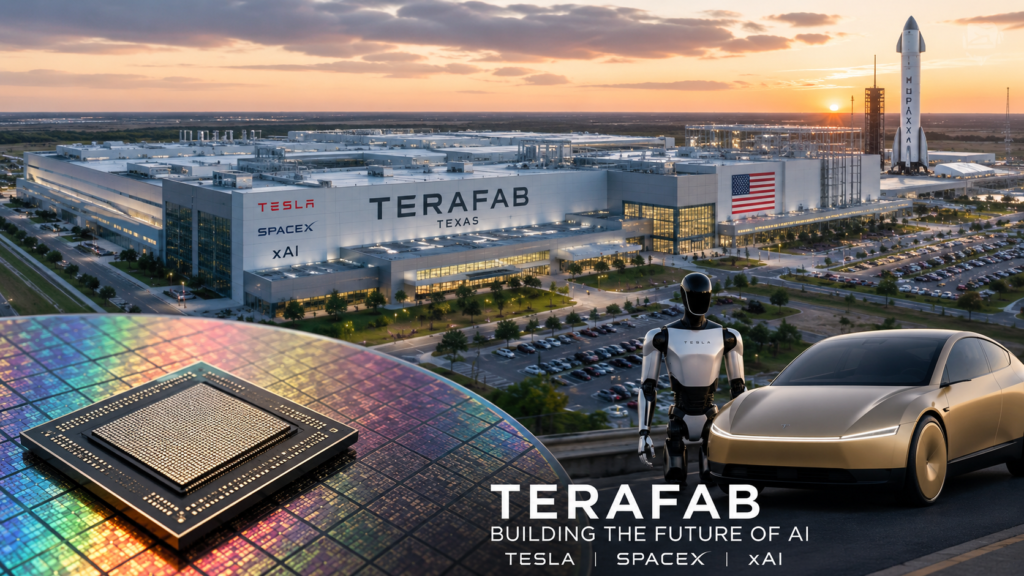
The proposed semiconductor campus in Grimes County could eventually grow into a roughly $119 billion project, supplying advanced chips for Tesla’s Optimus robots, Cybercabs and SpaceX’s future orbital computing infrastructure.
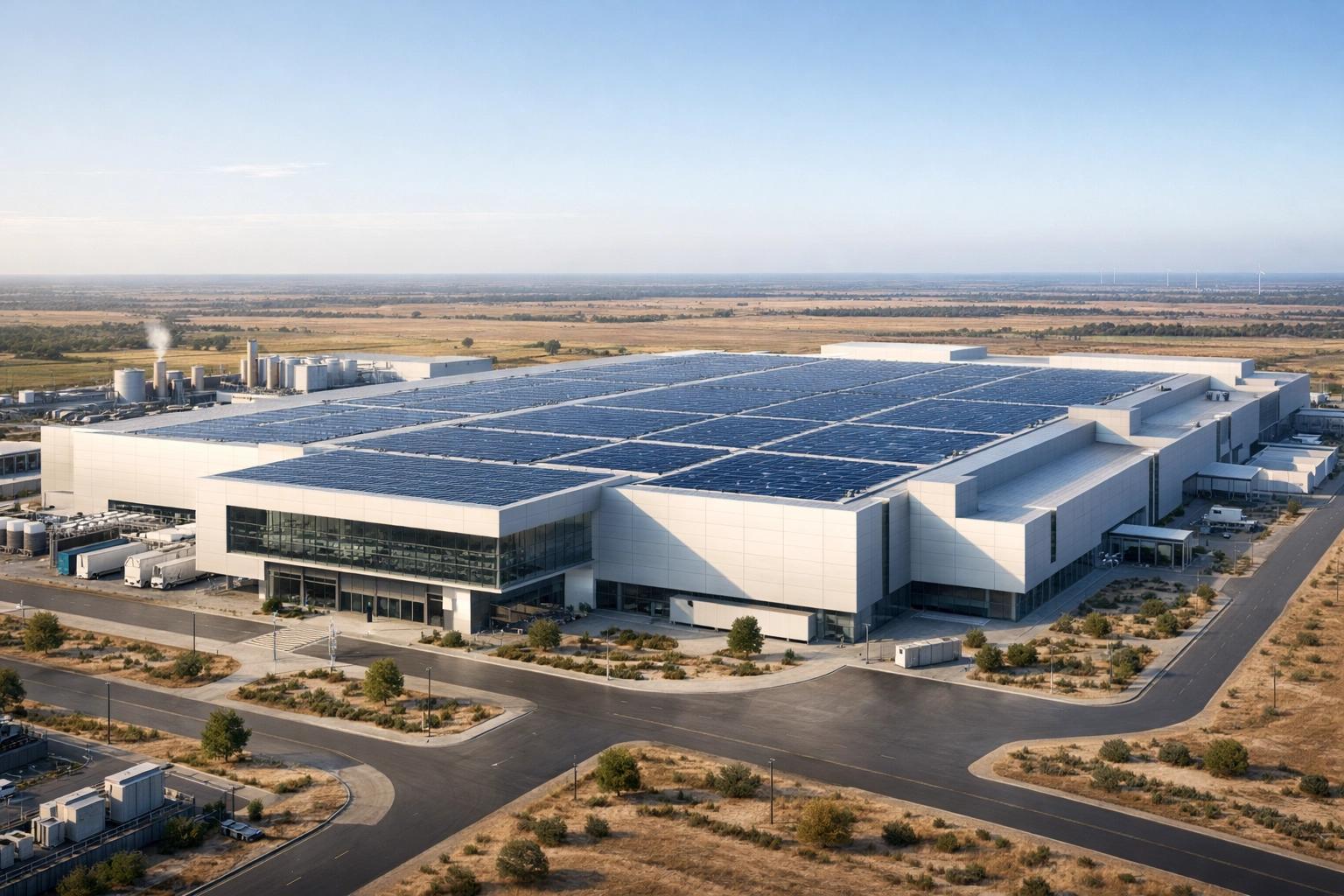
Elon Musk-led SpaceX and Tesla are planning an initial investment of $16.8 billion in a massive semiconductor manufacturing complex known as Terafab in Grimes County, Texas, as the companies seek to secure the advanced computing hardware needed for artificial intelligence, robotics, autonomous vehicles and future space-based data centres.
The project could ultimately expand to around $119 billion if fully developed. The proposed campus is expected to combine multiple stages of semiconductor production, including advanced logic, memory, packaging and testing, at a scale designed around the rapidly growing computing requirements of Tesla and SpaceX.
Terafab would give Musk’s companies greater control over a critical part of the AI supply chain, linking semiconductor manufacturing directly with Tesla’s robotics and autonomous-driving ambitions and SpaceX’s plans for computing infrastructure in orbit.
What is Terafab?
Terafab is being developed as a vertically integrated semiconductor manufacturing programme. Tesla recruitment material describes a partnership involving Tesla, SpaceX and xAI that aims to place logic, memory and advanced packaging capabilities under one roof.
Tesla job listings for the programme describe work spanning lithography, process integration, etching, automation and other advanced manufacturing disciplines. The company says the facility is intended to support multiple chip families, including edge-inference processors, space-hardened chips and high-bandwidth memory.
Chips for Tesla Optimus and Cybercab
A major purpose of Terafab is to secure future semiconductor capacity for Tesla’s AI-powered products. The complex is intended to support chips used in Optimus humanoid robots and Cybercab autonomous vehicles, alongside other advanced computing workloads.
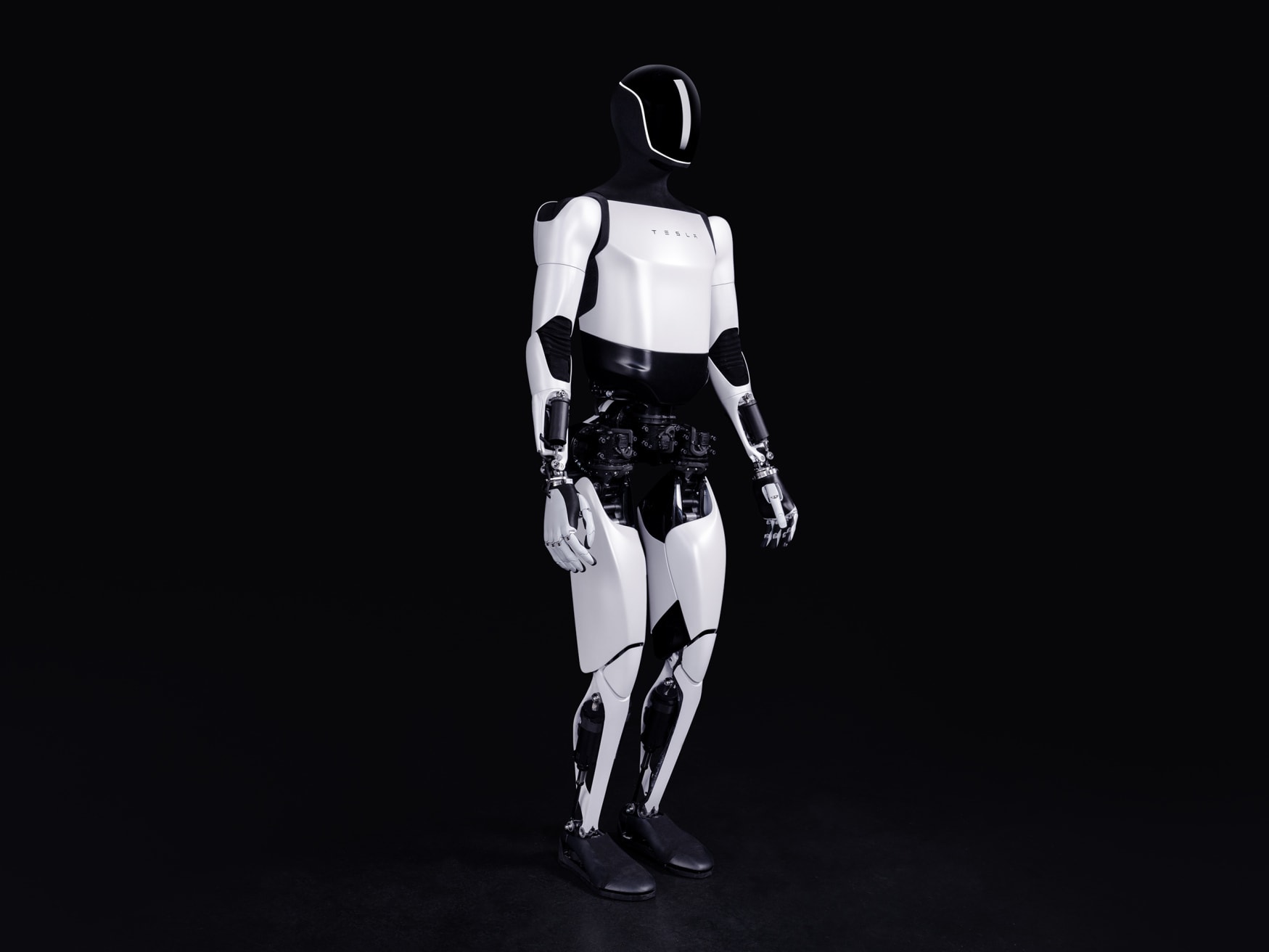
Optimus is central to Tesla’s push into general-purpose robotics. Producing these machines at very large volumes would require a dependable supply of efficient AI processors capable of performing real-time perception, reasoning and control.

Cybercab represents another compute-intensive part of Tesla’s strategy. Fully autonomous driving requires powerful onboard inference hardware to process camera data and make driving decisions with very low latency.
SpaceX wants AI computing infrastructure in orbit
Terafab is also tied to SpaceX’s longer-term plans for space-based AI computing. The company has outlined concepts for satellites capable of carrying substantial onboard compute, supported by solar power and high-bandwidth laser links.
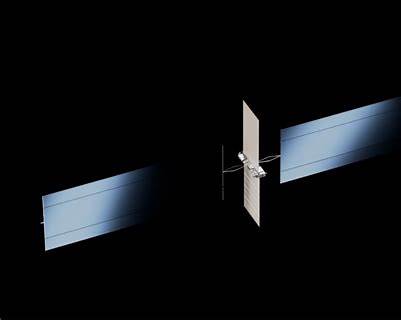
The idea is to move some AI computing workloads into space, where large solar arrays could provide energy and satellite-to-satellite laser communications could move data through an orbital network. Such systems would require specialised processors engineered for high performance, reliability and the harsh conditions of space.
Demand could exceed one terawatt of computing capacity
The extraordinary scale being discussed for Terafab reflects the level of computing demand Musk’s companies expect over the coming years. Tesla and SpaceX see their combined future semiconductor requirements potentially exceeding one terawatt of computing capacity.
Bringing more semiconductor production in-house could reduce exposure to supply constraints at external foundries while giving engineers tighter control over the relationship between chip design, manufacturing and the products those chips ultimately power.
Intel involved in the Terafab programme
Intel is also involved in the broader Terafab effort. SpaceX is working with Intel to support semiconductor manufacturing capabilities, while Musk has previously discussed using Intel’s advanced process technology in connection with Terafab.
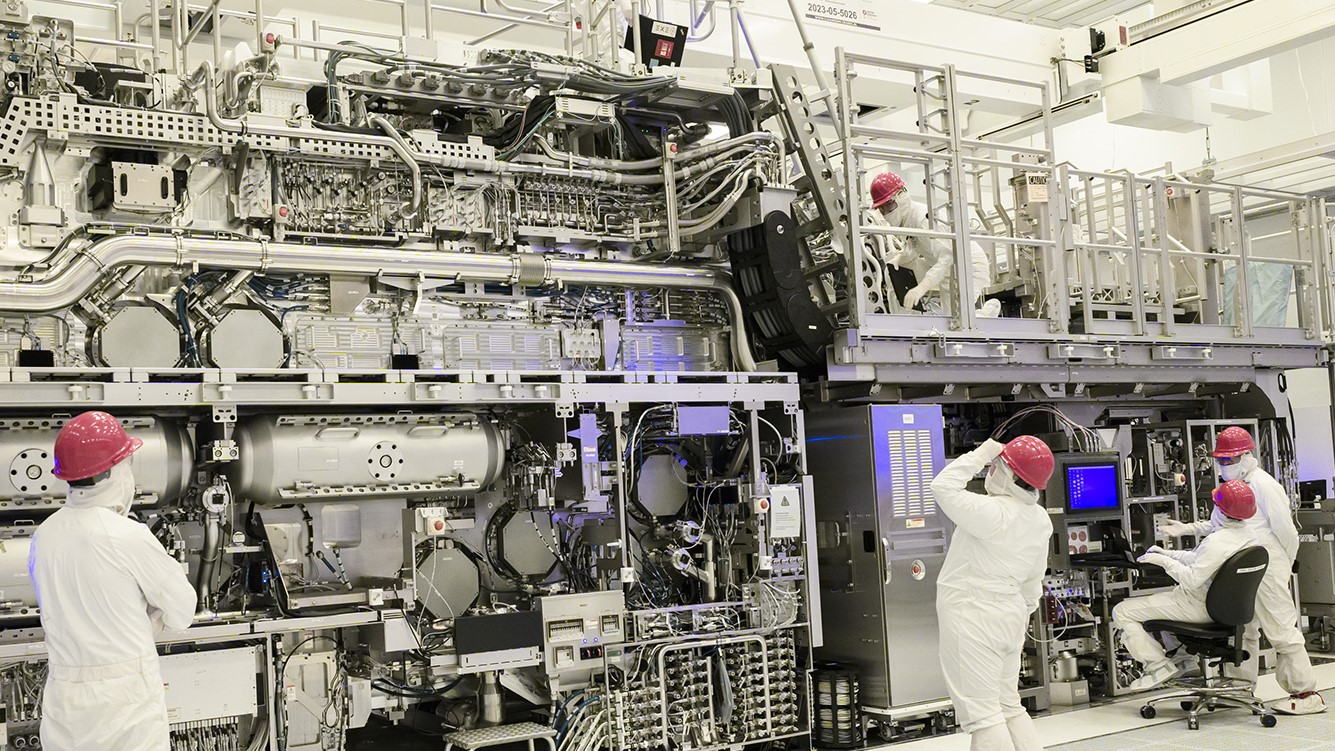
Intel’s participation could bring expertise in advanced process technology, fabrication and packaging to a programme that is attempting to integrate several normally separate parts of the semiconductor supply chain.
At least 3,000 jobs expected
The Texas project is expected to have a major economic footprint. Terafab could create at least 3,000 high-paying jobs, while the planned complex could eventually span around 100 million square feet if developed to its envisioned scale.
The investment would further strengthen Texas’s role as a centre for semiconductor manufacturing, artificial intelligence infrastructure, electric vehicles and commercial space technology.
Tesla has already begun semiconductor work
Tesla has already started foundational semiconductor work near its Giga Texas operations. The broader Terafab programme is expected to require years of construction, equipment installation, process qualification and production ramp-up before reaching anything close to its ultimate target.
Important: The approximately $119 billion figure represents the potential scale of the project if it is fully expanded. The announced initial planned investment is $16.8 billion.
Why Terafab matters
Terafab is more than a conventional chip plant. If executed as planned, it would connect several of Musk’s biggest technology bets through a common semiconductor supply chain: AI, autonomous transport, humanoid robotics and space computing.
Tesla could use the output for autonomous vehicles and Optimus robots. SpaceX could use specialised processors for future orbital computing systems. xAI’s involvement adds another large source of potential AI-compute demand.
The strategy also reflects a broader shift across the technology industry. As AI systems become more computationally demanding, access to advanced semiconductor capacity is increasingly becoming a strategic constraint rather than simply a procurement issue.
The bigger picture
Musk’s companies are increasingly building toward an interconnected AI ecosystem: Tesla develops machines that operate in the physical world, xAI develops artificial intelligence systems, and SpaceX provides launch, satellite and communications infrastructure.
Terafab could become the semiconductor layer connecting those ambitions. If the planned expansion proceeds and the projected demand materialises, the Texas complex could become one of the largest industrial projects associated with the global AI build-out.
For now, the key number is the $16.8 billion initial investment plan. The much larger roughly $119 billion figure depends on the project reaching its full envisioned expansion.