📅 May 09, 2026 | By Pulse India News Desk
India’s state-run oil marketing companies are once again facing mounting financial pressure as rising global crude oil prices increase the burden of fuel imports.
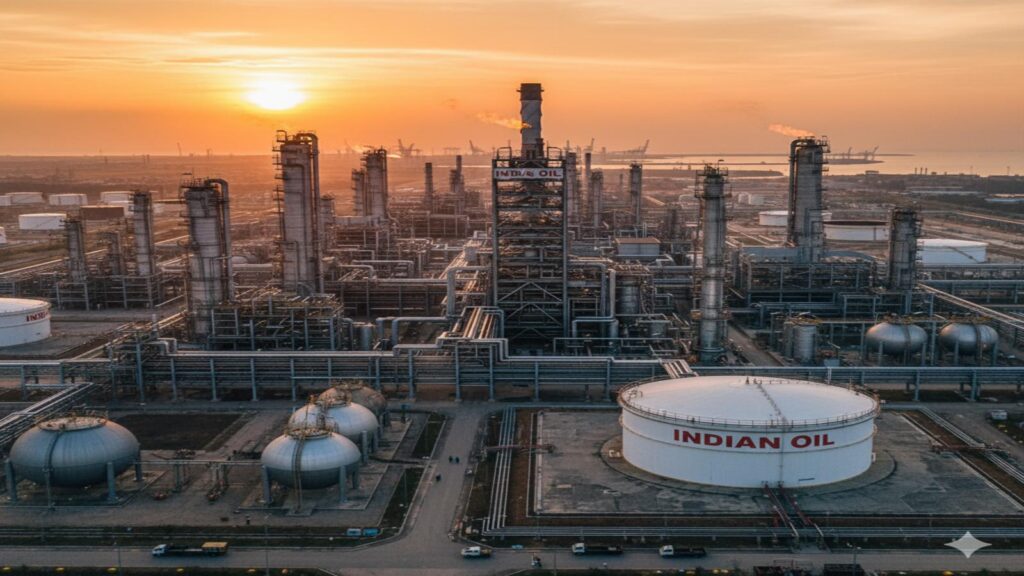
Companies such as Indian Oil Corporation, Bharat Petroleum and Hindustan Petroleum are reportedly absorbing massive losses after keeping petrol and diesel prices largely stable despite sharp increases in international crude rates.
The companies are getting ₹30,000 Crore rupees lost every month due to Crude Oil prices.
Why Oil Prices Are Rising
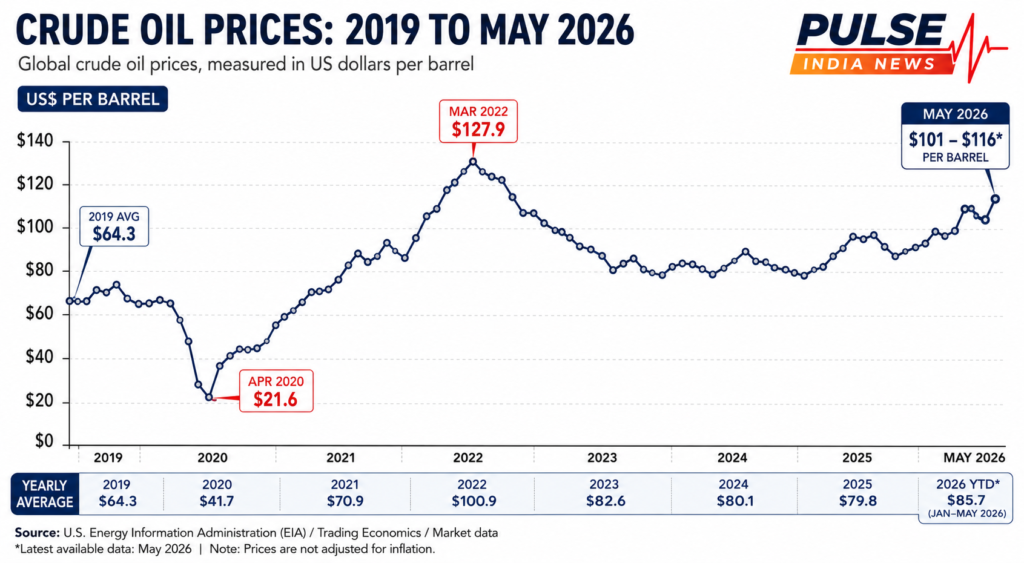
Global oil markets have turned volatile amid continuing geopolitical tensions in West Asia and concerns over possible supply disruptions through key shipping routes.
Brent crude prices have climbed significantly in recent weeks, increasing the cost of crude imports for countries like India that depend heavily on overseas supplies.
India imports nearly 85% of its crude oil requirement, making domestic fuel prices highly sensitive to global developments.
Why Oil Companies Are Under Stress
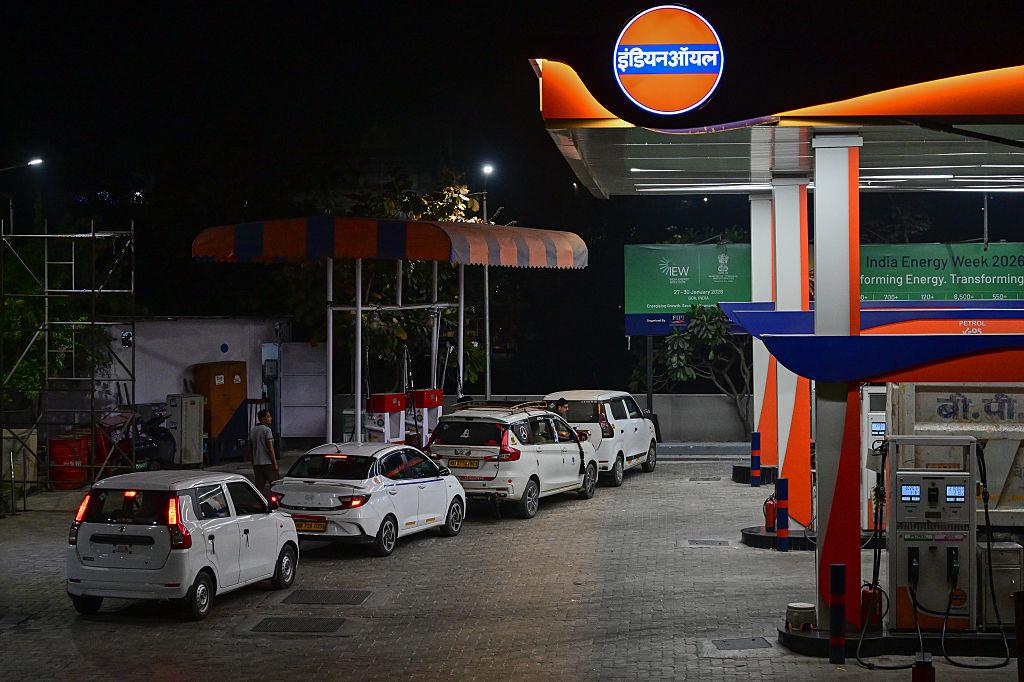
Normally, higher crude oil prices are passed on to consumers through increases in petrol and diesel rates.
However, with inflation concerns still high, fuel prices in India have remained mostly unchanged.
This means oil marketing companies are bearing the difference between international crude prices and domestic retail fuel prices, a situation commonly referred to as “under-recovery”.
According to reports, the losses on petrol and diesel sales have widened sharply in recent weeks.
Reports say state-run oil companies are currently facing under-recoveries of nearly:
- ₹18 per litre on petrol
- ₹25per litre on diesel
Combined losses are estimated at around ₹30,000 crore per month if crude prices remain elevated.
What Is the Government Trying to Avoid?
The Centre is attempting to prevent a sudden spike in fuel prices because it could trigger:
- Higher transportation costs
- Increase in food prices
- Rising inflation across sectors
- Additional pressure on household budgets
A major fuel price hike could also impact economic growth and consumer spending.
Could Fuel Prices Increase Soon?
Analysts say if global crude prices remain elevated for a prolonged period, oil companies may eventually seek retail fuel price revisions.
That could lead to:
- Higher petrol and diesel prices
- Increased LPG subsidy burden
- Pressure on government finances
- Lower profitability for oil companies
Market experts have already warned that prolonged crude price volatility may affect the financial performance of oil marketing firms in coming quarters.
Bigger Picture
India’s energy security remains closely tied to global geopolitical developments.
Any major disruption in crude supply routes or escalation in West Asia can quickly impact fuel prices, inflation and the broader economy.
For now, oil companies continue to absorb the pressure, but if crude prices stay high for longer, consumers may eventually feel the impact at fuel stations.