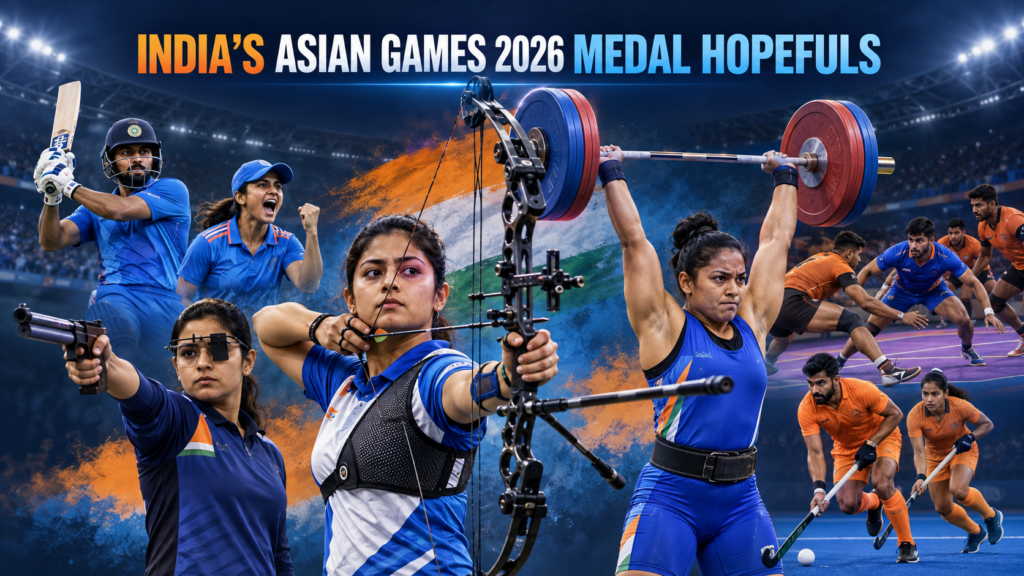
India enters the Aichi–Nagoya Asian Games with established contenders in shooting and compound archery, while its cricket, kabaddi and men’s hockey teams have titles to defend. Wrestling, weightlifting and badminton could also contribute crucial medals.
The attention will fall on familiar names, but a medal forecast needs more than a list of stars. Form, event depth and the route through knockout rounds all matter. India’s athletes will be trying to build on the country’s record 107-medal performance at the previous Asian Games in Hangzhou, where it won 28 golds.
Shooting: depth offers several routes to the podium
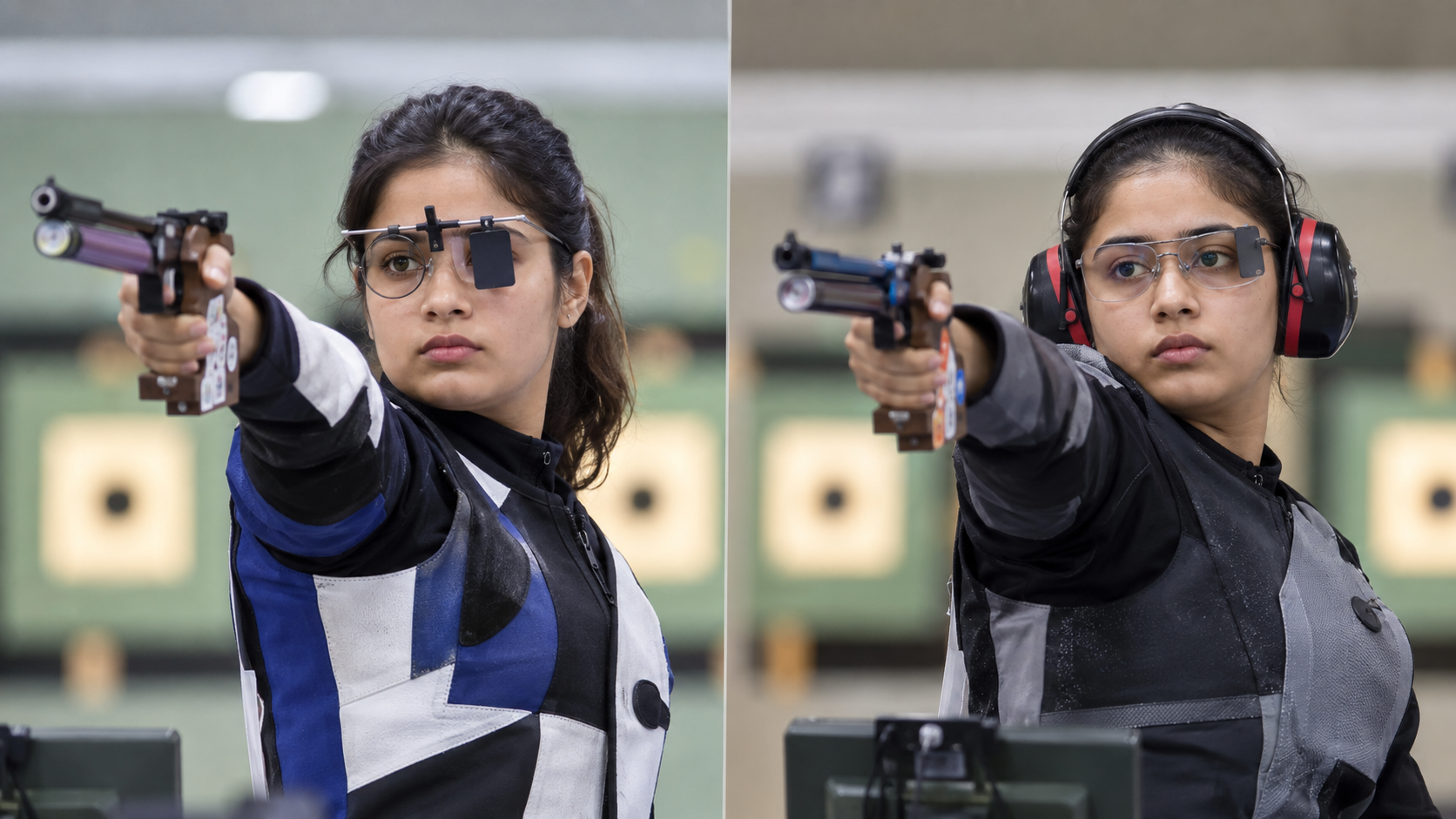
Manu Bhaker brings the experience of two Olympic bronze medals from Paris 2024. Her ability to handle major finals makes her a leading Indian contender, although the strength of Asian pistol shooting leaves little margin for error.
Esha Singh adds a second major storyline. She won the women’s 25m pistol gold at the Hangzhou World Cup in July 2026, while Bhaker took bronze in the same event. Their recent results underline India’s depth, but qualification scores and final-round composure will decide the medals in Nagoya.
Archery: can Jyothi Surekha Vennam repeat her success?
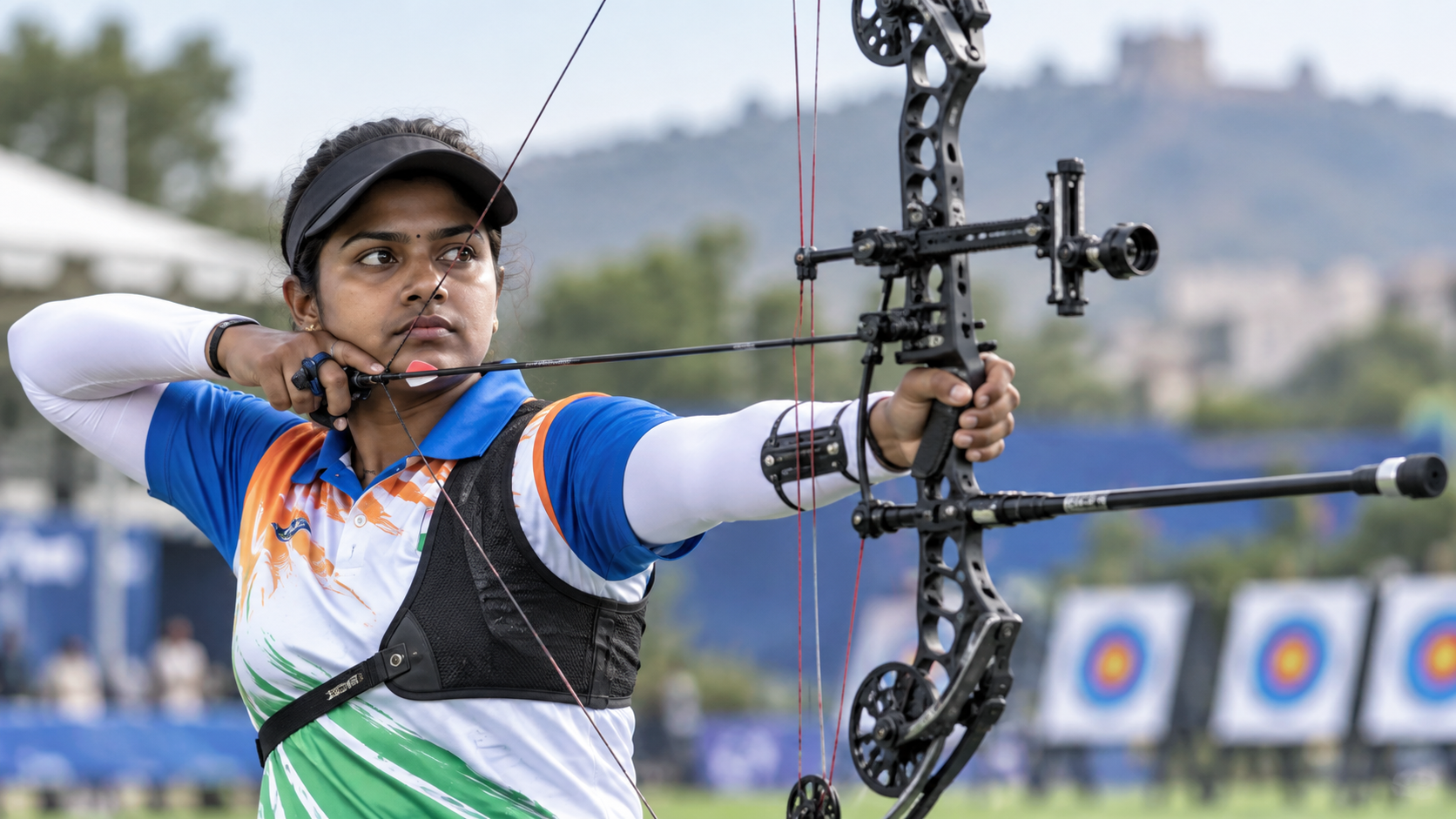
Jyothi Surekha Vennam was one of India’s standout performers at the previous Asian Games, winning three compound archery gold medals. She enters this edition with proven success in individual and team competition. Compound archery often comes down to only a handful of arrows, so even a strong favourite must produce near-perfect rounds.
Badminton: Lakshya Sen faces a demanding draw
Lakshya Sen has the speed and attacking game to threaten the best men’s singles players in Asia. His path to a medal depends heavily on the draw: badminton’s strongest regional opponents can appear well before the final.
Weightlifting: Mirabai Chanu leads the watch
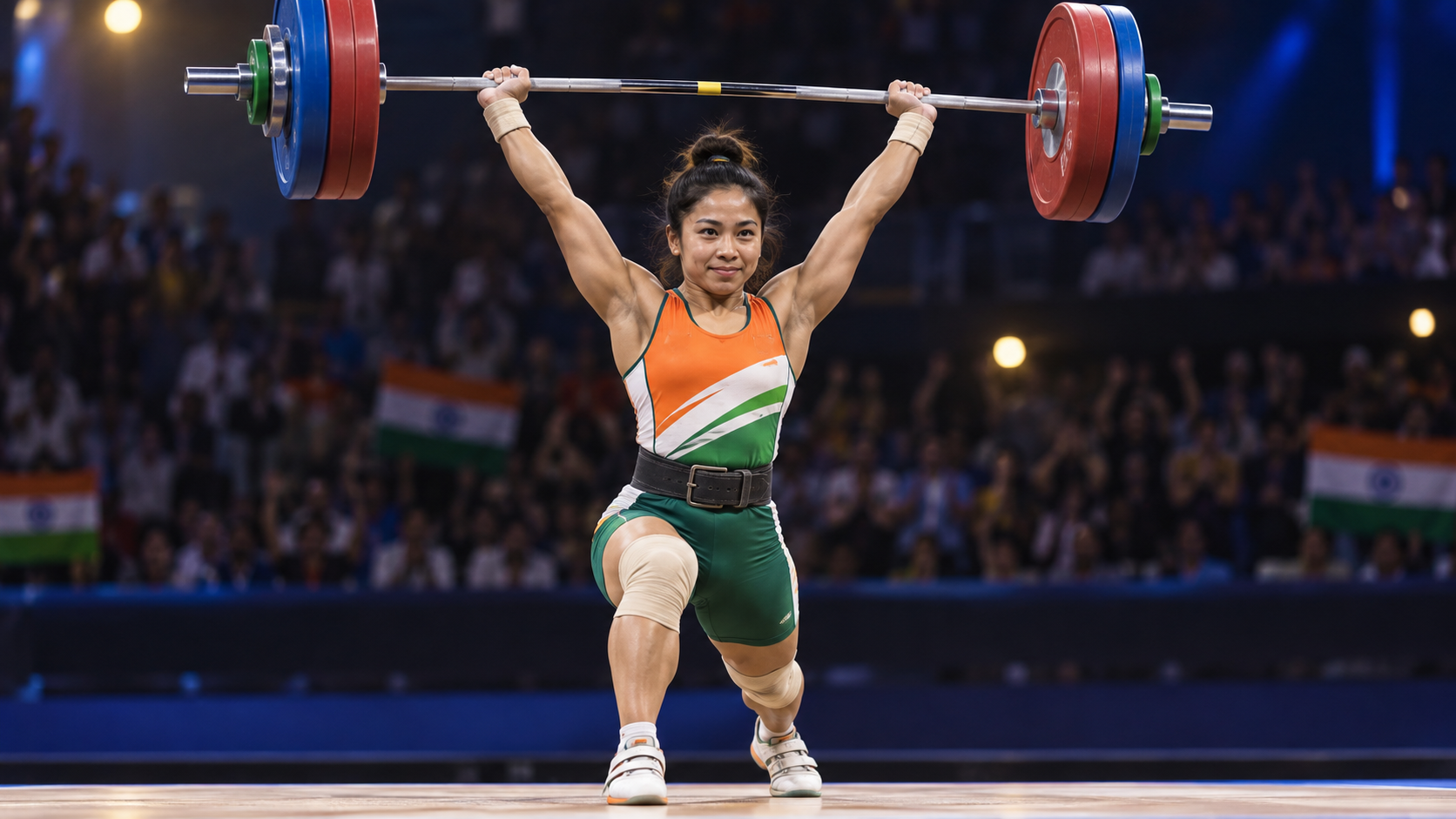
Mirabai Chanu is an athlete with major championship pedigree. The Olympic silver medallist remains one of India’s most closely watched weightlifters. In her case, the competition will turn on successful lifts under pressure and the gap between rivals’ totals, rather than reputation alone. A single missed attempt can change the medal order, making the snatch and clean-and-jerk selections as important as past results.
Cricket: both teams defend gold medals
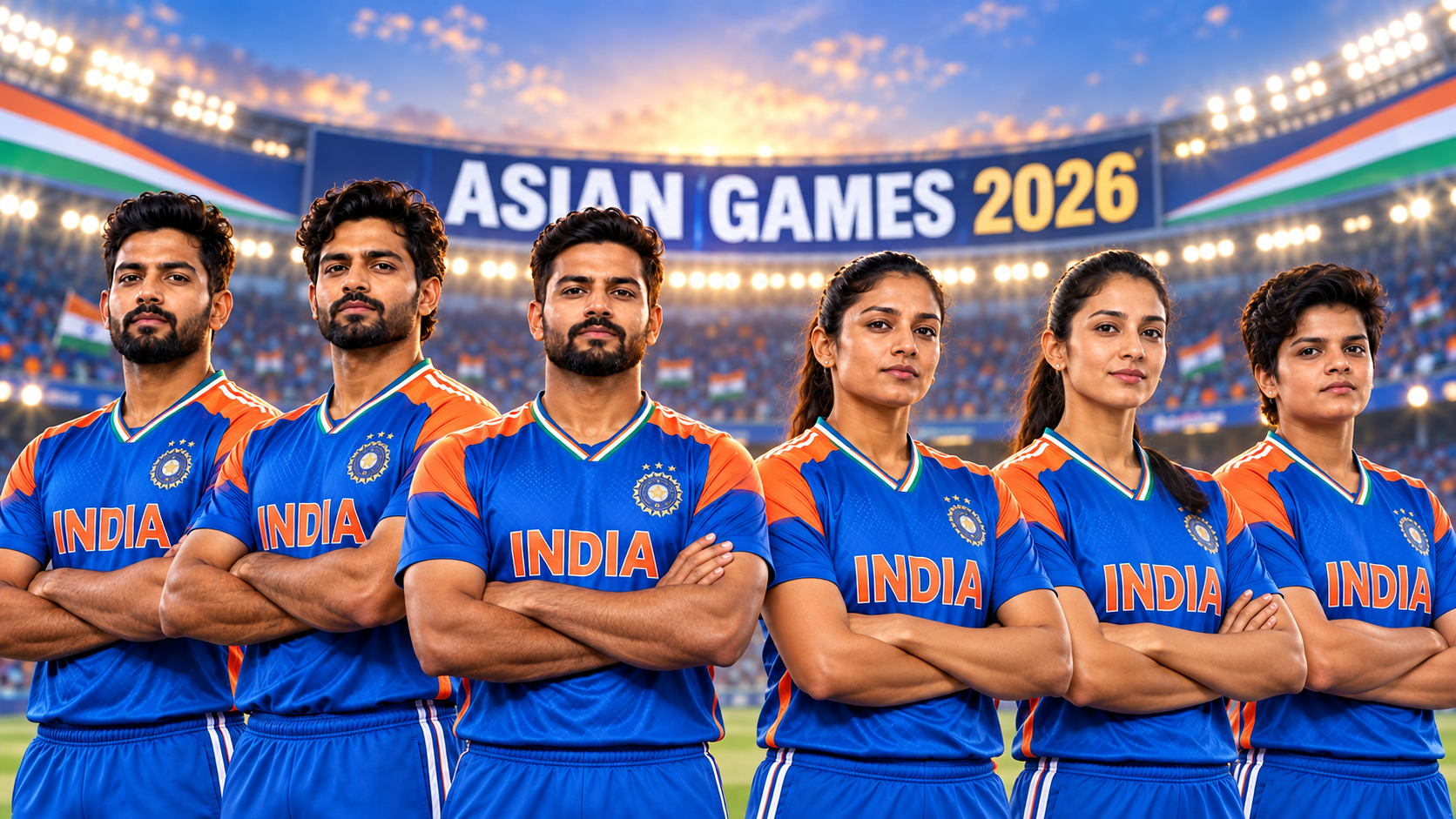
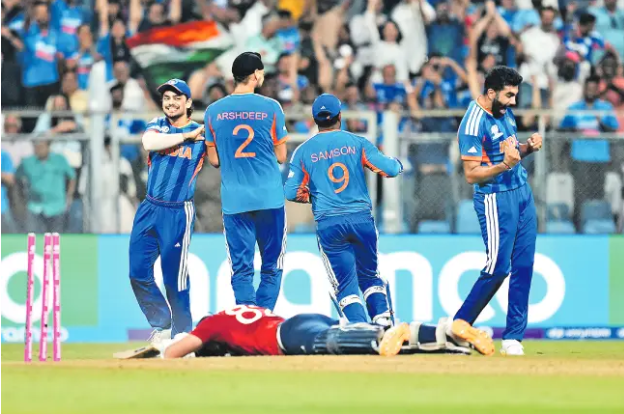
India won both the men’s and women’s cricket titles at the previous Asian Games. The women began their 2026 title defence with an eight-wicket win over Japan and advanced to the semifinals. That result puts them within reach of a medal, but the remaining knockout matches will determine whether they retain gold. The men’s side also carries the expectation that comes with being the reigning champion; a short T20 knockout tournament leaves little room for an off day.
Kabaddi: two more titles to protect
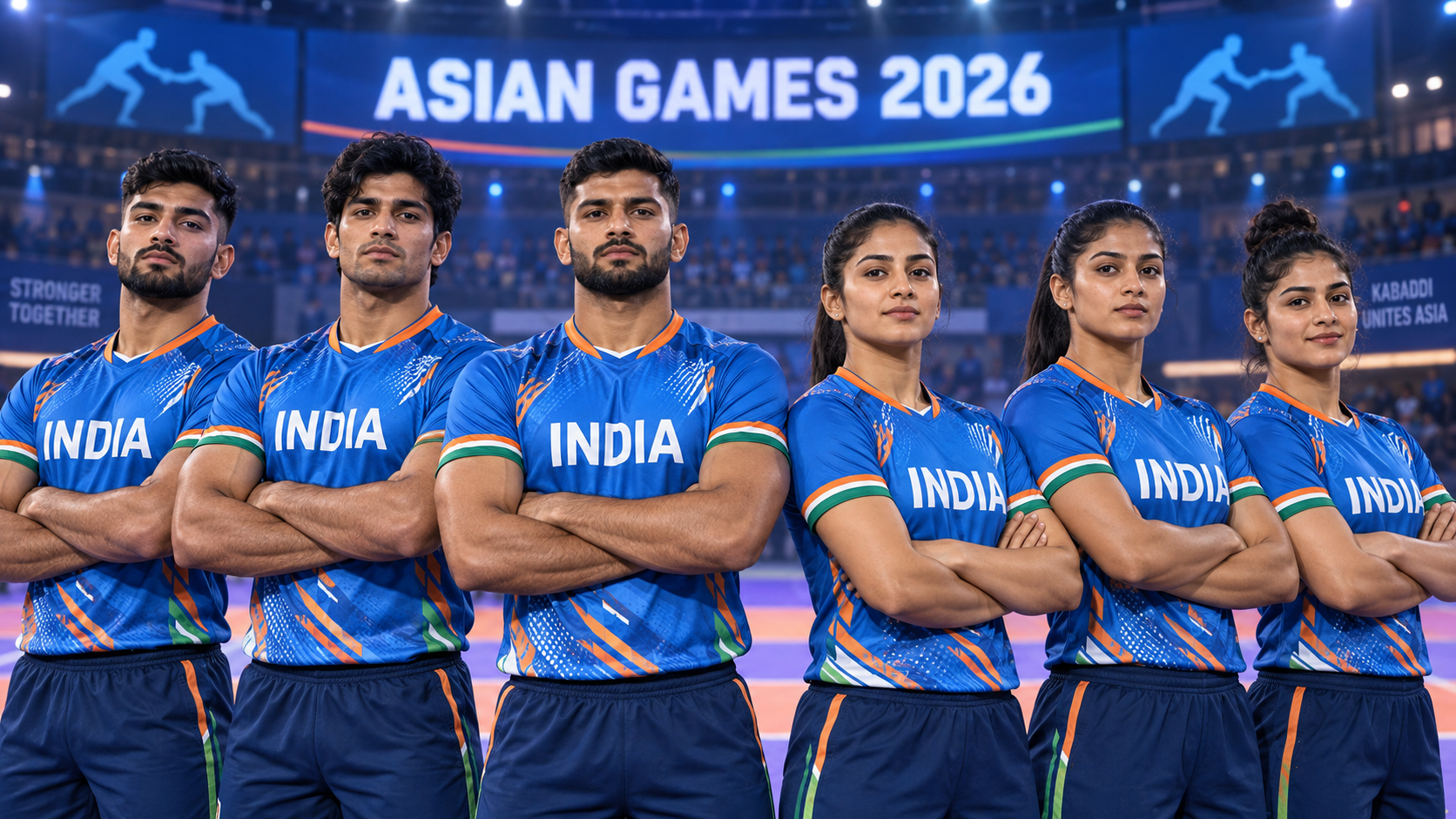
India also won gold in both men’s and women’s kabaddi at Hangzhou. Those titles make the two squads prominent medal prospects again, but defending them will require disciplined performances through the group stage and knockout rounds. The margins can be narrow: one successful raid or tackle late in a match may decide which team reaches the final.
Hockey: men defend gold, women aim higher
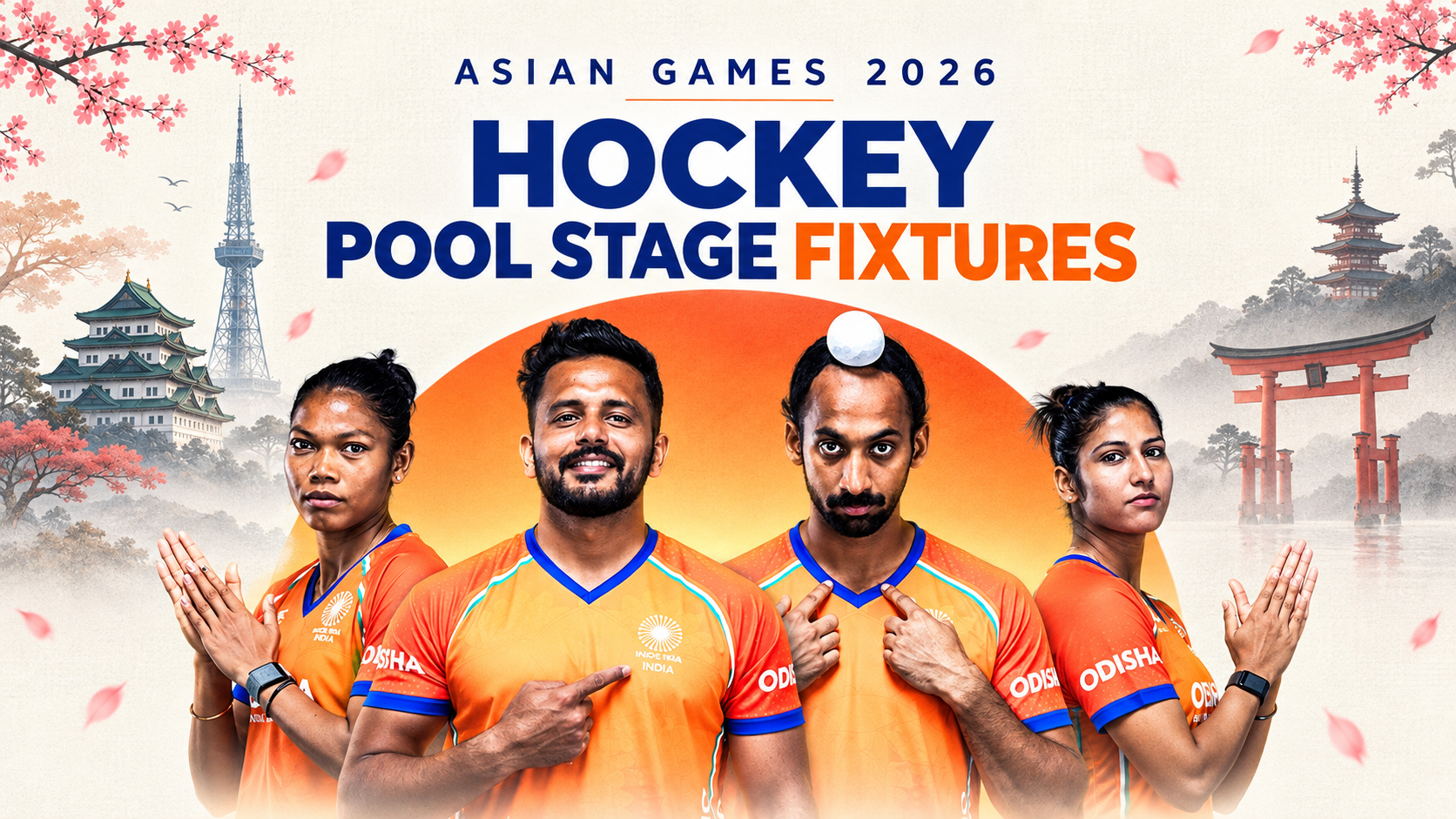
India’s men are the defending Asian Games hockey champions after beating Japan in the Hangzhou final. Retaining that title will demand consistency across the tournament as well as a strong performance in the final rounds. The women won bronze at the previous Games and have a separate opportunity to challenge for a place in the final. Both competitions could have a significant effect on India’s overall medal tally.
Wrestling: medals can come from several weight classes
Wrestling offers India multiple routes to the podium across men’s and women’s events. Unlike a team tournament, each weight class creates a distinct medal opportunity, including through repechage where the draw permits. The most realistic outlook will become clearer once entries, brackets and early bouts are confirmed; previous medals alone cannot establish who will reach the podium in Nagoya.
What would count as a successful Games?
India’s Hangzhou total provides a clear benchmark, but matching or improving on 107 medals will require contributions across many sports, including less-publicised athletes and team events. The strongest medal contenders provide the starting point; the final tally depends on how consistently India converts close contests into podium finishes.