📅 May 01, 2026 | By Pulse India News Desk
🔰 A Helicopter Born Out of Strategic Necessity
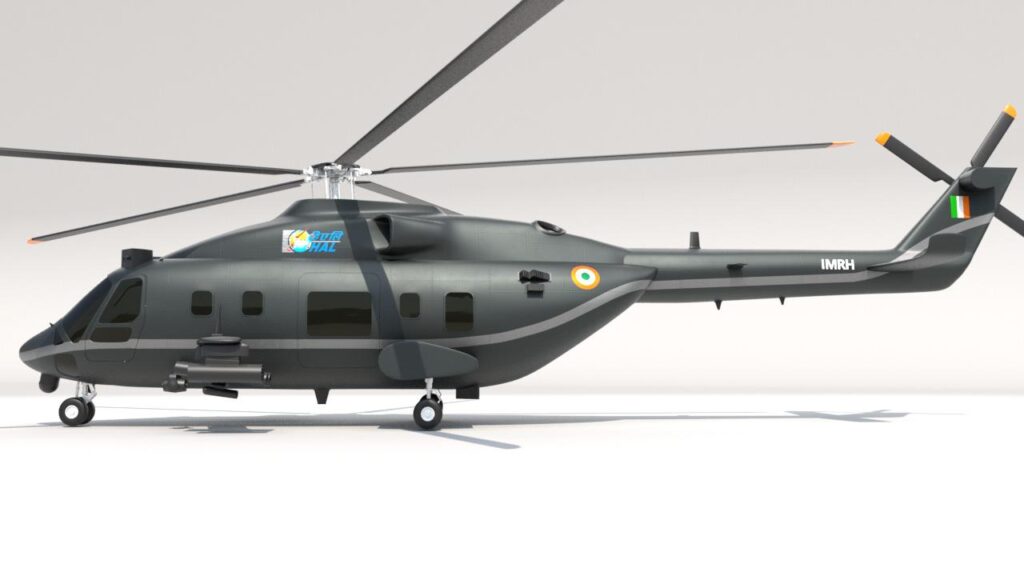
India’s Indian Multi Role Helicopter (IMRH), being developed by Hindustan Aeronautics Limited, is not just another defence project, it is a response to a structural gap in India’s military aviation.
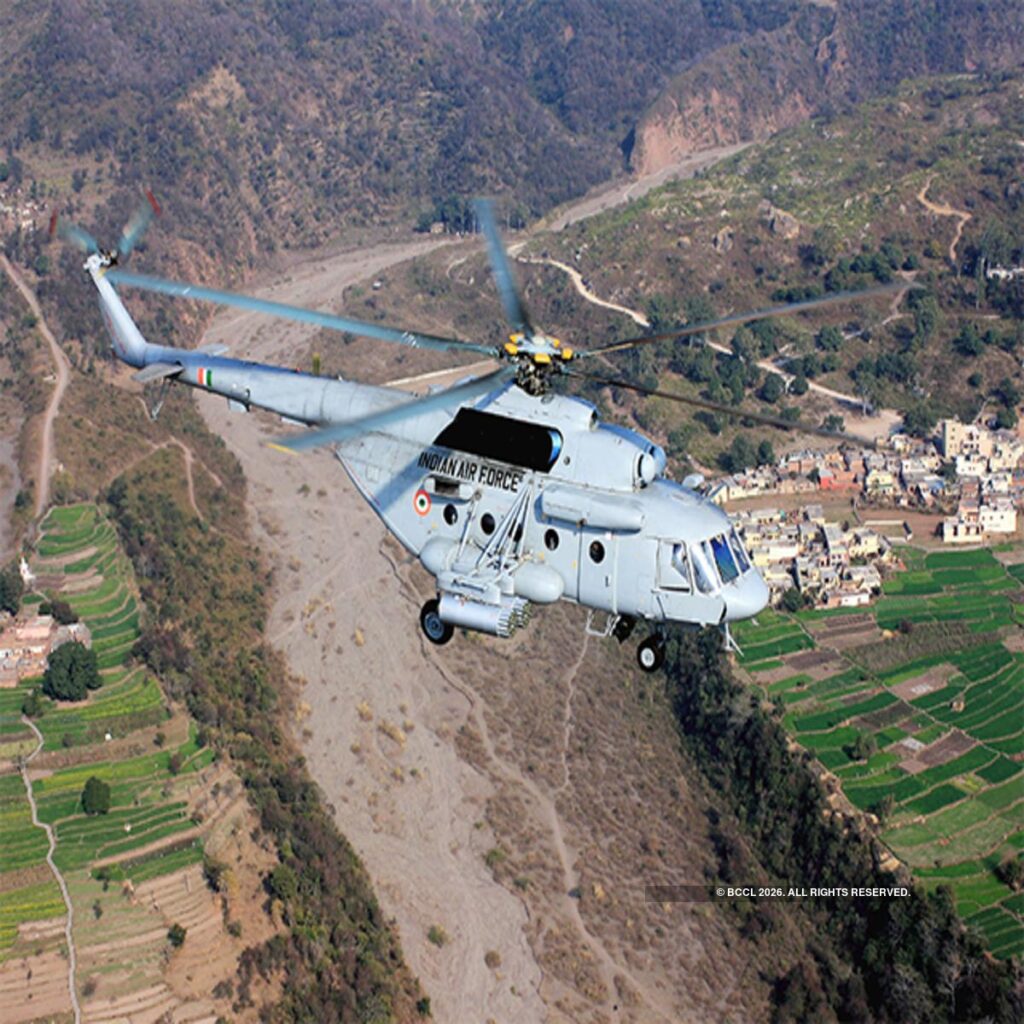
For decades, India has relied heavily on the Mil Mi-17 fleet, a workhorse that has performed everything from troop transport to disaster relief. But that reliance has also exposed vulnerabilities: ageing airframes, dependence on foreign spares, and limited adaptability to modern warfare demands.
IMRH is designed to solve all three problems at once. It aims to replace the Mi-17 not just in numbers, but in capability, survivability, and strategic independence.
🏔️ Designed for India’s Hardest Battlefield: The Himalayas
One of the most defining aspects of IMRH is its high-altitude optimisation.
Operating in regions like Ladakh is fundamentally different from flying at sea level. Thin air reduces lift, engines lose efficiency, and payload capacity drops sharply. Many helicopters that perform well globally struggle in these conditions.
IMRH’s design, particularly its twin-engine powerplant and larger rotor system directly addresses this challenge. The shift to a five-bladed articulated rotor is especially telling. Unlike hingeless rotors used in lighter helicopters, articulated systems absorb aerodynamic stress more effectively, which becomes critical when lifting heavy loads in rarefied air.
👉 The result is not just better performance, but predictability and safety in extreme conditions, something military planners value as much as raw power.
⚙️ The Rotor Shift: A Subtle Change with Major Implications
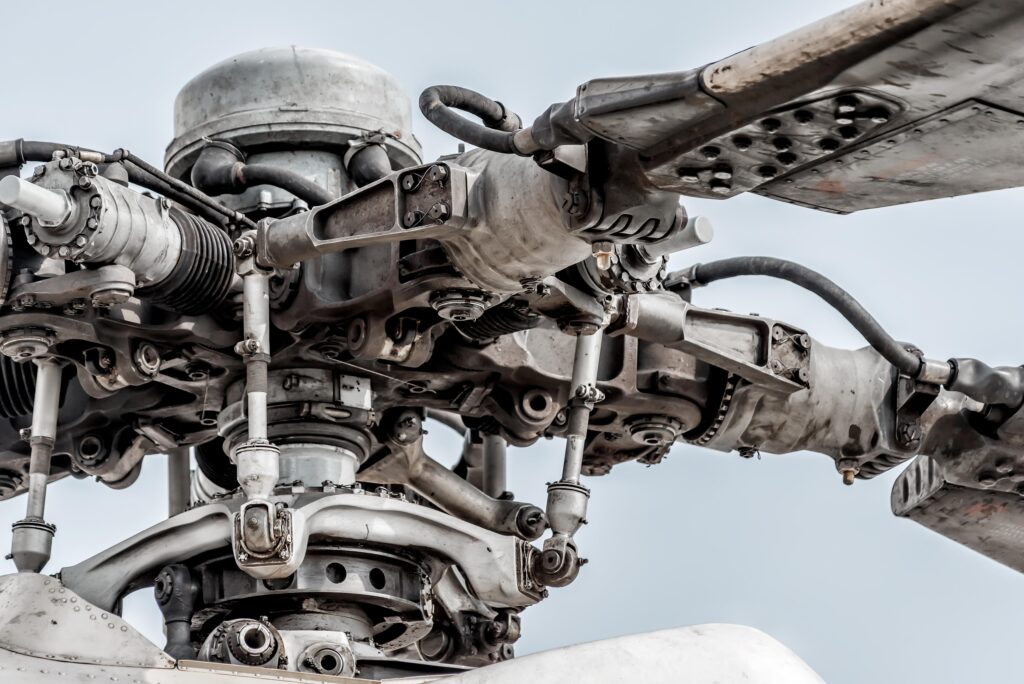
At first glance, moving from a hingeless to an articulated rotor may seem like a technical detail. In reality, it reflects a philosophical shift in design priorities.
Earlier HAL platforms like Dhruv focused on agility and low maintenance, ideal for lighter roles. IMRH, however, is built for endurance, stability, and heavy lifting.
An articulated rotor allows each blade to move independently through hinges, reducing stress on the hub and airframe. This translates into:
- Lower vibration levels
- Better control during turbulent flight
- Increased lifespan of components
More importantly, the addition of a fifth blade spreads aerodynamic load more evenly. Instead of pushing each blade to its limit, the system distributes work across more surfaces — improving efficiency without drastically increasing rotor size.
👉 In operational terms, this means heavier payloads, smoother flights, and fewer maintenance headaches over time.
🧠 Beyond Hardware: A Shift Toward Smart Aviation
While the airframe and rotor get attention, IMRH’s real leap lies in its systems architecture.
The helicopter is expected to feature a fully digital cockpit, integrated avionics, and automated flight control systems. This is a significant departure from legacy platforms, where pilot workload is often high, especially in complex missions.
Automation, such as auto-hover and terrain awareness, is not just about convenience. In combat or high-altitude rescue missions, it can reduce human error and improve mission success rates.
In that sense, IMRH is part of a broader trend: helicopters are no longer just mechanical machines; they are becoming flying information systems.
🕵️ Stealth, But Not in the Traditional Sense
IMRH is not a stealth helicopter in the way attack helicopters are sometimes modified for low observability. However, it incorporates signature reduction features that matter in real-world operations.
Composite materials reduce radar reflections, while rotor design and blade shaping help cut down acoustic signatures. Engine exhaust treatment is expected to lower infrared visibility.
But the real philosophy here is different. Instead of chasing full stealth, IMRH prioritises survivability, electronic countermeasures, redundancy, and damage tolerance.
👉 This reflects a practical understanding: transport helicopters are often exposed and cannot rely on stealth alone. They need to withstand threats, not just avoid them.
⚓ Naval Variant: Expanding Beyond Land Warfare
The naval version of IMRH, often referred to as the deck-based multi-role helicopter (DBMRH), adds another dimension to the program.

Operating from aircraft carriers introduces constraints that land-based helicopters never face: limited space, harsh maritime conditions, and the need for rapid deployment.
The articulated rotor again proves useful here, enabling blade folding mechanisms, a critical requirement for carrier storage. Combined with anti-submarine warfare systems and maritime sensors, the naval IMRH could become a multi-domain asset.
📅 Where the Program Stands — And What Could Delay It
As of now, IMRH remains in the advanced design phase, with government approval being the next major milestone. Prototype development is expected in the latter part of this decade, with induction projected in the early 2030s.
However, timelines in aerospace projects are rarely linear. Engine development, being co-developed with Safran is one of the most critical variables. Any delay here could ripple across the entire program.
Funding priorities and procurement decisions will also play a role, especially as India balances multiple large defence projects simultaneously.
🌍 The Bigger Picture: More Than Just a Helicopter
IMRH represents a strategic transition.
India is moving away from being a buyer of helicopters to becoming a designer of complex aviation systems. If successful, IMRH could position HAL not just as a domestic supplier, but as a potential exporter in the global medium-lift segment.
At the same time, it reflects a broader doctrine shift, preparing for high-altitude conflicts, multi-role flexibility, and network-centric warfare.
📊 Final Analysis
IMRH is, in many ways, a test of India’s aerospace ambition.
It combines engineering challenges high-altitude performance, heavy-lift capability, advanced avionics, with strategic goals like self-reliance and export potential.
The move to a five-bladed articulated rotor, the focus on survivability over pure stealth, and the integration of smart systems all point in one direction:
👉 A helicopter built not just for today’s missions, but for the next generation of warfare environments.
🚨 Bottom Line:
If executed successfully, IMRH could redefine India’s helicopter fleet and mark a turning point in its journey toward becoming a global aerospace power.
🔗 Related Defence News
HAL IMRH Rotor Upgrade: Why India’s Next-Gen Helicopter Matters
Tejas Engine Support Boost: India to Build First Domestic Depot with GE Aerospace
Indian Army and IAF Expand Attack Helicopter Fleets as Prachand Induction Accelerates
Ghatak UCAV vs Okhotnik vs X-47B: How India’s Stealth Drone Stacks Up