📅April 22, 2026 | By Pulse India News Desk
🔴 Top Line
The Defence Acquisition Council has cleared plans for multiple squadrons of stealth UCAVs.. The Indian Air Force is preparing to induct the Ghatak stealth UCAV at a squadron level, signalling a clear shift toward manned–unmanned warfare, where drones lead, and pilots follow.
📌 What Makes Ghatak Different?
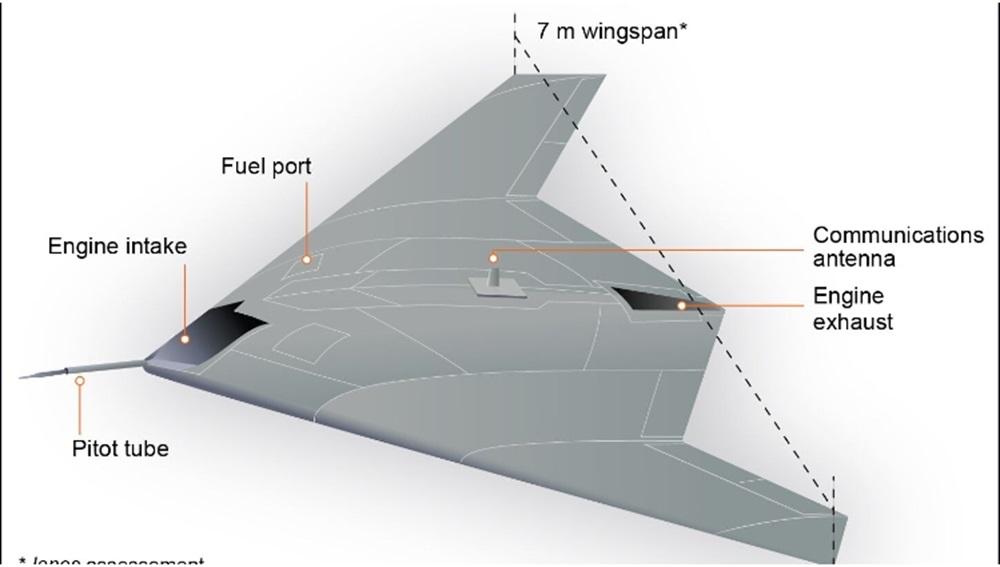
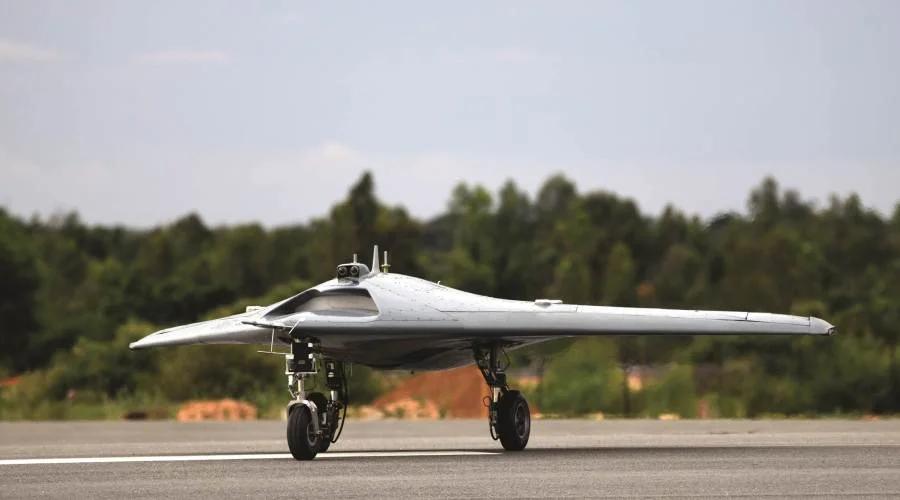
Developed by Defence Research and Development Organisation, Ghatak is a low-observable flying-wing UCAV built for:
- Deep precision strikes inside enemy territory
- SEAD/DEAD (destroying enemy radar & SAM sites)
- Autonomous or semi-autonomous combat roles
📍 Deployment Strategy (More Than Just Bases)
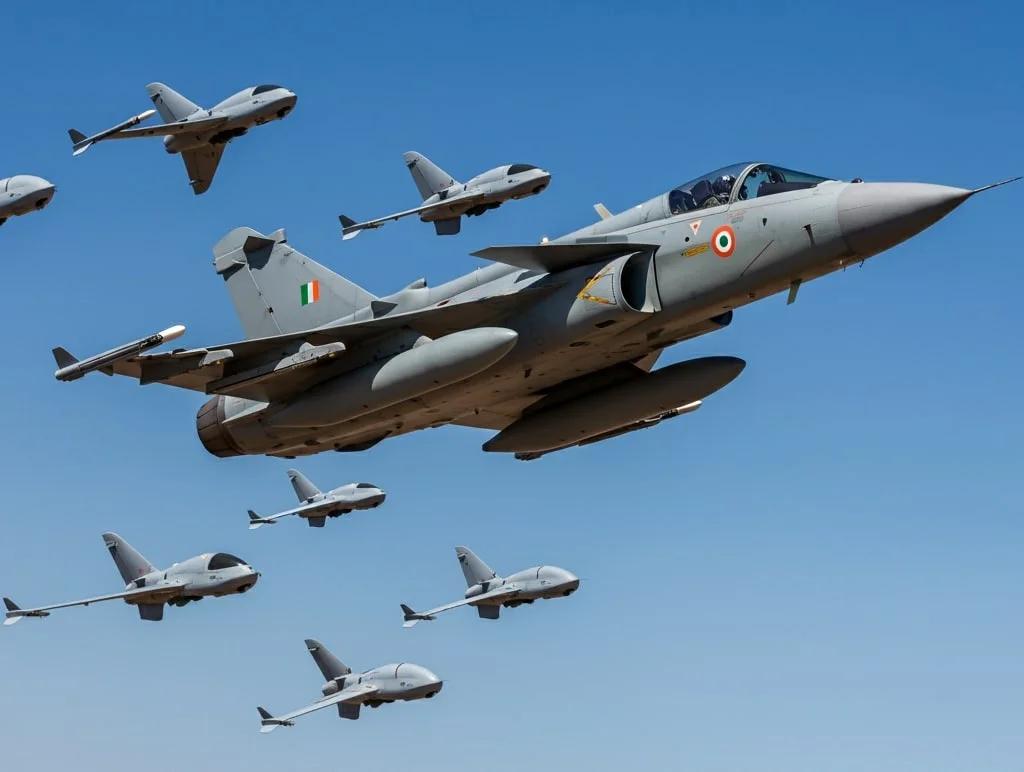
- ~4 drones per fighter squadron → distributed firepower
- Integrated with:
- Sukhoi Su-30MKI
- HAL Tejas Mk2
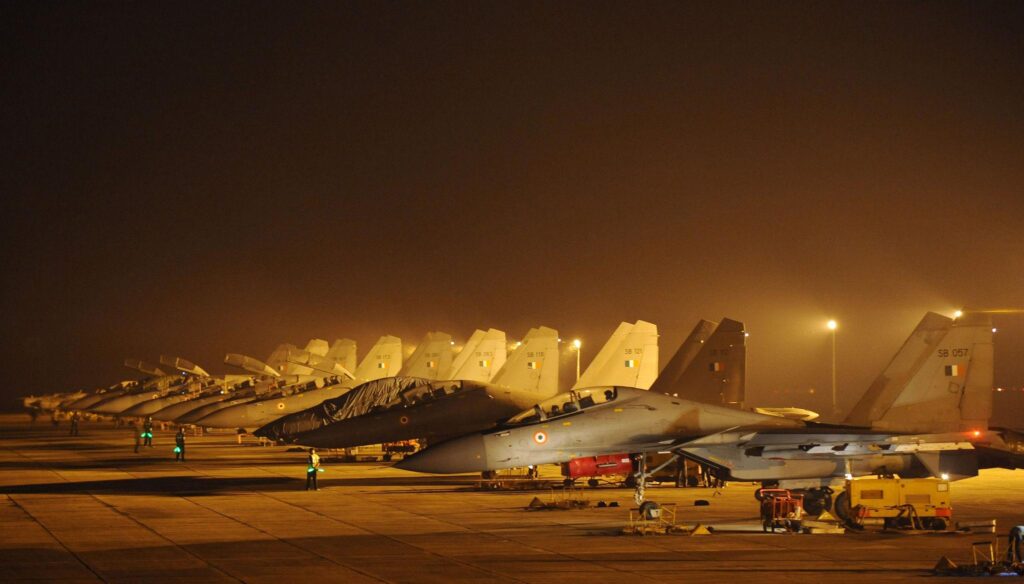
🔍 Deeper Deployment Logic:
- Forward airbases → rapid strike launch within minutes
- Hardened shelters → protection from pre-emptive strikes
- Dispersed operations → reduces vulnerability to enemy targeting
- Networked command centres → real-time mission control
👉 Goal: No single point failure in drone operations
💰 Cost & Value Angle
- Estimated ₹150–300 crore per UCAV
- Program scale: ₹10,000–15,000 crore (phased)
💡 Why It’s Cost-Efficient:
- Lower lifecycle cost vs fighters like Dassault Rafale
- No pilot training / survival systems needed
- Can be used for high-risk repeat missions
⚔️ Operational Roles
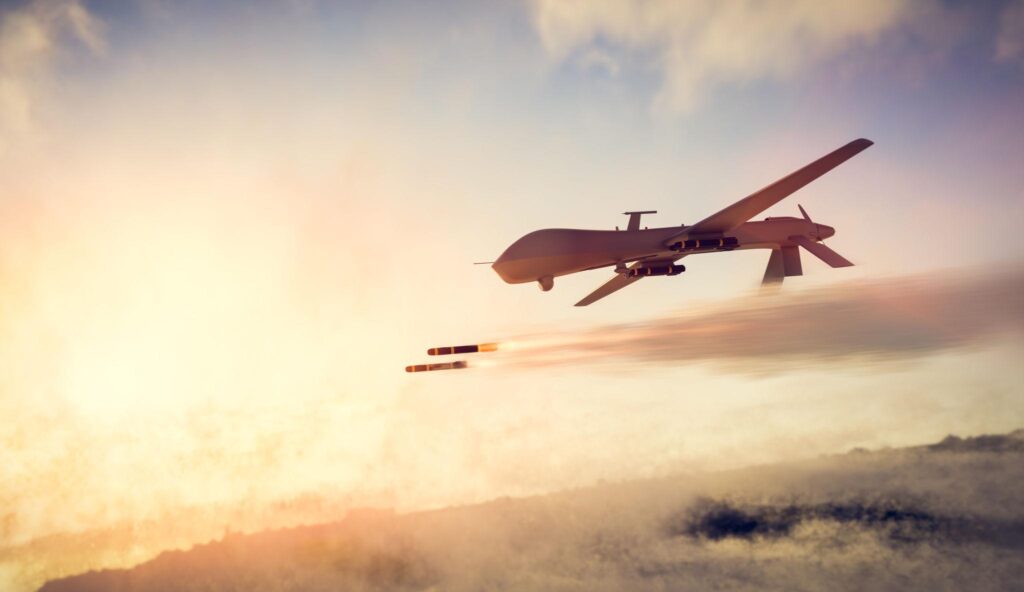
🎯 1. First-Day-of-War Advantage
- Penetrates enemy radar coverage first
- Opens air corridors for fighter jets
🎯 2. Decoy + Strike Combo
- Can act as:
- Decoy (trigger enemy radar)
- Strike platform (destroy it immediately)
🎯 3. Stand-Off Precision Attacks
- Launch weapons from safe distance
- Reduces exposure to enemy air defences
🎯 4. ISR + Combat Fusion
- Intelligence gathering + strike in same mission
- Reduces need for separate reconnaissance sorties
📊 Pros & Cons (Deeper Breakdown)
✅ Advantages
- Force Multiplier Effect
→ One squadron becomes equivalent to multiple strike units - Stealth Penetration Capability
→ Flying-wing design minimizes radar cross-section - High Mission Survivability
→ Loss of drone ≠ loss of pilot or political escalation - Scalable Warfare Model
→ Easy to increase numbers during conflict - Multi-Role Flexibility
→ Strike, ISR, decoy, EW support in one platform
❌ Challenges
- Electronic Warfare Threats
→ Jamming/spoofing could disrupt missions - Autonomy Limitations
→ Full AI-based combat decision-making still evolving - Payload Constraints
→ Smaller weapon load vs manned jets - Infrastructure Requirement
→ Needs secure data links, satellite support - Development Risk Factor
→ Stealth coatings, engines, and control systems are complex
🧠 Strategic Take (Sharp Analysis)
Ghatak is not just a drone – it is a doctrine shift.
Instead of relying purely on expensive fighter jets, India is building a layered strike ecosystem:
- 🔴 UCAVs → First strike, suppression, disruption
- 🔵 Fighters → Precision strike, air dominance
👉 This reduces cost, increases survivability, and improves mission success probability in high-threat environments.
🌍 Big Picture
With systems like GJ-11 and X-47B already tested globally, India’s move ensures:
- Strategic parity in stealth drone warfare
- Long-term independence from foreign UCAV tech
🔚 Final Word
If executed well, Ghatak could evolve into:
👉 India’s invisible first-strike weapon
👉 A key pillar of future air dominance strategy
But timelines, tech maturity, and integration will decide how quickly it becomes combat-ready.
Related News
- Ghatak UCAV vs Okhotnik vs X-47B: How India’s Stealth Drone Compares Globally
- Why SEAD Missions Matter in Modern Air Warfare
- Tejas Mk2, AMCA and Ghatak: How India’s Air Combat Ecosystem Is Evolving
- DRDO’s Next-Gen Defence Projects That Could Reshape India’s Military Power
- Deep Strike Explained: Why Stealth Drones Are Becoming Essential for Future Wars