📅 May 10, 2026 | By Pulse India News Desk
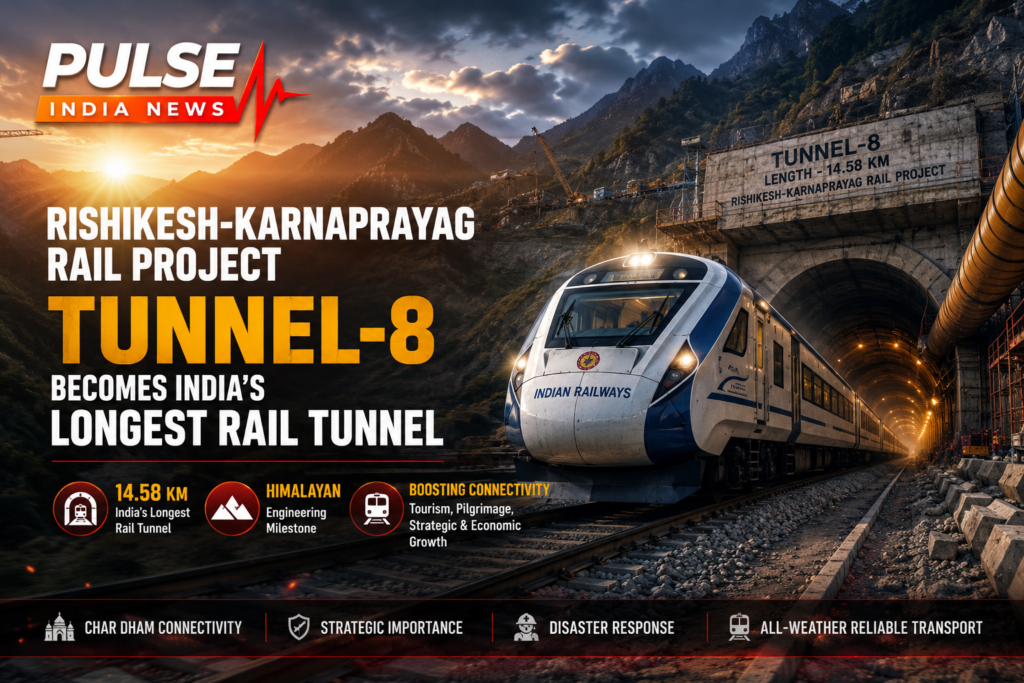
India has achieved a major milestone in Himalayan infrastructure with Tunnel-8 of the Rishikesh–Karnaprayag Rail Project officially becoming the country’s longest railway tunnel.
Stretching nearly 14.58 kilometres through the mountains of Uttarakhand, the tunnel connects Devprayag and Janasu and is seen as one of the toughest railway engineering achievements attempted in India’s fragile Himalayan terrain.
The breakthrough marks a major step forward for the ambitious Rishikesh–Karnaprayag railway line, a strategically important project designed to improve connectivity to Uttarakhand’s pilgrimage and border regions.
A Mega Himalayan Rail Project
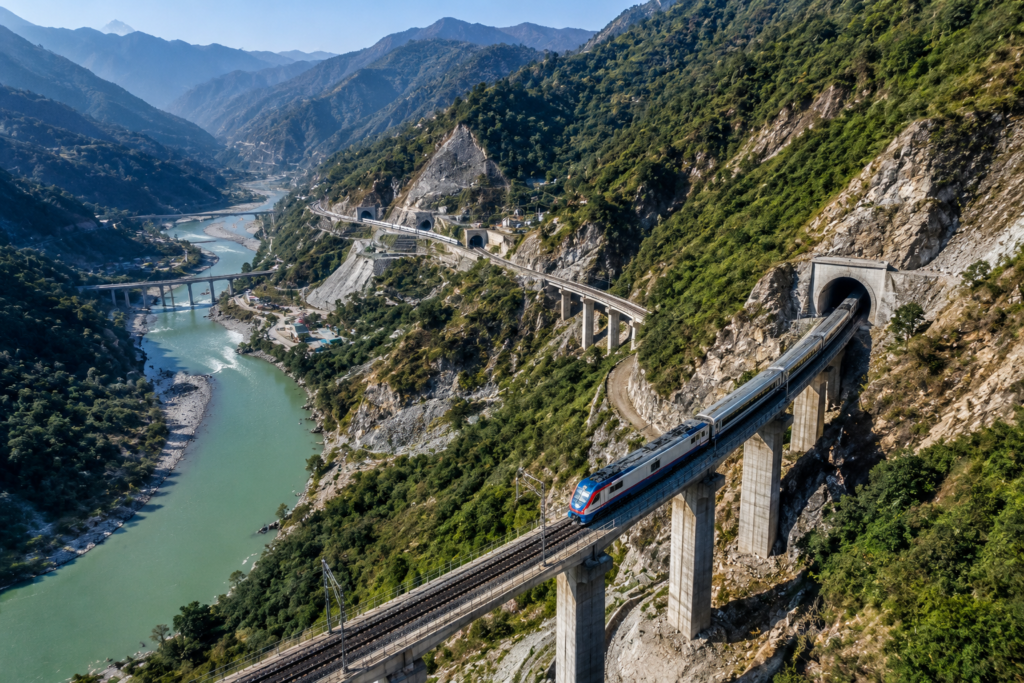
The 125-km-long Rishikesh–Karnaprayag railway line is being developed largely through tunnels and bridges due to the difficult mountain geography.
Officials say nearly 85% of the route passes through tunnels.
Once completed, the railway line is expected to significantly reduce travel time between Rishikesh and the upper Himalayan regions while boosting:
- Char Dham pilgrimage connectivity
- Tourism
- Disaster response capability
- Military logistics in border areas
The project is also considered critical after repeated natural disasters in Uttarakhand highlighted the need for faster and safer all-weather transport infrastructure.
Tunnel-8: The Biggest Engineering Challenge
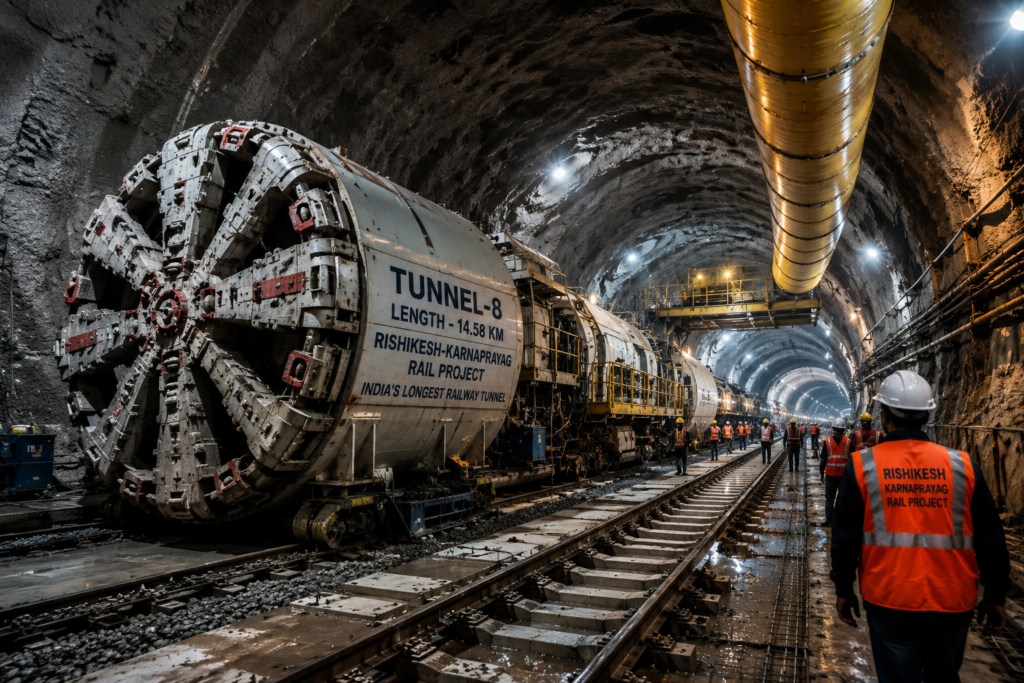
Tunnel-8 emerged as one of the most difficult sections of the project because engineers had to drill through:
- Weak Himalayan rock formations
- Underground water-bearing zones
- Landslide-prone terrain
- Seismically sensitive areas
Advanced Tunnel Boring Machines (TBMs) and specialised excavation methods were reportedly used to complete the work safely.
The tunnel now surpasses several other major railway tunnels in India in terms of length.
Why It Matters Strategically
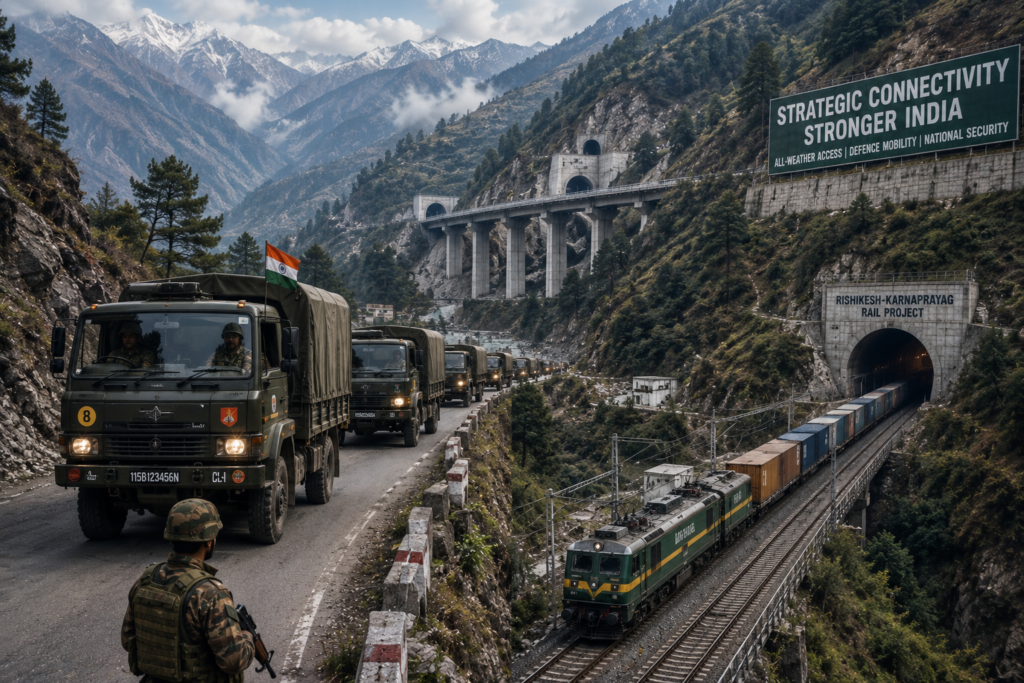
Beyond tourism and pilgrimage, the railway project also carries major strategic importance.
The route improves access toward India’s northern border regions and could support quicker movement of personnel, equipment and emergency supplies during crises.
Experts believe the railway line may eventually become part of a larger Himalayan connectivity network linked to future Char Dham rail expansion projects.
Faster Access to Char Dham Region
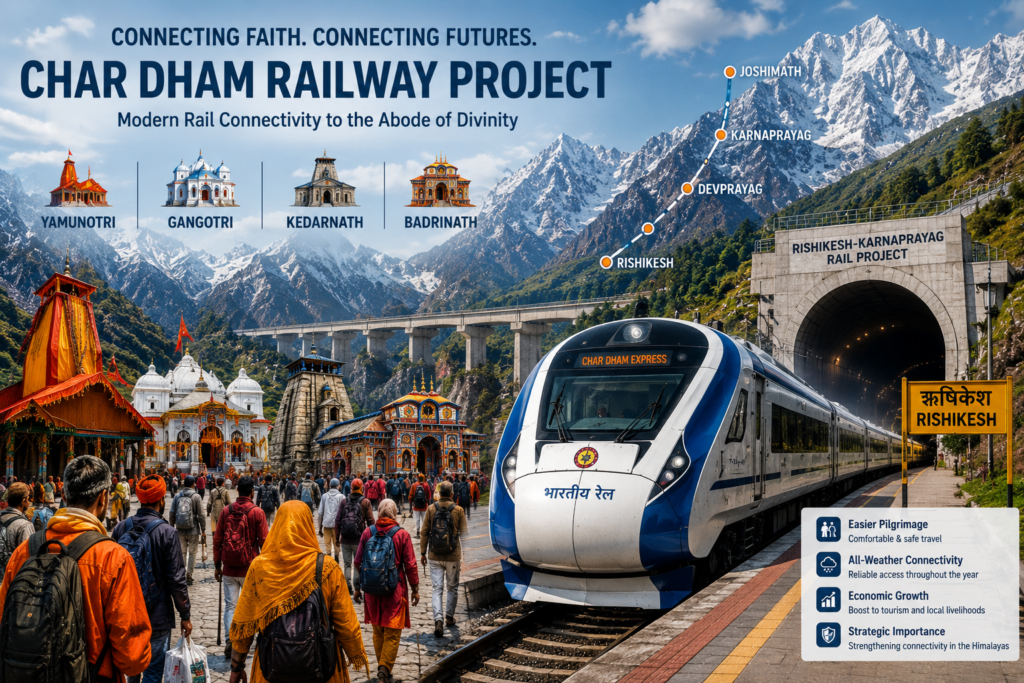
The railway line is expected to become a major transport backbone for Uttarakhand.
Travellers heading toward:
- Kedarnath
- Badrinath
- Gangotri
- Yamunotri
could eventually see faster and more reliable connectivity compared to existing mountain roads, which are often affected by landslides and weather disruptions.
Final Analysis
The completion of Tunnel-8 is being viewed as more than just an engineering milestone.
It reflects India’s growing capability to execute large-scale infrastructure projects in some of the world’s most difficult terrains.
As work continues on the broader Rishikesh–Karnaprayag line, the project is expected to play a major role in reshaping connectivity, tourism and strategic mobility across the Himalayan state of Uttarakhand.