World • Economy
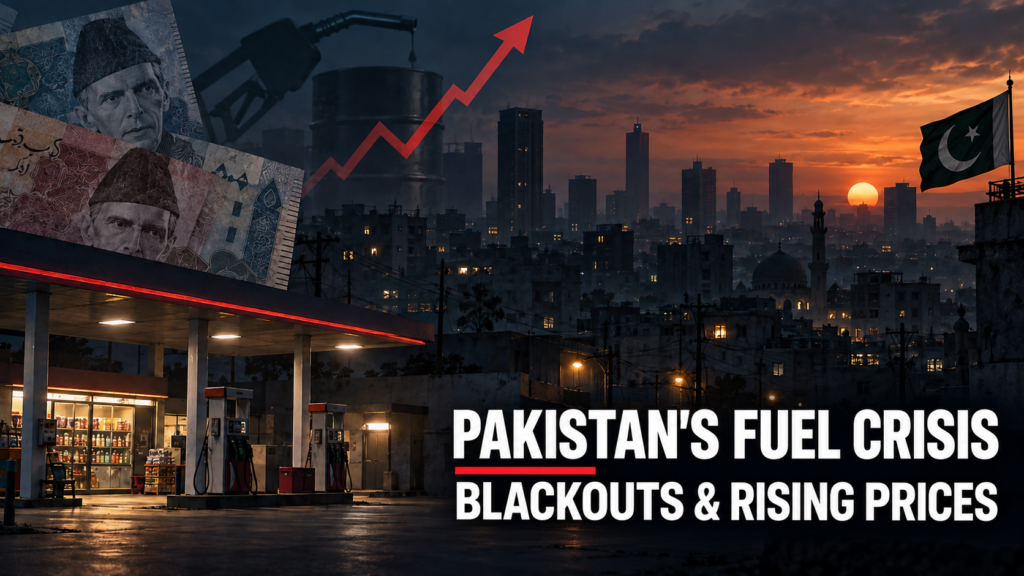
Pakistan is telling markets to close earlier, restricting official spending and scaling back government fuel use. The striking one-dish rule for weddings is part of a wider attempt to limit energy demand as turmoil in West Asia makes imported fuel costlier and less predictable.
The restrictions, announced on 17 September, reach from government garages to neighbourhood shops. They also reveal a difficult economic calculation: when a country pays more for imported oil and gas, each additional shipment can strain public finances and its supply of foreign currency.
- Shops and markets are to close by 9 PM; wedding halls by 10 PM and restaurants and cafés by 11 PM, with specified essential-service exemptions.
- Fuel provision for official vehicles is to be cut by 50% for three months. Government purchases of new vehicles are barred.
- Wedding meals are limited to one dish. Official dinners, most foreign travel and some non-essential purchases face restrictions.
Why does a shipping crisis change daily life?
Pakistan depends on energy imports. Conflict around Gulf shipping lanes and the Red Sea has disrupted trade routes and pushed up fuel costs. Even where cargoes remain available, higher prices can raise the import bill for petrol, diesel and gas. For households, the effects may arrive as higher transport and electricity costs; for businesses, they can mean more expensive production and deliveries.
The government’s response targets two pressures at once. Earlier closing hours seek to reduce evening energy use, while restrictions on official cars, travel and purchases aim to trim public spending. The vehicle ban applies to state purchases, not to private citizens buying cars.
Where the IMF programme fits
Pakistan is already operating under a $7 billion International Monetary Fund programme. That gives the country access to financing alongside economic reform commitments, but it does not insulate it from a sustained jump in the price of imported energy. A prolonged oil shock could increase the import bill, complicate efforts to control inflation and make economic growth harder to sustain.
The country’s finance minister said on 17 September that Pakistan did not currently need additional IMF support, while acknowledging that a longer conflict could put its growth target at risk. The new restrictions therefore signal heightened vulnerability
What about blackouts in Karachi and Lahore?
Electricity supply has long been uneven in parts of Pakistan, and recent reports describe serious outages affecting parts of Karachi. Fuel and gas shortages can add to pressure on generation, particularly when replacement supplies are expensive. But an outage in one district or on one day does not establish a continuous citywide blackout.
The immediate question is whether the curbs can lower demand enough to give authorities room to manage imports without imposing heavier costs on households and small businesses. Their impact will depend on how long regional shipping disruptions last and whether energy prices ease.