288 Indians remain uncontactable as Nepal’s flood disaster grows; 21 Indian nationals rescued
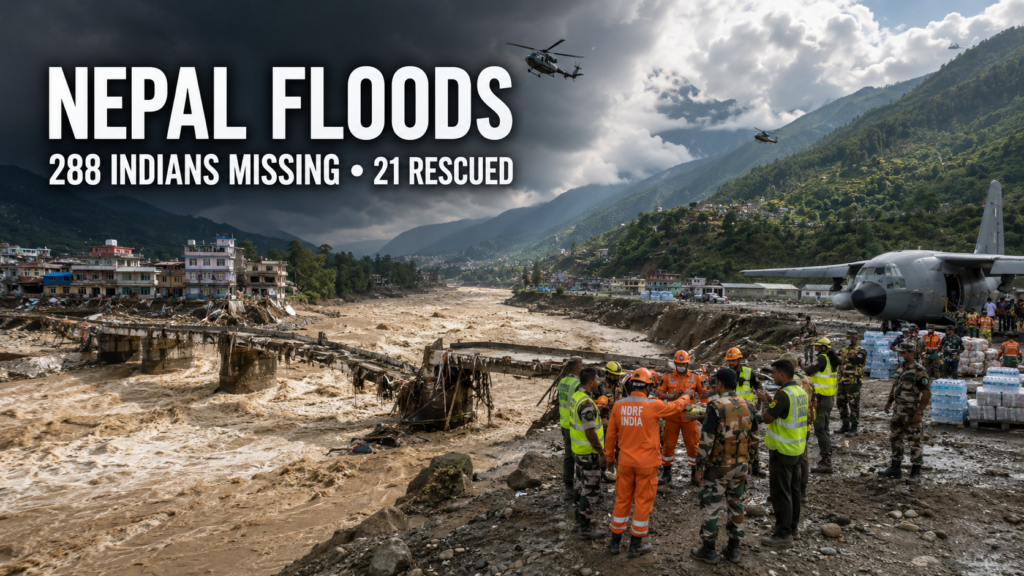
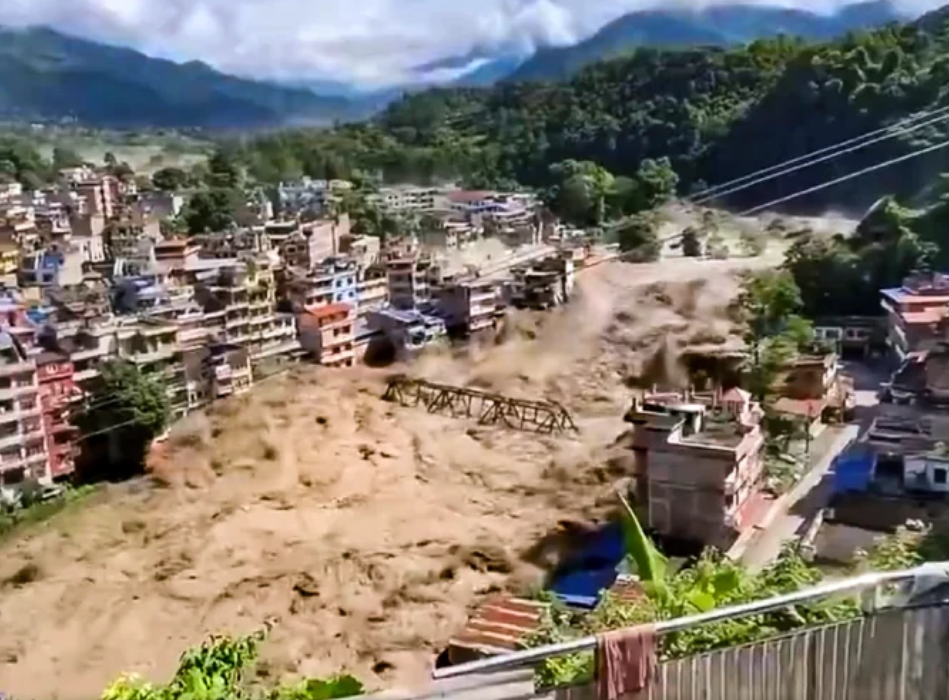
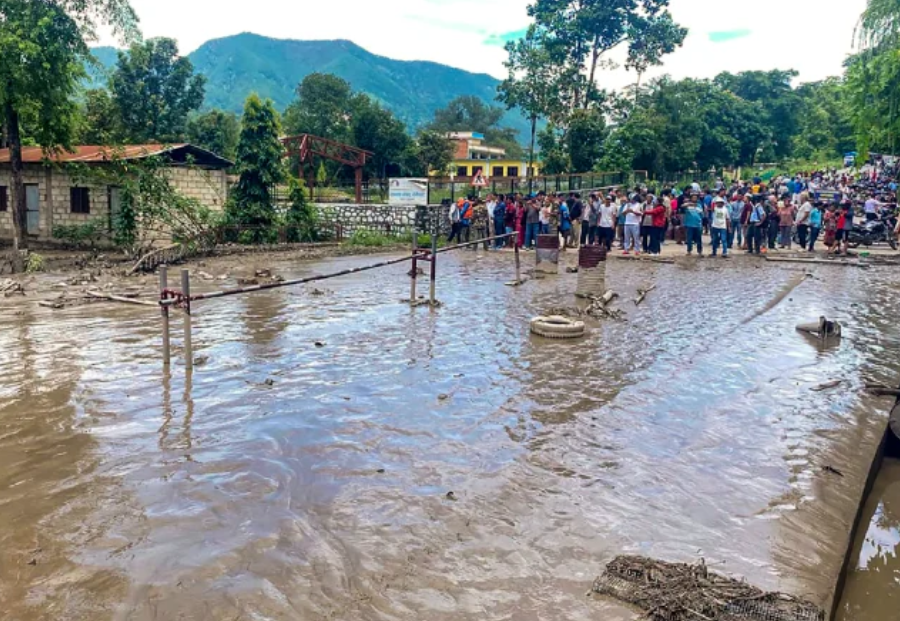
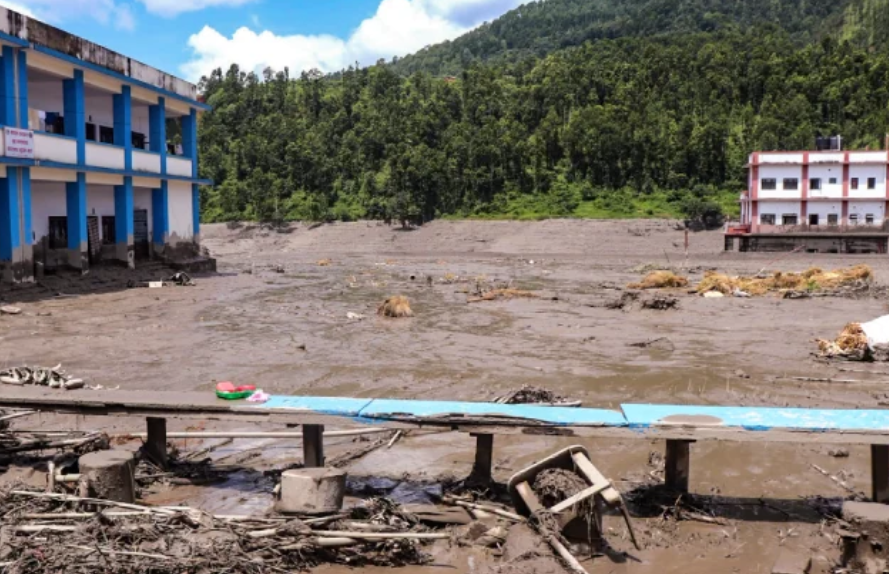
KATHMANDU/NEW DELHI, August 27, 2026: India has confirmed that 288 Indian nationals remain uncontactable after catastrophic flash floods swept through Nepal’s Bhote Koshi–Trishuli river corridor, destroying settlements, roads, bridges and hydropower infrastructure.
Ministry of External Affairs spokesperson Randhir Jaiswal said 21 Indian nationals from Tamil Nadu had been rescued and were being transported towards Kathmandu before arrangements were made for their return to India.
Why the Indian figure increased from 133 to 288
The first missing-person lists were compiled from a limited number of travel and trekking agencies. Those preliminary records initially identified 105 Indians and were subsequently revised to 133 and then 178 as additional passenger information became available.
The latest figure of 288 was announced by India’s Ministry of External Affairs and covers a wider group of Indian nationals. It includes tourists, Kailash Mansarovar pilgrims and employees working at a hydropower project.
MEA breakdown of major Indian groups
| Group | Number uncontactable |
|---|---|
| Employees of the Trishuli-1 hydropower project | 73 |
| Tamil Nadu group travelling through Samrat Travels | 37 |
| Tamil Nadu group travelling through Fly Everest Travels | 49 |
| West Bengal group reported near Timure, Rasuwa | 32 |
| Travellers from different states through Richa Tours | 61 |
| Group from Kerala | 33 |
The MEA described the figures as preliminary and said Indian officials were working with Nepalese authorities, project representatives and travel agencies to locate everyone.
Twenty-one Indians rescued
The 21 rescued Indian nationals are from Tamil Nadu. According to the MEA, they were being brought to Kathmandu, after which arrangements would be made for their safe return to India.
Around 200 additional Indians stranded in Tibet have contacted Indian authorities seeking assistance. Approximately 95 were reported in Darchen, while other groups were located around Jilong, Zutulphuk and routes leading towards Saga and Hilsa.
The MEA cautioned that there could be some overlap between people reported missing and Indians stranded on the Chinese side because communications and border movement have been severely disrupted.
Is the nationality list shared earlier correct?
The list stating that 462 Nepalis, 133 Indians and citizens from several other countries were missing appears to be an earlier compilation. It should not be published as the latest Nepal government figure without a timestamp.
A later Nepal Tourism Board update listed 644 missing travellers, including 517 foreign nationals and 127 Nepalis. That tourist-only list included 178 Indians, 65 Americans, 53 Ukrainians, 51 Malaysians, 35 Australians, 33 British nationals and 25 Canadians.
However, India’s MEA subsequently reported 288 Indians uncontactable after including hydropower workers and additional travel groups. The two figures cover different categories and should not be presented as a direct contradiction.
Death toll rises as bodies are recovered downstream
Nepalese authorities reported that the death toll had reached at least 270 by Thursday afternoon. Bodies were recovered from districts located far downstream, including Chitwan, Nawalparasi East, Dhading, Gorkha, Rasuwa, Nuwakot and Tanahun.
Regional reports covering both Nepal and China’s Tibet region placed the combined death toll above 350. More than 1,300 people were reportedly missing across both sides of the border.
The figures may continue to change as search teams reach isolated communities and authorities reconcile overlapping lists from government departments, security agencies, tourism companies and foreign embassies.
What caused the Nepal flash floods?
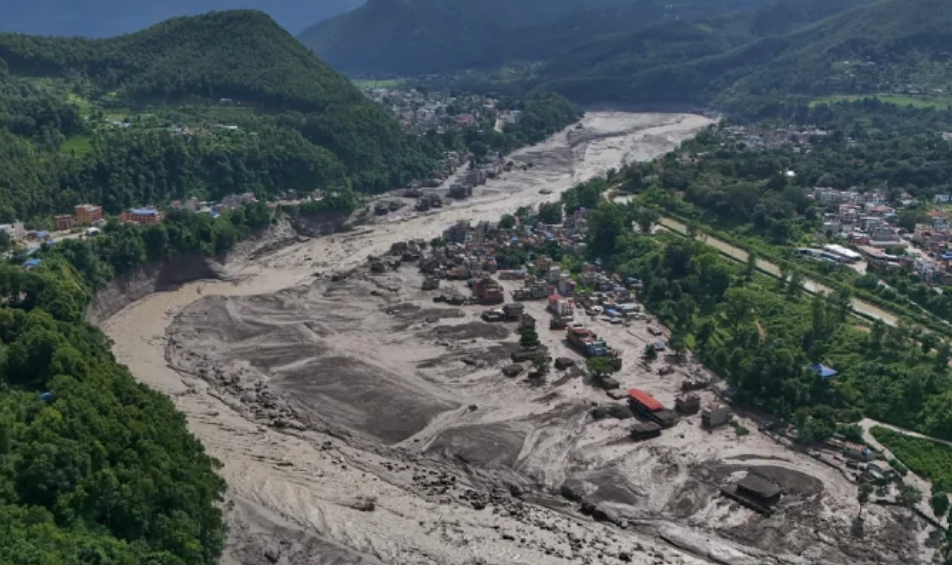
Preliminary satellite analysis suggests that a large ice-and-rock collapse occurred in the high Himalayas near the Nepal–Tibet border. The falling material entered or blocked a tributary connected to the Bhote Koshi river before a destructive surge of water, mud, rocks and sediment travelled downstream.
The event was initially interpreted by some monitoring systems and early reports as an earthquake. Subsequent analysis indicated that the detected seismic signal was more likely generated by the massive landslide or glacial collapse itself.
Officials have warned that water remains trapped behind an upstream obstruction, creating a risk of additional flooding if the natural dam suddenly fails. Communities along the Bhote Koshi, Trishuli and connected downstream rivers have been advised to remain away from riverbanks.
Roads, bridges and power projects destroyed
The floods reportedly damaged or destroyed dozens of motorable and suspension bridges and washed away approximately 40 kilometres of roads. Key routes towards the Rasuwagadhi border crossing were severed, making helicopters essential for rescue and relief operations.
Several hydropower facilities were also affected, including projects operating or under construction along the Trishuli river system. The long-term damage could disrupt electricity generation, cross-border trade, tourism and local employment.
India sends nearly 50 tonnes of emergency assistance
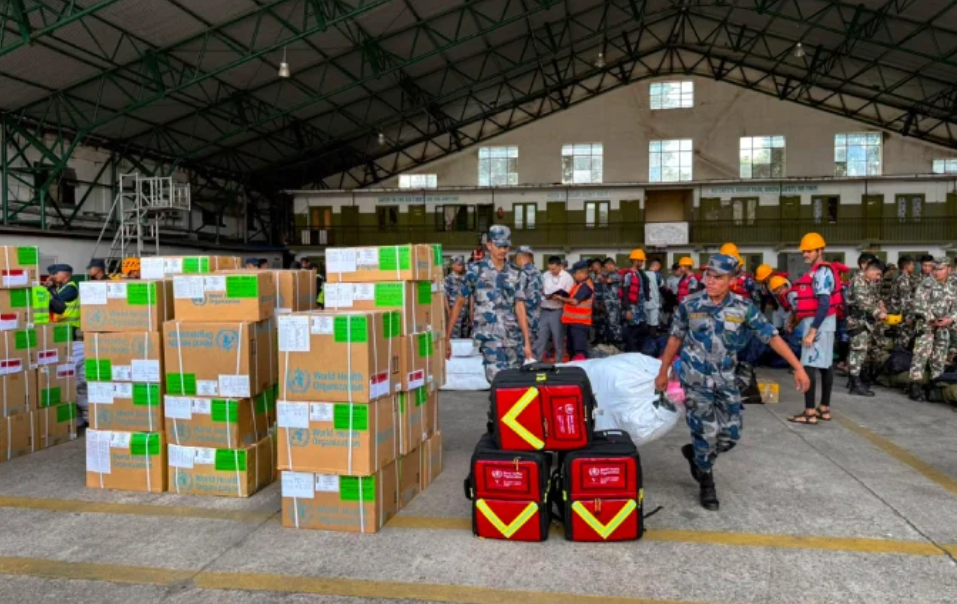
India has dispatched approximately 47.5 tonnes of humanitarian assistance to Nepal in two consignments. The relief material includes medicines, food packets and other disaster-response supplies.
A C-130J aircraft delivered the first consignment, while a C-17 transport aircraft carried a larger second shipment. India is also considering additional assistance, including temporary bridging equipment, as Nepal assesses the destruction of roads and bridges.
Prime Minister Narendra Modi spoke with Nepal’s prime minister and conveyed India’s condolences and commitment to provide all possible assistance. More than 5,000 Nepalese soldiers and police personnel have joined the rescue and recovery operation.
Emergency helplines for Indians
MEA 24×7 Special Control Room, New Delhi
Telephone: +91 11 2308 8718
Telephone: +91 11 2308 8719
Telephone: +91 11 2301 2113
WhatsApp: +91 99682 91988
Email: situationroom@mea.gov.in
Embassy of India in Kathmandu
+977 985 131 6807
+977 970 910 7500
Embassy of India in Beijing – WhatsApp
+86 185 1428 4905
Nepal emergency assistance
Toll-free: 1234
Hotline: 1144
Tourist Police: 9851289445
Search operations continue
Rescuers are using helicopters, drones, sniffer dogs and ground teams to search riverbanks, collapsed buildings and mud-covered settlements. Access remains difficult because roads and bridges have been washed away and communications remain unreliable.
Families have been asked to provide passport details, travel-company information, last-known locations and contact numbers to Indian diplomatic missions. Authorities have also urged the public not to treat preliminary missing-person lists as confirmation of death.