Malda Hospital: 60 Newborn Deaths in Three Weeks Trigger Bengal Probe
Ten babies died on a single day as authorities examine critical referrals, neonatal care and possible gaps across the district’s healthcare system.
Sixty newborn babies reportedly died at Malda Medical College and Hospital during the first three weeks of August 2026, including 10 deaths recorded on August 12. The West Bengal Health Department has sought a detailed report as officials investigate hospital care, severe medical complications and possible weaknesses in the district’s neonatal referral system.
What happened at Malda Medical College?
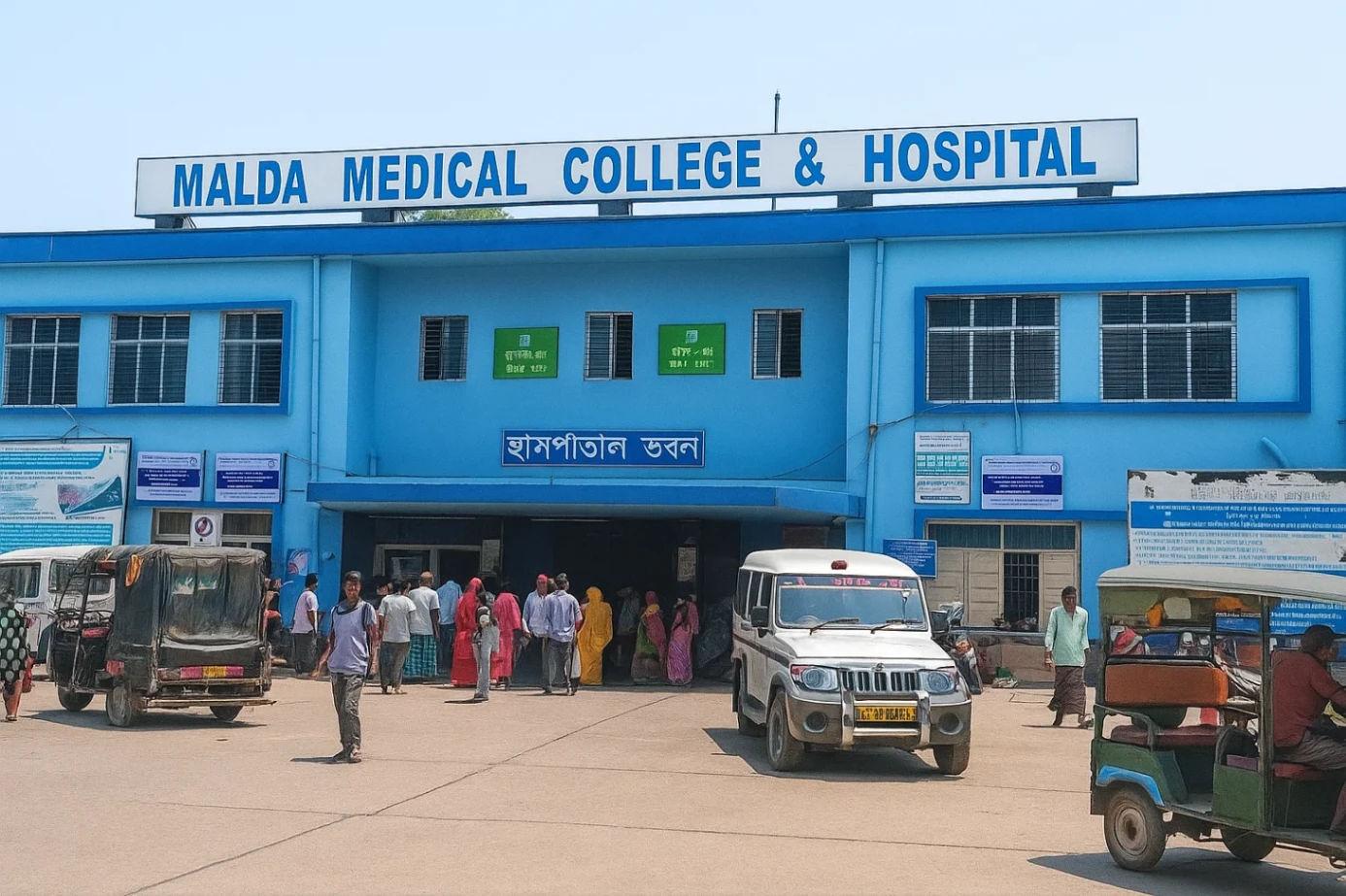
The deaths were recorded at the government-run Malda Medical College and Hospital in West Bengal. The case attracted wider scrutiny after hospital authorities acknowledged that 10 newborns died on a single day during the second week of August.
Professor Dr Prasenjit Bar, the hospital’s medical superintendent-cum-vice principal, said eight of the 10 babies who died that day had been transferred from other government healthcare centres or private nursing homes in critical condition. Two had been born at Malda Medical College.
Hospital officials have attributed the deaths to a range of serious neonatal conditions. State authorities, however, are examining the individual case records and the treatment provided at every stage before reaching any conclusion.
Most of the babies were referral cases
According to figures supplied by hospital officials and carried in multiple reports, 44 of the 60 babies had been born elsewhere and were brought to Malda Medical College as referral cases. The other 16 were born at the medical college.
| Reported category | Number of babies | Share of reported total |
|---|---|---|
| Referred from other facilities | 44 | About 73.3% |
| Born at Malda Medical College | 16 | About 26.7% |
| Total deaths reported | 60 | 100% |
The high proportion of referrals has shifted part of the investigation towards the smaller hospitals, nursing homes and government health centres where many of the babies were initially delivered or treated.
What medical conditions were reported?
Hospital officials cited several severe conditions among the newborns:
- Congenital heart disease
- Acute respiratory distress
- Birth asphyxia
- Jaundice
- Low birth weight
- Other serious neonatal complications
Of the 10 babies who died on August 12, four reportedly had congenital heart disease, two had severe respiratory distress and four had other major complications, according to the hospital’s account.
Confirmed: Hospital authorities acknowledged the reported deaths, the Health Department sought a detailed report, and a preliminary inquiry began.
Not yet established: The inquiry has not publicly concluded that all 60 deaths resulted from a single cause, hospital negligence, infection or infrastructure failure.
Why this distinction matters: Many babies reportedly arrived with critical illnesses, but investigators must still determine whether earlier diagnosis, faster referral, safer transport or different treatment could have changed individual outcomes.
What will the Health Department investigate?
The detailed review is expected to reconstruct the medical history and treatment timeline of each baby. Key areas likely to be examined include:
- The child’s condition on arrival at Malda Medical College
- Treatment and stabilisation provided before referral
- Time taken to arrange and complete the transfer
- Availability of neonatal ambulances, oxygen and trained personnel
- Capacity of neonatal intensive-care units and ventilator support
- Staffing levels, infection-control measures and treatment protocols
- Prenatal, delivery and postnatal care received by the mother and baby
Reports said officials had begun inspecting hospitals and nursing homes linked to the referral chain. The review is intended to assess both Malda Medical College and the wider maternal and neonatal healthcare network serving the district.
Timeline of the Malda hospital inquiry
Why the referral system is under scrutiny
A newborn’s condition can deteriorate rapidly. Babies suffering from breathing difficulty, congenital heart defects, severe jaundice or birth-related oxygen deprivation may require specialist intervention within a narrow window.
Delays in recognising danger signs, stabilising the baby, locating an intensive-care bed or arranging medically supported transport can substantially increase the risk. Investigators will therefore need to determine not only where each baby died, but also what happened before the baby reached the medical college.
At the same time, being transferred in critical condition does not automatically prove that the referring centre was at fault. Medical records, referral notes, transport details and admission assessments will be necessary to establish responsibility in each case.
Pressure on tertiary neonatal care
Government medical colleges often function as the final referral point for large populations and receive the most complex cases from district hospitals, rural centres and private facilities. This can put sustained pressure on neonatal intensive-care beds, specialists, nurses and life-support equipment.
The Malda inquiry could therefore have implications beyond a single hospital. Its findings may expose weaknesses in early-risk identification, newborn stabilisation, ambulance services, intensive-care capacity or the regulation of private nursing homes.
The comprehensive report is expected to compare the babies’ medical conditions, referral histories and treatment records. Any conclusion about negligence, systemic failure or preventable deaths should be based on that inquiry—not on the overall number alone. Corrective action could include improved referral protocols, more neonatal-care capacity, specialist staffing and tighter inspections of maternity facilities.
Frequently Asked Questions
How many newborn deaths were reported at Malda Medical College?
Sixty newborn deaths were reportedly recorded during the first three weeks of August 2026.
How many babies died in a single day?
Hospital officials said 10 newborns died on August 12. Eight had reportedly been referred from other facilities in critical condition.
Has medical negligence been proven?
No. The state inquiry is still underway, and no final public finding establishing negligence has been announced.
What conditions were linked to the deaths?
Hospital officials cited congenital heart disease, respiratory distress, birth asphyxia, jaundice, low birth weight and other serious neonatal complications.
Why are other hospitals being examined?
Forty-four of the 60 babies were reportedly referred from other facilities. Authorities are therefore examining the care, stabilisation and transfer process before those babies reached Malda Medical College.
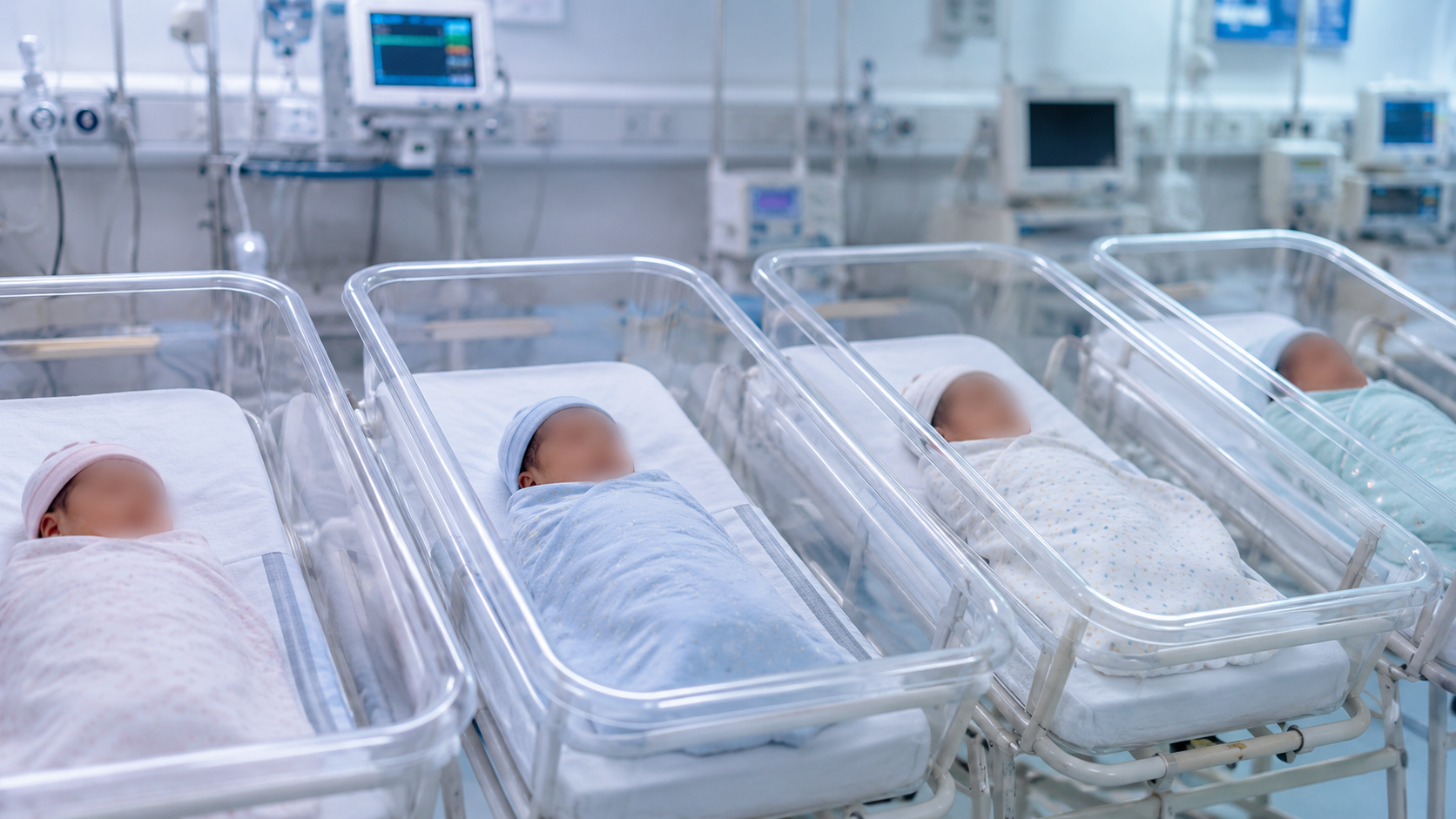
Image disclosure: The featured image is AI-generated and is used only for representation. It does not depict the babies involved in the reported cases.