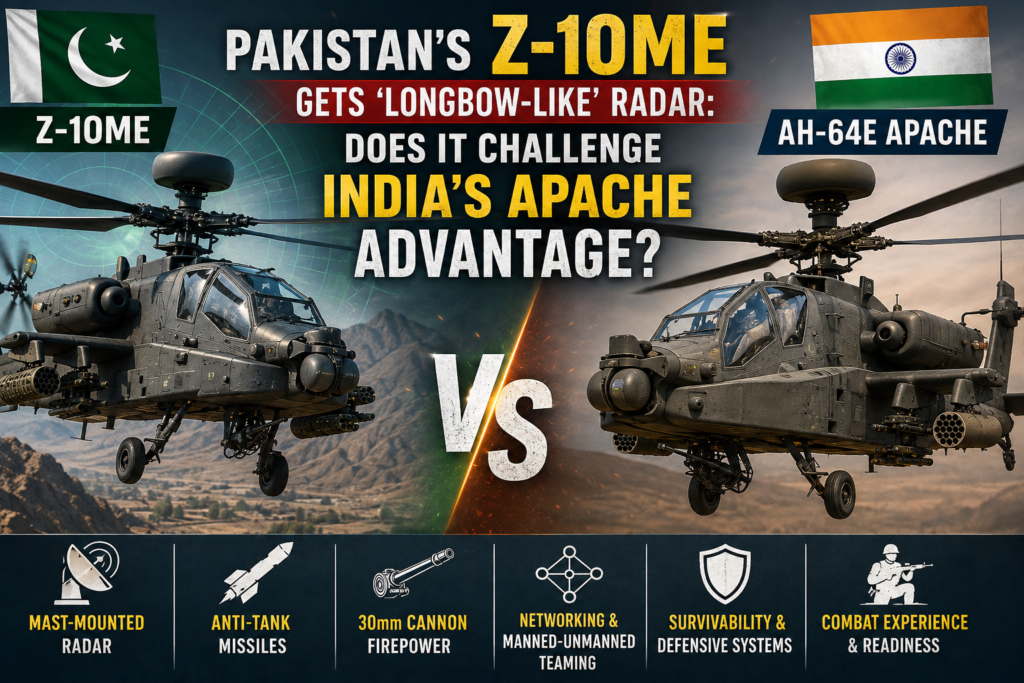
Pakistan’s Chinese-built Z-10ME attack helicopter is emerging with a mast-mounted millimetre-wave radar that enables terrain-masked target detection and precision engagements. But does that really put it on the same level as India’s battle-proven AH-64E Apache Guardian?
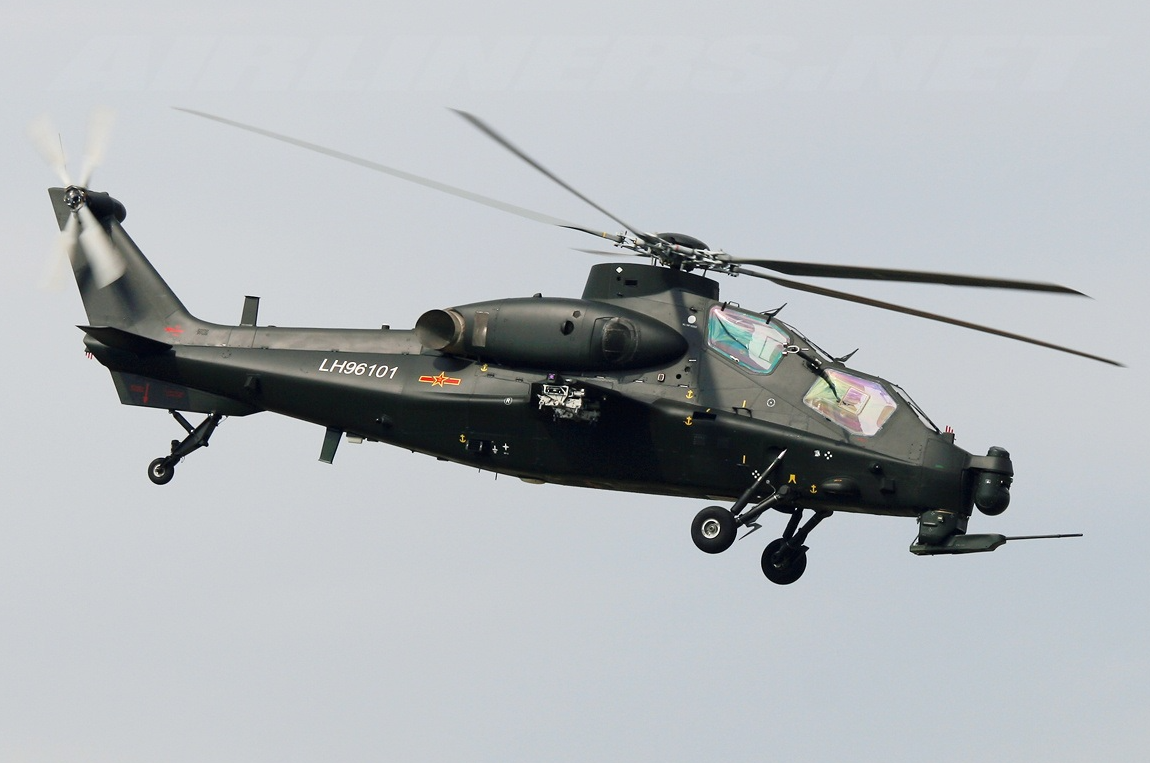
Pakistan’s induction of the Chinese-built Z-10ME attack helicopter has added a new dimension to the low-altitude battlefield balance in South Asia. The aircraft itself is not entirely new, but the appearance of Z-10MEs equipped with a mast-mounted millimetre-wave fire-control radar is strategically more significant than the helicopter’s arrival alone.
The radar gives the helicopter a capability conceptually similar to the mast-mounted Longbow radar associated with the AH-64 Apache family: the crew can use terrain, ridgelines or other obstacles as cover while exposing primarily the radar above the obstruction to search for targets.
That makes Pakistan’s new helicopter more dangerous to armour, artillery and forward positions than older gunships dependent primarily on direct visual or electro-optical acquisition. But a radar mounted above the rotor does not automatically turn the Z-10ME into an Apache equivalent.
What Exactly Has Changed on Pakistan’s Z-10ME?
China had previously shown upgraded Z-10 configurations capable of carrying a millimetre-wave fire-control radar above the main rotor. Pakistan’s radar-equipped Z-10ME now brings that capability into an operational South Asian context.
The basic tactical principle is straightforward. Instead of climbing fully above a ridge or obstacle and exposing the helicopter’s entire fuselage, a crew can attempt to remain masked while allowing the mast-mounted radar to scan the battlespace.
Once targets are detected and prioritised, the helicopter can briefly expose itself, launch a weapon, reposition or potentially pass target information to cooperating units depending on the maturity of its communications architecture.
This is particularly relevant in mountainous or broken terrain, where valleys, ridgelines and elevation changes provide natural masking opportunities.
Z-10ME Sensors and Defensive Systems
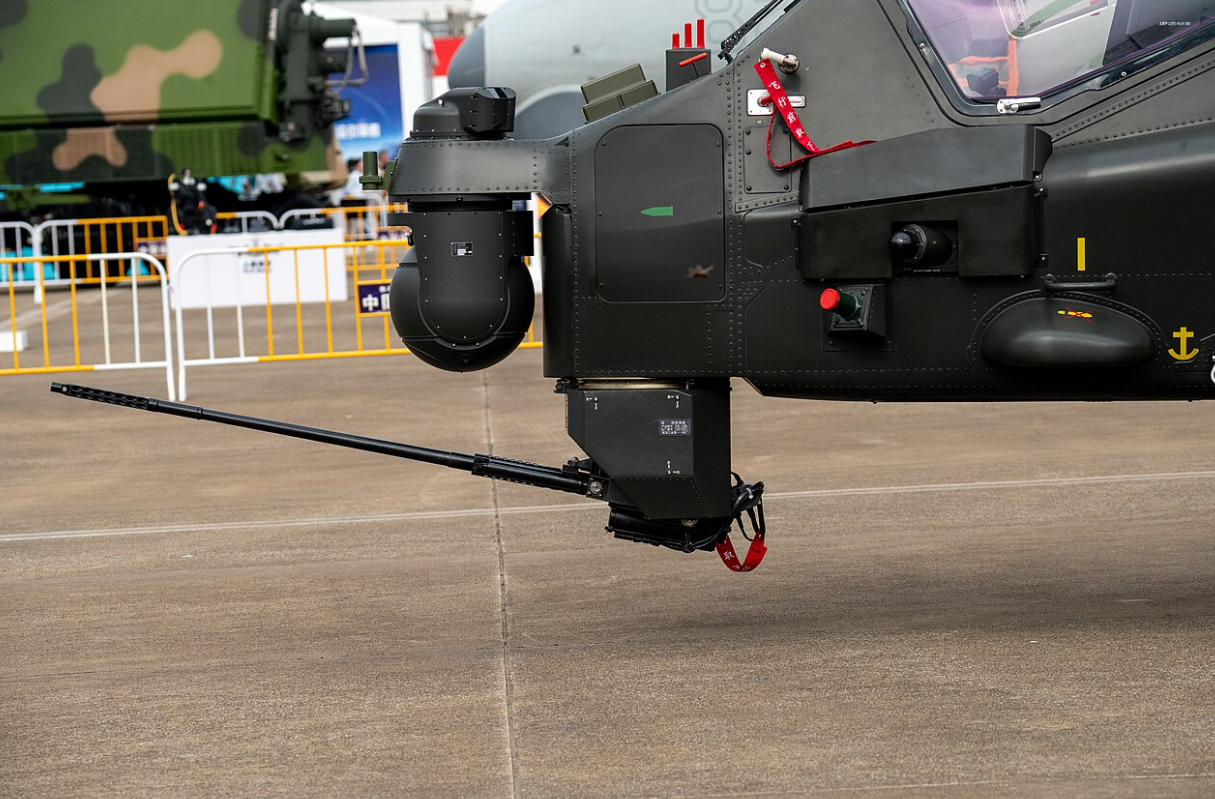
The Z-10ME is an export-oriented evolution of China’s Z-10 attack helicopter. Publicly displayed versions show a tandem-seat cockpit, nose-mounted electro-optical targeting turret, chin-mounted cannon, warning sensors, armour protection and external hardpoints for missiles and rockets.
Chinese military reporting has previously highlighted improvements to later Z-10 versions including additional armour, upgraded engines and the ability to install millimetre-wave radar. Pakistan’s export model has also been associated with radar-warning, missile-warning and electronic countermeasure equipment.
The helicopter is therefore substantially more sophisticated than the ageing AH-1F/S Cobra fleet Pakistan Army Aviation historically relied upon.
Z-10ME vs AH-64E Apache: Specifications
| Feature | Pakistan Z-10ME | India AH-64E Apache |
|---|---|---|
| Role | Medium attack / armed reconnaissance helicopter | Heavy attack / armed reconnaissance helicopter |
| Crew | 2 | 2 |
| Configuration | Twin-engine, tandem cockpit | Twin-engine, tandem cockpit |
| Main Cannon | 23 mm chin-mounted cannon | M230 30 mm Chain Gun |
| Radar | Mast-mounted millimetre-wave fire-control radar on reported Pakistani configuration | AN/APG-78 Longbow Fire Control Radar on radar-equipped aircraft |
| Electro-Optical Sensors | EO/IR targeting turret | Modernised Target Acquisition / Pilot Night Vision sensor family |
| Anti-Armour Weapons | Chinese ATGM / precision-missile family depending on configuration | AGM-114 Hellfire family and compatible precision weapons |
| Rockets | Guided / unguided rocket options | 70 mm Hydra-family rockets and precision variants where integrated |
| Networking | Exact Pakistani operational architecture not publicly established | Highly developed digital networking; Link 16 on newer configurations |
| Manned-Unmanned Teaming | Potential networked cooperation, but comparable operational capability is not publicly demonstrated | MUM-T capability allows UAS video reception and, on advanced versions, control of sensors and flight path |
| Combat Experience | No comparable publicly documented combat history for Pakistan’s Z-10ME | Apache family extensively combat-proven over decades |
Note: Public specifications for the Z-10ME vary considerably. Exact Pakistani radar performance, weapons integration, fleet configuration and readiness figures have not been officially disclosed, so unverified brochure-style figures should be treated cautiously.
Why the Apache Still Has a Major Sensor Advantage
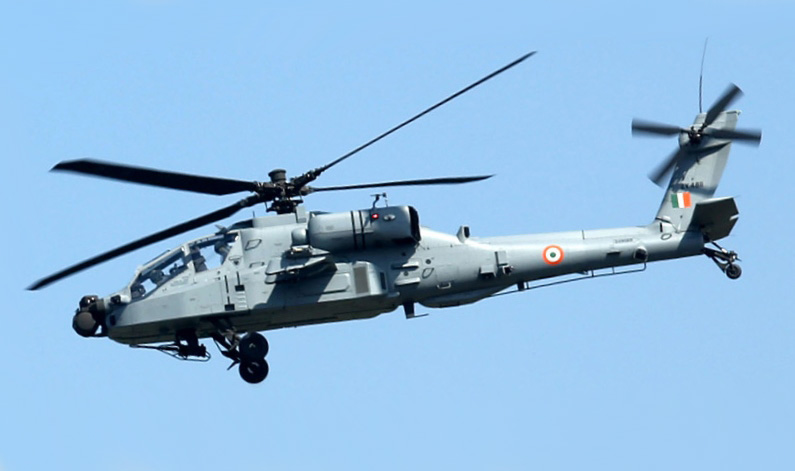
The Apache’s most important advantage is not simply that it also carries a mast-mounted radar. It is the maturity of the entire sensor-to-shooter ecosystem surrounding the aircraft.
Advanced AH-64E configurations combine the Longbow Fire Control Radar with sophisticated electro-optical sensors, digital communications, precision-guided weapons and extensive battlefield networking.
U.S. Army documentation states that upgraded Apache sensors can identify objects at distances beyond 20 kilometres under favourable conditions. Later AH-64E Version 6 aircraft also incorporate enhanced Longbow radar functions, including maritime target tracking and improved detection capability.
The result is not merely a helicopter that can detect a tank. It is a platform capable of contributing to a broader network in which aircraft, drones and ground forces exchange targeting and situational-awareness information.
Apache’s Special Feature: Manned-Unmanned Teaming
One of the most significant publicly documented Apache capabilities is Manned-Unmanned Teaming, or MUM-T.
Depending on configuration, an AH-64E crew can receive video feeds from unmanned aircraft, control UAS sensor payloads and, in advanced implementations, influence the unmanned aircraft’s flight path.
This changes the tactical geometry of an engagement. An Apache does not necessarily have to expose itself first in order to search a dangerous area. A drone may scout ahead, detect activity or investigate a suspected position while the helicopter remains farther away or behind terrain.
Public information does not currently establish that Pakistan’s Z-10ME possesses a directly equivalent, combat-mature two-way UAS control architecture. Pakistan may develop increasingly sophisticated helicopter-drone cooperation, particularly given its growing UAV inventory, but that should not be confused with a capability that has already been demonstrated to the same standard.
The Apache’s strength is increasingly its ability to operate as a battlefield information node—not merely as a missile-and-cannon platform. Sensor fusion, digital networking and drone integration can allow the crew to detect, identify and engage threats while reducing unnecessary exposure.
Firepower: 30 mm Apache Cannon vs 23 mm Z-10 Gun
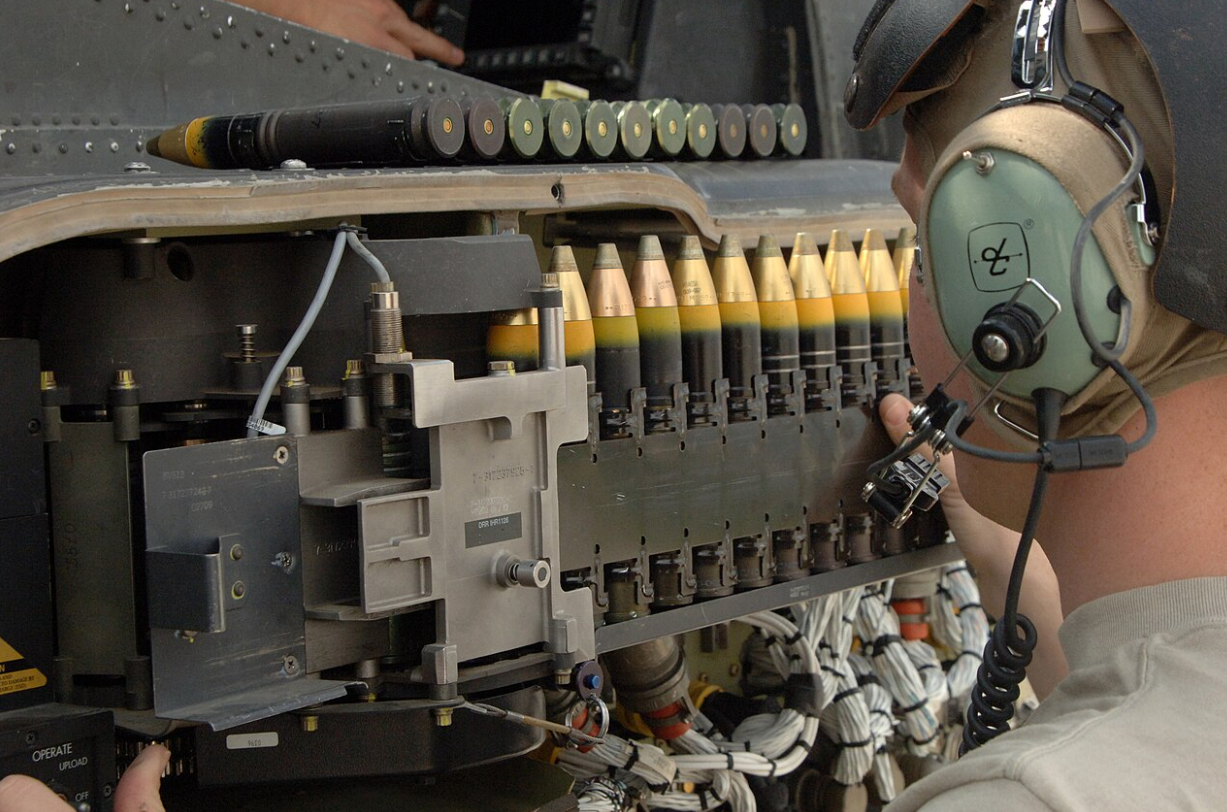
The AH-64 uses the M230 30 mm Chain Gun, mounted beneath the fuselage and capable of being cued through the helicopter’s sighting system. It gives the Apache substantial direct-fire capability against troops, unarmoured vehicles and selected lightly protected targets.
The Z-10 family instead uses a smaller 23 mm chin-mounted cannon. Both helicopters can also carry rockets and anti-armour missiles, but the Apache benefits from decades of operational integration with the Hellfire missile family and a highly mature fire-control architecture.
Weapon range alone should not decide the comparison. In modern attack-helicopter warfare, the more important question is how quickly the crew can detect, classify, distribute, engage and reassess a target while minimising its own exposure.
Combat Readiness: Where the Apache Has Its Biggest Lead
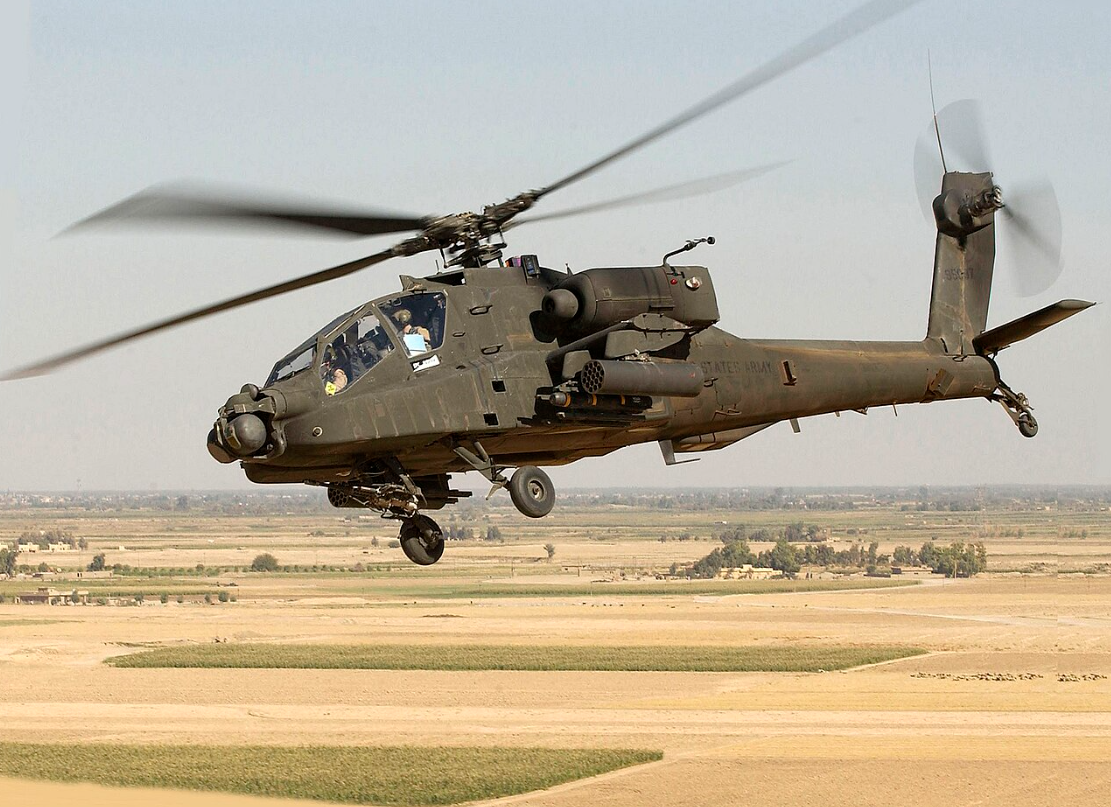
This is where the comparison becomes much more one-sided.
Boeing states that the global Apache fleet has accumulated millions of flight hours, including more than 1.3 million combat hours by U.S. Army aircraft. Apaches have operated in major conflicts and counter-insurgency campaigns across very different terrain, weather conditions and threat environments.
That experience has influenced tactics, maintenance doctrine, crew training, survivability upgrades and sensor development over multiple generations.
Pakistan’s Z-10ME, by contrast, is a comparatively recent induction. Its deployment and live-fire demonstrations show that the platform is progressing beyond a purely ceremonial capability, but there is no comparable publicly documented record of sustained high-intensity combat operations.
Is the Apache Stealthier Than the Z-10ME?
Neither helicopter should be described as a true stealth aircraft in the way the term is applied to low-observable combat aircraft such as the F-35 or J-20.
Attack helicopters remain physically large rotorcraft with acoustic, infrared, visual and radar signatures. Their survivability instead depends on a combination of terrain masking, stand-off weapons, electronic warning systems, countermeasures, armour, tactics and reducing the amount of time they remain exposed.
The Apache’s Longbow radar contributes directly to that concept. By placing the radar above the rotor mast, a radar-equipped Apache can search while much of the fuselage remains behind terrain.
Pakistan’s radar-equipped Z-10ME is now capable of employing the same broad terrain-masking concept, so this particular technique is no longer unique to the Apache in the region.
The distinction is that the Apache has had far longer to refine how radar, electro-optical sensors, datalinks, drones, weapons and crew procedures work together in real operational conditions.
Features Publicly Proven on Apache but Not Yet Equally Demonstrated on Z-10ME
This does not mean the Z-10ME cannot eventually receive comparable networking functions. China is rapidly developing networked warfare, unmanned systems and sophisticated sensors. The point is that equivalent capabilities on Pakistan’s specific Z-10ME configuration are not currently documented publicly to the same level.
Where the Z-10ME Could Still Be Dangerous
None of this makes Pakistan’s new helicopter insignificant.
A radar-equipped Z-10ME operating from dispersed forward locations could pose a serious threat to armour, artillery, logistics columns and exposed battlefield positions—especially if supported by drones, ground-based surveillance and artillery.
Its relatively smaller size, modern sensors, defensive aids and ability to exploit terrain could make it difficult to locate during low-level operations.
Pakistan also benefits from a close defence relationship with China, potentially simplifying access to compatible missiles, sensors, software improvements and future upgrades compared with procurement programmes vulnerable to Western export restrictions.
What the Z-10ME Means for India
India can no longer assume that a mast-mounted radar-equipped attack helicopter is a capability available only on its side of the India-Pakistan battlefield.
The Z-10ME therefore increases the importance of electronic surveillance, short-range air defence, camouflage, deception, drone reconnaissance and suppression of low-altitude helicopter operating zones.
India also possesses another important advantage: its attack-helicopter force is becoming more diverse. Alongside the AH-64E, the indigenous LCH Prachand provides a helicopter designed with high-altitude operations in mind.
Rather than treating Z-10ME versus Apache as a simple one-for-one contest, the more meaningful question is how effectively each country integrates helicopters with fighters, drones, artillery, electronic warfare, ground-based air defence and battlefield communications.
Pakistan’s radar-equipped Z-10ME is a meaningful capability upgrade and narrows part of India’s previous advantage in terrain-masked helicopter targeting. But it does not erase the Apache edge. India’s AH-64E remains backed by a much deeper combat record, mature precision-strike ecosystem, highly developed sensor integration and publicly demonstrated manned-unmanned networking capabilities.
Final Verdict: Has Pakistan Matched India’s Apache?
Not yet – not on the evidence available publicly.
The mast-mounted radar is an important step because it gives Pakistan a more credible ability to detect and engage targets while exploiting terrain for concealment. In a tactical engagement, that can significantly increase the threat posed by the Z-10ME.
But the Apache’s advantage extends beyond radar range or missile carriage. Its real strength lies in decades of combat-driven refinement, sophisticated electro-optical sensors, mature precision weapons, digital battlefield connectivity and the ability to work closely with unmanned systems.
Pakistan has therefore narrowed the gap rather than closed it.
The Z-10ME makes the regional attack-helicopter contest far more competitive, but until Pakistan demonstrates equivalent networking, readiness, weapons integration and combat performance, the AH-64E Apache remains the more mature and extensively validated combat system.