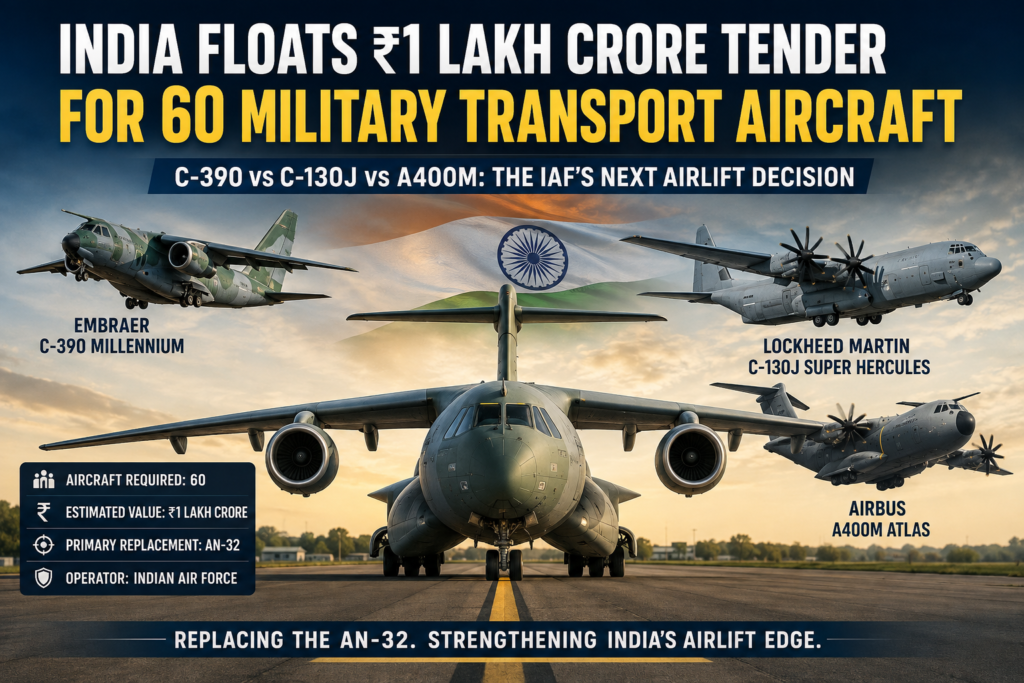
India has formally opened the race for the Indian Air Force’s next-generation military transport aircraft, issuing a tender for 60 Medium Transport Aircraft in a programme estimated at nearly ₹1 lakh crore.
By Pulse India News Desk
The programme is intended to modernise India’s medium military airlift capability and progressively replace the ageing Soviet-origin Antonov An-32 fleet.
Three major aircraft are expected to dominate the competition: Brazil’s Embraer C-390 Millennium, America’s Lockheed Martin C-130J Super Hercules and Europe’s Airbus A400M Atlas.
India’s ₹1 lakh crore military transport aircraft race begins
The Ministry of Defence has issued a Request for Proposal for 60 Medium Transport Aircraft, moving one of India’s largest upcoming military aviation procurements into the formal competitive bidding stage.
The new aircraft are expected to strengthen the Indian Air Force’s ability to transport troops, military equipment, ammunition and essential supplies across long distances and into difficult operating areas.
The requirement is particularly important for operations in the Himalayan region, where air transport can play a crucial role in quickly reinforcing forward positions.
Three aircraft, three very different approaches
What makes the competition particularly interesting is that the three leading aircraft do not offer exactly the same type of capability.
The C-390 Millennium is a modern jet-powered transport built around speed and high sortie productivity.
The C-130J Super Hercules offers proven tactical capability and already operates with the Indian Air Force.
The much larger A400M Atlas provides significantly greater carrying capacity and sits closer to the strategic-airlift category.
Embraer C-390 Millennium: The fast challenger
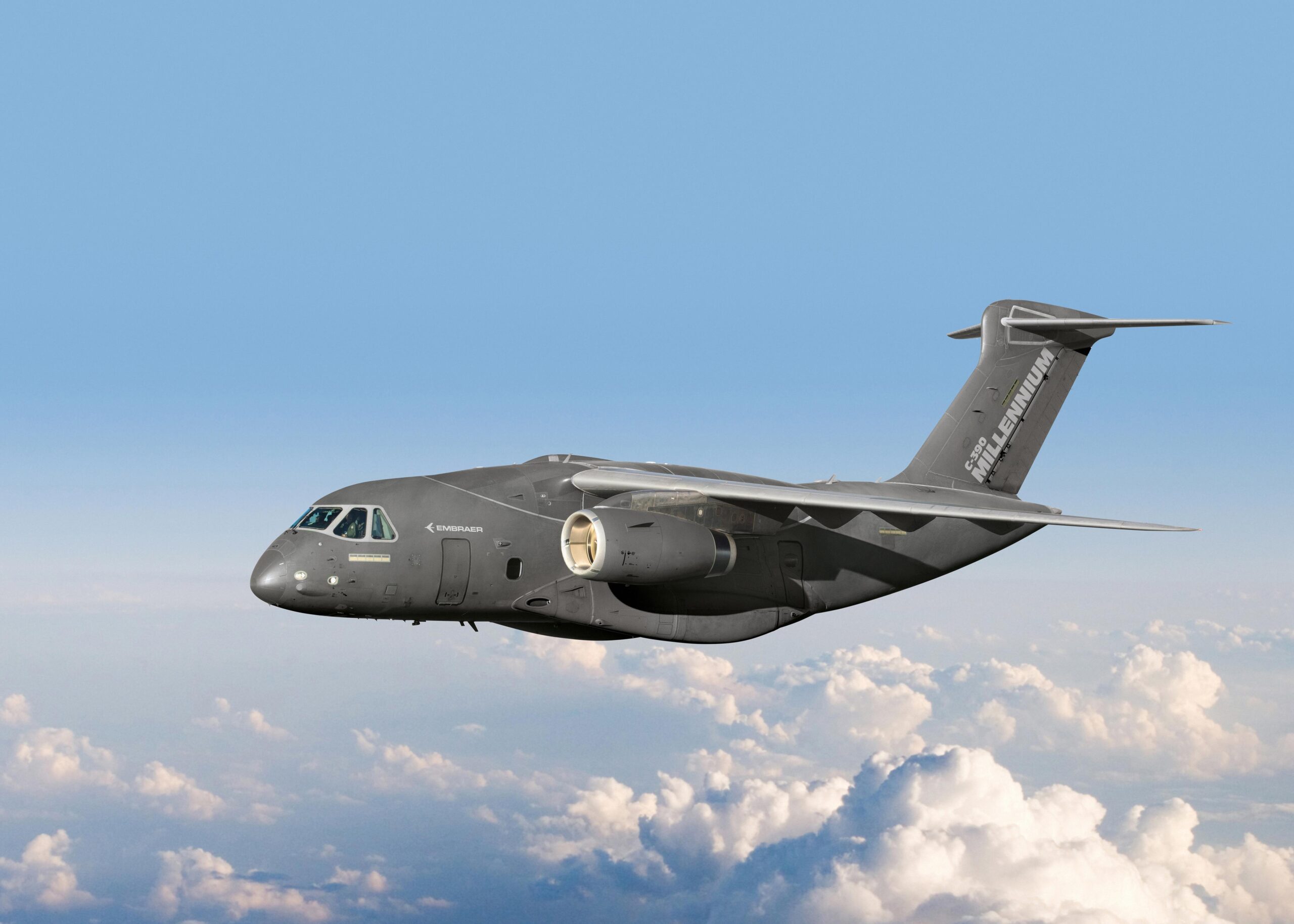
The Embraer C-390 Millennium is one of the newest aircraft in the competition and offers a different approach from traditional turboprop military transports.
Powered by two turbofan engines, the aircraft combines a payload of roughly 26 tonnes with high cruising speed.
Why the C-390 could appeal to India
Speed: Its jet-powered design allows considerably faster transit between operating locations.
Payload: It can carry around 26 tonnes of cargo, placing it firmly in the medium transport category.
Multi-role capability: The aircraft can perform cargo transport, troop movement, medical evacuation, humanitarian missions and aerial refuelling roles.
Make in India: Embraer is working with Mahindra Group as it develops its industrial proposition for India.
C-130J Super Hercules: The proven IAF option
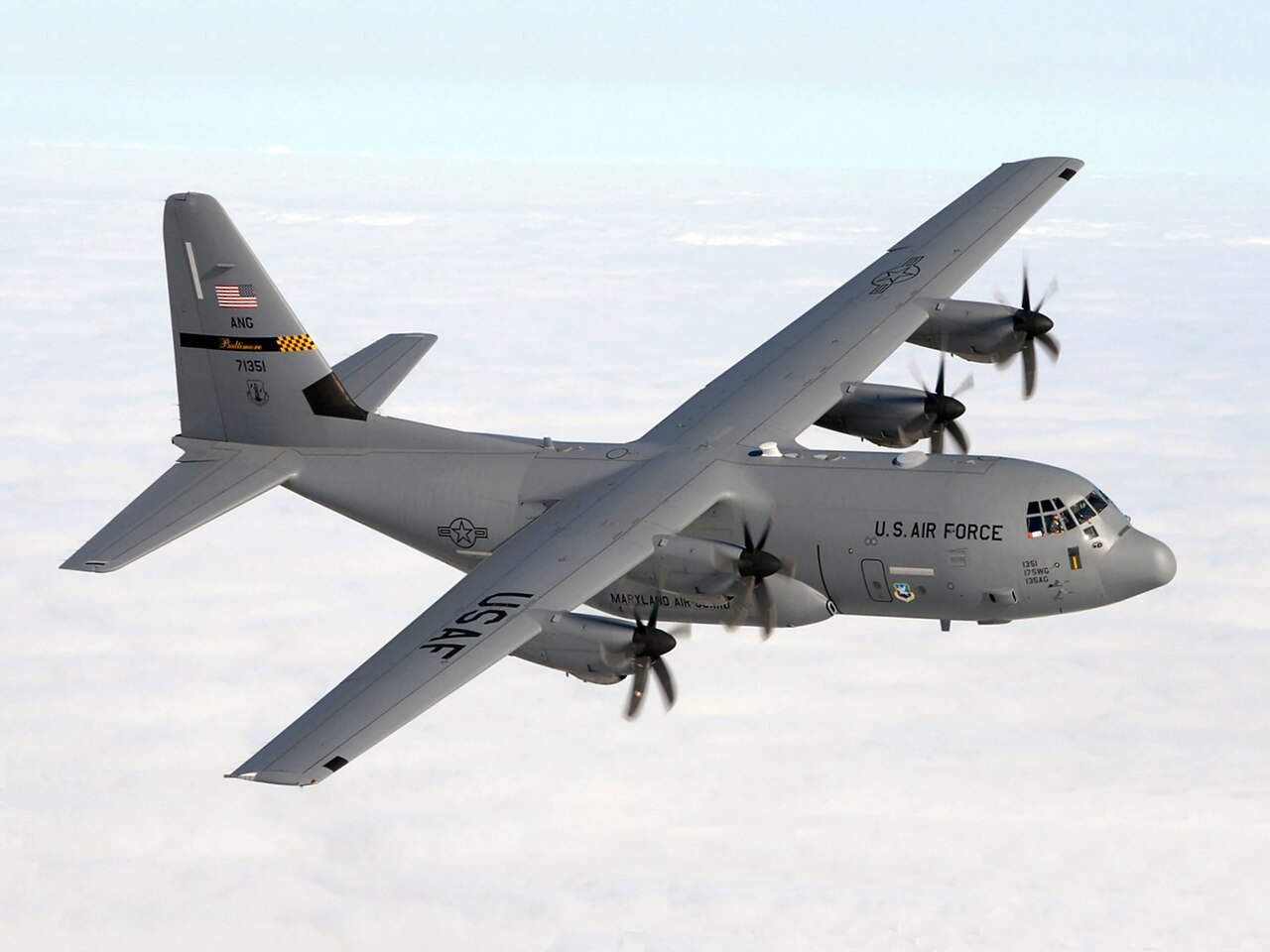
The Lockheed Martin C-130J Super Hercules enters the competition with an advantage no other contender possesses: the aircraft is already operational with the Indian Air Force.
India uses the C-130J for tactical transport and specialised military missions.
The C-130J’s biggest advantage: familiarity
IAF pilots, technicians and support personnel already have experience operating the platform.
That could reduce some of the training, infrastructure and maintenance challenges normally associated with introducing an entirely new aircraft type.
Airbus A400M Atlas: The heavyweight contender
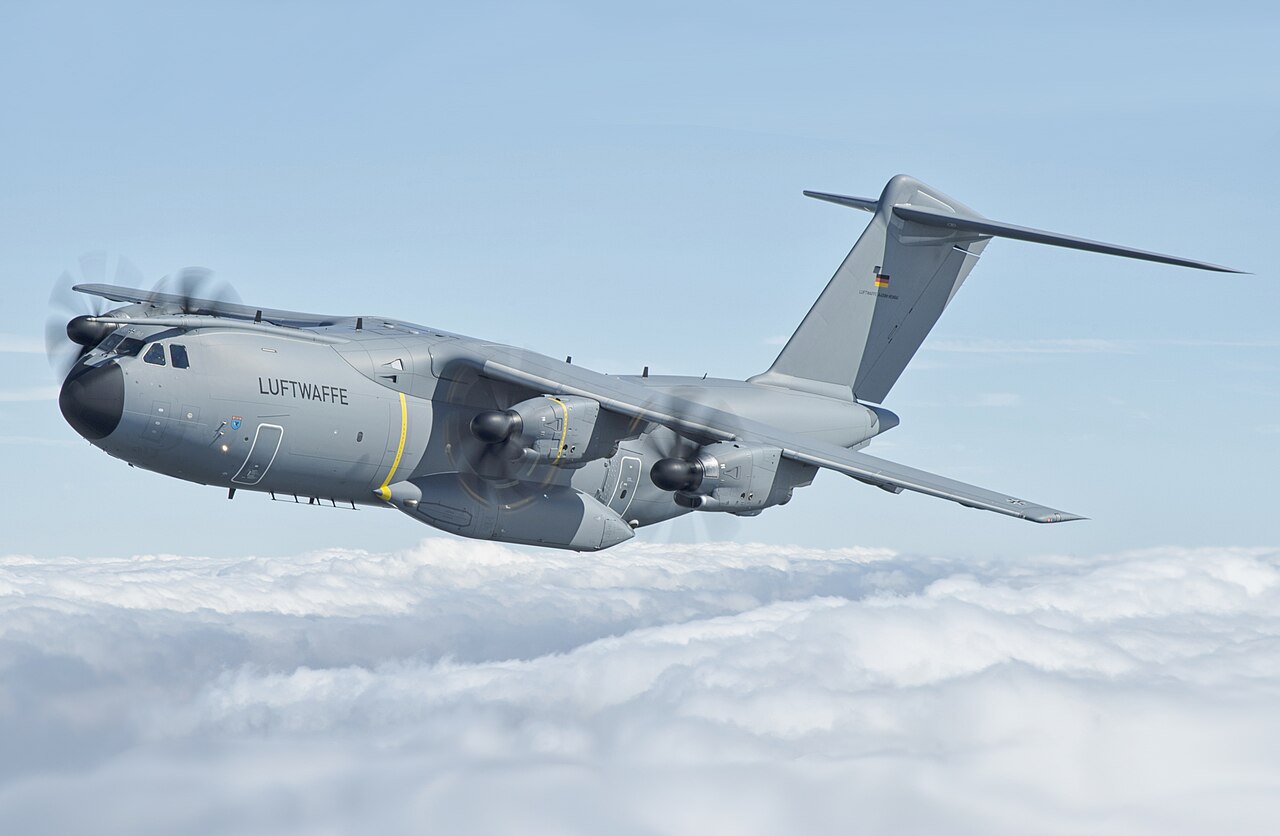
The Airbus A400M Atlas represents a very different proposition.
It is considerably larger than both the C-390 and C-130J and offers greater cargo capacity.
The A400M therefore raises an important strategic question: should India simply replace the An-32 category, or should it acquire a larger aircraft capable of performing missions traditionally assigned to heavier strategic transports?
C-390 vs C-130J vs A400M
| Aircraft | Manufacturer | Engine | Main strength | India advantage |
|---|---|---|---|---|
| C-390 | Embraer | Twin jet | Speed + payload | Modern platform + localisation push |
| C-130J | Lockheed Martin | Four turboprops | Tactical operations | Already operated by IAF |
| A400M | Airbus | Four turboprops | Heavy payload | Existing Airbus-Tata manufacturing ecosystem |
Why India needs to replace the An-32
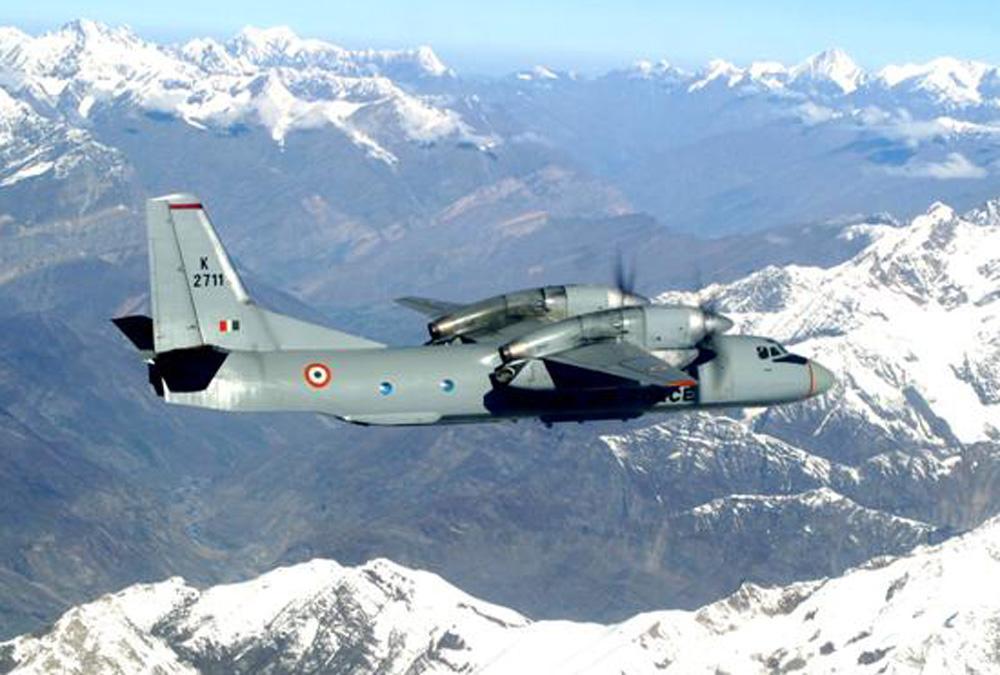
The Antonov An-32 has been one of the most important transport aircraft in Indian Air Force service since the 1980s.
Its ability to operate in difficult conditions made it particularly valuable for supplying military positions in mountainous and remote areas.
However, an ageing fleet inevitably becomes more difficult and expensive to maintain.
Why the new transport fleet matters on the China border
India’s geography makes military airlift particularly important.
Forward deployments in Ladakh, Arunachal Pradesh and other Himalayan sectors require the continuous movement of troops, ammunition, food, fuel, engineering equipment and other supplies.
Road infrastructure has improved significantly, but difficult terrain and extreme weather can still slow ground logistics.
Transport aircraft allow commanders to move critical supplies and reinforcements much faster.
A modern medium transport fleet with greater payload and better availability than the ageing An-32 fleet could significantly strengthen India’s ability to sustain military operations in forward areas.
India is rebuilding its military transport fleet
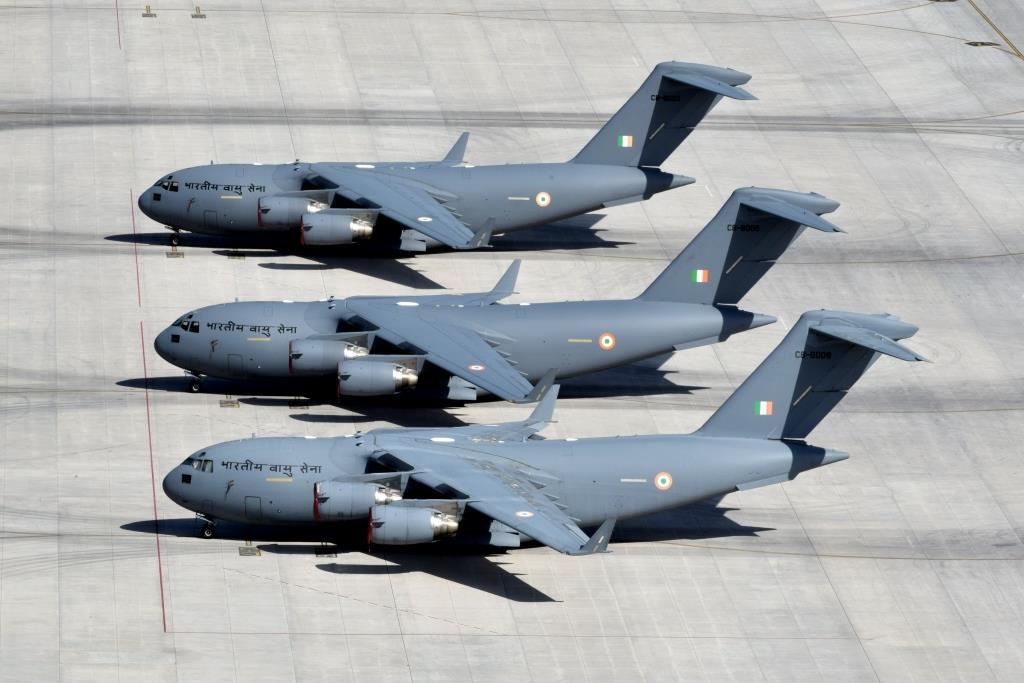
The real battle could be over Make in India
Aircraft performance will be critical, but India’s decision is unlikely to depend on specifications alone.
Domestic manufacturing, technology absorption, maintenance capability and Indian supply-chain participation are expected to be major factors.
The programme could create opportunities for Indian aerospace companies to manufacture structural sections, components, electrical systems and other aircraft parts while establishing long-term maintenance and support capabilities.
Embraer + Mahindra
Embraer is working with Mahindra Group as it develops plans for the C-390 in India.
Lockheed Martin + Tata
Lockheed Martin already has a long-standing aerospace partnership with Tata Advanced Systems and has discussed expanding C-130J manufacturing activity in India.
Airbus + Tata
Airbus already has direct experience establishing military aircraft manufacturing in India through the C295 programme with Tata Advanced Systems.
What could decide the winner?
- Payload: How much useful military cargo can the aircraft carry?
- Range: How far can it transport troops and equipment?
- Runway performance: Can it operate from difficult or relatively austere airfields?
- Speed: How quickly can supplies be moved between bases?
- Lifecycle cost: What will the fleet cost to operate over several decades?
- Availability: How reliably can aircraft remain mission-ready?
- Local manufacturing: How much of the programme can genuinely be built in India?
- Technology transfer: What aerospace capabilities will India gain?
C-130J has familiarity, C-390 has speed, A400M has size
At this stage, every major contender has a clear argument.
C-130J: India already operates it, making training, maintenance and fleet integration potentially simpler.
C-390: It brings a modern jet-powered design, strong payload capability and potentially attractive operating efficiency.
A400M: It offers substantially greater carrying capacity and could give India an aircraft capable of undertaking missions beyond the traditional An-32 replacement role.
What’s next?
1. Technical proposals
Indian bidders and their international partners will submit detailed technical proposals for the IAF requirement.
2. Aircraft evaluation
The IAF will assess performance, payload, range, runway capability, reliability and other operational requirements.
3. Make in India assessment
Domestic manufacturing proposals, indigenous content and technology-transfer commitments are expected to play an important role.
4. Commercial negotiations
Price, lifecycle support, manufacturing arrangements and other commercial terms will be negotiated before a final contract can be signed.
India’s 60-aircraft Medium Transport Aircraft programme could become one of the most consequential military aviation procurements of the coming decade.
It will determine not only what replaces the ageing An-32 fleet, but also how quickly India can move troops and equipment to strategically sensitive regions.
C-390, C-130J or A400M — the winner could become the backbone of India’s medium military airlift capability for decades.
The approximately ₹1 lakh crore figure is the reported estimated programme value. The final contract price will depend on aircraft selection, configuration, localisation, support requirements and commercial negotiations.