📅 April 27, 2026 | By Pulse India News Desk
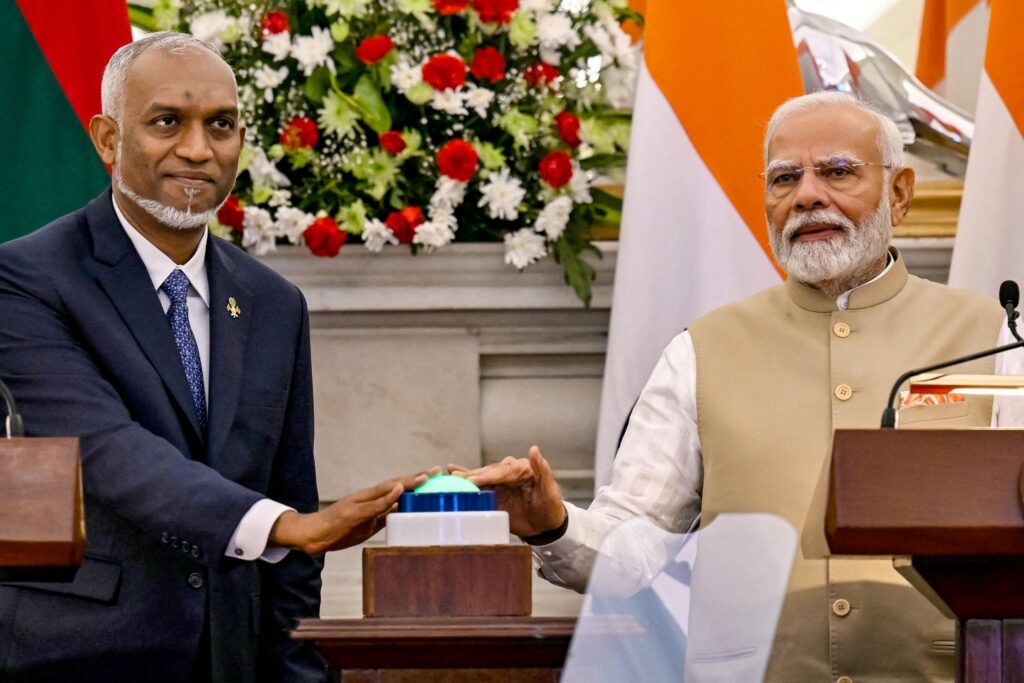
India has approved a ₹3,000 crore (₹30 billion) currency swap facility for the Maldives under the SAARC Currency Swap Framework, offering a major financial lifeline to the island nation amid rising economic pressure and increasing geopolitical competition in the Indian Ocean region.
The approval was cleared by the Reserve Bank of India (RBI) and marks the first withdrawal request by the Maldives under the current SAARC swap arrangement.
The development comes at a strategically sensitive time, with New Delhi looking to strengthen its position as the Maldives’ primary regional partner even as China continues expanding its economic and infrastructure influence across South Asia.
What India Approved
Under the arrangement, India will provide temporary liquidity support to the Maldives to help manage foreign exchange requirements and short-term financial pressures.
Officials familiar with the development said the facility is aimed at supporting macroeconomic stability and ensuring smooth external payments during a period of economic uncertainty.
The Maldives economy remains heavily dependent on tourism, imports and external financing, making foreign exchange management critical for the island nation.
What Is the SAARC Currency Swap Framework?
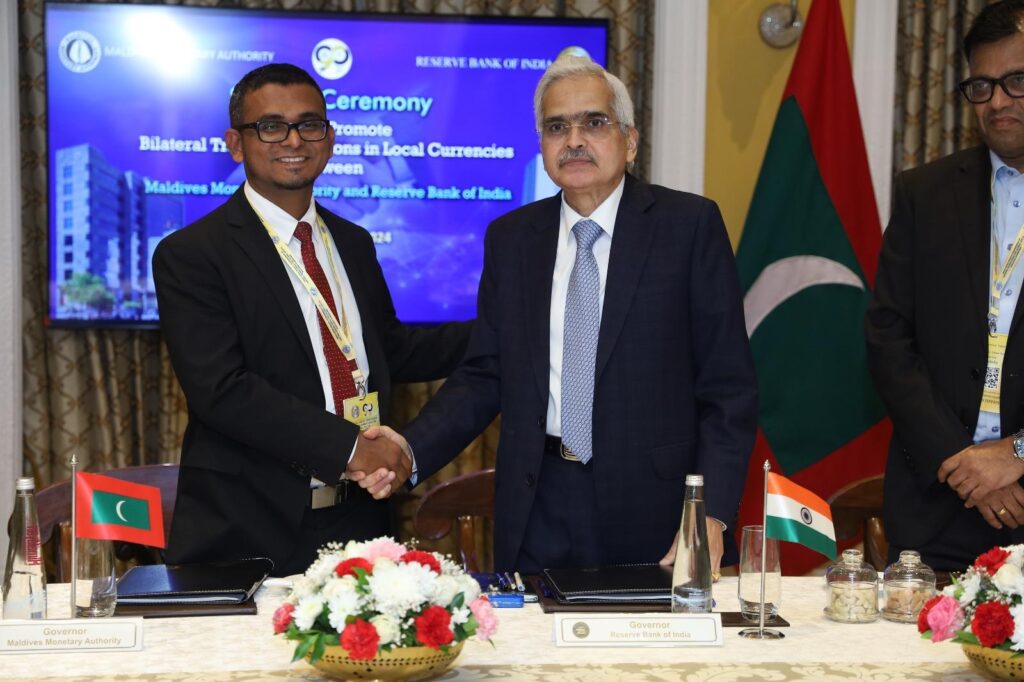
The SAARC Currency Swap Framework is a regional financial support mechanism through which India extends short-term foreign currency assistance to neighbouring South Asian countries.
A currency swap is a financial arrangement where one country provides foreign currency support to another country for a temporary period.
It helps countries manage foreign exchange shortages, stabilize their economy, and meet import or debt payment needs during financial stress.
The framework is designed to help countries facing:
- Foreign exchange shortages
- Balance of payments stress
- Currency instability
- External liquidity pressure
Unlike commercial loans, currency swap arrangements provide quicker access to liquidity and are often viewed as financial stabilisation tools during periods of economic stress.
India has previously extended similar support to several neighbouring countries including Sri Lanka, Nepal and Bhutan.
Why the Maldives Matters Strategically
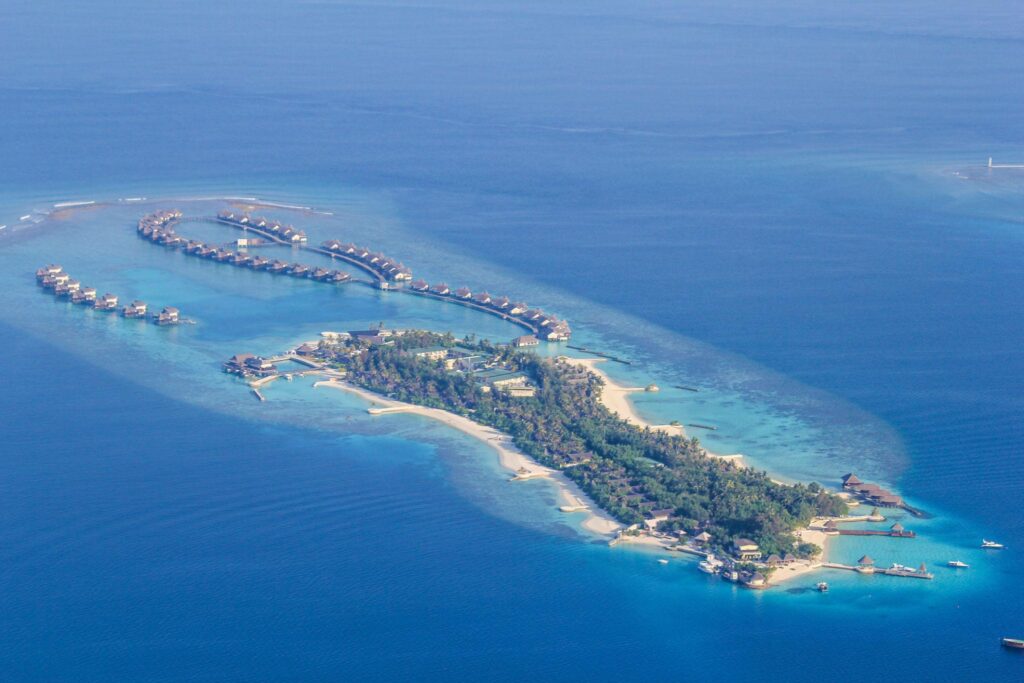
The Maldives occupies a critical position in the Indian Ocean, close to key international shipping lanes that are strategically important for global trade and regional security.
Analysts say India’s latest financial support is not just about economics but also about maintaining strategic influence in a region witnessing growing geopolitical rivalry.
In recent years, China has significantly expanded its presence in the Maldives through:
- Infrastructure investments
- Belt and Road Initiative projects
- Tourism partnerships
- Maritime cooperation
India, meanwhile, has focused on strengthening ties through:
- Economic assistance
- Defence cooperation
- Infrastructure development
- Emergency financial support
The latest currency swap approval is being viewed as part of New Delhi’s broader “Neighbourhood First” policy aimed at reinforcing regional partnerships.
Growing India-China Competition in the Indian Ocean
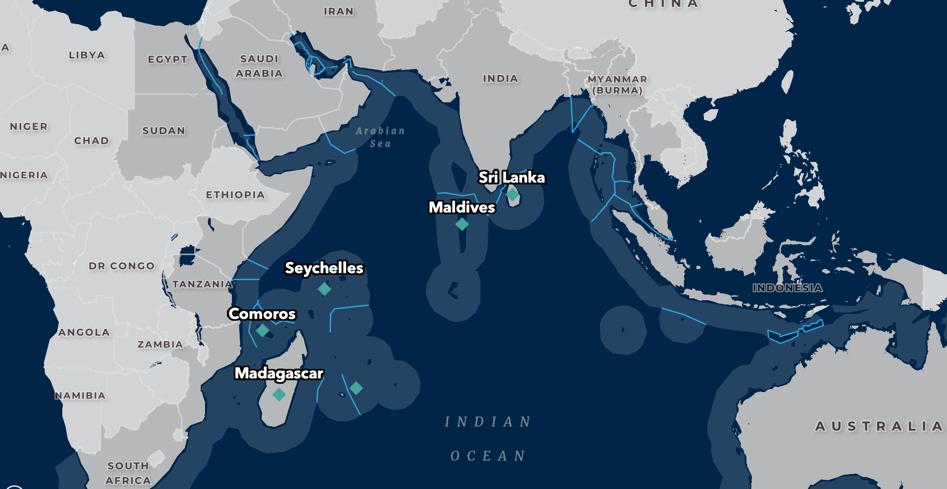
The Indian Ocean region has increasingly become a strategic competition zone between India and China.
Beijing’s growing investments in ports, infrastructure and maritime connectivity projects across South Asia have raised concerns in New Delhi over long-term regional influence and security dynamics.
Experts say India is now increasingly using economic diplomacy, financial assistance and connectivity partnerships to maintain its influence among neighbouring countries.
The Maldives, due to its geographic location, remains one of the most strategically important countries in this contest.
Economic Relief and Diplomatic Signal
The swap support is expected to provide immediate liquidity relief to the Maldives while also sending a strong diplomatic signal about India’s willingness to act as a regional stabiliser during economic stress.
Strategic observers say such financial mechanisms are becoming increasingly important tools of diplomacy in South Asia, especially as countries in the region face rising debt burdens and global economic volatility.
Final Analysis
India’s ₹3,000 crore currency swap support for the Maldives is both an economic stabilisation measure and a geopolitical statement.
At a time when South Asia is witnessing intense strategic competition, New Delhi’s latest move highlights how financial diplomacy is becoming central to regional influence, maritime security and neighbourhood engagement in the Indian Ocean.