📅April 22, 2026 | By Pulse India News Desk
🔴 Top Line
As stealth drones become central to modern air warfare, India’s Ghatak UCAV is entering a competitive space dominated by the US, China and Russia. The comparison is not just about technology, but how each country plans to use these drones in real combat scenarios.
📌 The Core Difference: Philosophy of Use
Before comparing platforms, it’s important to understand:
- United States → Technology-first, carrier operations
- China → Rapid deployment, operational readiness
- Russia → Heavy strike + loyal wingman
- India → Cost-effective, squadron-level integration
👉 This difference defines where each UCAV stands today
India – Ghatak UCAV (Emerging but Strategic)
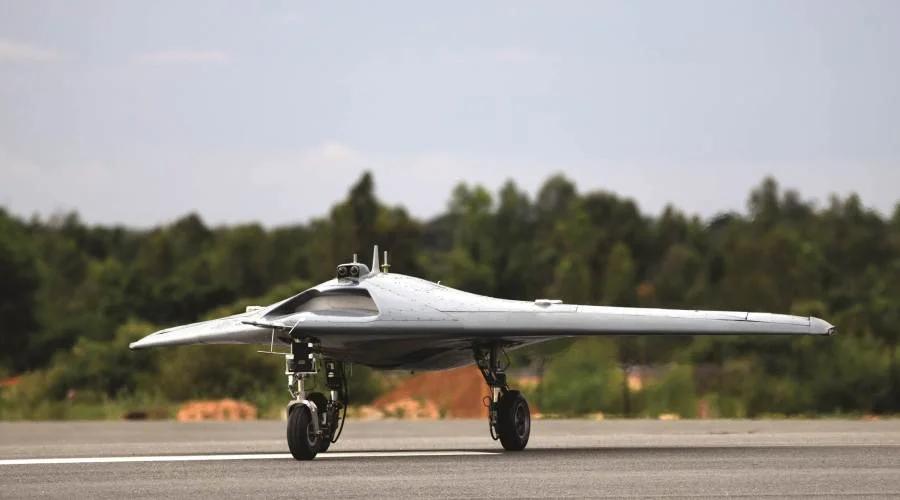
Developed by Defence Research and Development Organisation, Ghatak is designed as a stealth flying-wing combat drone focused on deep strike and SEAD missions.
At present, Ghatak is still under development, which places India slightly behind in terms of deployment. However, the IAF’s plan to integrate these drones at a squadron level is a significant strategic move. Instead of operating as standalone assets, Ghatak will be embedded within regular fighter units like the Sukhoi Su-30MKI and future HAL Tejas Mk2.
👉 Where Ghatak stands:
India is not yet operational, but is building a scalable and cost-efficient UCAV ecosystem that could be highly effective once deployed.
United States – X-47B (Technology Leader, Limited Deployment)
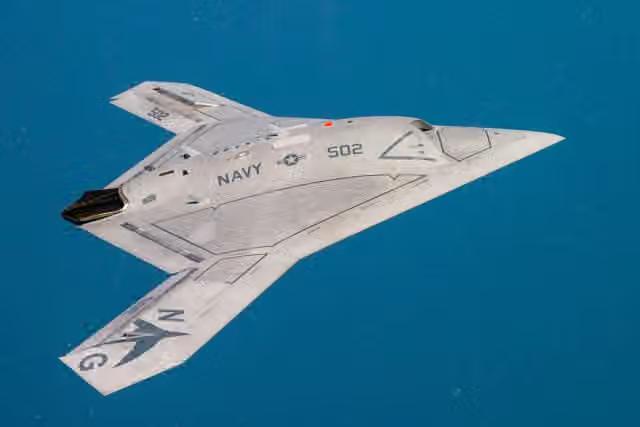
The X-47B represents one of the most advanced UCAV programs ever tested. It successfully demonstrated autonomous take-offs and landings on aircraft carriers, a capability unmatched globally.
However, the US has not mass-deployed this platform. Instead, it has used X-47B as a technology demonstrator, shifting focus to future programs like loyal wingman drones and AI-driven combat systems.
👉 Where the US stands:
Technologically ahead of everyone, but currently focused on next-generation concepts rather than large-scale deployment.
China – GJ-11 (Operational Edge in Asia)
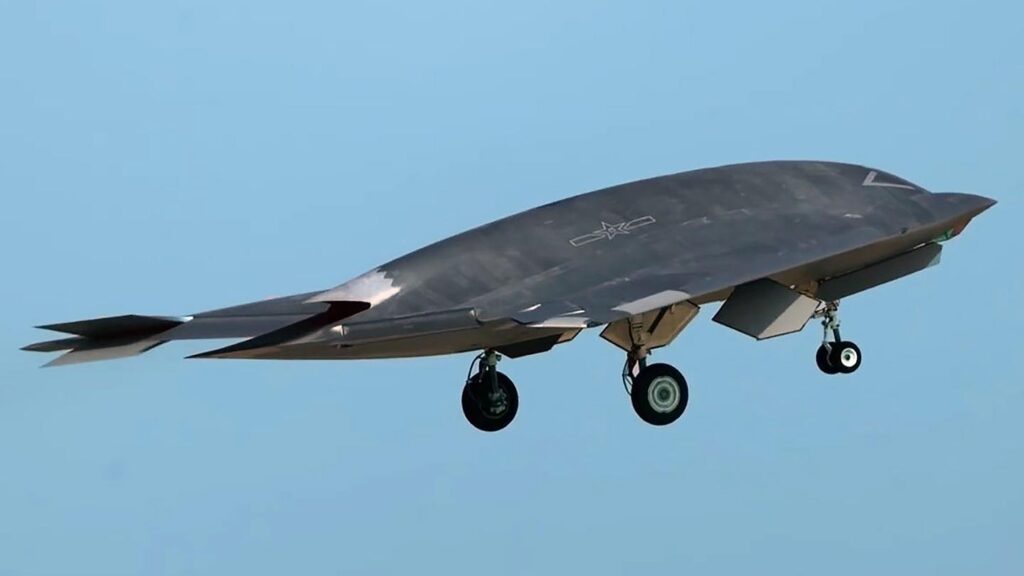
China’s GJ-11 is often seen as the closest real-world equivalent to Ghatak. It features a similar flying-wing stealth design and has been showcased in military parades, indicating a higher level of operational readiness.
China’s approach is clear: deploy early, refine later. This gives it a potential advantage in real conflict scenarios, especially in the Indo-Pacific region.
👉 Where China stands:
Likely the most operationally ready stealth UCAV power in Asia, with a head start over India.
Russia – S-70 Okhotnik-B (Heavy Strike Specialist)
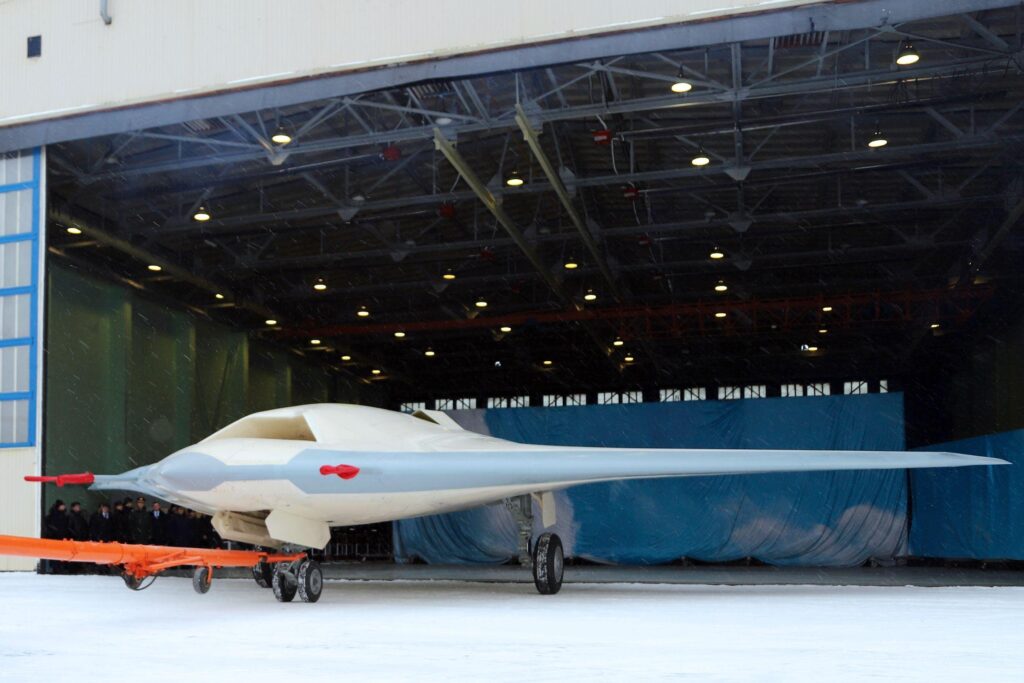
Russia’s Okhotnik is significantly larger and heavier than other UCAVs, designed to operate alongside the Su-57 stealth fighter as a loyal wingman.
Its strength lies in payload capacity and strike power, but the program has faced slower development timelines and limited production clarity.
👉 Where Russia stands:
Strong in heavy strike capability, but lagging in scalability and rapid deployment.
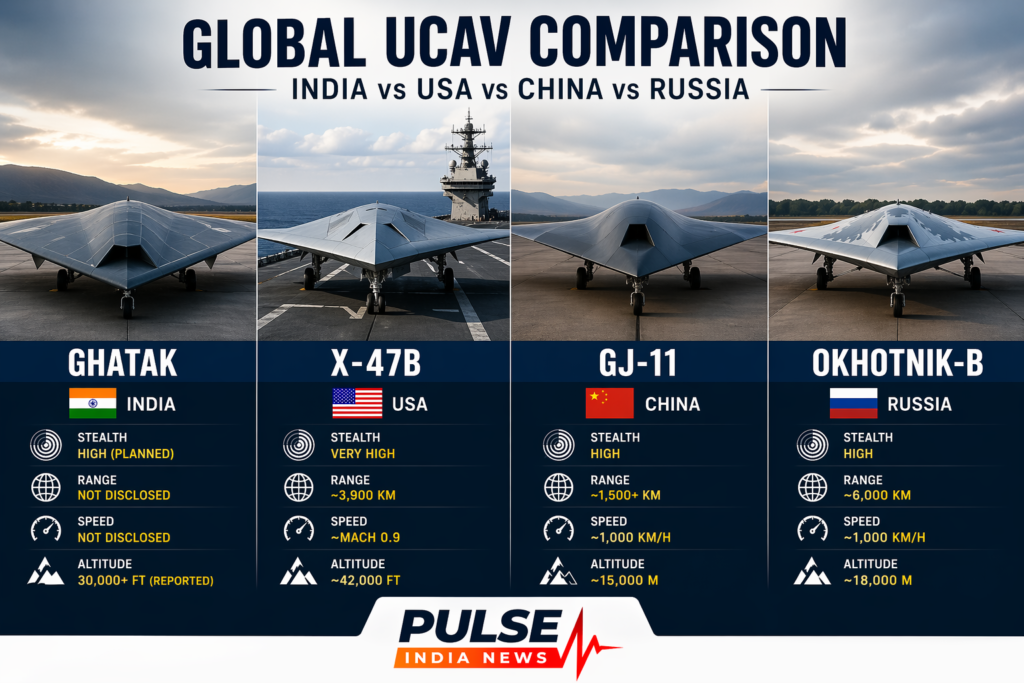
Ghatak vs Global UCAVs: Detailed Comparison
Note: Some specifications remain officially undisclosed. Figures are based on open-source defence estimates.
🧠 Final Strategic View
India may not be the first to field stealth UCAVs, but it is choosing a different path -integration over experimentation.
By embedding drones directly into fighter squadrons, the Indian Air Force is aiming to create a distributed strike network, rather than relying on a few high-end platforms.
This could prove decisive in a conflict where:
- Air defences are dense
- Risk to pilots is high
- Speed of response matters
👉 In such a scenario, numbers + integration may matter more than pure technology
Related News
- Ghatak UCAV Explained: India’s Stealth Drone for Deep Strike Missions (Coming Soon)
- Tejas Mk2, AMCA and Ghatak: India’s Air Combat Ecosystem Explained (Coming Soon)
- Why SEAD Missions Are Critical in Modern Air Warfare (Coming Soon)
- DRDO’s Next-Gen Defence Projects That Could Transform India’s Military Power (Coming Soon)
- Deep Strike Explained: Why Stealth Drones Are the Future of Warfare (Coming Soon)