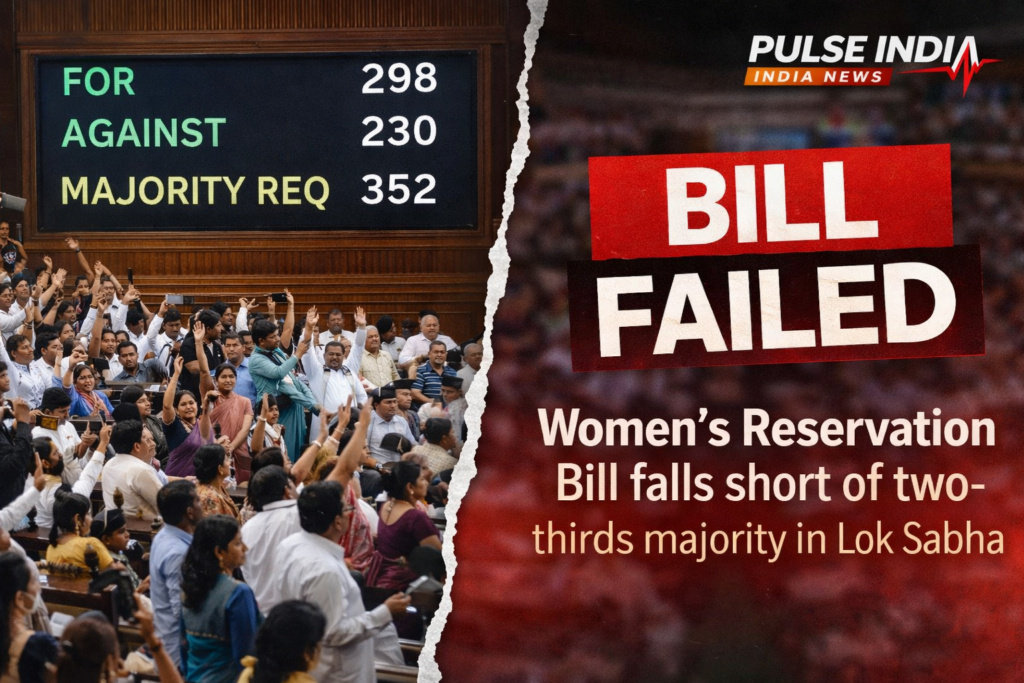
📅 April 18 2026 | By Pulse India News Desk
🧾 What Exactly Is the Women’s Reservation Bill?
The Women’s Reservation Bill is a proposed constitutional amendment that aims to reserve 33% of seats for women in both the Lok Sabha and State Legislative Assemblies.
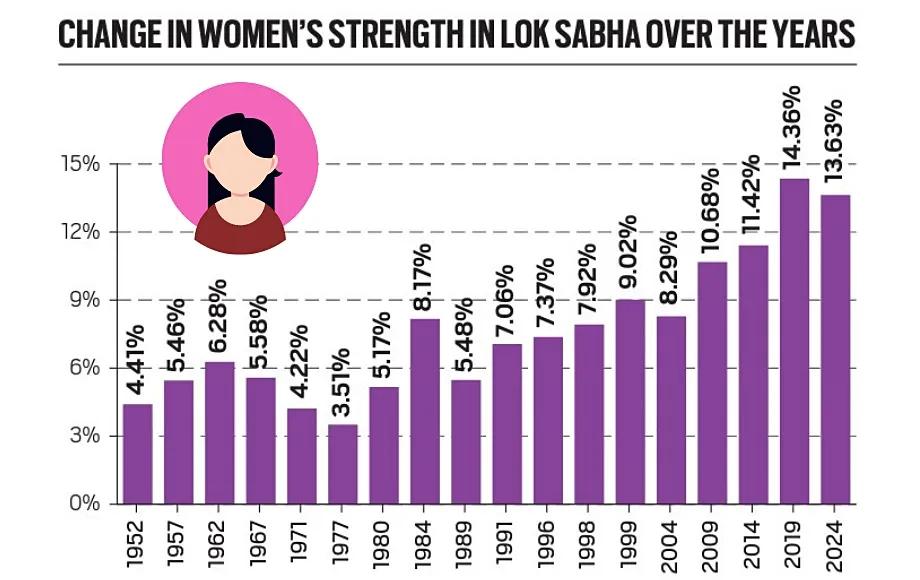
This means that one out of every three elected representatives would be women, significantly increasing their presence in decision-making bodies.
At present, women’s representation remains relatively low, around 14% in Lok Sabha and even lower in many state assemblies. The bill is therefore seen as a major step toward gender equality in Indian politics, something that has been debated for decades but never fully implemented.
🎯 Why Did BJP Push This Bill?
The ruling government, led by the BJP, projected the bill as a historic reform under its “Nari Shakti” agenda.
Firstly, it aligns with the party’s broader push to position itself as a champion of women empowerment, especially at a time when women voters are becoming increasingly influential in elections.
Secondly, the government linked the bill with delimitation (redrawing of constituencies) and expansion of Lok Sabha seats. Their argument was that implementing reservation alongside a larger Parliament would ensure fair distribution without reducing existing seats for men.
Politically, it also served as a strong narrative ahead of future elections, allowing the BJP to claim credit for attempting a long-pending reform that previous governments could not pass.
⚠️ Why Did the Opposition Not Accept It?
Interestingly, the opposition did not reject women’s reservation itself, the disagreement was over how and when it should be implemented.
The biggest concern was the link to delimitation. Opposition parties, especially from southern states, argued that delimitation could increase representation of northern states while reducing the relative political weight of the south. This turned the bill into a federal balance issue, not just a gender reform.
Another major criticism was the delay in implementation. Since the bill tied reservation to future census and delimitation exercises, opposition leaders questioned why it could not be implemented immediately.
Some parties also demanded a sub-quota within the 33% reservation, particularly for OBC and minority women, arguing that without it, the benefits may largely go to more privileged sections.
Finally, there was a clear element of political distrust, with opposition accusing the government of using the bill as a strategic move to reshape electoral dynamics rather than purely for reform.
🗳️ Voting Details: What Happened in Lok Sabha?
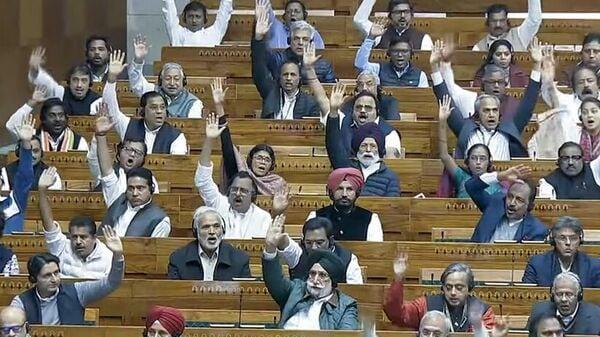
Because the bill is a constitutional amendment, it required a two-thirds majority of members present and voting.
- ✅ Votes in favour: 298
- ❌ Votes against: 230
- 🎯 Required: ~352 votes
Despite having more votes in favour, the government fell short of the supermajority threshold, leading to the bill’s failure.
This highlights a key aspect of Indian parliamentary democracy — major reforms need broad political consensus, not just a simple majority.
🎤 Reactions After the Bill Failed
🟠 BJP / Government Response
The government described the outcome as a missed historic opportunity, stating that it remains committed to increasing women’s participation in politics. Leaders indicated that efforts to bring back the bill in some form would continue.
🔵 Congress Reaction
Congress leaders reiterated that they support women’s reservation, but strongly opposed the delimitation linkage, calling it unnecessary and politically motivated. They argued that the bill could have been passed easily if introduced in a simpler form.
🟣 Regional Parties (DMK, TMC, etc.)
Regional parties were among the strongest critics. Their primary concern was that delimitation could shift power away from southern and smaller states, making the bill a matter of regional political survival rather than just representation.
🔴 Left Parties
Left leaders supported the idea of reservation but criticised the bill for delaying implementation and ignoring demands for sub-quotas. They called for a more inclusive and immediate version of the reform.
📊 Why This Matters Beyond Politics
The failure of the bill is significant because it delays what could have been one of India’s biggest democratic reforms.
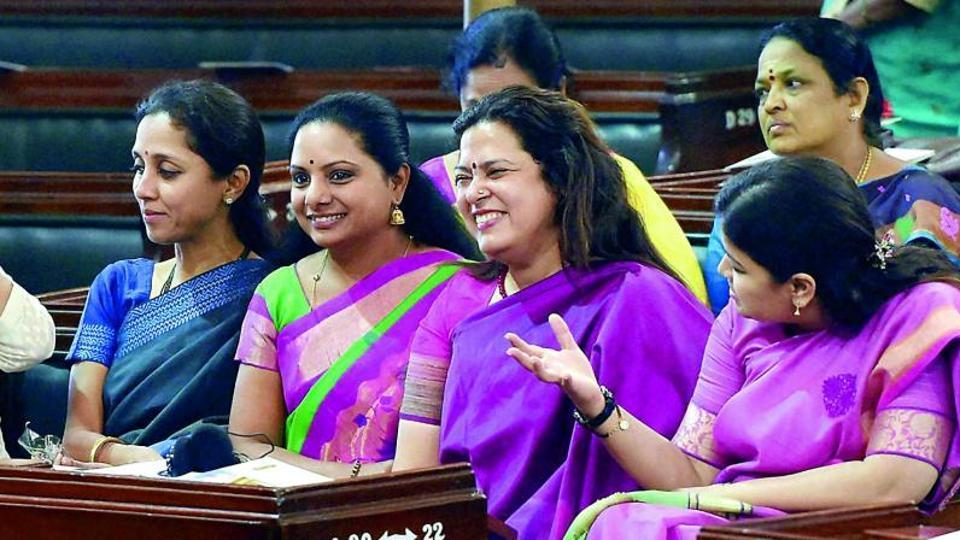
Women remain underrepresented in law-making, and without structural changes, progress is likely to remain slow.
At the same time, the episode reveals a deeper issue, the tension between gender justice and political power redistribution.
🔥 Final Analysis
This was not a rejection of women’s reservation.
Instead, it became a complex political battle involving representation, federal balance, and electoral strategy.
👉 The irony:
- Almost every party supports the idea
- But no agreement on execution
👉 The Women’s Reservation Bill may remain one of India’s most supported yet stalled reforms.
📌 Quick Recap
- Bill: 33% reservation for women
- Status: ❌ Failed in Lok Sabha
- Reason: No two-thirds majority
- Core issue: Delimitation controversy
- Outcome: Reform delayed
🔗 Related News
- India Election 2026: Schedule, Phases & Key Political Battles
- Delimitation Explained: Why It Is Creating Political Divide in India
- Women Representation in Indian Politics: Data, Trends & Challenges
- One Nation One Election Debate: Benefits vs Concerns
- Lok Sabha Seat Expansion Plan: What Changes for Indian Democracy?