📅 June 27, 2026 | By Pulse India News Desk
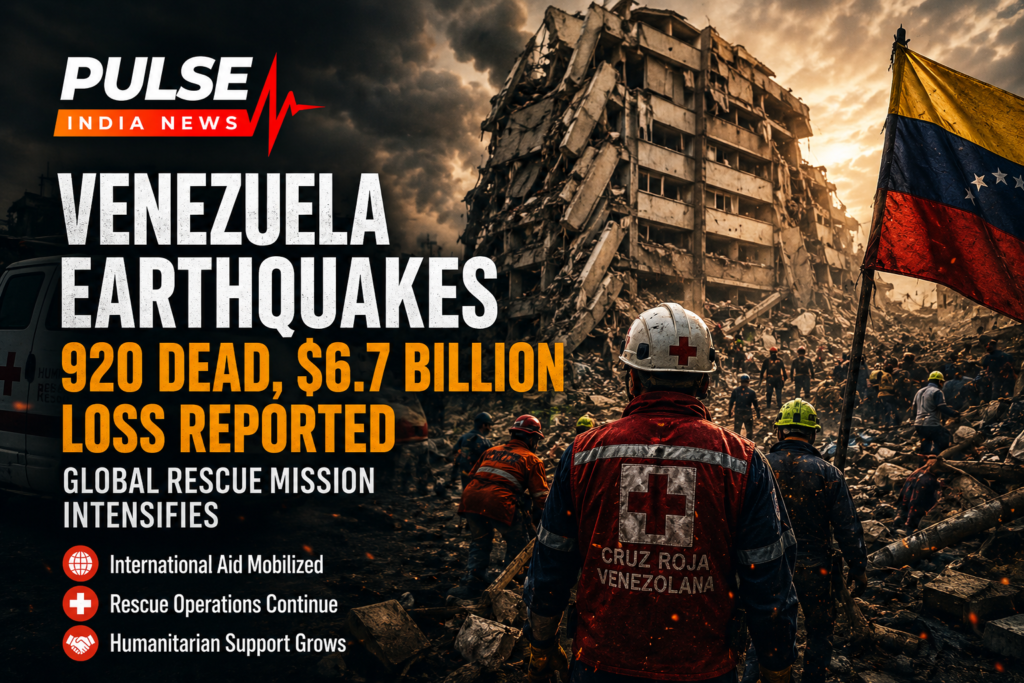
Caracas, Venezuela: Venezuela is confronting one of the darkest chapters in its modern history after two catastrophic earthquakes devastated the country’s northern region, leaving at least 920 people dead and 3,360 injured. Authorities estimate the disaster has caused approximately $6.7 billion (USD) in economic losses, making it the costliest and deadliest natural disaster in Venezuela’s recorded history.
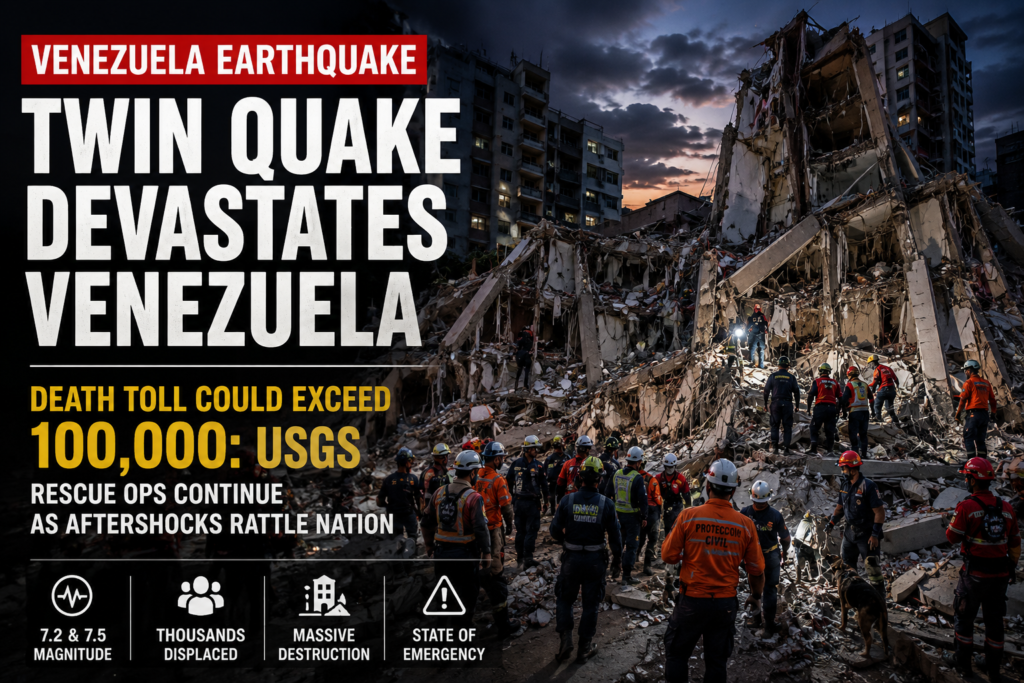
The twin earthquakes struck within moments of each other on Wednesday, with the second registering a powerful magnitude of 7.5, among the strongest earthquakes to hit Venezuela in more than a century. Entire neighborhoods were reduced to rubble as buildings collapsed across several cities, including parts of the capital, Caracas.
La Guaira Suffers The Greatest Destruction
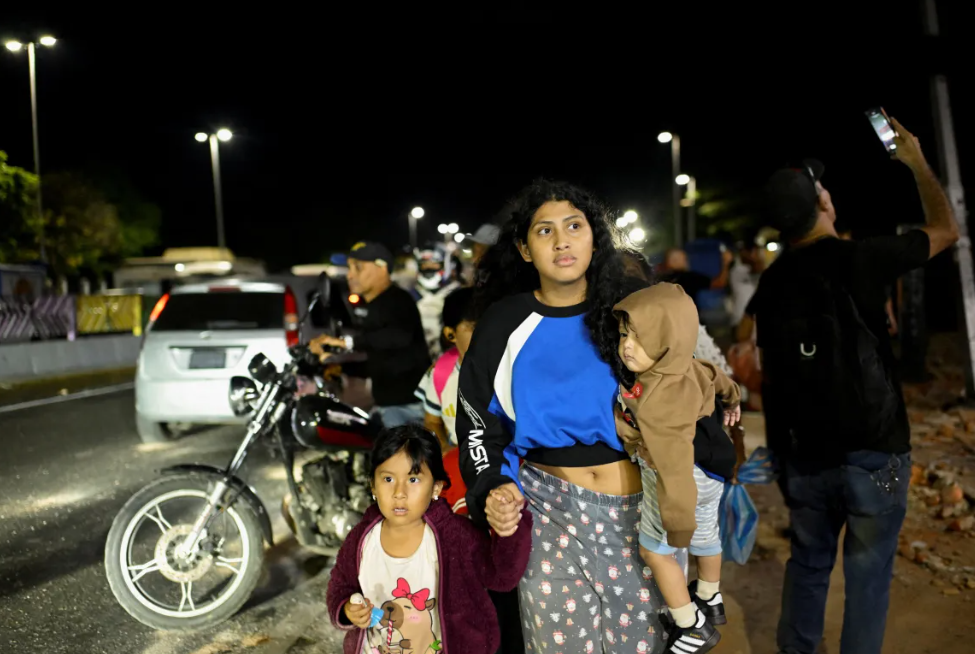
Emergency officials say La Guaira state has experienced the worst devastation. The coastal region, which houses Simón Bolívar International Airport and one of Venezuela’s busiest commercial ports, witnessed widespread structural failures, collapsed residential blocks, shopping centers, hospitals, and government buildings.
Search-and-rescue operations continue around the clock as emergency crews race against time to locate survivors trapped beneath the debris. Officials believe hundreds of people remain unaccounted for, raising fears that the death toll will continue to climb.
Families Wait In Agony For Missing Loved Ones
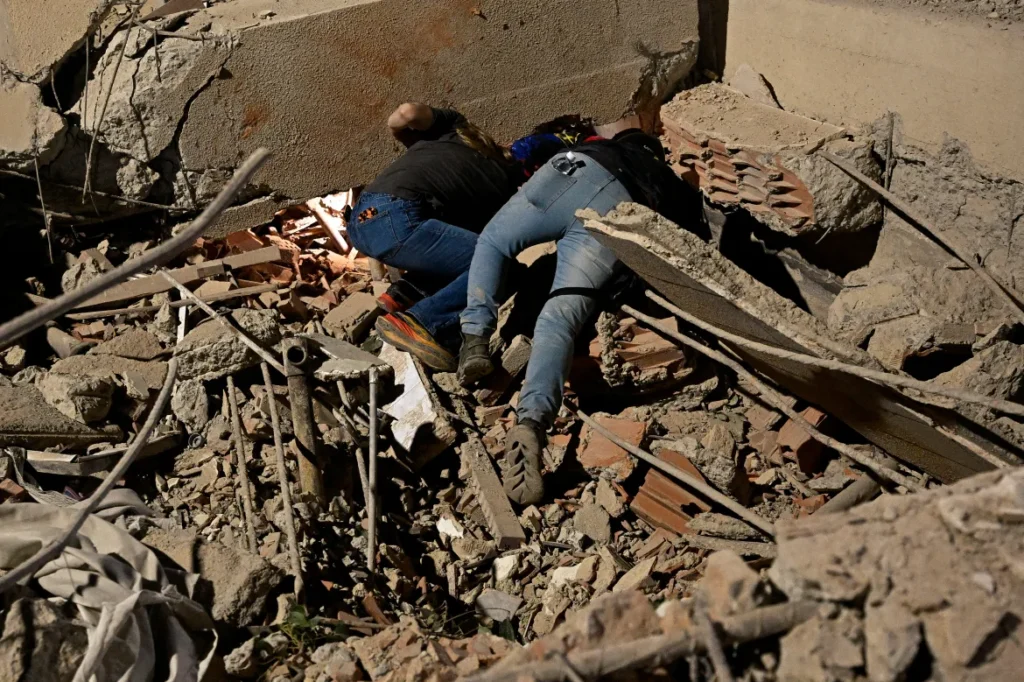
Outside the ruins of collapsed buildings, anxious families remain gathered, hoping for positive news from rescue teams.
Among them is Natacha Diaz, whose two daughters, aged 22 and 23, were inside a shopping complex when it collapsed. Both worked as nail technicians at the mall.
“I just want my daughters back,” she told local media while waiting near the rescue site. “We continue praying that they are found alive.”
Stories like hers have become heartbreakingly common across the disaster zone, where hundreds of families are still searching for relatives.
International Rescue Teams Join Search Operations
The Venezuelan government confirmed that hundreds of international rescue specialists have arrived to support local emergency services, with additional teams expected over the coming days.
Authorities reported that more than 240 people have already been rescued alive in La Guaira, providing moments of hope amid the widespread destruction.
Interim President Delcy Rodríguez praised rescue workers for their efforts, saying every successful rescue offers hope to grieving families as operations continue despite challenging conditions.
Hundreds Of Aftershocks Hamper Rescue Efforts
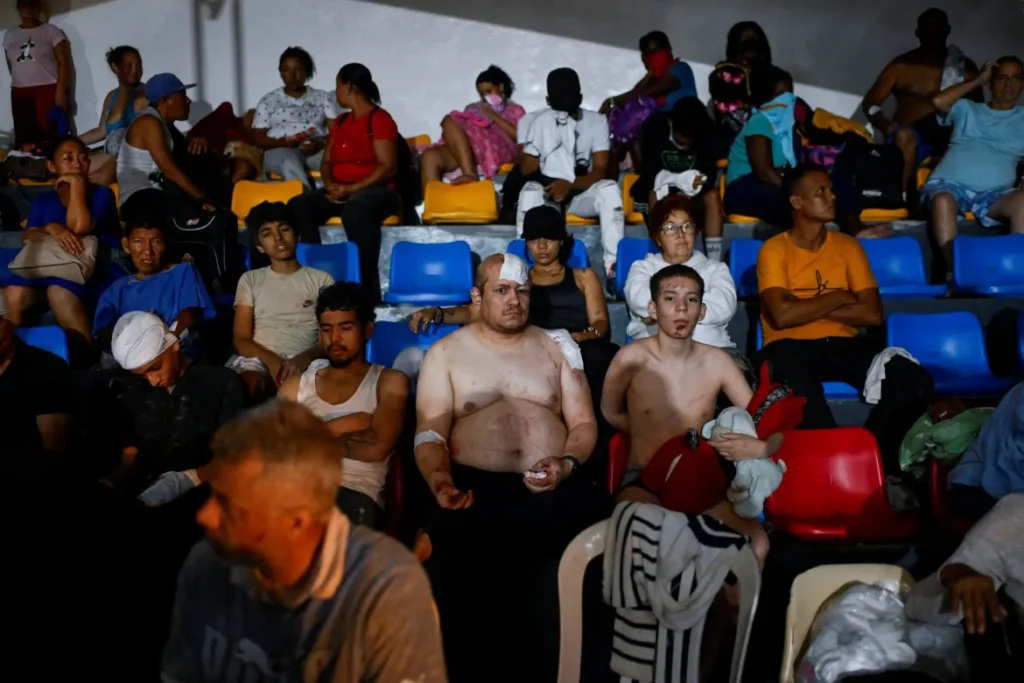
Seismologists have recorded 214 aftershocks since the main earthquakes struck, creating dangerous conditions for emergency responders and increasing the risk of additional building collapses.
Many damaged structures remain unstable, forcing rescue teams to carefully balance speed with safety while searching through the wreckage.
Hospitals Overwhelmed By Massive Casualties
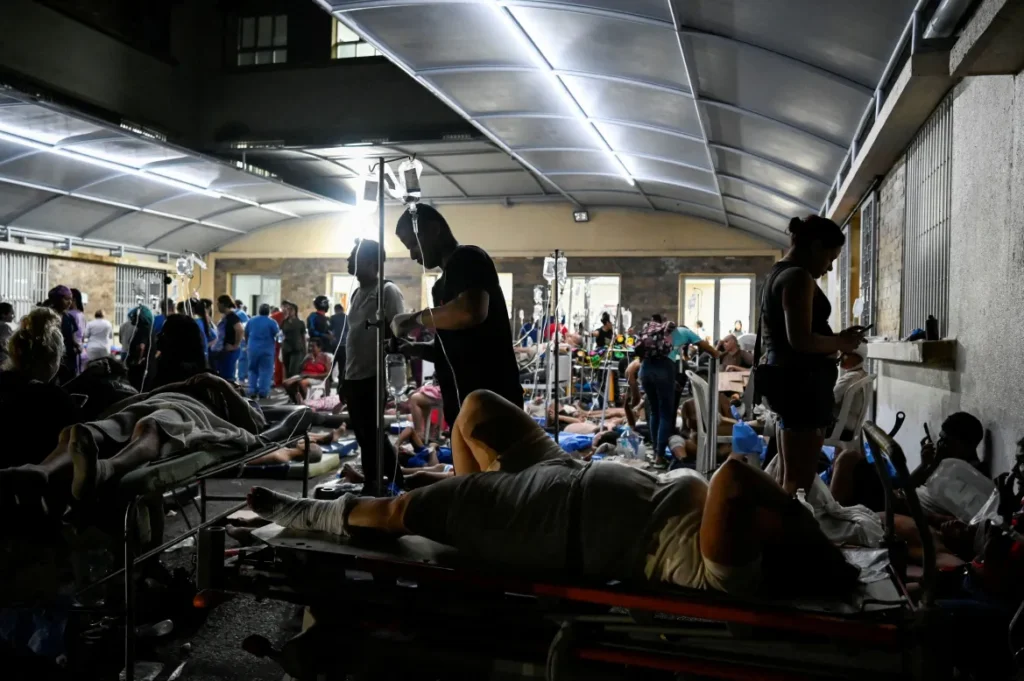
The country’s already strained healthcare system has come under immense pressure.
Several hospitals sustained severe structural damage, while surviving medical facilities have been overwhelmed by thousands of injured residents. Temporary treatment centers have been established to cope with the growing number of patients.
Doctors have warned that shortages of medicines, equipment, and emergency supplies are making medical care increasingly difficult as the humanitarian crisis deepens.
Infrastructure Damage Reaches Historic Levels
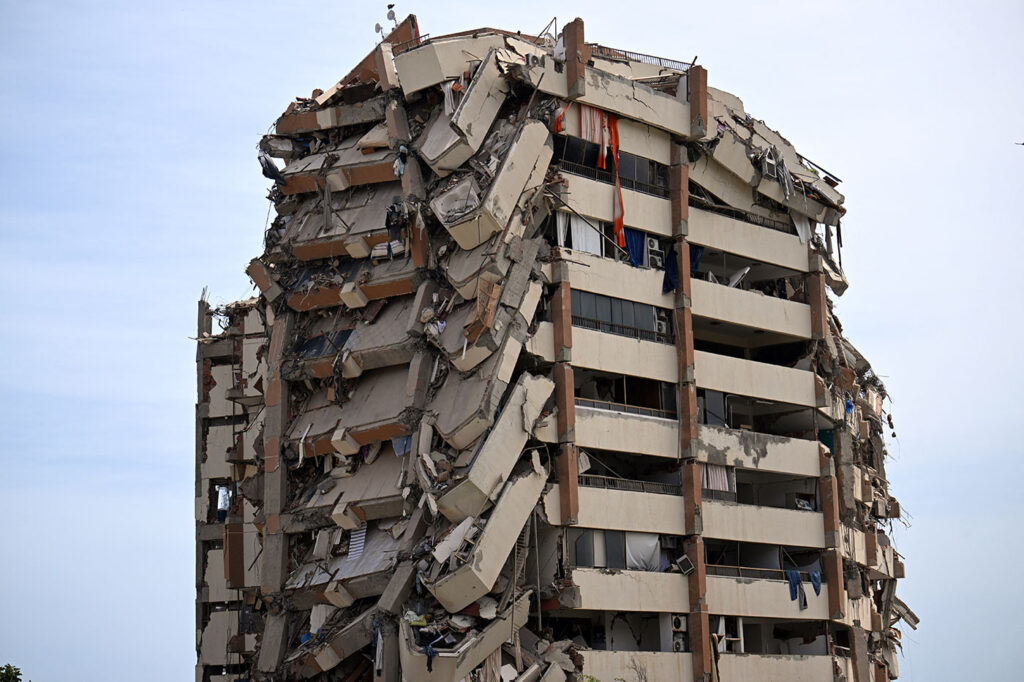
Government officials say the earthquakes damaged or destroyed hundreds of public and private buildings, including hospitals, schools, shopping centers, and residential complexes.
In addition, more than 1,000 infrastructure sites, ncluding roads, bridges, utilities, and public facilities—have suffered varying levels of damage, disrupting transportation and essential services across northern Venezuela.
International Community Mobilizes Support
The scale of Venezuela’s earthquake disaster has triggered a major international humanitarian response, with governments, relief agencies, and charitable organizations rushing emergency assistance to the devastated country.
The International Federation of Red Cross and Red Crescent Societies (IFRC) dispatched the first 17-ton shipment of humanitarian supplies from its regional logistics hub in Panama. The cargo includes kitchen sets, hygiene kits, mosquito nets, and other essential relief items to support thousands of displaced families. IFRC Americas Regional Director Loyce Pace said additional humanitarian assistance would follow as relief operations expand.
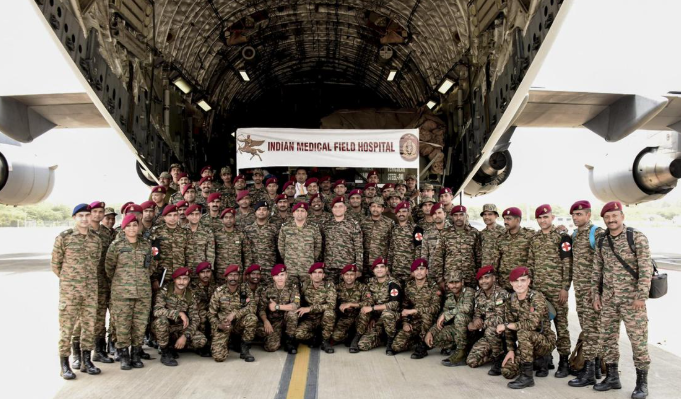
India launched one of the largest international aid missions after the disaster, sending two Indian Air Force transport aircraft carrying a fully equipped field hospital along with more than 35 tons of emergency relief supplies, medicines, and medical equipment. External Affairs Minister Dr. Subrahmanyam Jaishankar confirmed the deployment, emphasizing India’s commitment to supporting Venezuela’s humanitarian response.
Several countries have also deployed specialized urban search-and-rescue teams. Germany dispatched a 48-member federal disaster relief unit equipped to assist in rescue and recovery operations, while France sent emergency responders, engineers, medical personnel, and highly trained search dogs to help locate survivors trapped beneath collapsed buildings.
Regional neighbors have mobilized rapidly as well. Colombia deployed an urban search-and-rescue contingent of more than 60 specialists, accompanied by four canine search teams and 12 metric tons of rescue equipment. Additionally, nine firefighters from the Colombian city of Cali joined the international rescue effort. Ecuador announced the deployment of 46 rescue specialists, two search dogs, and six metric tons of specialized equipment, while Panama confirmed it is organizing both a rescue mission and humanitarian assistance for Venezuela.
The Italian Civil Protection Agency has sent an advance emergency response team, while Italian Foreign Minister Antonio Tajani confirmed that firefighters, the Ministry of Defence, and the Italian Air Force have been mobilized to provide additional support as needed.
Relief efforts have also received strong backing from humanitarian organizations and religious institutions. World Central Kitchen, founded by renowned chef José Andrés, has already begun distributing hot meals to survivors in Caracas. In addition, the organization’s Longer Tables Fund announced an immediate $1 million contribution to support emergency relief operations.
Meanwhile, Pope Leo XIV approved an emergency donation of €100,000 from the Vatican’s charitable relief fund to assist earthquake victims and support ongoing humanitarian efforts across the affected regions.
International aid agencies have warned that Venezuela’s prolonged economic crisis, aging infrastructure, and overstretched healthcare system have significantly complicated relief operations. Despite these challenges, rescue teams from around the world continue working alongside Venezuelan emergency responders in a race against time to save lives, provide medical care, and deliver critical supplies to communities devastated by the country’s worst natural disaster on record.
Costliest Natural Disaster In Venezuela’s History
Preliminary government estimates place total economic losses at around $6.7 billion, surpassing every previous natural disaster recorded in Venezuela.
Officials caution that the financial impact could rise further as engineers continue assessing damaged infrastructure and insurance experts evaluate long-term reconstruction costs.
With rescue operations still underway and hundreds feared trapped beneath collapsed buildings, authorities say the country’s immediate priority remains saving lives before shifting focus toward recovery and rebuilding.