📅 June 23, 2026 | By Pulse India News Desk
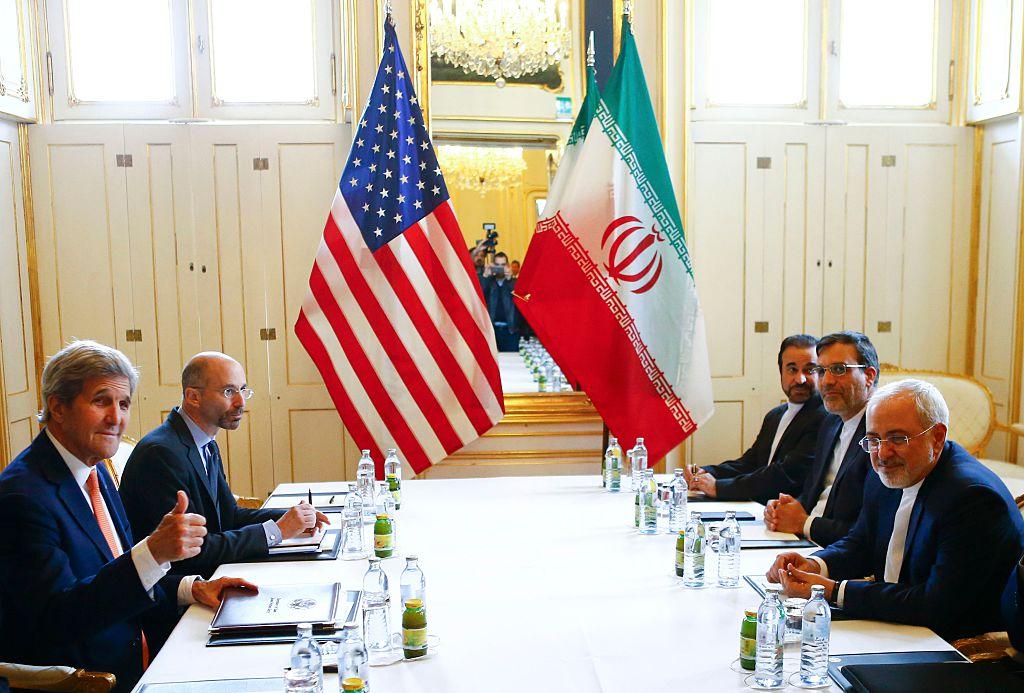
Geneva: The first round of talks between the United States and Iran concluded in Switzerland on Sunday, with both sides describing the discussions as constructive and agreeing to continue negotiations over the coming weeks.
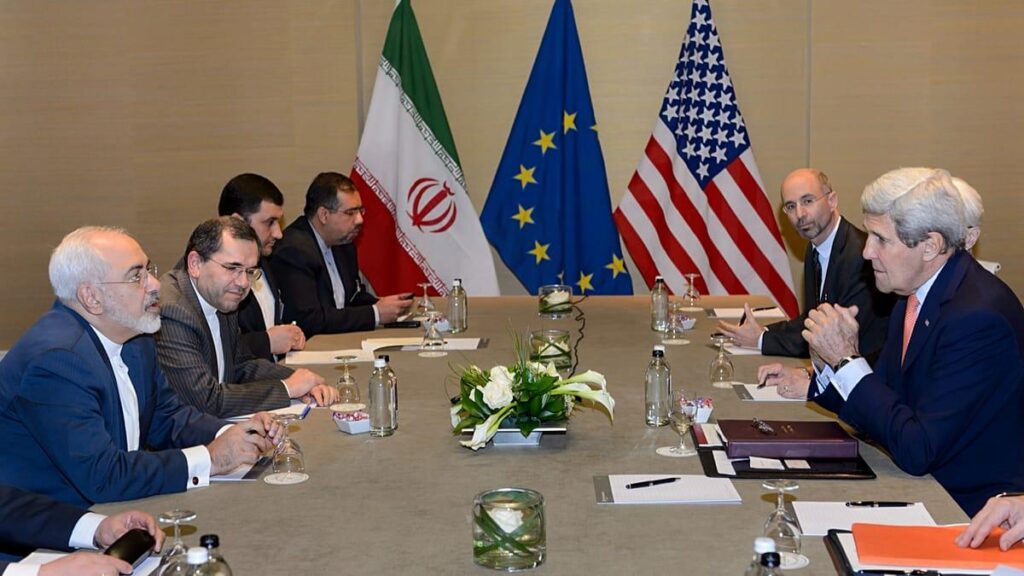
The meeting marked the most significant diplomatic engagement between Washington and Tehran in recent months, following a period of heightened tensions across the Middle East, concerns over Iran’s nuclear programme, and growing fears of disruption to global oil supplies through the Strait of Hormuz.
While no comprehensive agreement was reached, officials from both countries signalled progress on several key issues and announced a roadmap for further negotiations.
What Was Discussed?
According to officials familiar with the discussions, the talks focused on four major areas:
Regional Security
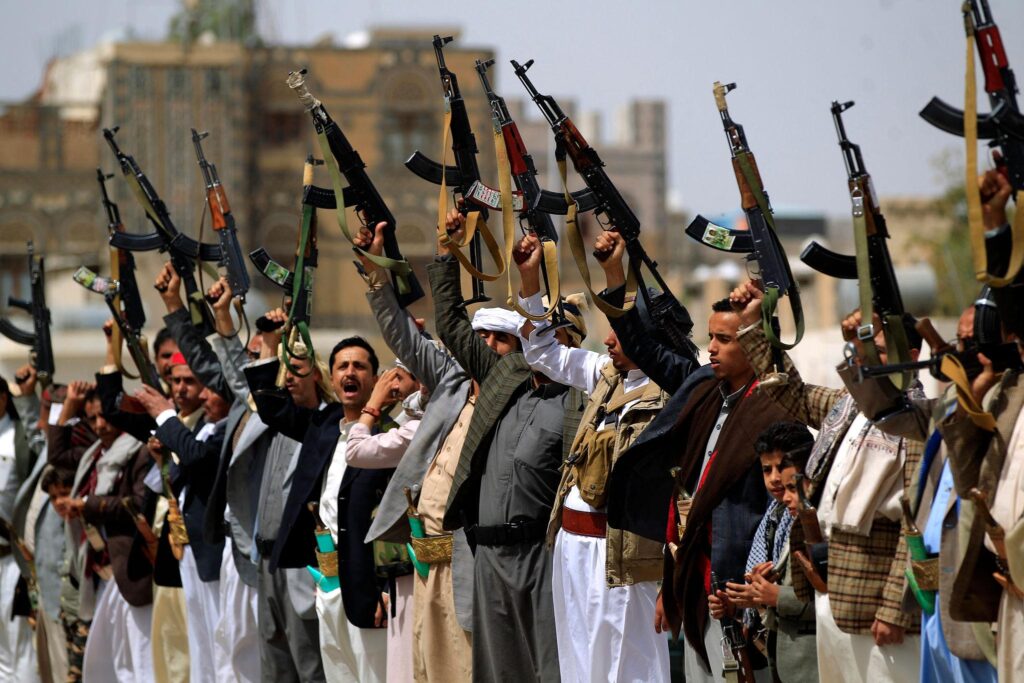
Delegations discussed ways to reduce tensions across the Middle East, particularly in conflict zones where Iranian-backed groups and Western allies have been involved in recent confrontations.
Iran’s Nuclear Programme
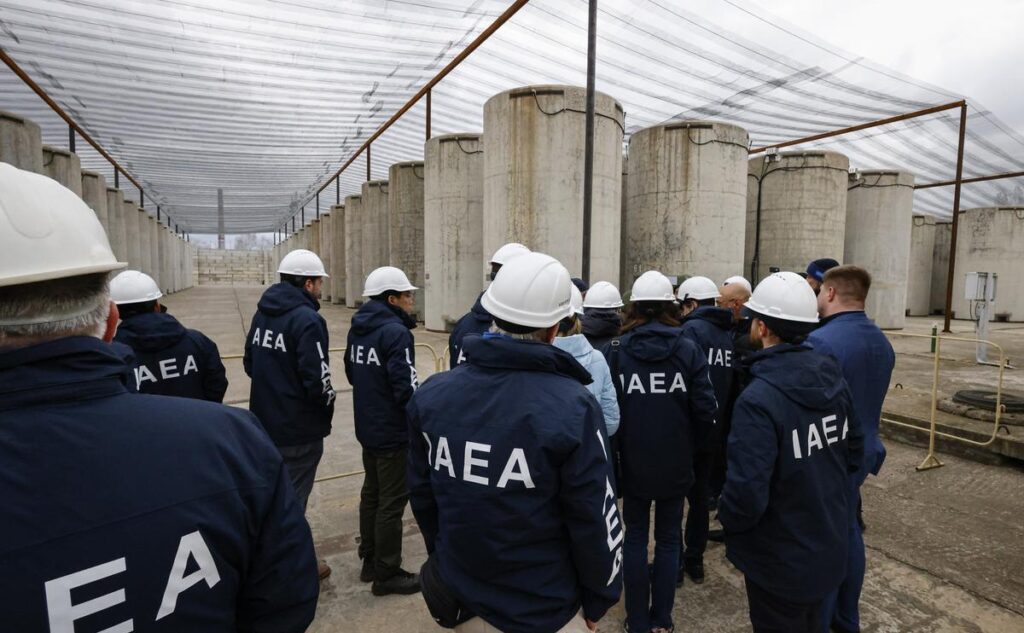
The future of Iran’s nuclear activities remained one of the central topics. Negotiators examined potential mechanisms for restoring international oversight and increasing transparency regarding Tehran’s nuclear facilities.
Economic Sanctions
Iran pushed for relief from U.S. sanctions that have severely impacted its economy. American officials reportedly explored limited sanctions easing measures tied to specific commitments from Tehran.
Strait of Hormuz Security
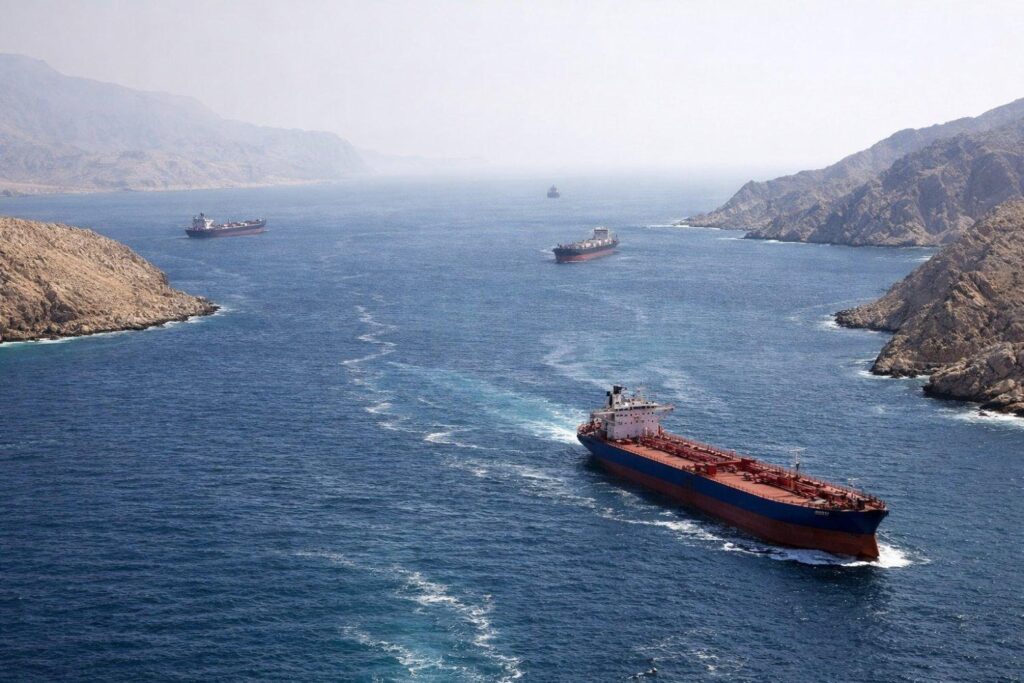
The two sides also discussed safeguarding maritime traffic through the Strait of Hormuz, a strategic waterway through which nearly one-fifth of the world’s oil supply passes.
What Was Announced?
Limited Oil Export Relief
The United States announced a temporary framework allowing certain Iranian oil exports for the next 60 days, providing Tehran with limited economic relief while negotiations continue.
Resumption of Nuclear Inspections
Iran indicated its willingness to facilitate broader inspections by the International Atomic Energy Agency (IAEA), a move viewed by diplomats as an important confidence-building measure.
Maritime Communication Channel
To prevent accidental military incidents in the Gulf region, both countries agreed to establish a direct communication mechanism between relevant maritime authorities.
Lebanon De-Escalation Initiative
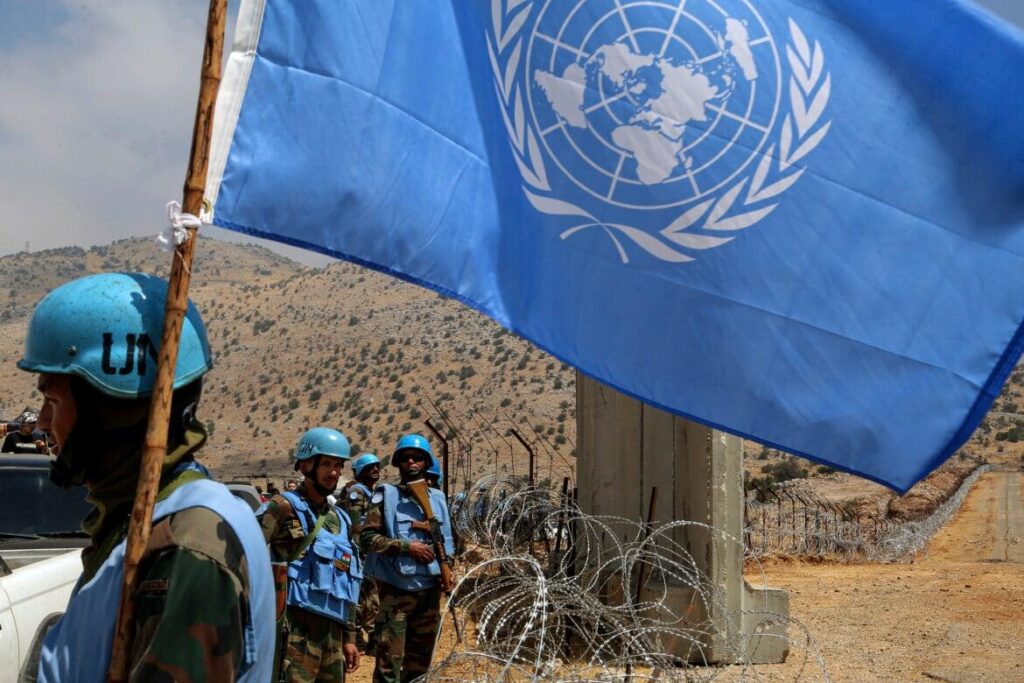
Officials also announced the creation of a coordination mechanism aimed at reducing tensions in Lebanon and preventing further escalation of regional conflicts.
Two-Month Negotiation Roadmap
Perhaps the most significant outcome was an agreement to continue technical-level discussions with the objective of reaching a broader understanding within 60 days.
Why The Talks Matter
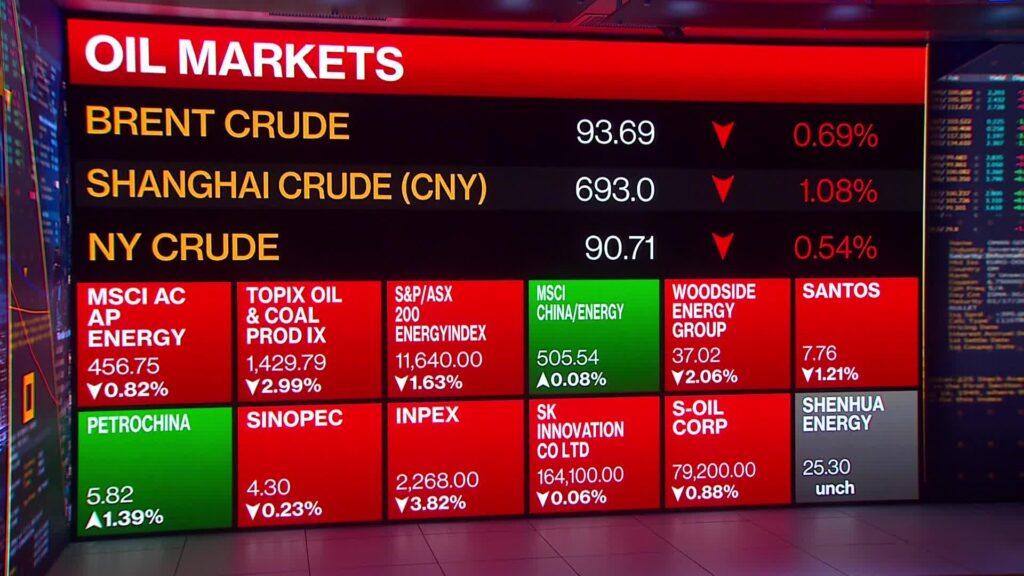
The outcome of the talks is being closely watched by governments, energy markets and international investors.
Any improvement in U.S.-Iran relations could ease pressure on global oil prices, reduce the risk of military confrontation in the Middle East and potentially pave the way for broader diplomatic engagement on regional security issues.
For Iran, progress in negotiations could bring economic relief after years of sanctions. For the United States and its allies, stronger monitoring of Iran’s nuclear programme remains a key objective.
What Happens Next?
Technical experts from both sides are expected to meet in the coming weeks to work through details of the proposed measures. Diplomatic sources cautioned that significant differences remain, particularly regarding sanctions and the scope of nuclear inspections.
However, officials from both countries described the first round of talks as a positive step and expressed hope that continued engagement could produce a more comprehensive agreement later this year.
For now, the talks have not delivered a breakthrough. But they have opened a diplomatic channel at a time when tensions in the region remain high, offering a potential path toward de-escalation and greater stability in the Middle East.