📅 May 13, 2026 | By Pulse India News Desk
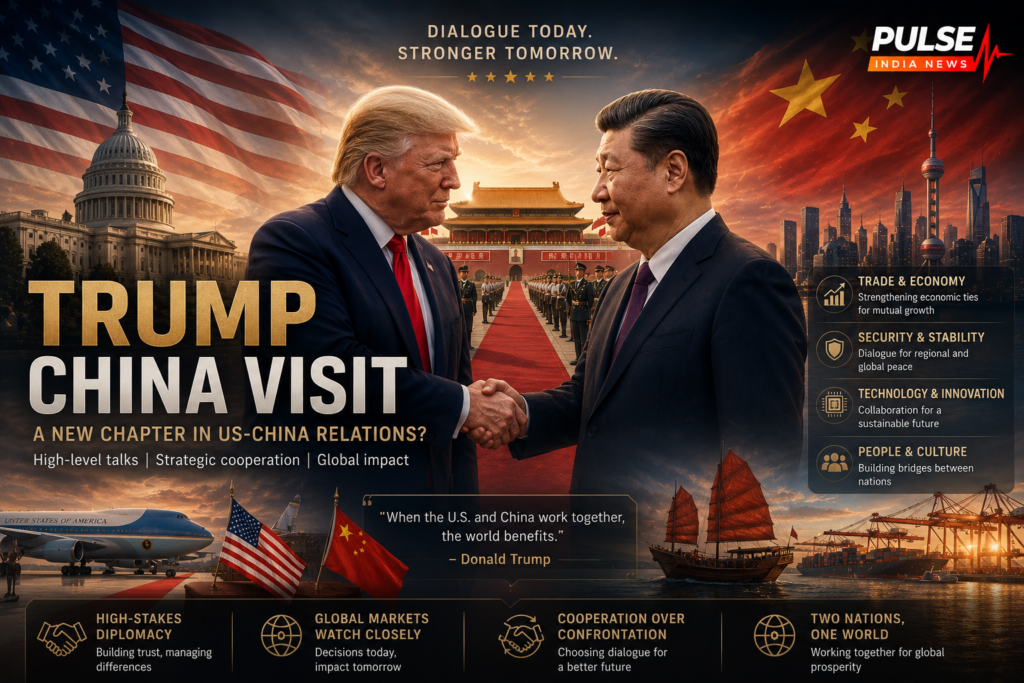
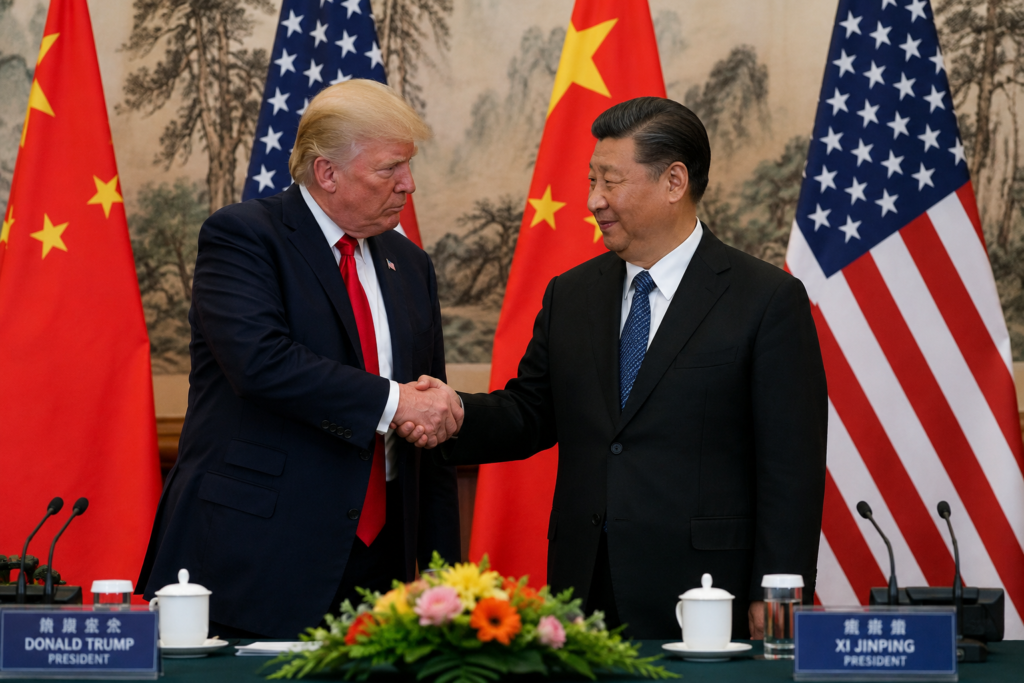
US President Donald Trump’s high-stakes visit to China this week has become one of the most closely watched geopolitical events of 2026, as Washington and Beijing attempt to stabilize ties amid growing economic, military and technological rivalry.
Trump is scheduled to visit China from May 13 to May 15, where he will hold multiple rounds of talks with Chinese President Xi Jinping in Beijing. The visit comes at a time when the world’s two biggest economies are locked in intense competition over trade, semiconductors, artificial intelligence, Taiwan and global influence.
Analysts believe the summit could shape the direction of the global economy and Indo-Pacific security landscape for years.
🗓️ Trump China Visit 2026: Full Schedule
May 13
➡️ Donald Trump arrives in Beijing
➡️ Formal welcome ceremony preparations
➡️ Initial diplomatic engagements with Chinese officials
May 14
➡️ Official bilateral talks between Trump and Xi Jinping
➡️ Expanded delegation-level meetings
➡️ State banquet hosted by China
➡️ Discussions on trade, Taiwan and technology rivalry
May 15
➡️ Follow-up negotiations and working lunch
➡️ Security and military stability discussions
➡️ Joint statements and possible economic announcements
🔥 What Will Trump And Xi Discuss?
The summit agenda covers nearly every major flashpoint in current US-China relations.
💰Trade & Tariffs
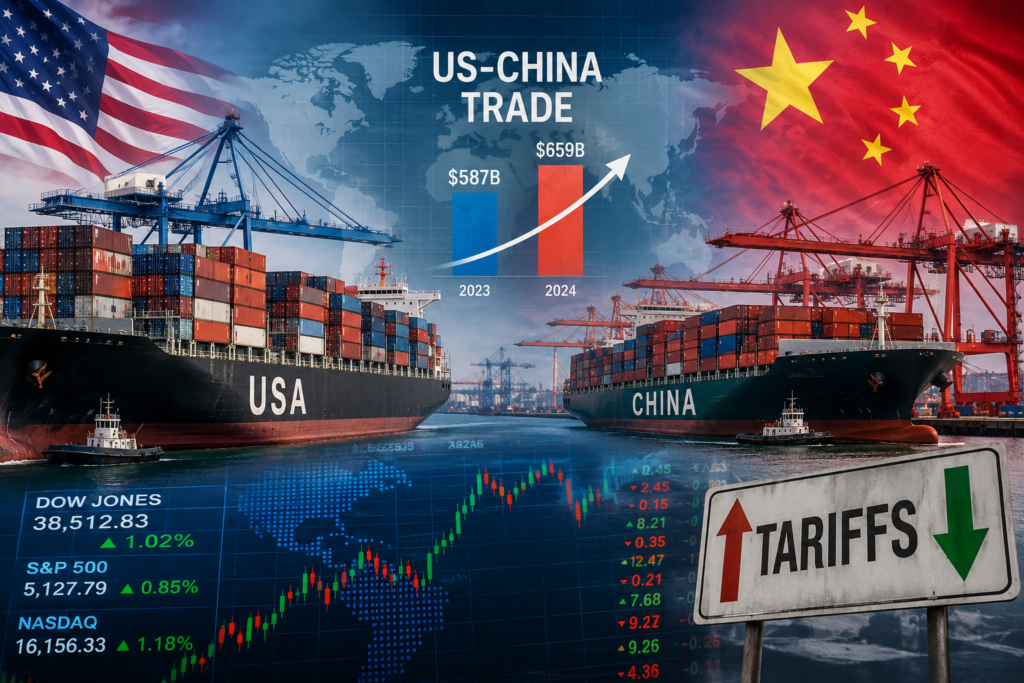
Trade tensions remain one of the biggest disputes between the two powers. Trump is expected to push for greater market access for American companies and reduction of Chinese trade practices that Washington considers unfair.
China, meanwhile, wants relief from US tariffs and restrictions that continue to hurt Chinese exports and manufacturing sectors.
The outcome of these talks could directly impact global markets and supply chains.
🌾Agriculture Deals
Agriculture is expected to become a major bargaining tool during negotiations.
The US wants China to increase purchases of American soybeans, corn, wheat and meat products to support US farmers and reduce the trade imbalance.
China may agree to selective agricultural imports as part of broader economic negotiations.
✈️ Aircraft & Boeing Deals
One major economic objective for Trump is securing large aircraft orders for Boeing.
Reports suggest China could discuss purchasing hundreds of aircraft over the coming years, which would provide a major boost to the struggling US aerospace sector and improve bilateral economic optics.
🤖Artificial Intelligence (AI)
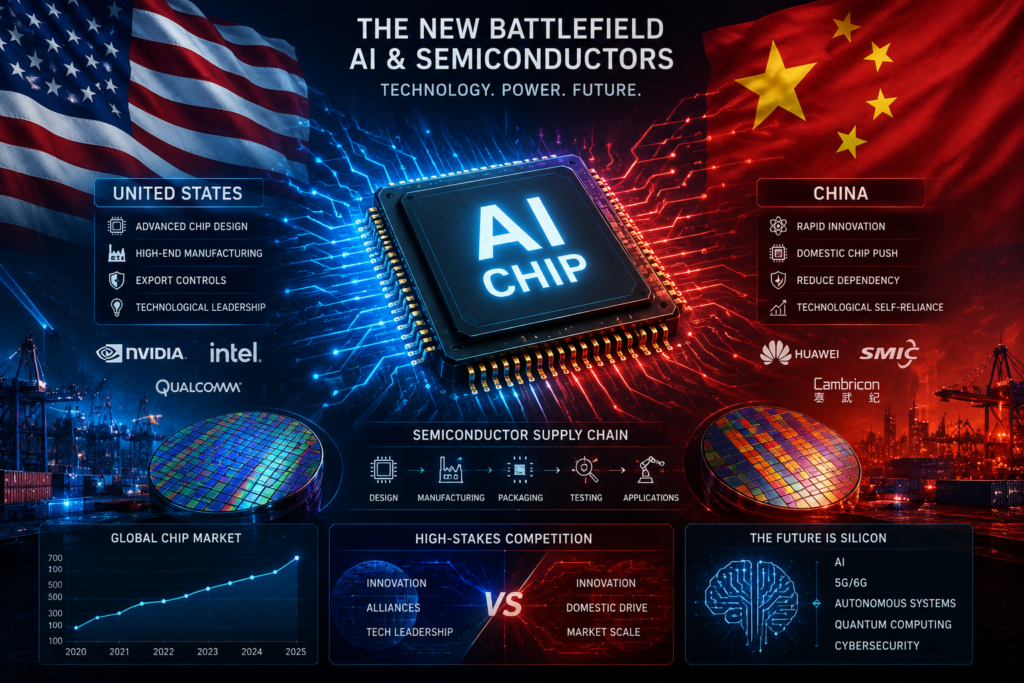
Artificial intelligence has become a major battlefield in the growing US-China rivalry.
Washington is increasingly concerned about China’s rapid AI advancements, particularly in military and surveillance technologies.
China, meanwhile, accuses the US of attempting to block its technological rise through export controls and restrictions on advanced AI chips.
The talks may include discussions on AI regulations, technology sharing and future competition rules.
💻Semiconductor Controls
The semiconductor war between Washington and Beijing is expected to dominate the summit.
The US has imposed strict export controls on advanced chips and chip-making technologies to slow China’s access to cutting-edge computing capabilities.
China considers these restrictions an attempt to contain its rise as a technological superpower and is expected to seek easing of some controls.
⚡Taiwan Issue
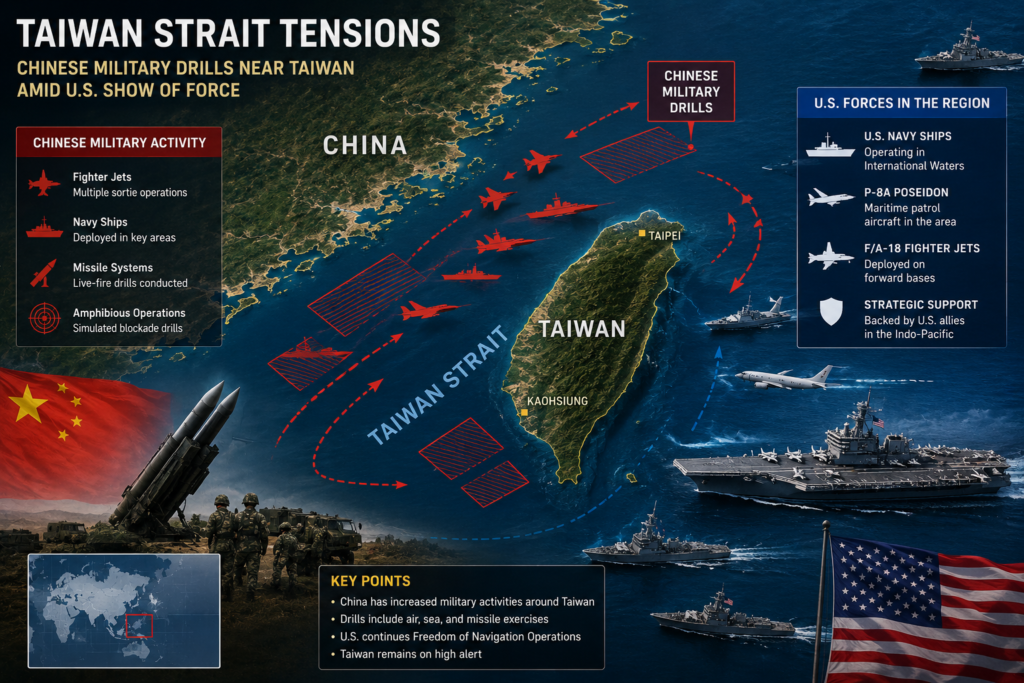
Taiwan remains the most dangerous and sensitive issue in US-China relations.
China views Taiwan as part of its territory and has repeatedly warned against US military support and arms sales to Taipei.
The US continues supporting Taiwan’s self-defence under its long-standing strategic policy, while increasing Chinese military activity around the island has raised fears of future conflict.
Any escalation around Taiwan could have massive global economic and military consequences.
⚡Iran & Middle East Crisis
The Middle East situation, especially tensions involving Iran, will also be part of discussions.
Trump reportedly wants China to use its influence over Iran to help reduce regional instability and protect global oil shipping routes.
China opposes several US sanctions linked to Iran and has maintained economic ties with Tehran despite Western pressure.
🪨Rare Earth Minerals
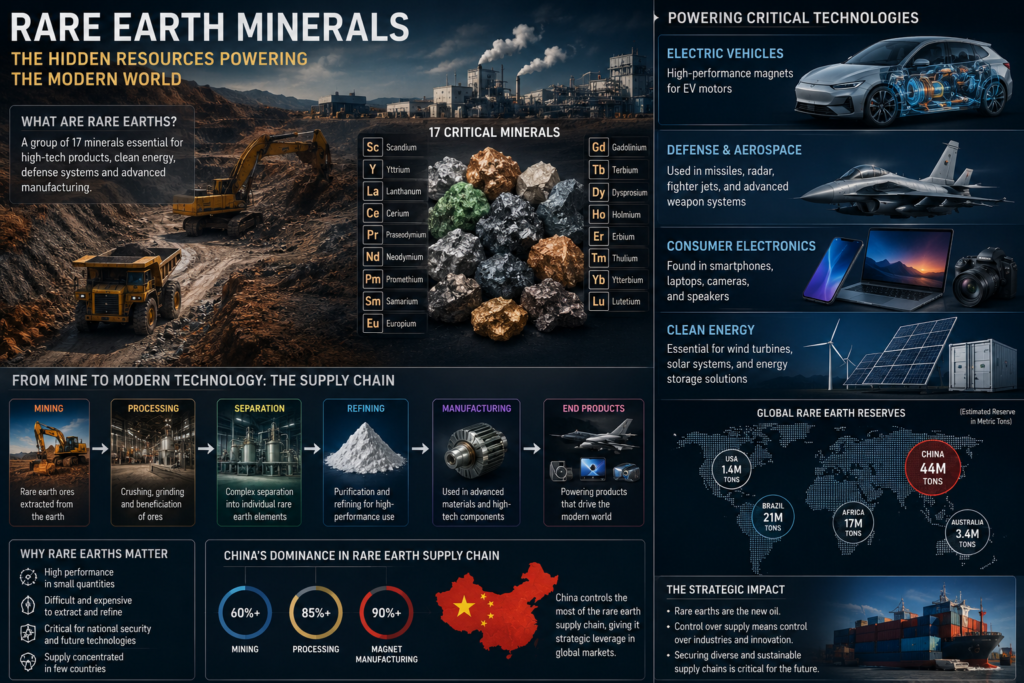
Rare earth minerals are now a strategic weapon in global geopolitics.
China dominates global rare earth production and processing, which are essential for electric vehicles, missiles, smartphones, defence electronics and renewable energy technologies.
The US wants more stable access to these materials after Chinese export restrictions disrupted several industries.
⚓Military Stability & Indo-Pacific Security
Military tensions between the US and China have increased sharply in recent years, particularly in the Taiwan Strait and South China Sea.
Both countries are expected to discuss crisis communication mechanisms, naval operations and ways to prevent accidental military escalation.
The Indo-Pacific remains the central theatre of long-term US-China strategic competition.
🌍 Why This Visit Matters
Trump’s China visit is not just another diplomatic event.
It comes at a time when:
- The global economy remains fragile
- Taiwan tensions are rising
- AI competition is accelerating
- Semiconductor supply chains are under pressure
- Indo-Pacific military rivalry is intensifying
A breakdown in US-China relations could impact everything from global stock markets and oil prices to technology industries and regional security alliances.
🌐 How The World Is Watching
Europe
European nations are closely monitoring whether the summit reduces economic tensions that could hurt global trade and manufacturing.
India
India is watching carefully because any shift in US-China relations could influence Indo-Pacific strategy, Taiwan stability and regional defence alignments.
Japan & Indo-Pacific Allies
Japan, Australia and the Philippines remain concerned about Chinese military expansion and are looking for signs of whether Washington will maintain pressure on Beijing.
📊 Final Analysis
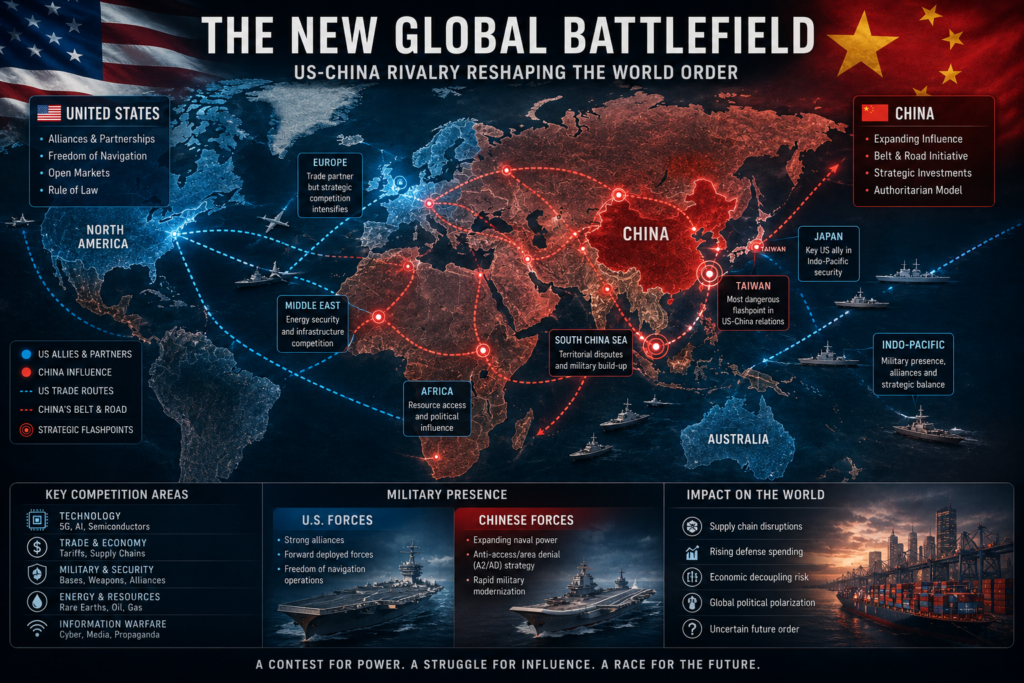
Trump’s China visit reflects a new reality in global geopolitics — the rivalry between the United States and China is now structural, strategic and long-term.
While the summit may produce temporary economic agreements or confidence-building measures, the deeper contest over technology, military power, Taiwan and global influence is unlikely to disappear.
The outcome of these talks could shape the future balance of power across the Indo-Pacific and the global economy itself.