📅 May 12, 2026 | By Pulse India News Desk
Prime Minister Narendra Modi is expected to hold key diplomatic meetings with foreign ministers from BRICS nations, including Iranian Foreign Minister Seyed Abbas Araghchi, ahead of his upcoming visit to the United Arab Emirates. The meetings come at a time of heightened geopolitical tensions in West Asia and growing global focus on energy security, trade routes, and regional stability.
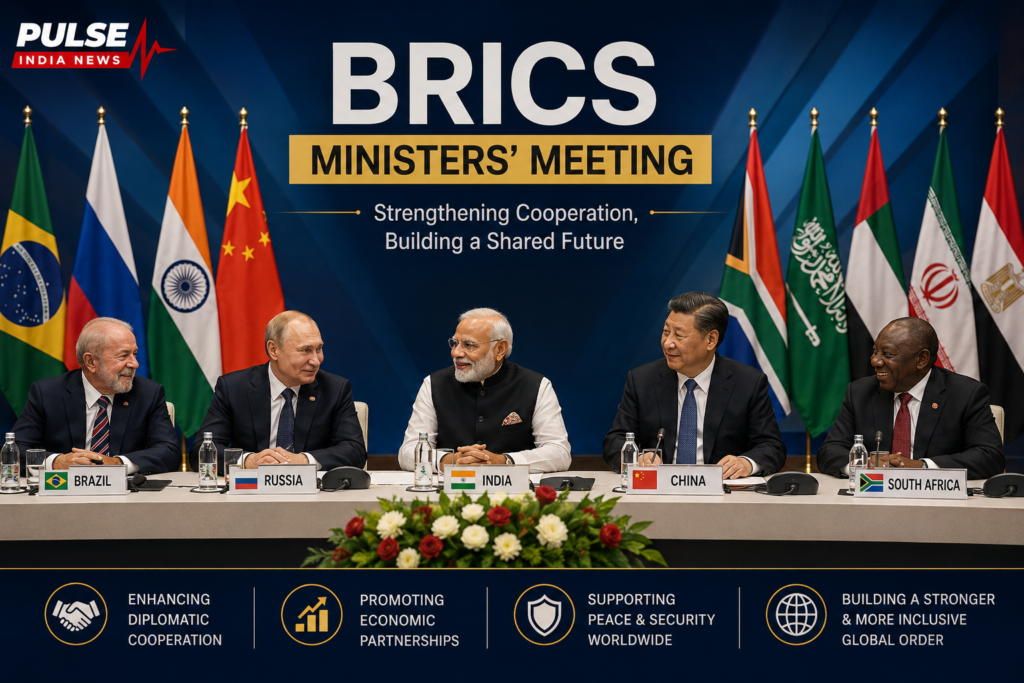
India, which is hosting the BRICS foreign ministers’ meeting on May 14–15, is expected to push for diplomatic consensus on the ongoing West Asia crisis. However, differences between member nations, especially between Iran and the UAE may complicate efforts to issue a unified statement.
Iran’s participation is particularly significant as Tehran seeks stronger support within BRICS against Western and Israeli actions in the region. Reports suggest Iran has urged India to help build consensus among BRICS members regarding the conflict and sanctions-related issues.
Meanwhile, PM Modi is scheduled to visit Abu Dhabi on May 15, where he is expected to meet UAE President Mohamed bin Zayed Al Nahyan. Discussions are likely to focus on:
- Energy cooperation
- Trade and investment
- Regional security
- Strategic connectivity projects
- Indian diaspora and evacuation coordination mechanisms amid Gulf tensions
The diplomatic balancing act highlights India’s attempt to maintain strong ties with both Iran and the UAE while avoiding direct alignment in the ongoing West Asia conflict. India has so far preferred diplomatic engagement over participation in any military coalition in the region.
Why This Meeting Matters
- BRICS is increasingly emerging as a geopolitical counterweight to Western-led blocs.
- India is trying to position itself as a neutral diplomatic bridge between competing powers in West Asia.
- The Strait of Hormuz tensions directly impact India’s oil and LPG supplies.
- The UAE remains one of India’s most important economic and strategic partners.
PM Modi to Meet Iran FM, BRICS Ministers Ahead of UAE Visit Amid West Asia Tensions
Prime Minister Narendra Modi is set to hold a series of high-level diplomatic meetings with foreign ministers from BRICS nations, including Iran’s Foreign Minister Seyed Abbas Araghchi, ahead of his scheduled visit to the United Arab Emirates later this week.
The meetings come at a sensitive geopolitical moment as tensions continue to simmer across West Asia, with global powers closely watching developments involving Iran, Israel, regional security corridors and energy supply chains.
India is hosting the BRICS Foreign Ministers’ Meeting on May 14–15, where discussions are expected to focus heavily on regional stability, economic cooperation, multipolar global governance and the ongoing crisis in West Asia.
India Walking a Diplomatic Tightrope
For New Delhi, the timing of the meetings is significant.
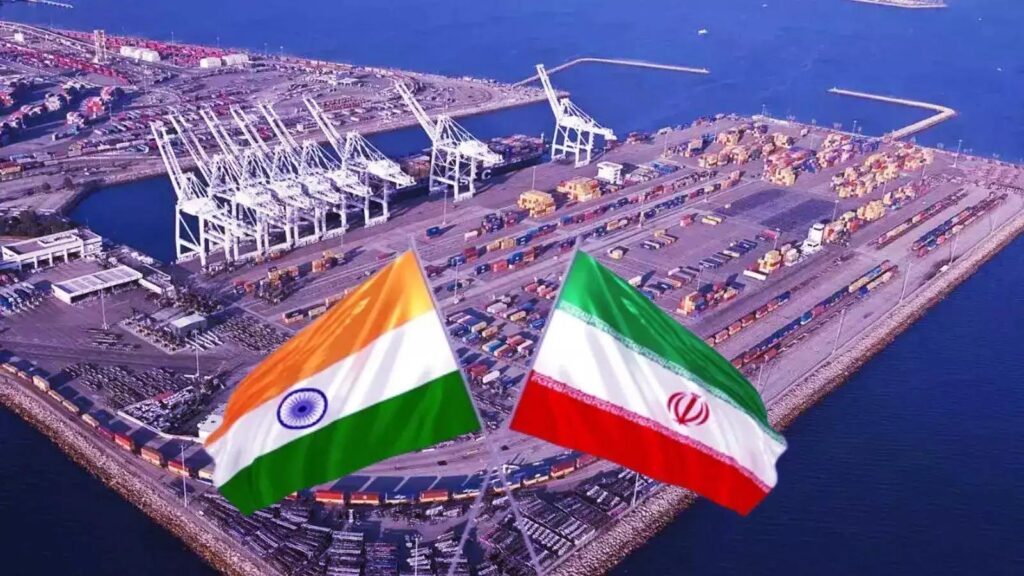
India maintains strategic relations with both Iran and the UAE, two countries that often find themselves on opposite sides of regional political equations. While Iran remains important for India’s energy security and connectivity ambitions such as the Chabahar Port project, the UAE has emerged as one of India’s closest strategic and economic partners in the Gulf.
Diplomatic sources indicate that PM Modi’s engagement with Iranian and BRICS leaders is aimed at strengthening dialogue channels while avoiding escalation-driven polarization in the region.
Iran’s Growing Focus on BRICS
Iran’s participation in the BRICS discussions has drawn particular attention.
Since joining the grouping, Tehran has increasingly viewed BRICS as a platform to counter Western economic pressure and build alternative strategic partnerships. Iranian officials are expected to raise concerns related to sanctions, regional security and the humanitarian situation in conflict-hit areas of West Asia.
Analysts believe Iran may also seek stronger diplomatic backing from BRICS nations amid growing instability in the region.
UAE Visit to Focus on Trade, Energy & Connectivity

After the BRICS meetings, PM Modi is expected to travel to Abu Dhabi for talks with UAE President Sheikh Mohamed bin Zayed Al Nahyan.
The visit is likely to focus on:
- Bilateral trade expansion
- Energy cooperation
- Investment partnerships
- Food and energy security
- Strategic maritime connectivity
- Regional security coordination
India and the UAE have significantly expanded ties in recent years under the Comprehensive Economic Partnership Agreement (CEPA), with bilateral trade witnessing rapid growth.
Why These Meetings Matter
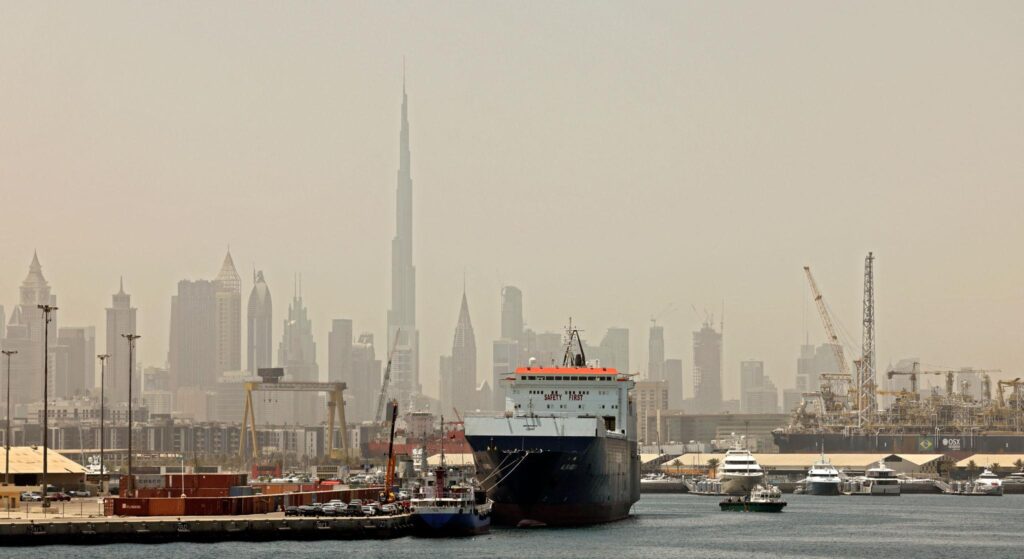
The diplomatic engagements underline India’s broader foreign policy strategy — maintaining balanced ties with multiple power centres while positioning itself as a stabilising voice during global uncertainty.
With the Gulf region remaining critical for India’s oil imports, trade routes and expatriate workforce, developments in West Asia directly affect India’s economic and strategic interests.
The meetings also come as BRICS continues to expand its influence globally, increasingly positioning itself as a major geopolitical and economic bloc beyond the Western-led order.
Bigger Picture
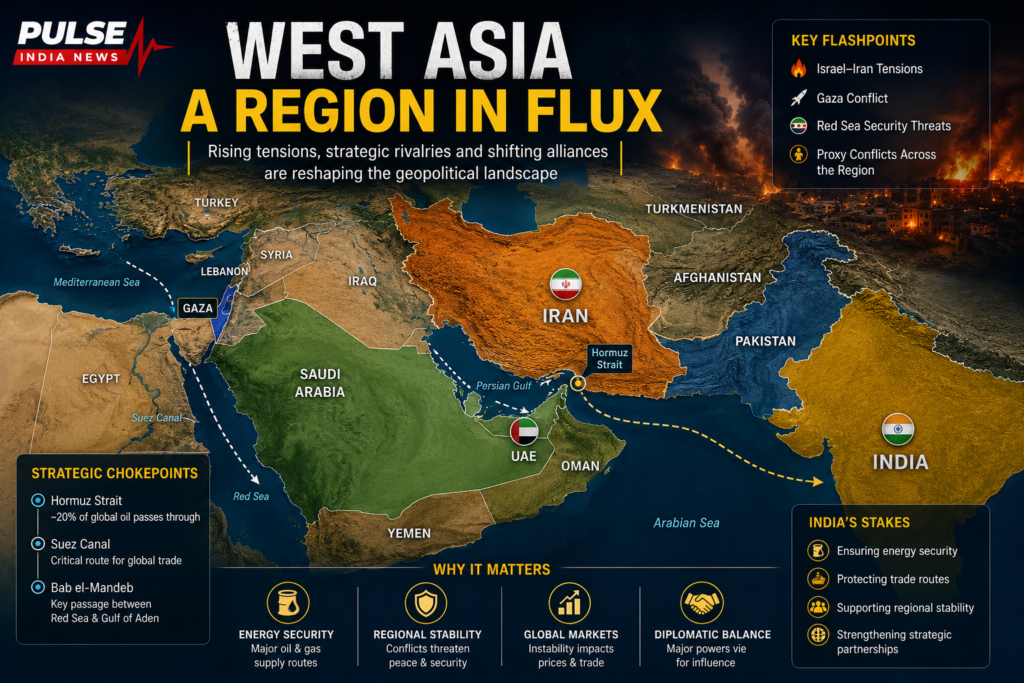
India’s outreach to both Iran and the UAE reflects New Delhi’s attempt to maintain strategic autonomy in an increasingly fragmented global environment.
As global tensions rise and energy markets remain volatile, PM Modi’s diplomatic engagements this week are expected to play an important role in shaping India’s regional positioning and broader BRICS coordination in the months ahead.