Nepal Flash Flood: 22 Dead, Hundreds Missing as Himalayan Surge Devastates Border Region
At least 105 Indian nationals are among travellers whose locations authorities are working to verify after mud, rock and water swept through northern Nepal near Tibet.
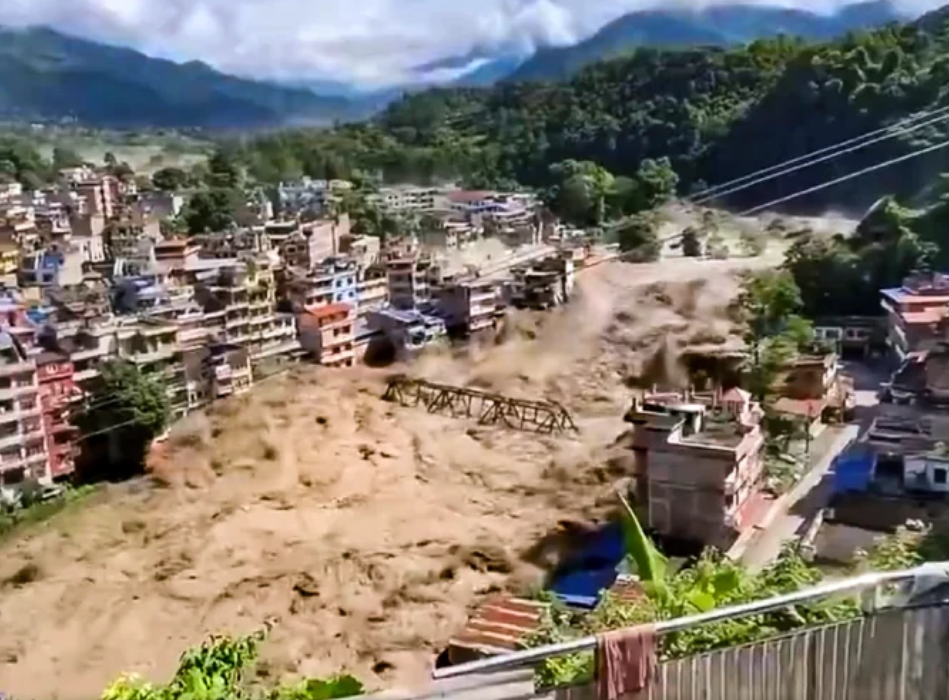
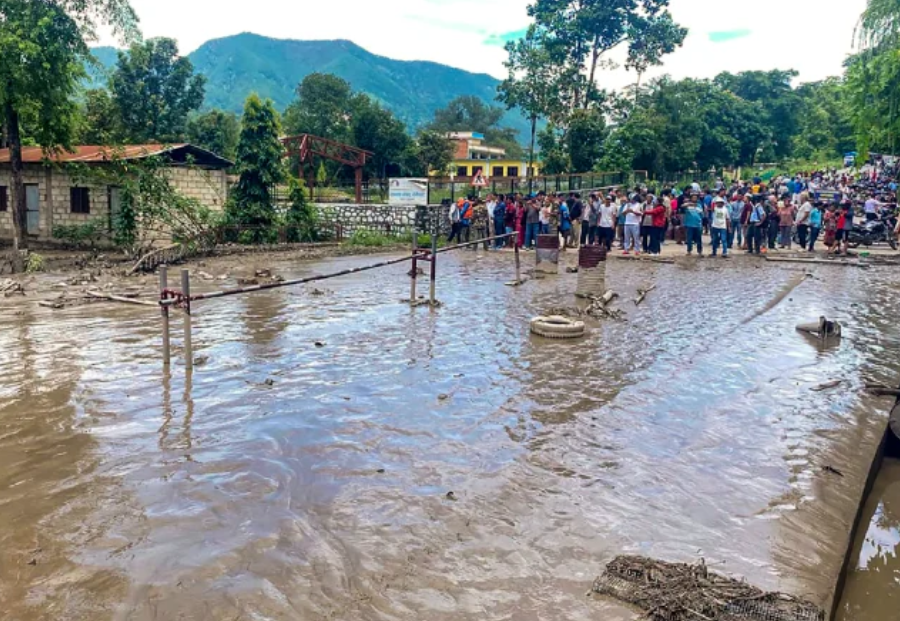
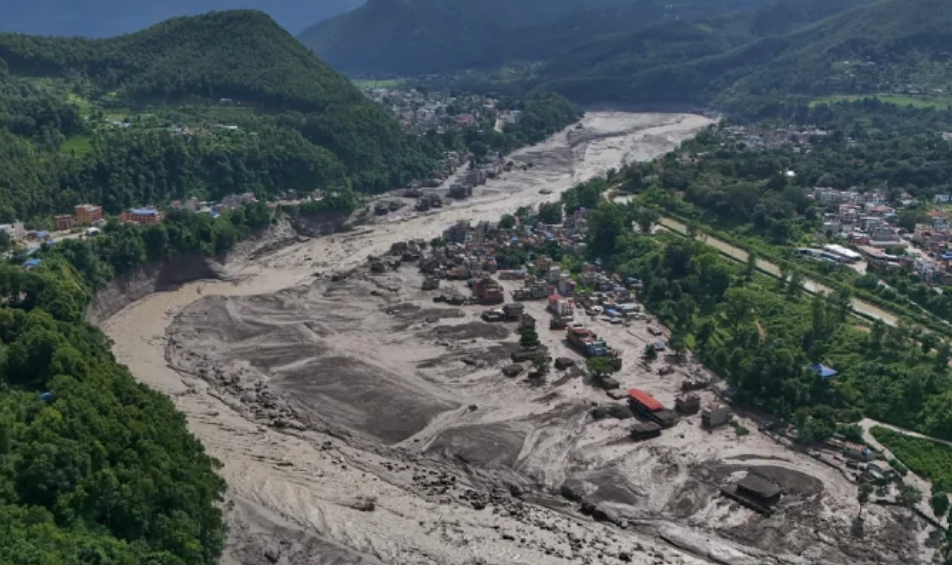
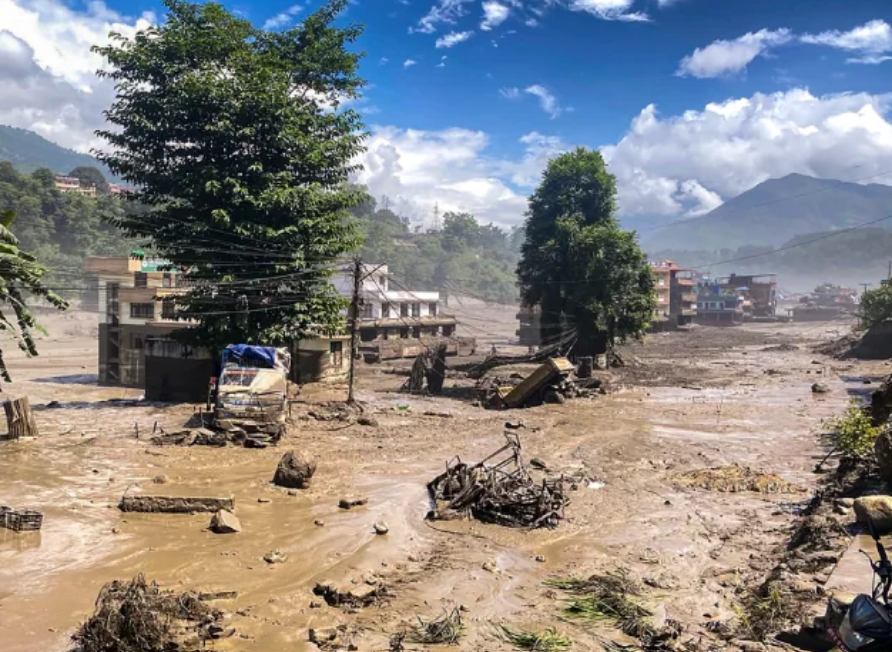
A catastrophic flash flood tore through Nepal’s northern Himalayan border region on Wednesday, August 26, sending a wall of muddy water, rock and debris through settlements along the Bhote Koshi–Trishuli river system. At least 22 people were reported dead in the latest widely cited update, while hundreds of tourists, pilgrims, workers and residents remained unaccounted for.
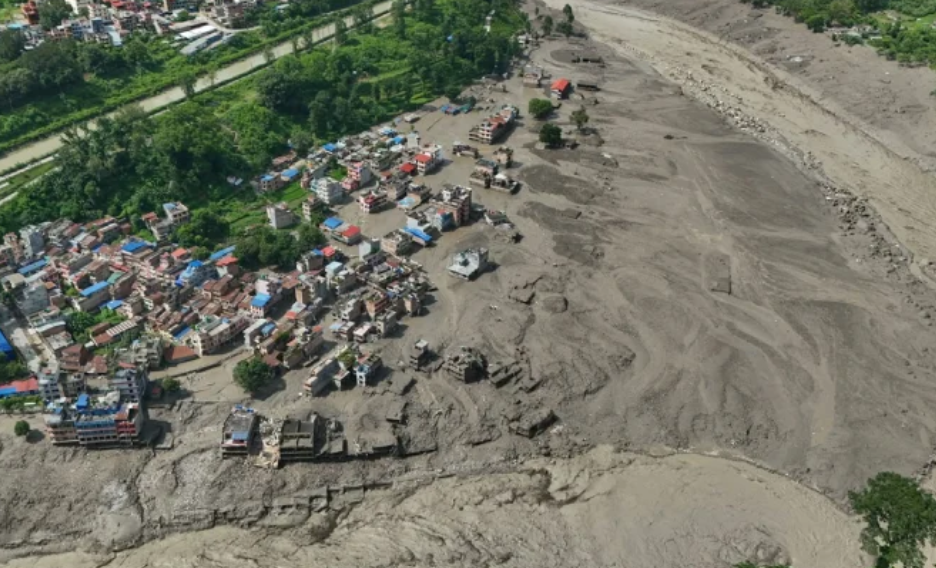
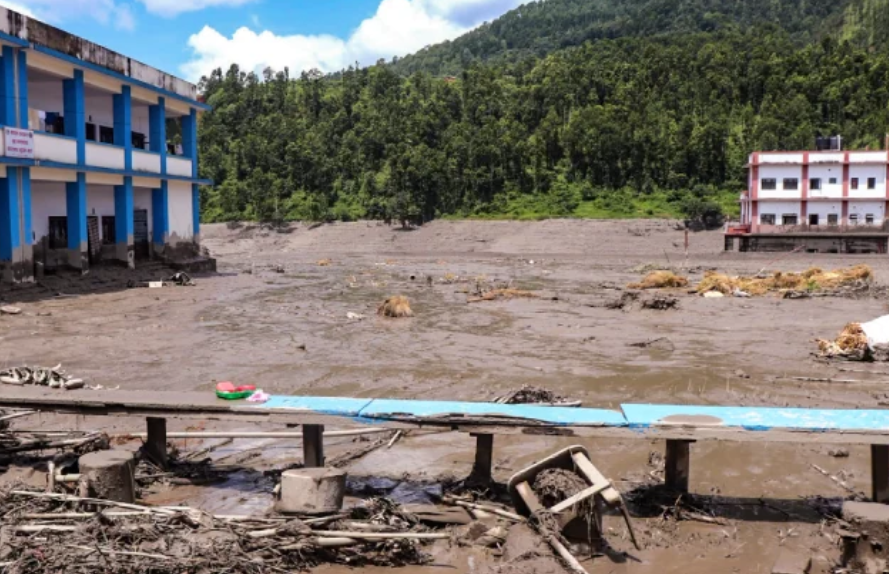
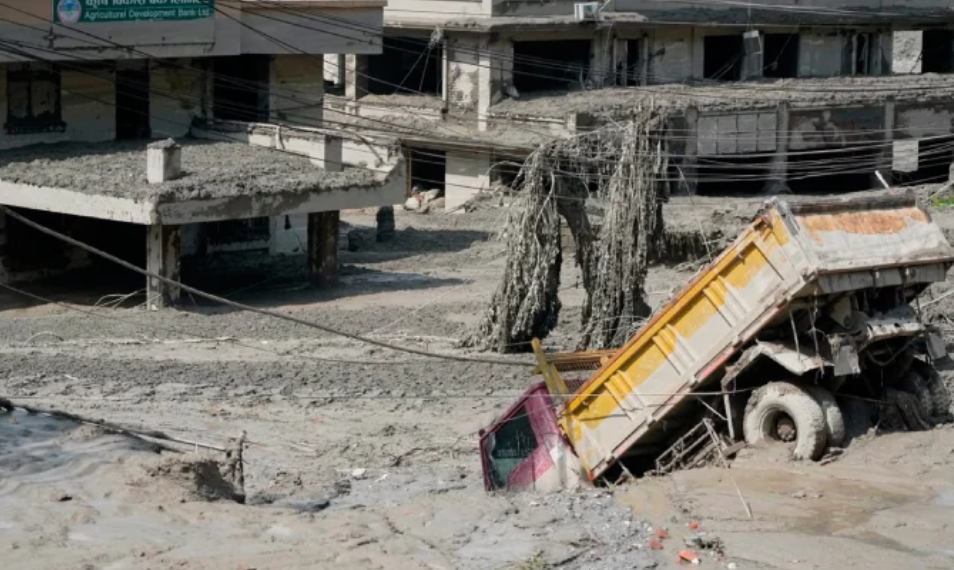
The disaster struck Rasuwa district and downstream communities, damaging Timure, Syabrubesi and settlements in the Trishuli valley. Homes, bridges, roads, vehicles, border infrastructure and hydropower facilities were swept away or buried beneath sediment.
What happened and when?
A sudden surge entered the Bhote Koshi river system from the high Himalayan border area, giving communities little time to react.
A magnitude 4.4 earthquake was recorded in the region. Nepalese officials said it may have triggered an ice-and-rock avalanche, but the direct connection remains unconfirmed.
Mud, boulders and floodwater rushed downstream, destroying buildings, bridges and project sites and cutting the main Nepal–China land route.
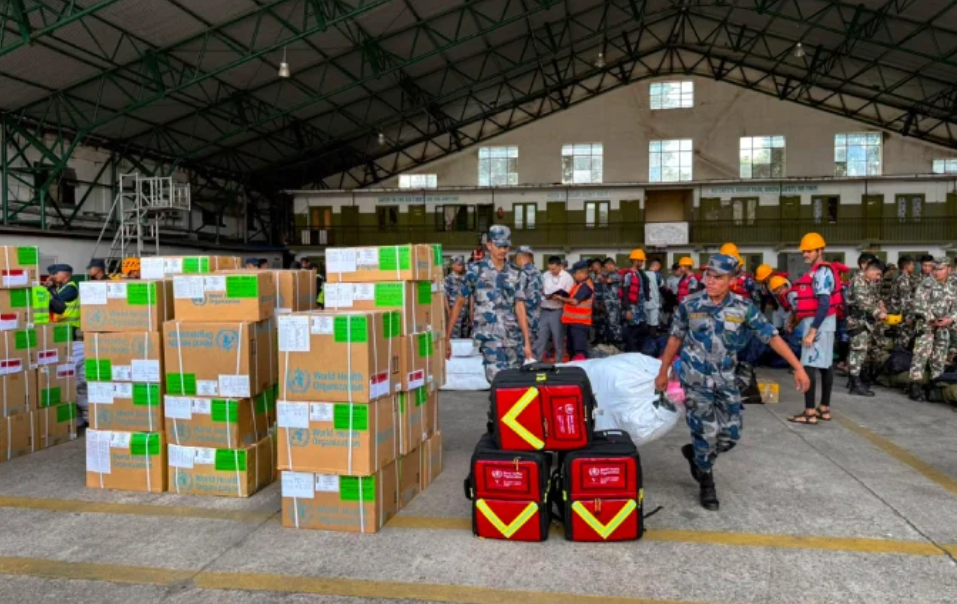
Nepal mobilised the army, police, helicopters, medical personnel and relief organisations. High water and deep sediment prevented aircraft from landing in some locations.
Experts warned that debris remaining upstream could release another surge. Riverside residents were ordered to move to higher ground.
What caused the disaster?
The immediate trigger has not been conclusively established. An initial assessment by Himalayan risk specialists suggests that an ice-and-rock avalanche entered or blocked the Lhende Khola. A sudden breach of that temporary dam could have released the destructive flood downstream.
Nepal’s foreign minister told parliament that the earthquake recorded shortly before the flood may have triggered a major landslide. Investigators are also examining whether glacial meltwater or a high-altitude lake contributed. Until scientific field and satellite assessments are completed, claims that a dam burst or that climate change directly caused this individual event should be treated cautiously.
“With a blockage still lodged upstream on the Nepal–China border river, authorities warn a second flood may occur.”
— Initial warning reported by ICIMOD expert Qianggong ZhangLives lost and hundreds still out of contact
At least 22 deaths were reported by late Wednesday, although earlier official and agency updates carried lower totals as rescuers reached new areas. Dozens were injured, and the final toll was feared to rise.
The Nepal Tourism Board initially said 384 travellers of which 291 foreign nationals and 93 Nepalis were out of contact. Many were believed to be pilgrims preparing to cross into Tibet for the Kailash Mansarovar journey. Authorities stressed that disrupted telecommunications could account for some of those who had not yet been reached.
| Nationality or group | Preliminary number | Status |
|---|---|---|
| Indian nationals | 105 | Locations being verified |
| Non-Resident Indians | 37 | Separately listed in some tourism updates |
| Nepali nationals | 93 | Reported out of contact |
| British nationals | 12 | Included in preliminary foreign-national data |
| South Korean workers | 8 | Reported missing; ten others reportedly stranded |
| Other foreign nationals | Includes Malaysian, US, South African, Australian and Dutch citizens | Verification continuing |
Rescue operation and India’s alert
Nepal deployed army and police personnel, helicopters, medical teams, the Red Cross and other responders. Mountainous terrain, washed-out roads and sediment up to 1.5 metres deep complicated access. Helicopters were initially unable to land in Syabrubesi and Timure because the river was flowing outside its usual course.
India placed downstream areas on alert as the Bhote Koshi joins the Trishuli and ultimately flows into India through the Gandak system. Bihar and Uttar Pradesh strengthened monitoring, while NDRF and state disaster-response teams were prepared for deployment in potentially affected areas. The Sashastra Seema Bal reportedly activated 18 teams along the India–Nepal frontier, including seven held on standby.
How the flood could affect Nepal’s economy
The full financial loss cannot yet be calculated. The immediate damage, however, touches several sectors central to Nepal’s economy: electricity, border trade, tourism, transport and local livelihoods.
Hydropower
About 430 MW of electricity supply was affected, more than 12% of Nepal’s installed hydropower capacity in the Reuters assessment. Repair delays could pressure domestic supply and electricity revenue.
Roads and bridges
Sections of the route linking Nuwakot and Rasuwa with the Chinese border were destroyed, including multiple bridges. Reconstruction in unstable mountain terrain will be difficult and expensive.
Trade with China
Damage at the Gyirong–Rasuwagadhi crossing severed a strategic trade corridor. Prolonged closure could delay goods, raise logistics costs and disrupt customs income.
Tourism and pilgrimage
The crisis struck a route used by international tourists and Kailash Mansarovar pilgrims. Cancellations and safety concerns may hurt guides, hotels, transporters and border communities.
Homes and livelihoods
Families have lost houses, vehicles, farmland and small businesses. Relief, temporary shelter and rebuilding will add to the government’s fiscal burden.
Long-term resilience
Repeated Himalayan floods strengthen the case for cross-border early-warning systems, glacier monitoring, resilient bridges and tighter controls on construction in flood corridors.
What world leaders said
Nepal: rescue, evacuation and relief ordered
Prime Minister Balendra Shah ordered police and military participation in rescue operations and instructed authorities to evacuate communities in lower-lying areas. Nepal also sought assistance from India and China as the scale of the disaster became clearer.
India: Modi offers humanitarian assistance
Prime Minister Narendra Modi spoke with his Nepalese counterpart, expressed condolences and said the people of India stood in solidarity with Nepal. He offered all possible humanitarian assistance and said officials from both countries were coordinating rescue and relief efforts.
China: Xi orders an “all-out” search
Chinese President Xi Jinping directed authorities to make an all-out effort to locate missing people after the mudslide affected Gyirong port in Tibet. He also called for stronger monitoring and early-warning measures against secondary disasters. China deployed more than 570 rescuers to the border crossing.
South Korea: rapid-response team planned
South Korea formed a government task force after eight of its nationals working on a hydropower project were reported missing. Seoul said it planned to send a joint rapid-response team involving government, police and fire-service personnel.
What happens next?
The immediate priority is to locate missing people, reopen access routes and evacuate communities exposed to another possible surge. Once water levels recede, engineers will need to assess damaged bridges, highways, hydropower plants, telecommunications and electricity networks.
The event is also likely to intensify calls for Nepal, India and China to share real-time river, seismic and glacial-risk data. The same Bhote Koshi corridor suffered a deadly flood in July 2025 after the drainage of a supraglacial lake in Tibet, disrupting the Friendship Bridge and cross-border movement for months.
For families awaiting information, the distinction between “missing” and “out of contact” remains crucial. Restored communications and verified passenger lists may reduce the number, but rescue agencies are preparing for the possibility of a heavier human toll.
Emergency contacts for travellers and families
- Nepal Tourism Board toll-free: 1234
- Emergency hotline: 1144
- Tourist Police: +977 9851289445
Sources and reporting note
Compiled from updates by Reuters, its cause-and-response explainer, The Kathmandu Post, Associated Press and the Indian Express live report. Casualty and missing-person figures should be updated against the latest official bulletin before publication.
Last updated: August 26, 2026. This article will require revision as rescue agencies confirm new information.