📅 June 15, 2026 | By Pulse India News Desk
Khavda, Gujarat: In the harsh, windswept salt deserts of Kutch, where temperatures frequently soar above 45°C and little economic activity once existed, India is constructing what could become one of the most significant energy projects in modern history.
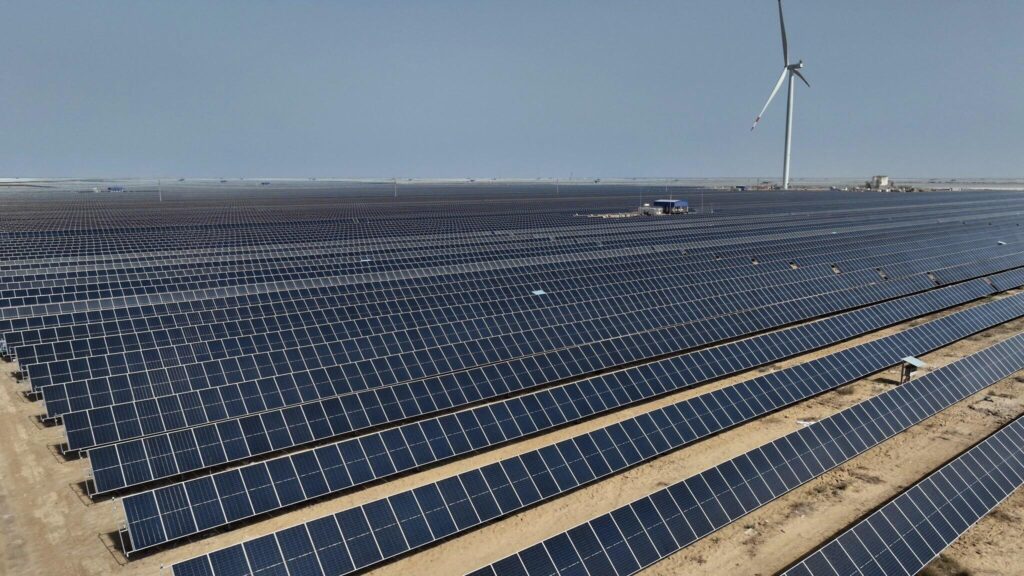
Stretching across a vast expanse near the India-Pakistan border, the Khavda Renewable Energy Park is transforming thousands of hectares of barren land into the world’s largest renewable energy city. What was once considered inhospitable wasteland is now emerging as the centerpiece of India’s clean-energy revolution.
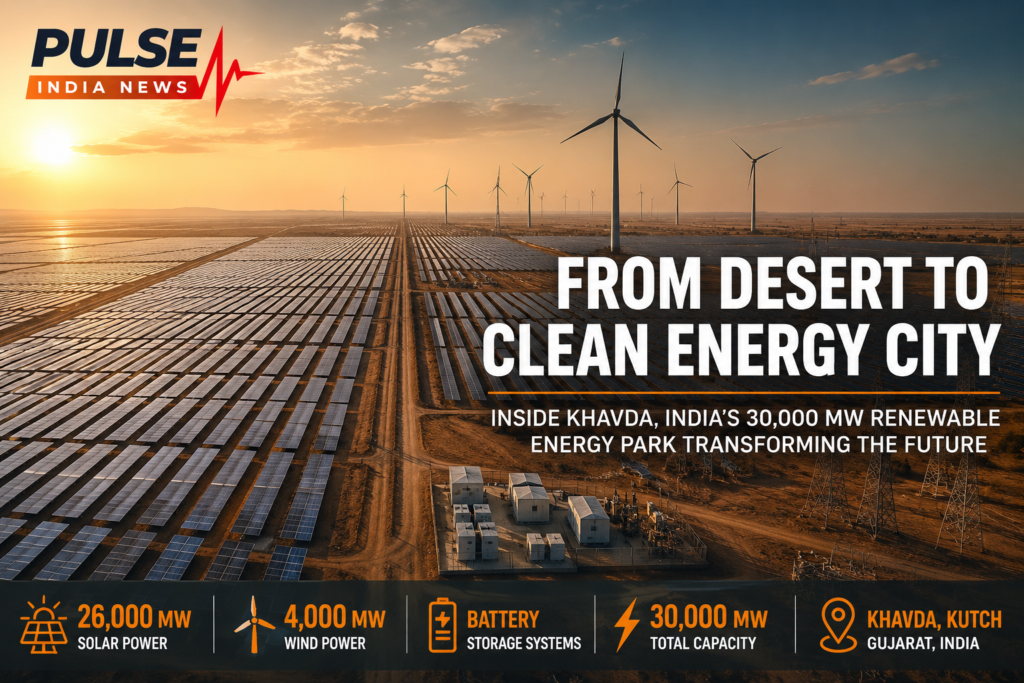
With a planned capacity of 30,000 megawatts (30 GW), Khavda is not merely another solar project, it is a strategic national asset designed to power millions of homes, strengthen energy security, reduce dependence on fossil fuels, and position India among the global leaders in renewable energy.
A Project Visible From Space
The scale of Khavda is difficult to comprehend.
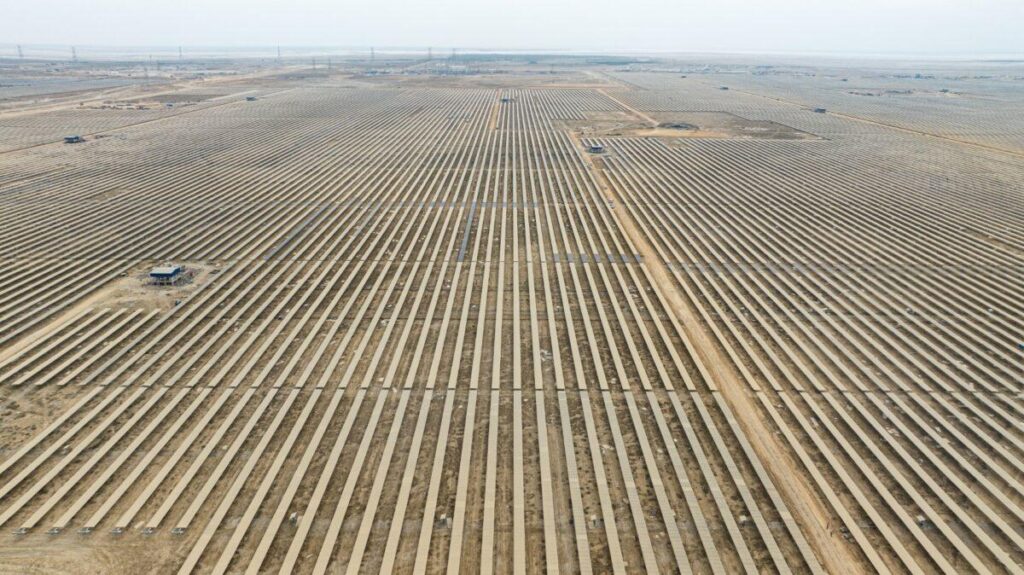
The renewable energy park covers approximately 538 square kilometres, making it larger than many major cities around the world. Vast rows of solar panels stretch across the desert horizon while towering wind turbines harness the powerful winds that sweep across the Kutch region.
Industry experts say the completed project will be among the few human-made energy installations visible from space due to its sheer size and infrastructure footprint.
For comparison, Khavda’s planned capacity is larger than the total electricity-generating capacity of several countries.
Breaking Down the Energy Mix
The project’s strength lies in its hybrid renewable model, combining multiple sources of clean energy rather than relying on a single technology.
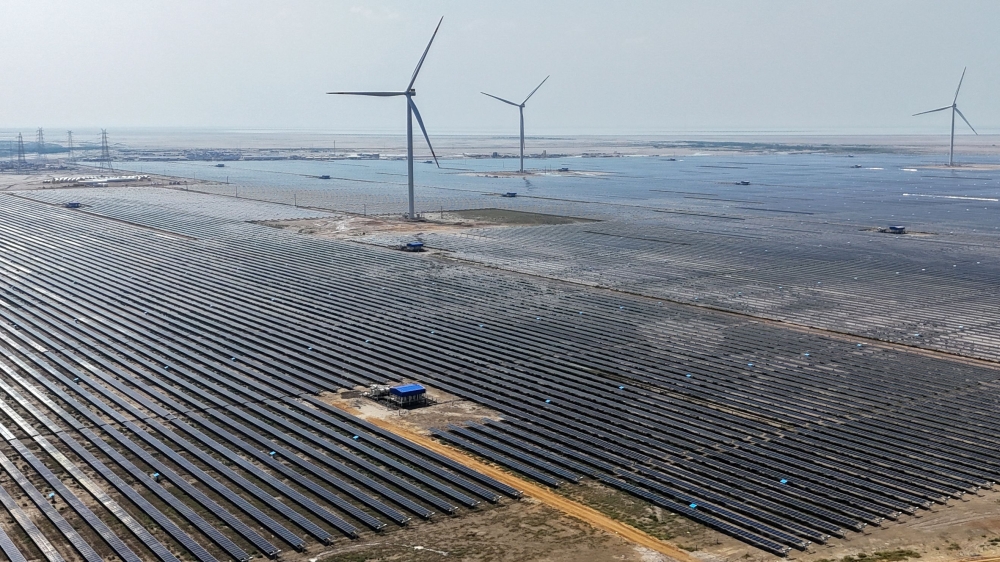
The planned capacity includes:
Solar Energy: 26,000 MW
The backbone of the project will be one of the largest solar power installations ever built. The Kutch region receives abundant sunlight throughout the year, making it ideal for utility-scale solar generation.
Millions of photovoltaic panels will convert sunlight into electricity, producing clean power during daylight hours.
Wind Energy: 4,000 MW
Complementing the solar installations will be thousands of megawatts of wind generation capacity.
The region’s strong and consistent winds make it one of India’s most promising wind-energy zones. Wind turbines will continue generating electricity even after sunset, helping balance power production.
Battery Energy Storage Systems
Although storage systems do not generate electricity, they may ultimately prove to be one of the project’s most important components.
Massive battery installations are being developed to store surplus electricity generated during peak production periods and release it when demand rises or renewable generation declines.
This helps solve one of renewable energy’s biggest challenges: intermittency.
Why Khavda?
For decades, the land around Khavda remained largely unused.
The area is remote, arid, and difficult to cultivate. Extreme weather conditions limited development opportunities, and its proximity to the international border reduced industrial expansion.
However, what once appeared to be disadvantages are now considered strategic strengths.
Khavda enjoys:
- More than 300 sunny days per year
- Strong and consistent wind patterns
- Vast tracts of sparsely populated land
- Proximity to major transmission corridors
- Minimal competition from agricultural activity
These factors make it one of the most attractive renewable-energy locations anywhere in the world.
A Key Pillar of India’s Energy Future
India’s electricity demand is expected to grow dramatically over the coming decades as the country’s economy expands and living standards improve.
Meeting that demand while reducing carbon emissions represents one of the country’s biggest policy challenges.
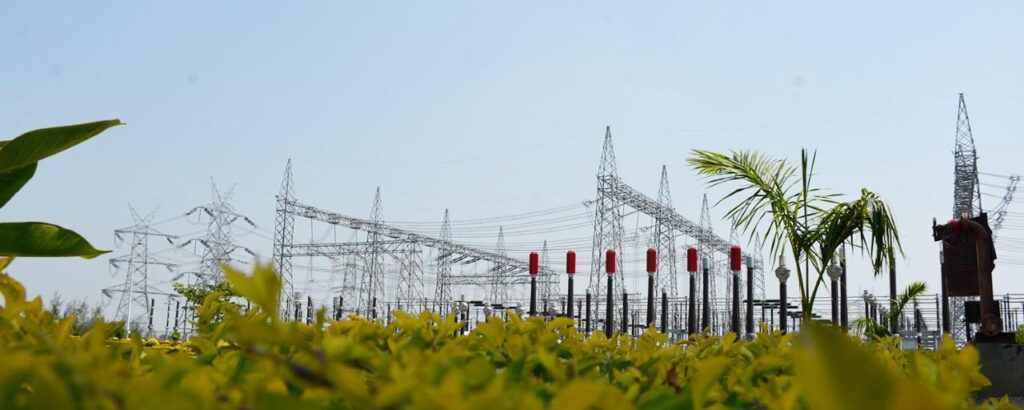
Projects such as Khavda are central to India’s strategy.
The renewable energy generated here is expected to power millions of homes, businesses and industries while helping reduce reliance on imported fossil fuels.
Energy analysts view the project as a critical step toward India’s long-term clean-energy goals and broader commitment to sustainable development.
More Than Just Clean Electricity
The impact of Khavda extends far beyond energy production.
The project is creating thousands of jobs in engineering, construction, logistics, operations and maintenance.
Roads, transmission lines and supporting infrastructure have already begun reshaping parts of the Kutch region.
Local businesses, suppliers and service providers are also benefiting from increased economic activity associated with the project.
For many communities in the region, Khavda represents one of the largest development initiatives ever undertaken.
The Engineering Challenge
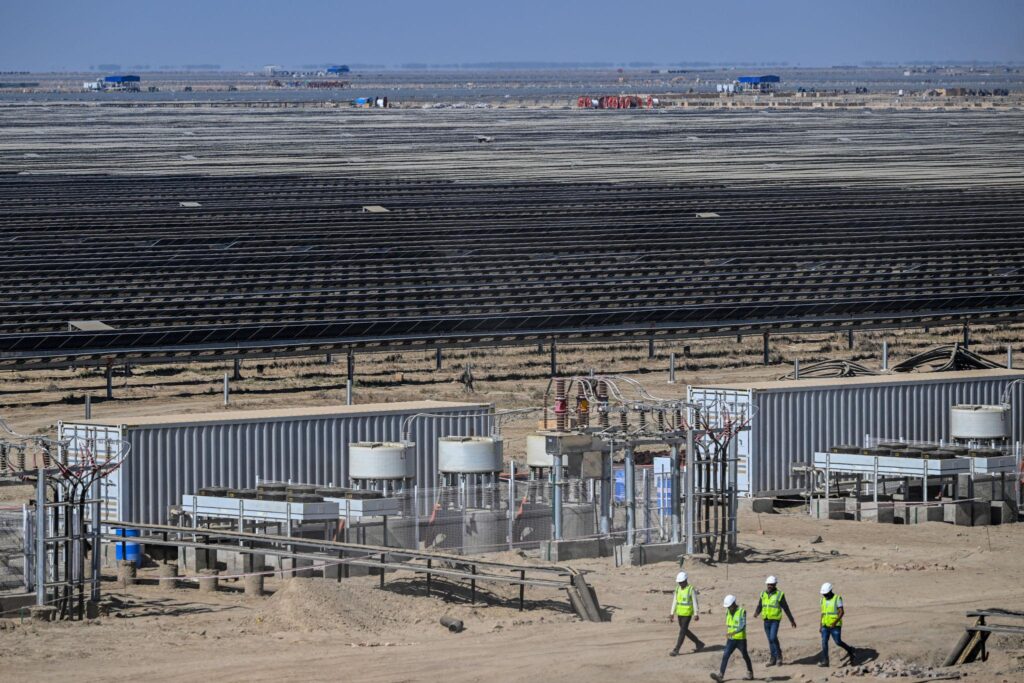
Building a renewable energy city in the middle of a desert is far from straightforward.
Engineers must contend with:
- Extreme temperatures
- Dust and sandstorms
- Remote logistics
- Massive transmission requirements
- Grid integration challenges
Transporting equipment, maintaining infrastructure and ensuring reliable electricity delivery across such a vast area requires unprecedented planning and coordination.
In many ways, the engineering complexity rivals that of major urban infrastructure projects.
Environmental Questions
Like all mega-projects, Khavda has generated debate.
Supporters argue that the project is essential for reducing carbon emissions and accelerating the transition away from fossil fuels.
However, environmental experts have raised concerns about balancing large-scale renewable energy development with conservation efforts in ecologically sensitive desert regions.
Questions surrounding biodiversity, wildlife movement corridors and long-term environmental management continue to be closely monitored by regulators and researchers.
A Global Symbol of Renewable Ambition
Around the world, countries are searching for ways to meet growing energy needs while tackling climate change.
Khavda has become a case study in how large-scale renewable infrastructure can transform landscapes and economies.
If completed as planned, it will surpass every existing renewable energy park in size and capacity, cementing India’s position as one of the world’s most ambitious clean-energy developers.
The project represents more than solar panels and wind turbines. It reflects a broader vision of how technology, infrastructure and long-term planning can turn seemingly unproductive land into a driver of economic growth and national energy security.
The Road Ahead
Construction continues at a rapid pace, with several gigawatts already operational and new installations being added every year.
When fully completed, Khavda will stand as one of the defining infrastructure achievements of 21st-century India—a renewable energy city rising from the desert, powering millions of lives and demonstrating how the future of energy may be built in places once considered impossible to develop.
From barren salt flats to a clean-energy powerhouse, the transformation of Khavda is not just reshaping Gujarat’s landscape. It is helping redefine India’s role in the global energy transition.