
The ongoing conflict involving Iran has triggered a major shock in global energy markets, pushing crude oil prices sharply higher and forcing countries across the world to take emergency measures. The crisis intensified after disruptions in the Strait of Hormuz, a narrow sea passage through which nearly 20% of the world’s oil supply normally passes.
Shipping disruptions and attacks on energy infrastructure have reduced tanker movement and created fears of a global fuel shortage. As a result, crude oil prices surged past $100 per barrel, the highest level seen in several years.
Experts warn that if the conflict continues, the world could face inflation, rising transport costs, and slower economic growth.
Why the Iran War Is Impacting Oil Markets
The Middle East produces a large portion of the world’s crude oil. When tensions escalate in the region, oil shipments and production often get disrupted.
Recent strikes on oil facilities and threats to block shipping routes have already reduced production in some Gulf countries. Saudi Arabia alone cut production by around 20% after several offshore fields shut down due to the crisis.
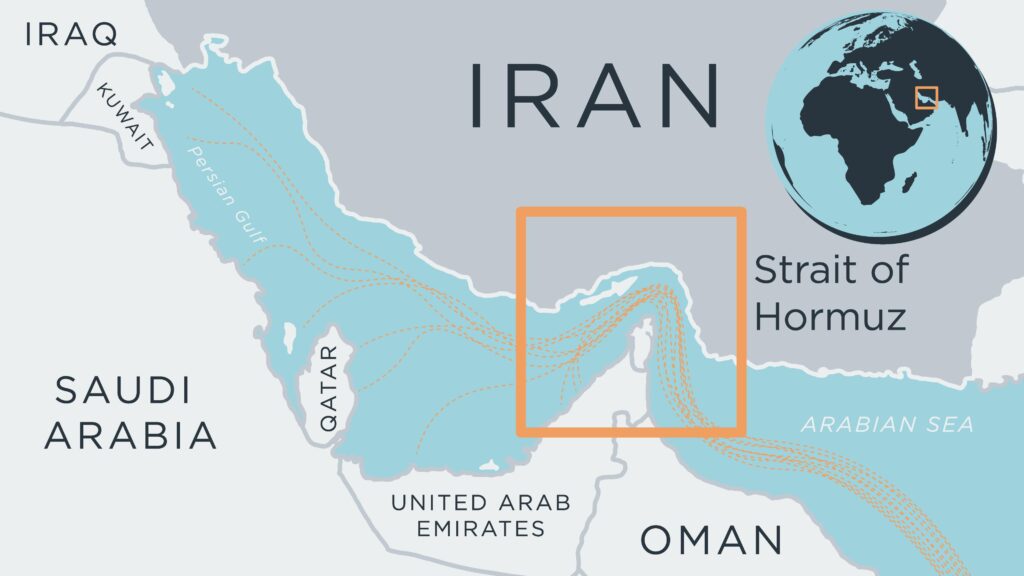
Because oil is used to produce petrol, diesel, aviation fuel, and many industrial products, any disruption quickly spreads through the global economy.
Emergency Measures Taken by Countries
With oil prices rising rapidly, many governments have begun taking extraordinary measures to conserve fuel and stabilize their economies.
United States
The United States has begun releasing crude oil from its Strategic Petroleum Reserve (SPR) to increase supply and reduce global price pressure.
India
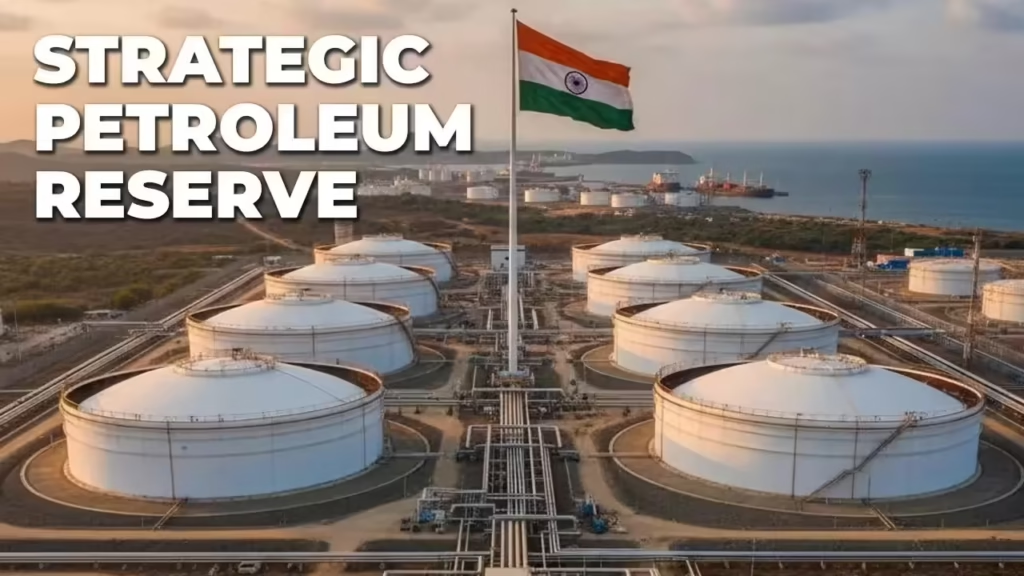
India is closely monitoring the situation and preparing to use its strategic petroleum reserves if supply disruptions worsen. Authorities have also instructed refineries to increase domestic LPG production for households.
China
China has increased crude purchases and expanded its oil storage to build up reserves and secure domestic supply during the crisis.
Japan
Japan has announced that it is ready to release oil from national reserves to stabilize domestic fuel prices and prevent shortages.
Germany and Europe
European nations including Germany and Austria are coordinating with international partners to release strategic oil reserves as part of a global effort led by the International Energy Agency.
South Korea
South Korea has capped domestic fuel prices and is considering increasing nuclear and coal power generation to reduce dependence on imported oil and gas.
Pakistan
Pakistan has introduced several energy-saving measures to manage potential fuel shortages. The government is considering work-from-home policies for some offices, online classes for schools, and reduced office working hours. These steps are aimed at lowering fuel consumption and reducing pressure on the country’s energy supply.
Bangladesh
Bangladesh has advised citizens and businesses to reduce electricity usage, especially by limiting air-conditioner usage during peak hours. The government has also urged industries and commercial buildings to adopt energy-saving practices to prevent power shortages and reduce fuel imports.
Australia
Australia and several other countries are considering releasing emergency fuel reserves to prevent domestic shortages and stabilize prices.
United Kingdom
The UK government is working with global partners to stabilize oil markets and is reviewing emergency measures to ensure fuel supply security.
Global Coordination to Stabilize Oil Supply
To prevent a major energy crisis, the International Energy Agency (IEA) announced a record plan to release 400 million barrels of oil from strategic reserves across its member countries. This is the largest coordinated oil release since the agency was formed after the 1970s oil crisis.
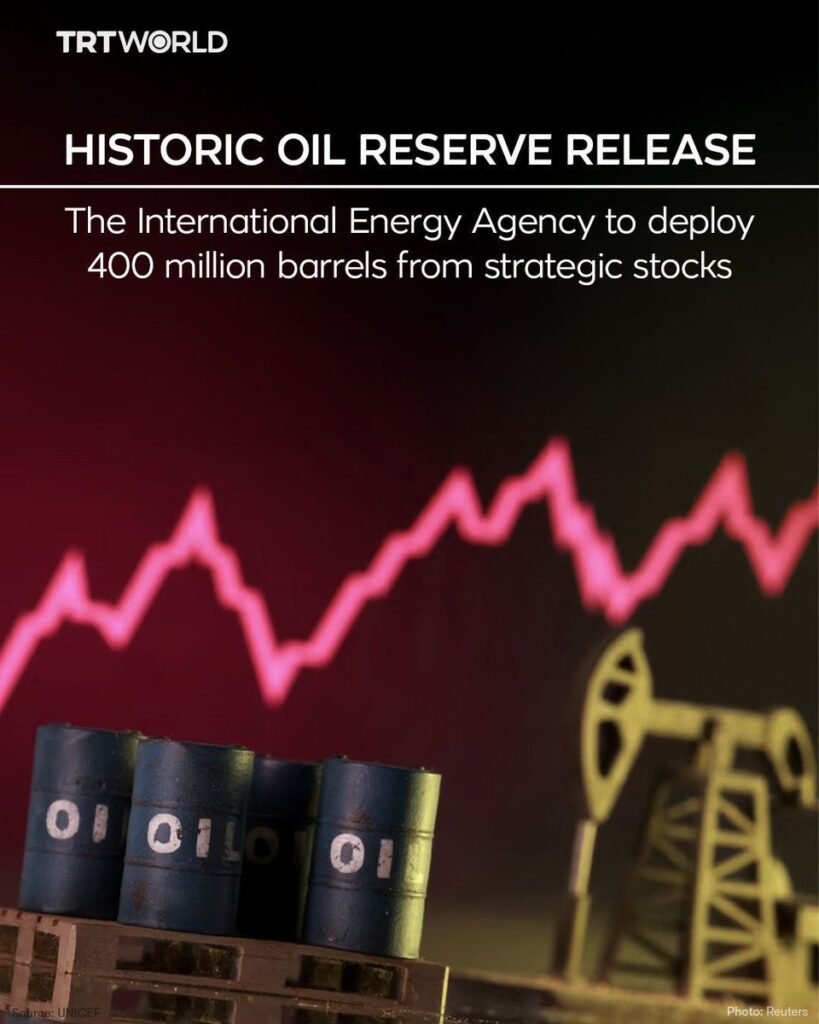
The move is intended to increase global supply temporarily and prevent oil prices from rising further.
Impact on India and the Global Economy
Countries that depend heavily on imported oil—especially in Asia—could face higher fuel costs and inflation if the crisis continues. Analysts warn that prolonged disruptions could lead to higher transportation costs, rising food prices, and pressure on household budgets worldwide.
Economists also warn that prolonged high oil prices could slow global growth and even push some economies toward recession.
Read the full defence analysis

Very Good analysys