BRICS Summit 2026 | New Delhi Declaration
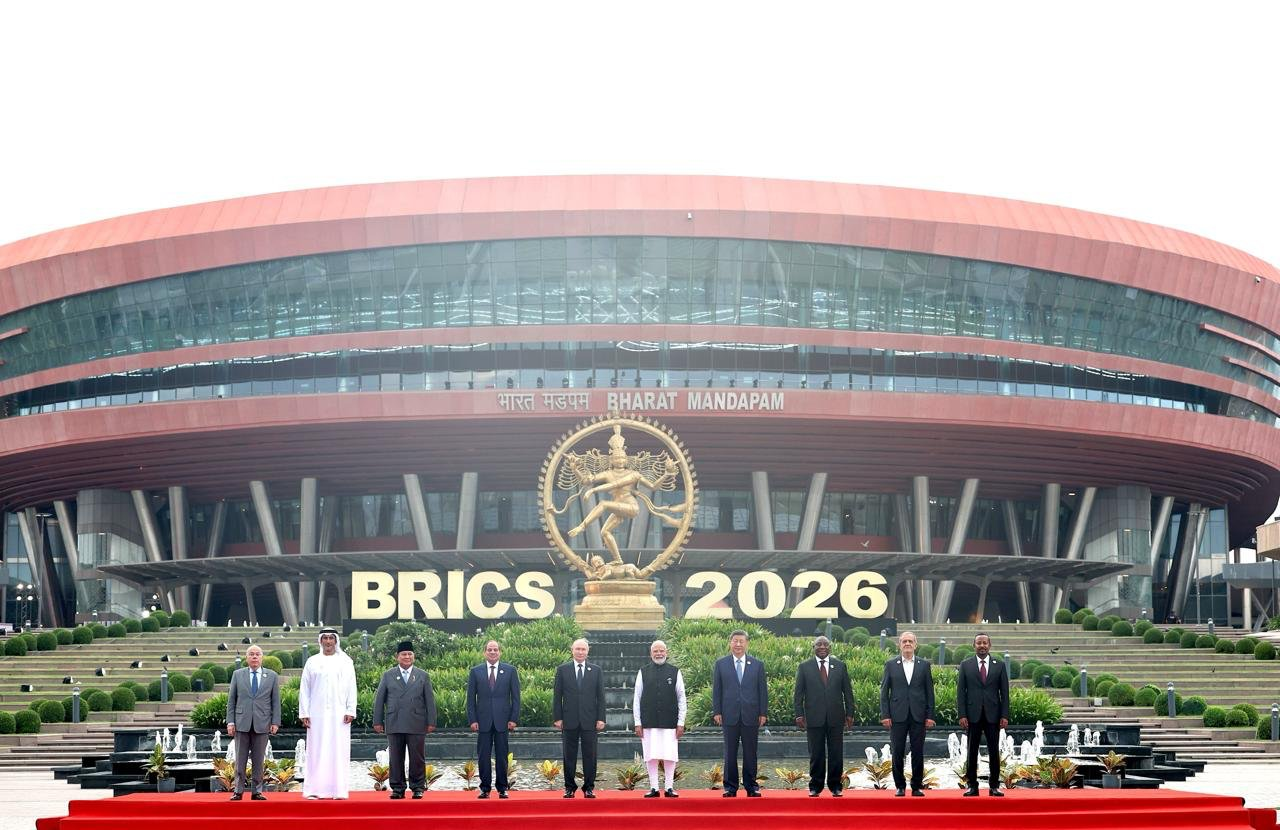
NEW DELHI: The expanded BRICS grouping reached consensus on a joint declaration calling for restraint and diplomacy in the Middle East, while renewing demands for fairer global institutions and fewer barriers to international trade.
The adoption of the New Delhi Declaration is a major outcome for India’s 2026 BRICS chairship. Agreement was far from assured: Iran is a member of the bloc, while the United Arab Emirates has different strategic relationships and security concerns surrounding the conflict.
The declaration expresses serious concern over escalating violence, urges “maximum restraint” and supports the peaceful settlement of disputes through dialogue, consultation and diplomacy. Its carefully negotiated wording does not name the principal belligerents.
- BRICS members secured a joint position despite divisions over the Middle East war.
- The declaration calls for maximum restraint, de-escalation and diplomatic solutions.
- It strongly condemns the April 2025 Pahalgam terror attack and rejects double standards on terrorism.
- It supports a two-state solution, full UN membership for Palestine and humanitarian assistance for Gaza.
- Members backed wider use of local currencies and greater interoperability between national payment systems.
- It raises concern over unilateral tariff and non-tariff measures affecting global trade.
- Members renewed their push for more representative international institutions.
- The summit strengthened India’s effort to position the Global South as a rule-shaper.
Why the declaration matters
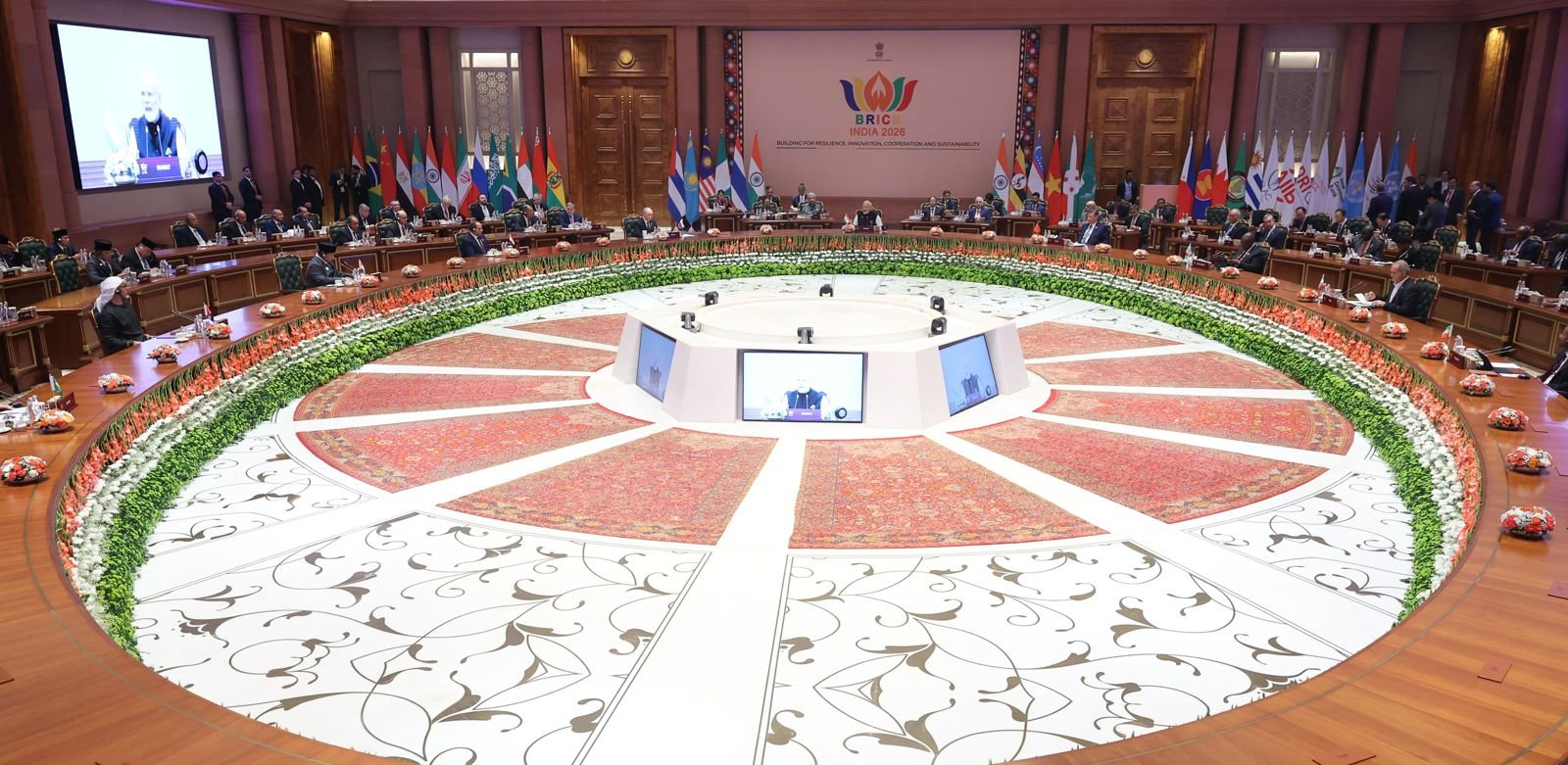
BRICS decisions are made by consensus. The declaration therefore reflects language acceptable to all members rather than the preferred position of any one capital. Its significance lies in keeping a politically diverse group together during an active international crisis.
For India, consensus reinforces its claim that it can engage rival power centres without joining a fixed geopolitical camp. New Delhi has close ties with the West, longstanding partnerships with Russia and Iran, expanding relations with Gulf countries and a cautious rapprochement with China.
BRICS condemns the Pahalgam terror attack
In an important diplomatic outcome for India, the declaration strongly condemns the terrorist attack in Pahalgam, Jammu and Kashmir, on April 22, 2025, in which 26 people were killed.
BRICS leaders reaffirmed that terrorism in all its forms and manifestations must be opposed, regardless of its motivation or location. The document calls for zero tolerance towards terrorism, rejects double standards and stresses the need to act against terrorists, their financiers and support networks.
The inclusion of Pahalgam by name gives India collective backing from an expanded grouping that includes China and Russia. However, the declaration does not publicly attribute responsibility for the attack to a particular country.
Palestine, Gaza and the two-state solution
The New Delhi Declaration reaffirms BRICS support for a just and lasting two-state solution to the Israeli-Palestinian conflict, achieved through peaceful means and in accordance with international law and relevant United Nations resolutions.
It supports the Palestinian people’s right to self-determination and backs full membership for the State of Palestine at the United Nations. The declaration also calls for adequate Palestinian representation in relevant international organisations and access to their resources.
On Gaza, the grouping underlined the need for humanitarian assistance to reach civilians and opposed forced displacement. It also reiterated Israel’s obligations regarding the provision of aid, while calling for steps that can create conditions for a durable political settlement.
Modi calls for a stronger Global South
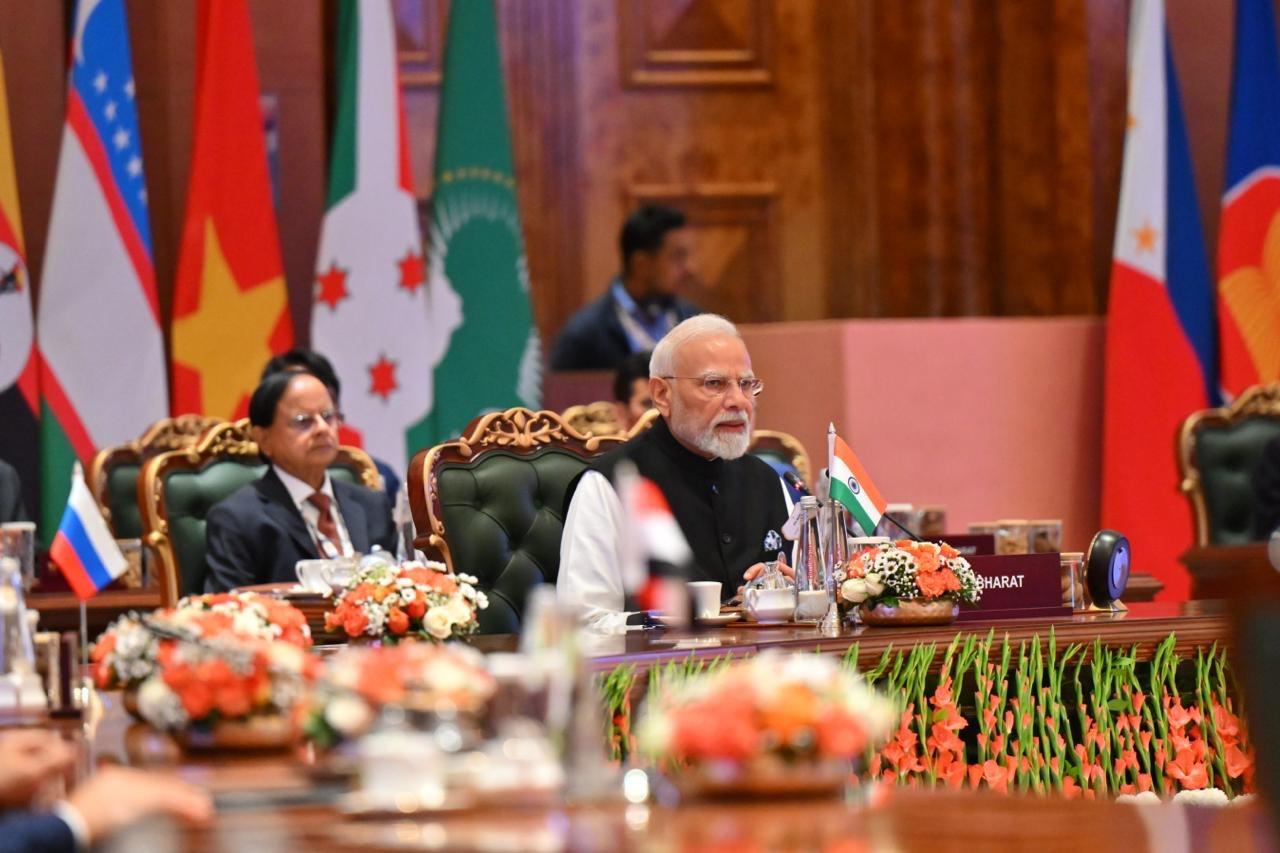
Prime Minister Narendra Modi used the summit to argue that developing economies should move from being rule-takers to rule-shapers. India renewed its call for reform of the United Nations Security Council and international financial institutions so that their representation better reflects present-day economic and demographic realities.
Modi also proposed a BRICS Continuity and Implementation Mechanism to improve follow-through between successive chairships. A separate proposal for a Seafarers’ Emergency Support Network focused on rapid assistance, medical support, communication and evacuation during crises affecting important sea lanes.
Trade, payments and the currency debate
The declaration voices concern about unilateral tariff and non-tariff measures that disrupt international trade. The subject is especially important to Russia and Iran, which face extensive Western sanctions, but it also has wider relevance for emerging economies exposed to protectionism and changing market access.
BRICS members agreed to advance the use of local and national currencies in trade, investment and development financing where commercially viable. The objective is to lower conversion costs, reduce settlement delays and make transactions less vulnerable to disruption in external financial channels.
The declaration also supports greater interoperability between national payment systems and a larger role for the New Development Bank in lending through members’ currencies. For businesses, this could eventually mean that an Indian importer and a BRICS supplier settle eligible transactions in rupees or the partner country’s currency instead of routing every payment through a third currency.
India’s approach remains pragmatic: widen settlement choices, connect payment infrastructure and reduce transaction costs while preserving the Reserve Bank of India’s monetary autonomy. Implementation will depend on central-bank rules, currency liquidity, exchange-rate risk, trade balances and acceptance by banks and businesses.
Oil above $100 raises the economic stakes
The diplomacy comes as disruption linked to the Middle East conflict has kept crude oil above $100 a barrel. For India, a major energy importer, an extended period of high prices can increase the import bill, put pressure on the rupee and feed inflation through transport, manufacturing and household costs.
BRICS includes major energy producers as well as some of the world’s largest consumers. That gives the grouping influence in global energy discussions, but it also means members do not always share the same interests on prices, supply, sanctions or shipping routes.
A banyan tree as a symbol of BRICS
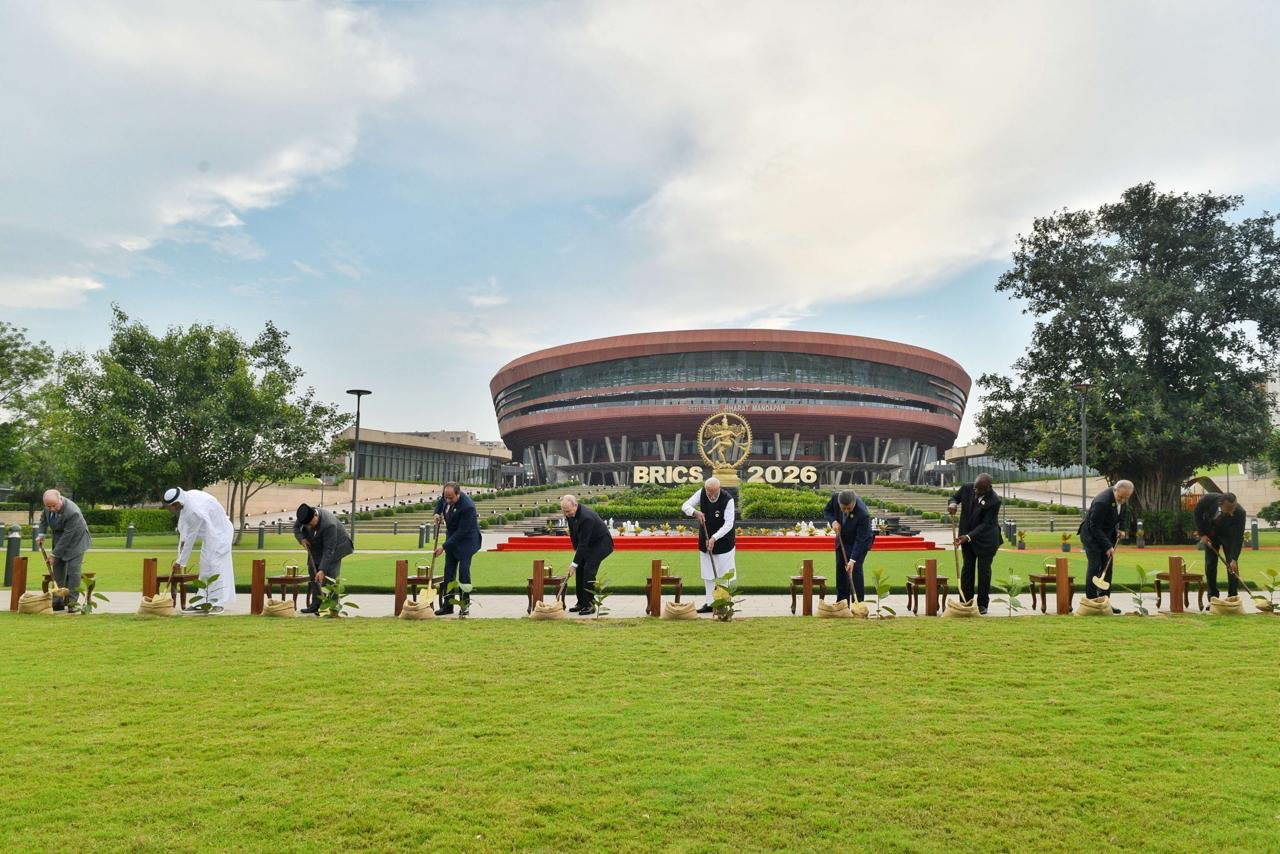
A ceremonial banyan-tree planting outside Bharat Mandapam added a symbolic close to the summit’s public events. Modi said the tree represented BRICS’ “deep roots, growing strength and coming together for a shared future.”
What comes next
The declaration gives India a strong headline outcome, but implementation will decide its longer-term value. Attention will now turn to cooperation on cross-border payments, development finance, energy and food security, maritime safety, technology, climate resilience and reform of global institutions.
The summit also created space for bilateral diplomacy among major leaders. For BRICS, the New Delhi Declaration shows that the expanded bloc can still produce consensus during a severe geopolitical crisis. For India, it strengthens a preferred diplomatic role: an independent bridge between competing powers and an advocate for a larger Global South voice.