📅 May 09, 2026 | By Pulse India News Desk
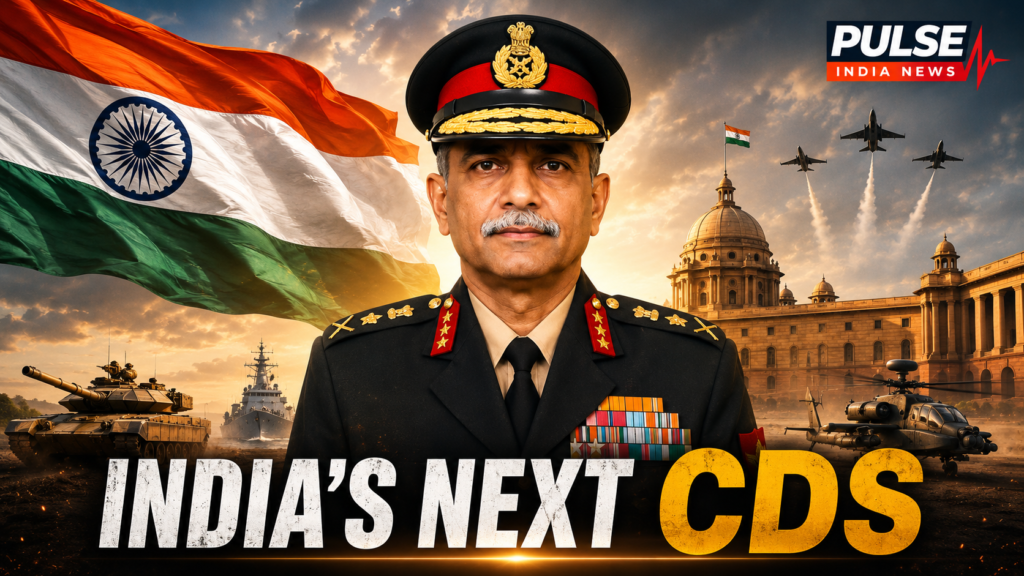
India has appointed Lieutenant General NS Raja Subramani (Retd.) as the country’s next Chief of Defence Staff (CDS), marking a major transition in the nation’s top military leadership. He will succeed General Anil Chauhan after the latter’s tenure ends on May 30, 2026.
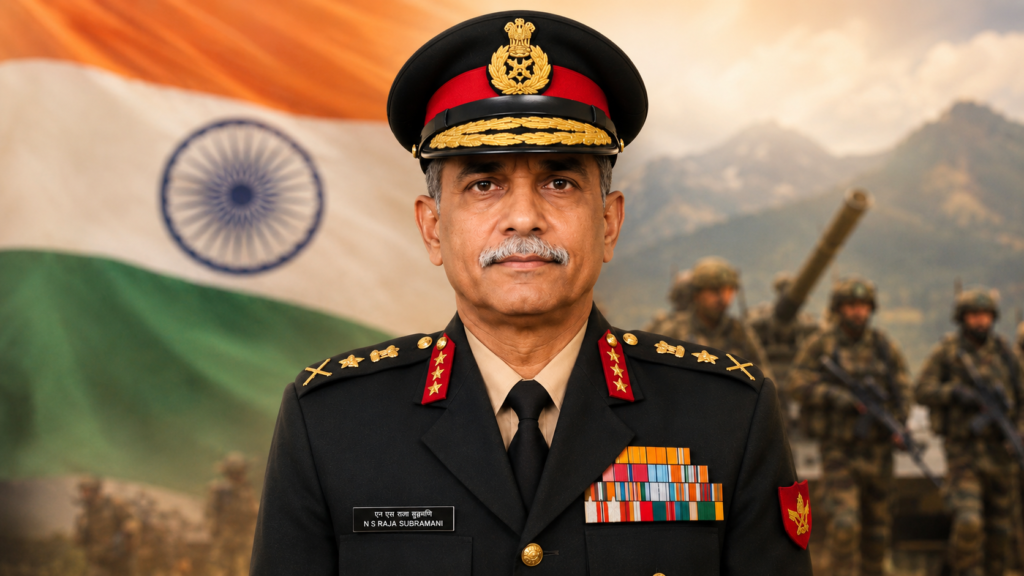
Lt Gen Raja Subramani is a highly experienced officer from the Elite 4 PARA (Special Forces) regiment of the Indian Army. Over his long military career, he held several critical operational and strategic appointments, including Vice Chief of Army Staff and GOC-in-C of Central Command. He is currently serving as Military Adviser at the National Security Council Secretariat.
What is the Role of the CDS?
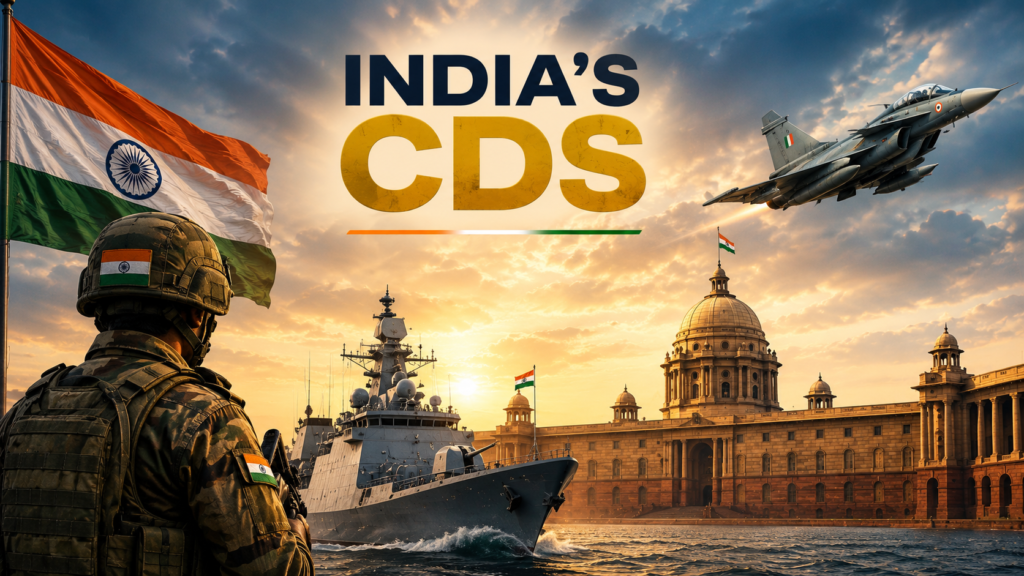
The Chief of Defence Staff is India’s highest-ranking military officer and acts as the principal military adviser to the government on tri-services matters involving the Army, Navy and Air Force.
The CDS is also responsible for:
- Promoting jointness among the three services
- Driving theatre command reforms
- Overseeing defence modernization
- Enhancing integration of indigenous defence systems
- Improving military planning and procurement coordination
The post was created to strengthen India’s integrated military structure and accelerate long-pending defence reforms.
Who Was the Previous CDS?
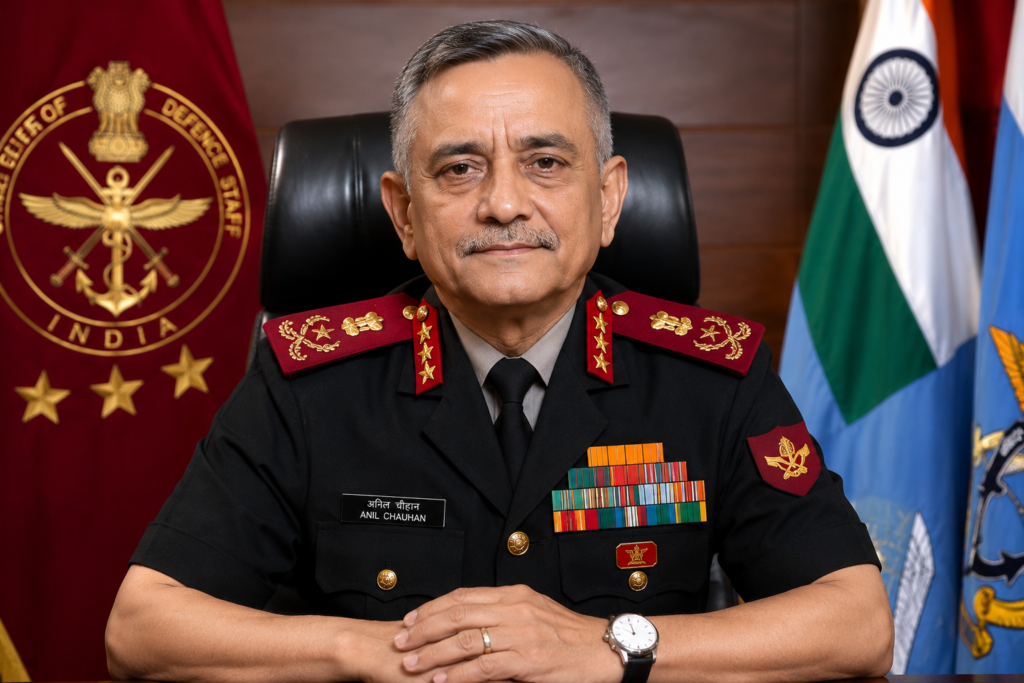
General Anil Chauhan has been serving as India’s CDS since September 2022 after the tragic death of India’s first CDS, General Bipin Rawat, in a helicopter crash in December 2021.
During his tenure, General Anil Chauhan focused heavily on theatre command discussions, military modernization, indigenous defence capability expansion and future warfare preparedness.
Bigger Picture
Lt Gen Raja Subramani takes charge at a critical time when India is accelerating defence modernization amid rising regional security challenges and geopolitical competition in the Indo-Pacific region.
His appointment is expected to further push India’s long-term military transformation plans, including integrated theatre commands, advanced technology adoption, drone warfare capability and stronger tri-service coordination.