📅 April 30, 2026 | By Pulse India News Desk
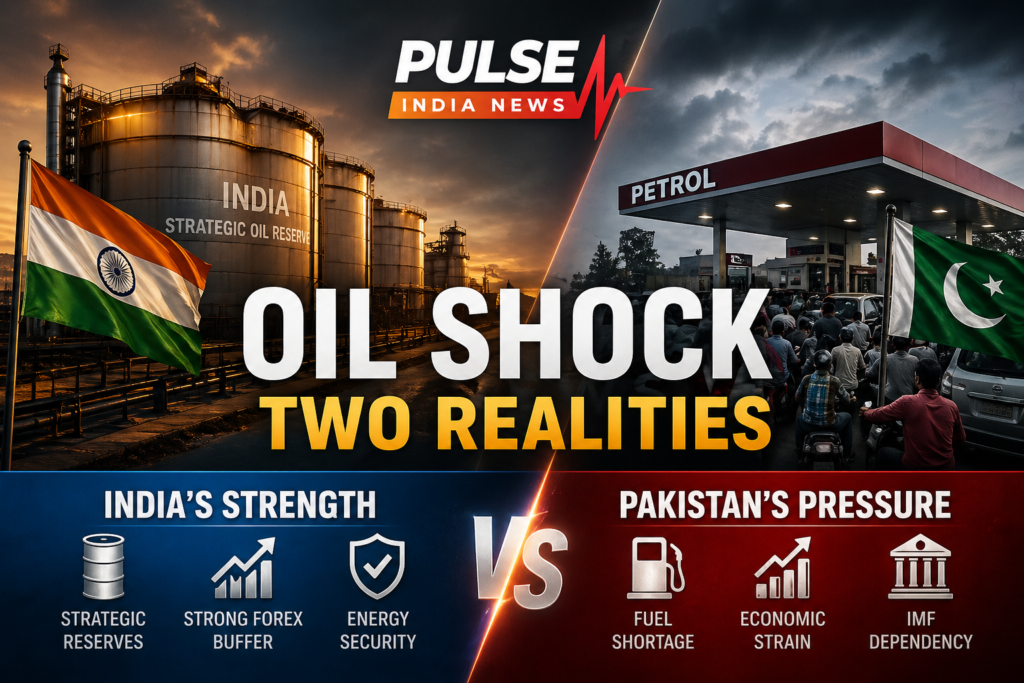
Pakistan’s Petroleum Minister Ali Pervaiz Malik has drawn a sharp contrast between India and Pakistan’s ability to absorb global oil shocks, saying India remained more stable because of its strategic oil reserves and stronger foreign exchange position.
His remarks came as oil prices reportedly surged after disruptions linked to the Strait of Hormuz crisis, putting pressure on fuel-importing economies. According to NDTV, Malik said Pakistan had to approach the IMF for relief, while India had a stronger buffer through strategic reserves and forex strength.
India’s foreign exchange reserves recently crossed $703 billion for the week ended April 17, 2026, according to RBI-linked data reported by multiple outlets.
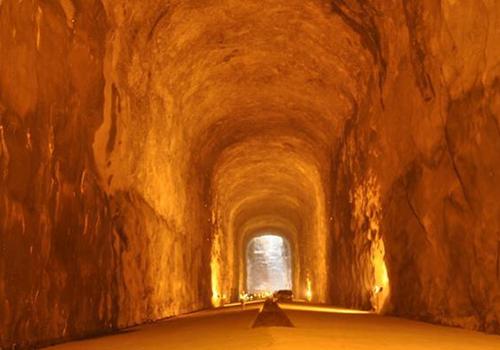
India’s oil security position has also been highlighted by Petroleum Minister Hardeep Singh Puri, who told Parliament earlier this year that India’s petroleum reserves can cover up to 74 days during global turbulence.
The contrast underlines a larger economic reality: countries with deeper reserves can soften the impact of sudden oil price spikes, while weaker economies face faster pressure on fuel prices, subsidies, imports and currency stability.
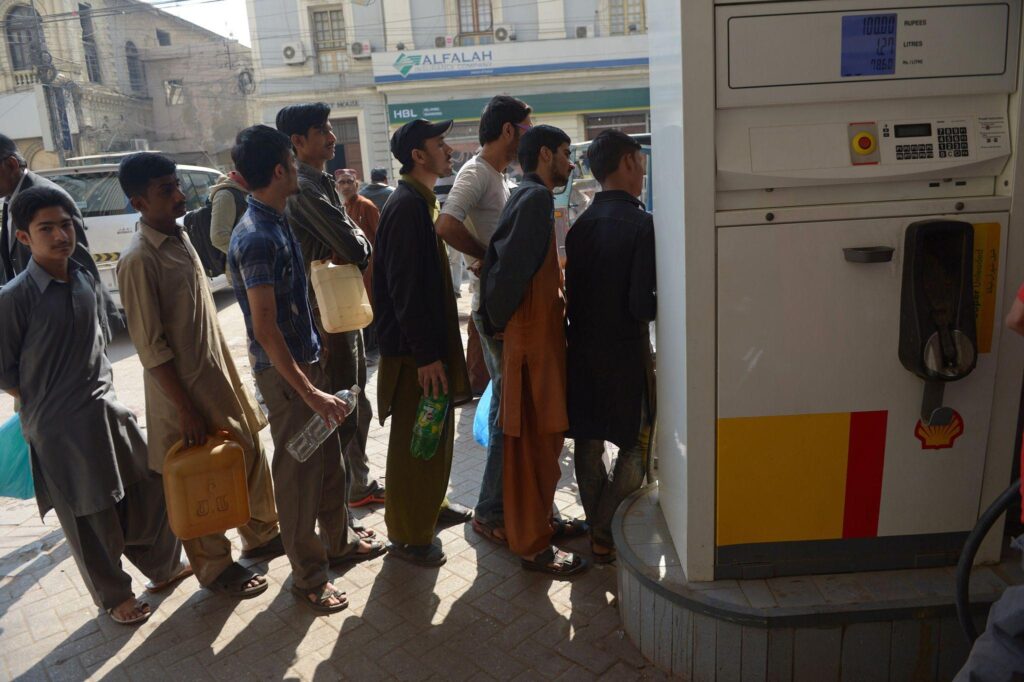
For Pakistan, the crisis exposes the limits of an economy already dependent on IMF support. For India, it reinforces why strategic petroleum reserves and forex buffers have become central to national economic security.