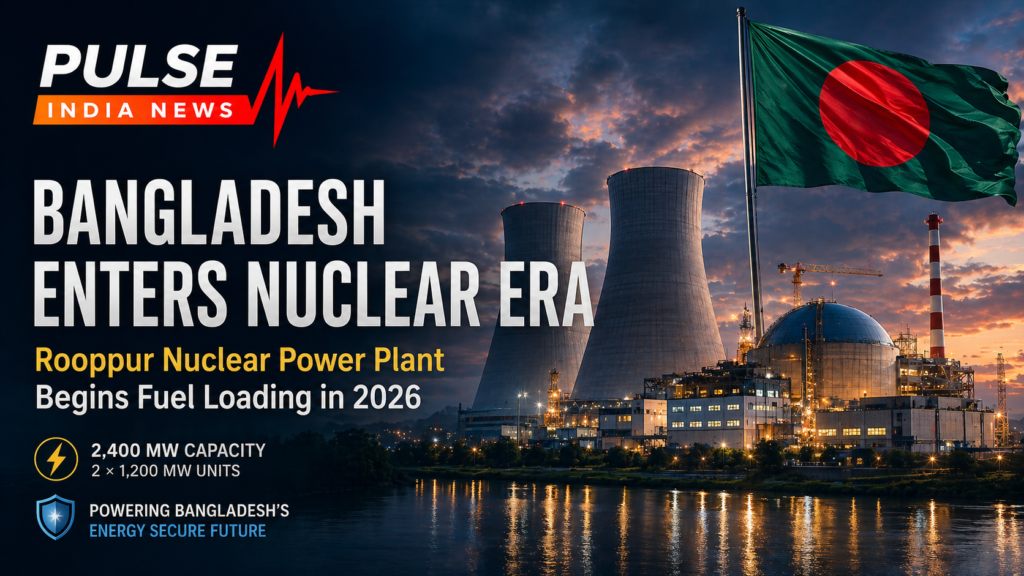
Bangladesh has officially stepped into the nuclear energy era with the historic fuel-loading phase of the Rooppur Nuclear Power Plant, the country’s first-ever nuclear power station.
The milestone marks a strategic turning point not only for Bangladesh’s energy future but also for South Asia’s geopolitical and technological landscape, as Russia-backed nuclear technology begins powering one of Asia’s fastest-growing economies.

A Historic Moment for Bangladesh
After decades of planning, delays, diplomatic negotiations and construction work, Bangladesh is now preparing to generate nuclear electricity for the first time in its history.
Fresh uranium fuel loading into Unit-1 began on April 28, 2026, the final major technical stage before controlled nuclear reactions and electricity generation begin. Officials expect trial power generation to start by July or August this year.
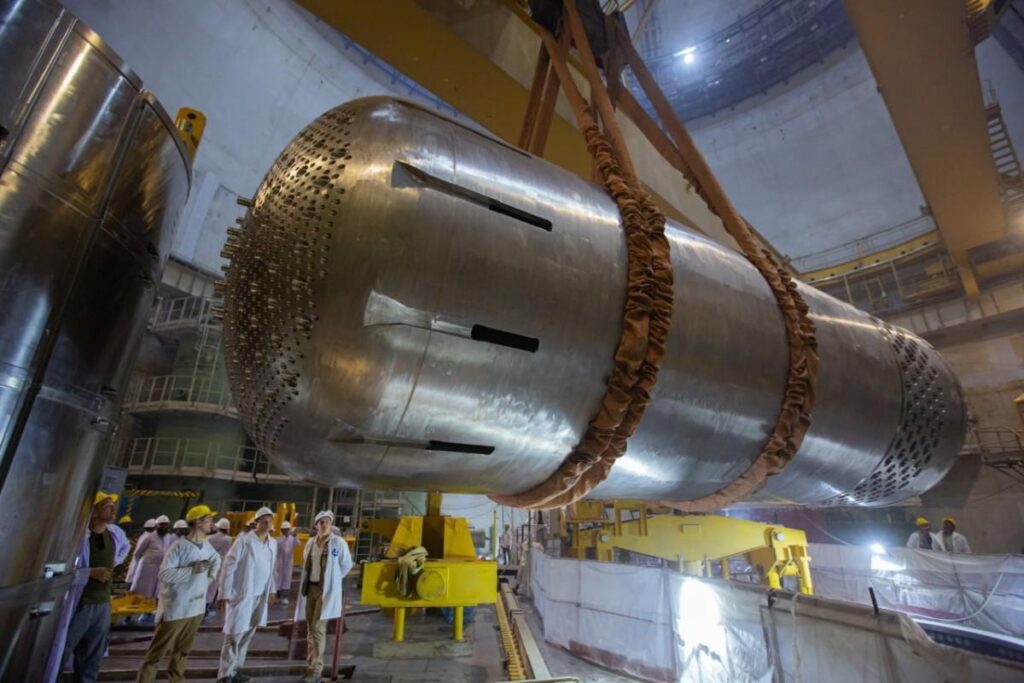
The plant, located on the banks of the Padma River in Pabna district, consists of two Russian-designed VVER-1200 Generation III+ reactors, each capable of generating 1,200 MW of electricity. Once fully operational, the project will supply around 2,400 MW — more than 10% of Bangladesh’s national electricity demand.
Who Is Supporting Bangladesh’s Nuclear Technology?
Russia: The Main Strategic Partner
The single biggest supporter of Bangladesh’s nuclear ambitions is Rosatom, Russia’s state-owned nuclear energy giant.
Russia has provided:
- Nuclear reactor technology
- Engineering and construction expertise
- Uranium fuel supply
- Financial loans
- Nuclear workforce training
- Safety assistance
- Long-term technical support
The entire project is being implemented largely through Russian financing worth more than $11 billion under an intergovernmental agreement between Moscow and Dhaka.
Russian company Atomstroyexport, a Rosatom subsidiary is leading reactor construction and installation activities at the site.
International Atomic Energy Agency (IAEA)
The International Atomic Energy Agency has played a major supervisory role in ensuring the project meets international nuclear safety standards.
IAEA teams conducted operational safety reviews and regulatory assessments before Bangladesh received final clearance for commissioning activities.
Bangladesh Atomic Energy Commission
Domestically, the Bangladesh Atomic Energy Commission is overseeing implementation, workforce management and future operations.
Hundreds of Bangladeshi engineers and scientists have reportedly undergone nuclear training programs in Russia over the past several years.
⚛️ Rooppur Nuclear Plant: Reactor Technology Explained
The Rooppur Nuclear Power Plant uses Russia’s VVER-1200 reactor technology – a modern pressurised water reactor designed for large-scale, stable and low-carbon electricity generation.
What is VVER? VVER stands for Water-Water Energetic Reactor, Russia’s version of a pressurised water reactor. Unlike older reactor designs, the VVER-1200 is a Generation III+ system with stronger containment, passive safety features and improved protection against severe accident scenarios.
🛡️ Key Safety Features
- Passive heat removal systems to cool the reactor even during power-loss situations.
- Core catcher technology designed to contain molten reactor material in a severe accident.
- Double containment structure for stronger protection against internal and external hazards.
- Emergency core cooling systems to prevent overheating during abnormal conditions.
- Automatic shutdown protection that can quickly stop the reactor when safety limits are crossed.
Russia markets the VVER-1200 as one of its flagship export nuclear technologies, currently promoted for countries seeking long-term, high-capacity and lower-carbon base-load electricity.
Why Bangladesh Needed Nuclear Energy
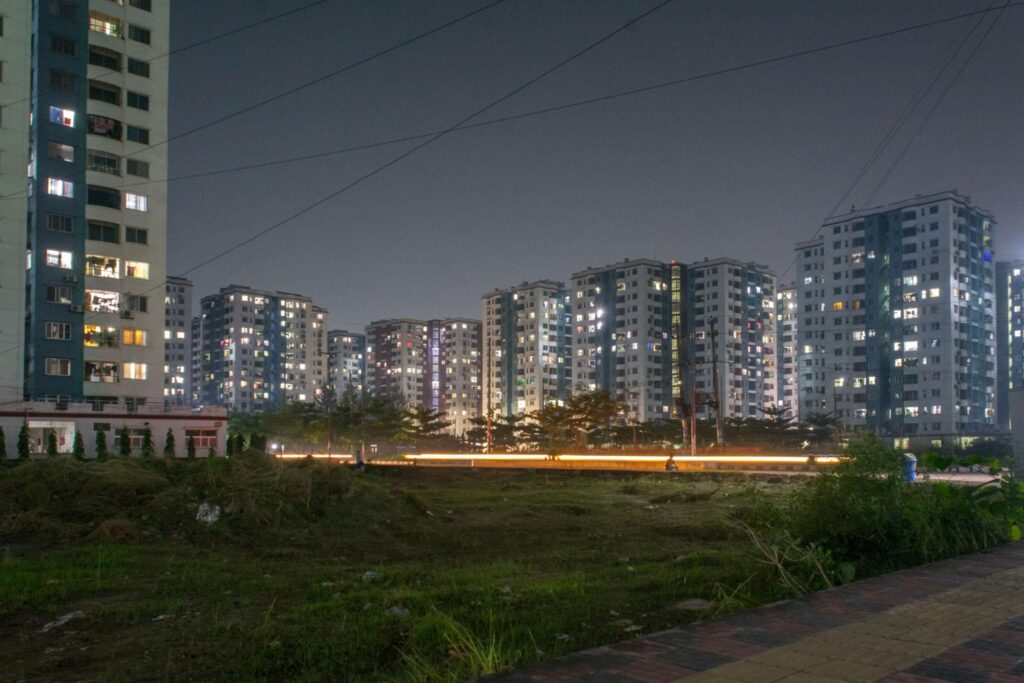
Bangladesh’s economy has grown rapidly over the last decade, but the country remains heavily dependent on:
- Natural gas
- Imported LNG
- Coal
- Furnace oil
Frequent energy shortages and rising fuel import costs have pushed Dhaka to diversify its energy mix.
Nuclear energy offers several advantages:
⚡ Stable Base-Load Electricity
Unlike solar or wind, nuclear plants can provide uninterrupted electricity 24/7.
🌱 Lower Carbon Emissions
Bangladesh aims to reduce carbon intensity while supporting industrial growth.
📈 Long-Term Energy Security
Domestic gas reserves are gradually declining, making alternative long-term energy sources essential.
🏭 Industrial Expansion
Stable electricity is critical for Bangladesh’s manufacturing and export economy.
Geopolitical Significance: Russia Expands Influence in South Asia
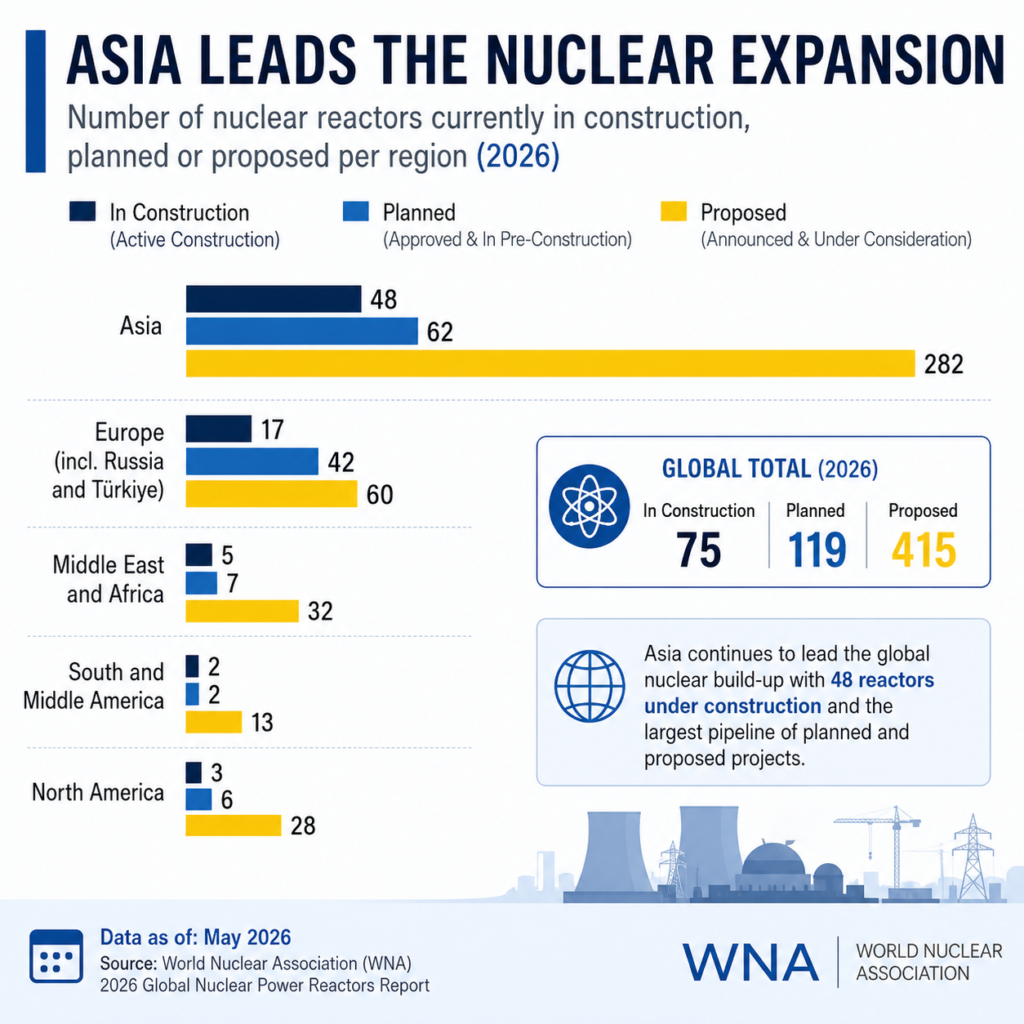
The Rooppur project also reflects Russia’s broader geopolitical strategy.
At a time when China is aggressively investing in infrastructure across South Asia and the United States is expanding Indo-Pacific partnerships, Moscow is using nuclear diplomacy to maintain influence in the region.
Bangladesh’s nuclear partnership with Russia demonstrates:
- Deepening Dhaka-Moscow strategic ties
- Russia’s continued dominance in global nuclear exports
- South Asia’s growing energy competition
- Expanding civilian nuclear diplomacy
Analysts believe the project gives Russia long-term leverage because nuclear plants require decades of fuel supply, maintenance, training and technical cooperation.
Challenges and Concerns
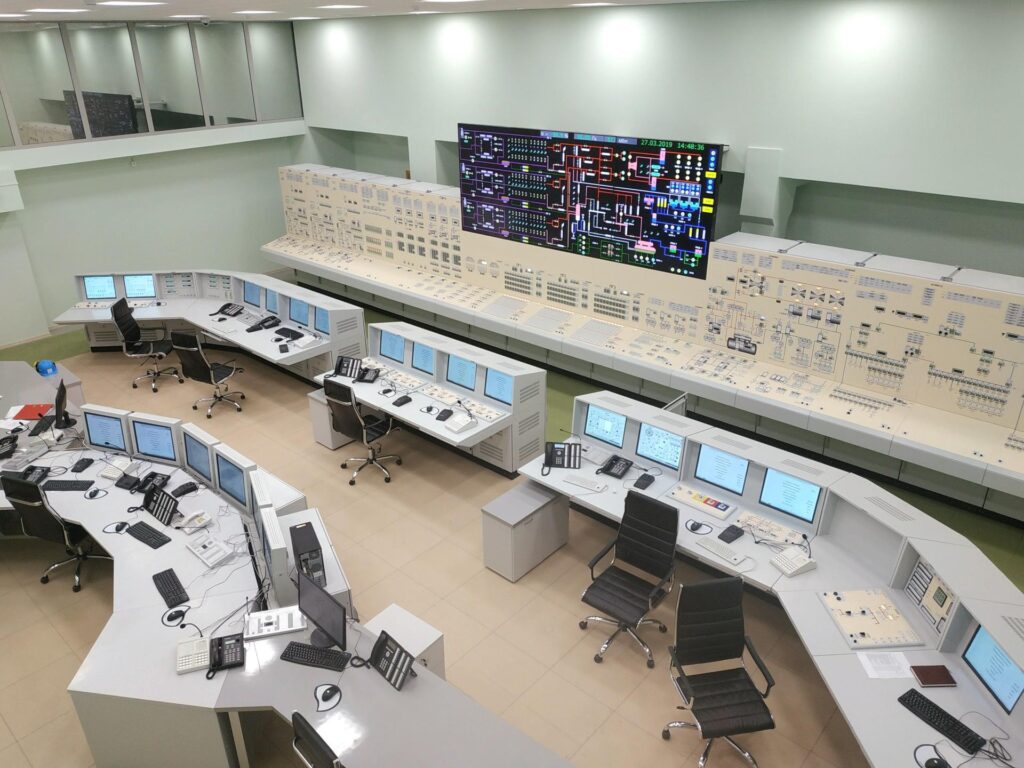
Despite the celebration, the project has faced several controversies and operational concerns.
Major Challenges
- Multiple delays since original completion targets
- Rising construction costs
- Concerns over debt burden
- Dependence on Russian financing
- Questions around radioactive waste management
- Grid readiness for large-scale nuclear integration
Fuel loading itself was delayed earlier this month due to pending regulatory approvals from Bangladesh’s nuclear regulator.
Bangladesh and Russia have also signed agreements for spent fuel repatriation, meaning radioactive waste will eventually be returned to Russia for reprocessing and management.
Could Bangladesh Build More Nuclear Reactors?
Interestingly, Bangladesh is already discussing future expansion.
Reports indicate the Bangladeshi leadership has informally explored the possibility of adding additional reactor units at Rooppur once the first two units become fully operational.
That would significantly increase Bangladesh’s nuclear share in the national energy mix over the next two decades.
Final Analysis
The Rooppur Nuclear Power Plant is not just a power project — it is a symbol of Bangladesh’s transition into a technologically ambitious emerging economy.
For Bangladesh, the plant promises energy security and industrial stability.
For Russia, it represents strategic influence through high-end nuclear technology exports.
And for South Asia, it signals the arrival of a new regional nuclear-energy player at a time when energy security is becoming as important as military security.
If the commissioning process proceeds smoothly in the coming months, Bangladesh will soon join the exclusive list of nations generating electricity through civilian nuclear power — opening an entirely new chapter in the country’s development story.
🔗 Related News
- India-Russia RELOS Pact Explained: Strategic Military Logistics Deal and Its Regional Impact
- Pakistan Economic Crisis 2026: How China and Saudi Arabia Are Supporting Islamabad
- India’s Forex Reserves Explained: Why Currency Buffers Matter During Global Crises
- Japan Offers Mogami-Class Stealth Frigates to India with Co-Production Proposal
- Tejas Engine Support Boost: India to Build Domestic GE Aerospace Engine Depot