📅 April 27, 2026 | By Pulse India News Desk
India is reportedly exploring a major stealth fighter deal with Russia involving the Sukhoi Su-57, triggering intense debate within global defence circles.
While there has been no official confirmation from New Delhi, several defence reports suggest India could be evaluating both direct acquisition and licensed production of the Su-57 as the Indian Air Force looks for a faster path toward fifth-generation air dominance.
The renewed interest reportedly comes at a time when concerns are growing over technology access limitations in Western fighter programs, especially surrounding the Dassault Rafale.
Rafale Source Code Restrictions Becoming a Major Concern?
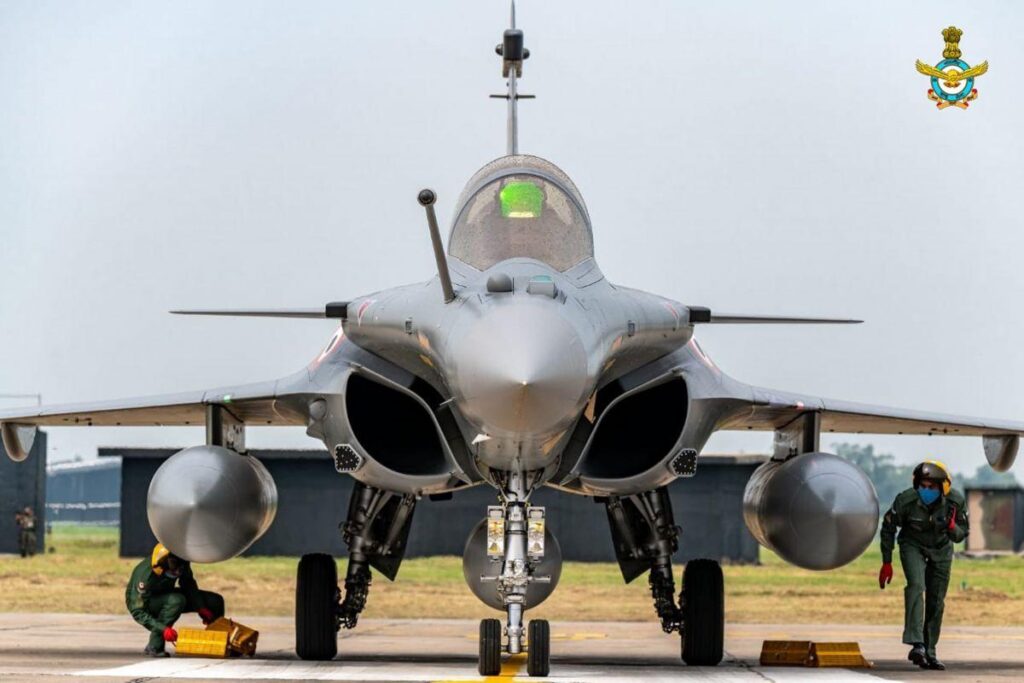
According to defence reports and strategic analysts, one of the biggest concerns for India has been the limited access to critical source codes and deep integration rights in Western-origin fighter aircraft.
India has reportedly been seeking greater control over:
- Mission computer integration
- Indigenous weapons integration
- Software modifications
- Radar and electronic warfare customization
However, Western suppliers are often reluctant to provide full sovereign-level access to sensitive software architecture.
This issue has become increasingly important as India pushes for deeper integration of indigenous systems, missiles and electronic warfare suites into imported aircraft platforms.
Some defence observers believe this may be one of the factors pushing India to revisit Russian fifth-generation options.
Why the Su-57 Is Attracting Attention Again
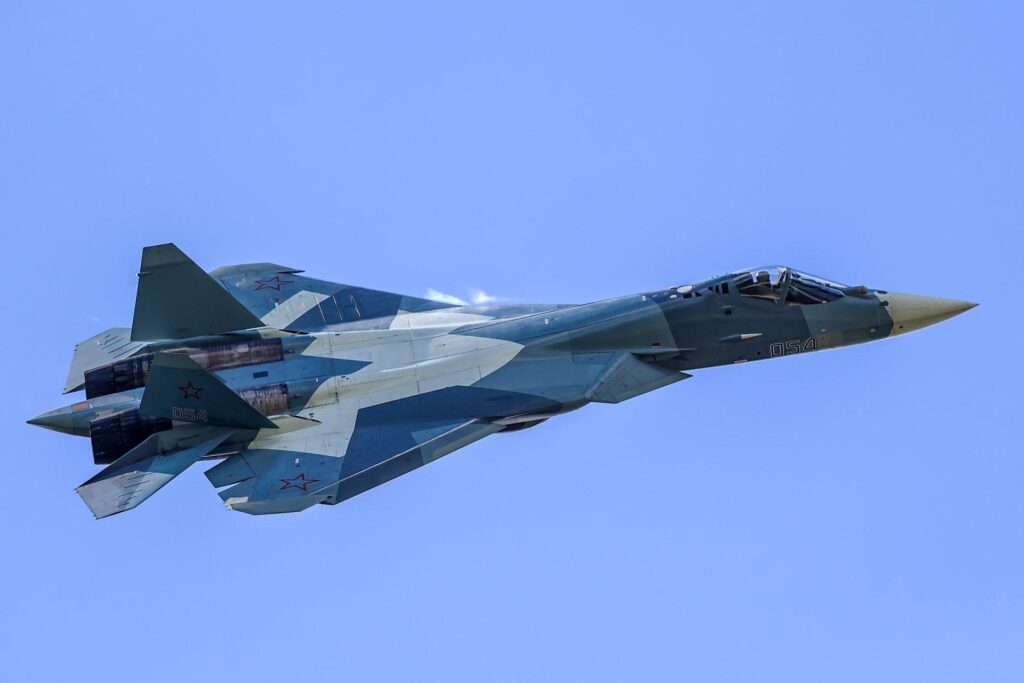
Unlike many Western platforms, Russia is reportedly willing to offer:
- Full or near-full Transfer of Technology (ToT)
- Licensed production in India
- Local assembly through Hindustan Aeronautics Limited
- Access to aircraft customization
- Integration flexibility for Indian weapons systems
This is considered highly attractive for India’s long-term defence manufacturing ambitions under the “Make in India” initiative.
Reports also suggest Russia may allow India to locally manufacture key components of the aircraft, something rarely offered in advanced Western fighter deals.
India Already Has Massive Experience Building Russian Fighters
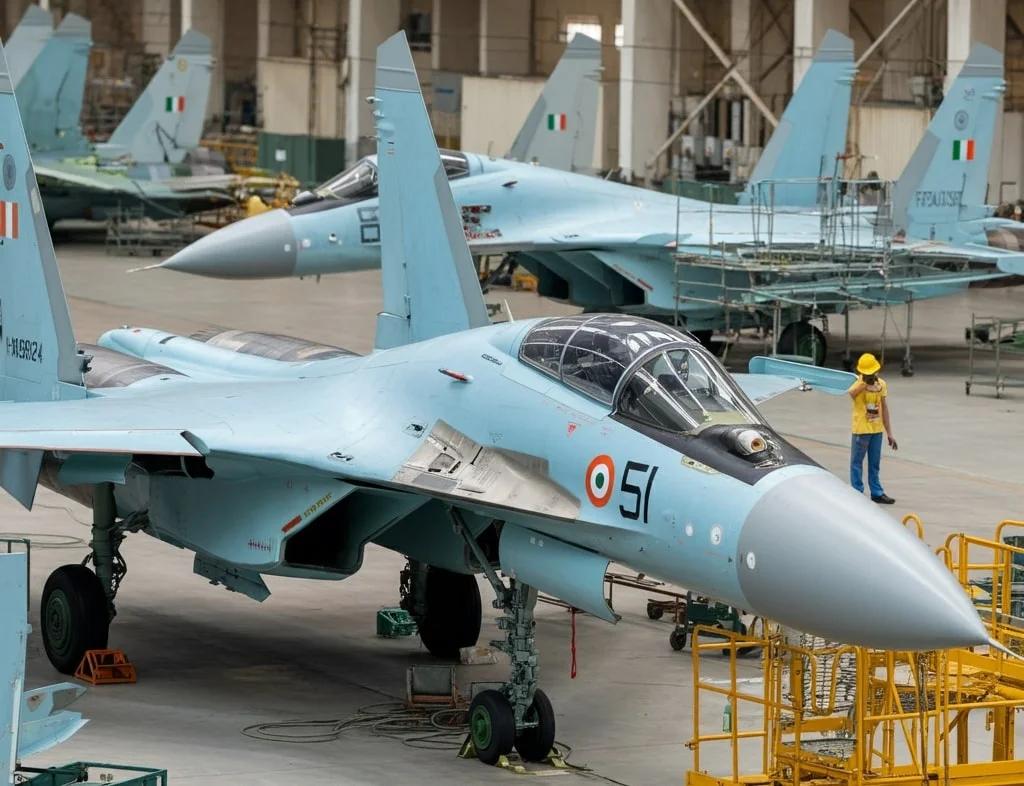
One major advantage for India is its decades-long experience with Russian-origin combat aircraft.
India has already license-produced more than 200 Sukhoi Su-30MKI fighters through HAL, creating a large domestic ecosystem of:
- Engineers
- Maintenance facilities
- Supply chains
- Pilot training infrastructure
- Manufacturing expertise
Because of this existing ecosystem, analysts believe integrating the Su-57 into India’s defence infrastructure could be significantly easier and faster compared to building an entirely new Western production ecosystem from scratch.
China Factor Increasing Pressure on India
Another major driver behind India’s interest is China’s rapidly expanding fleet of Chengdu J-20 stealth fighters.
With China already deploying operational fifth-generation aircraft and Pakistan expected to modernize its fleet further, pressure is increasing on the Indian Air Force to secure a stealth platform before India’s indigenous Advanced Medium Combat Aircraft (AMCA) becomes operational.
Is This a Temporary Solution Before AMCA?
Many analysts believe India could use the Su-57 as:
- A stop-gap stealth fighter
- A technology bridge toward AMCA
- A platform to gain experience in fifth-generation combat operations
- A way to accelerate indigenous aerospace capability
If full technology transfer is indeed part of the negotiations, the deal could significantly help India’s long-term stealth fighter ambitions.
No Official Confirmation Yet
Despite the growing buzz, India has not officially confirmed any Su-57 procurement deal with Russia.
For now, the reports remain speculative, but the discussion itself highlights how critical technology access, local manufacturing rights and sovereign control have become in India’s future defence procurement decisions.