📅 April 25, 2026 | By Pulse India News Desk
India’s suspension of the Indus Waters Treaty has now reached the United Nations Security Council, with Pakistan urging global intervention as fears grow over water shortages during the peak summer season.
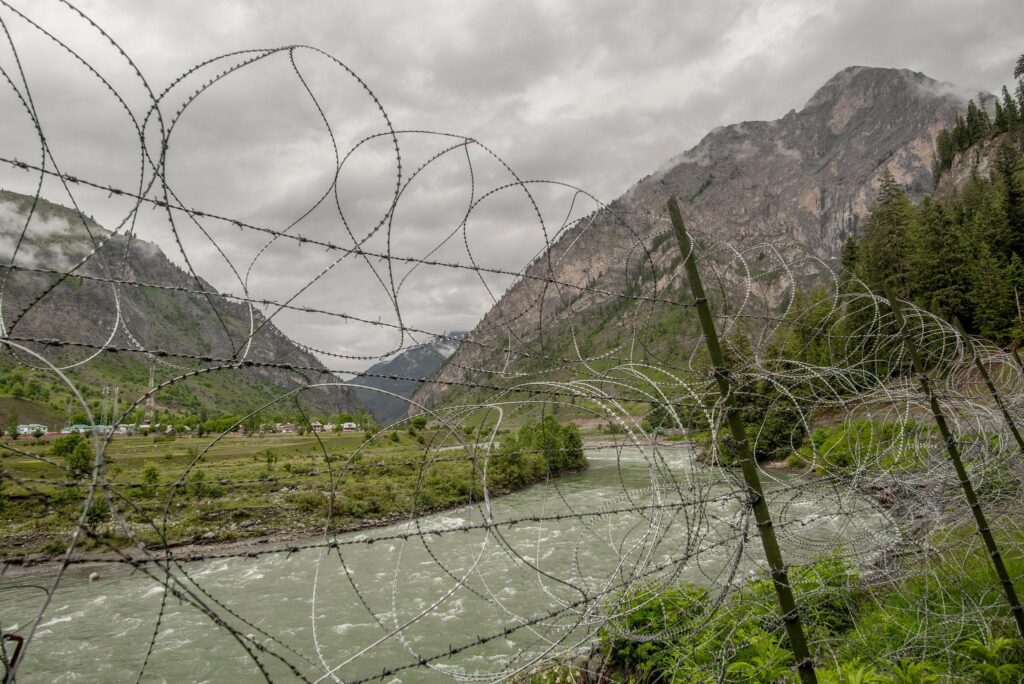
According to reports, Pakistan argued that the suspension could severely impact agriculture, drinking water supply, and livelihoods, especially as temperatures rise across the region. Islamabad reportedly described the move as an “unprecedented crisis” and asked the UNSC to pressure India into restoring the treaty framework.
India suspended participation in the treaty after the 2025 Pahalgam terror attack, citing national security concerns and cross-border terrorism. The move marked one of the biggest shifts in India-Pakistan relations in decades, especially because the treaty had survived multiple wars and military standoffs since it was signed in 1960.
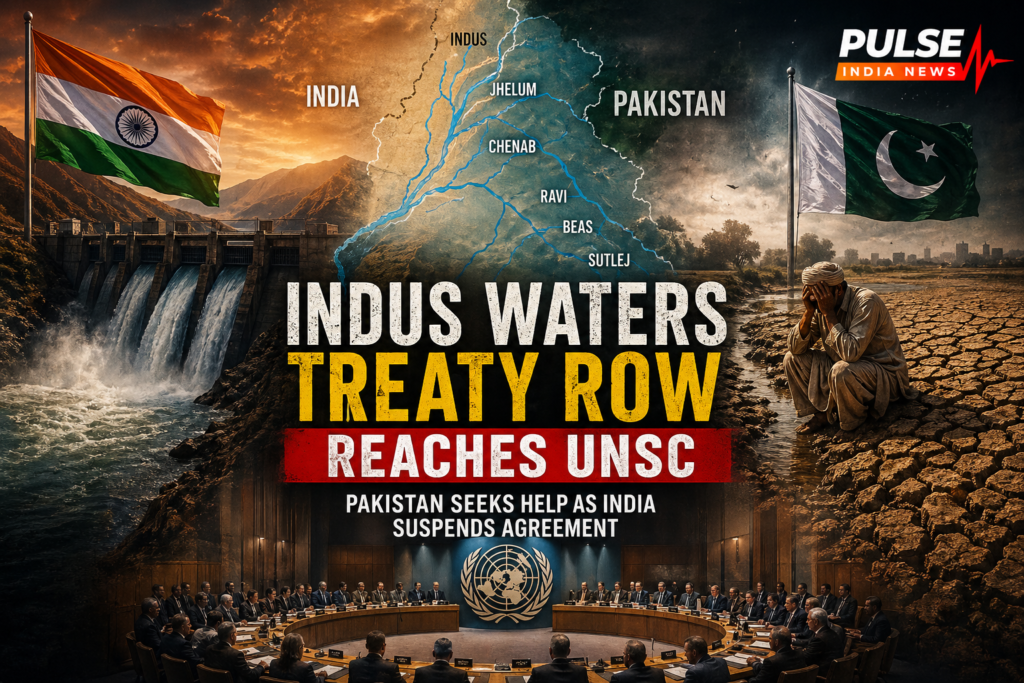
The treaty divides control of the Indus river system between the two countries:
- India controls the eastern rivers – Ravi, Beas, and Sutlej
- Pakistan largely depends on the western rivers – Indus, Jhelum, and Chenab
Pakistan fears that prolonged suspension could affect irrigation systems critical for its food security and economy. India, meanwhile, has maintained that “blood and water cannot flow together,” linking the treaty suspension to terrorism concerns.
This issue is now evolving beyond a bilateral dispute into a major geopolitical and water-security flashpoint in South Asia.
Indus Waters Treaty Row Reaches UNSC: Pakistan Seeks Global Intervention as India Maintains Tough Stand
Pakistan has approached the United Nations Security Council (UNSC) over India’s suspension of the Indus Waters Treaty, warning of a possible water crisis as extreme summer temperatures begin rising across the region.
The move comes amid rapidly deteriorating India-Pakistan relations following the 2025 Pahalgam terror attack, after which India announced the suspension of its participation in the historic 1960 Indus Waters Treaty.
Pakistan Raises Alarm Over Water Security
According to reports, Pakistan told the UNSC that any prolonged disruption to the treaty framework could severely impact agriculture, irrigation networks, drinking water supply and hydropower generation in the country.
Islamabad reportedly described the situation as a “serious threat to regional stability,” especially with summer heat intensifying and water demand expected to surge over the next few months.
Pakistan’s economy remains heavily dependent on the Indus river system, which supports a large portion of the country’s farming sector and food production.
Why India Suspended the Treaty
India suspended participation in the treaty after the deadly terror attack in Pahalgam that killed multiple security personnel and civilians in Jammu & Kashmir.
New Delhi linked the decision directly to cross-border terrorism, arguing that continued cooperation under the treaty was difficult while Pakistan-based terror networks remained active.
Indian officials have repeatedly maintained that: “Blood and water cannot flow together.”
The statement signals a major shift in India’s approach because the Indus Waters Treaty had survived multiple wars, military standoffs and decades of diplomatic tensions since it was signed in 1960 with World Bank mediation.
What Is the Indus Waters Treaty?
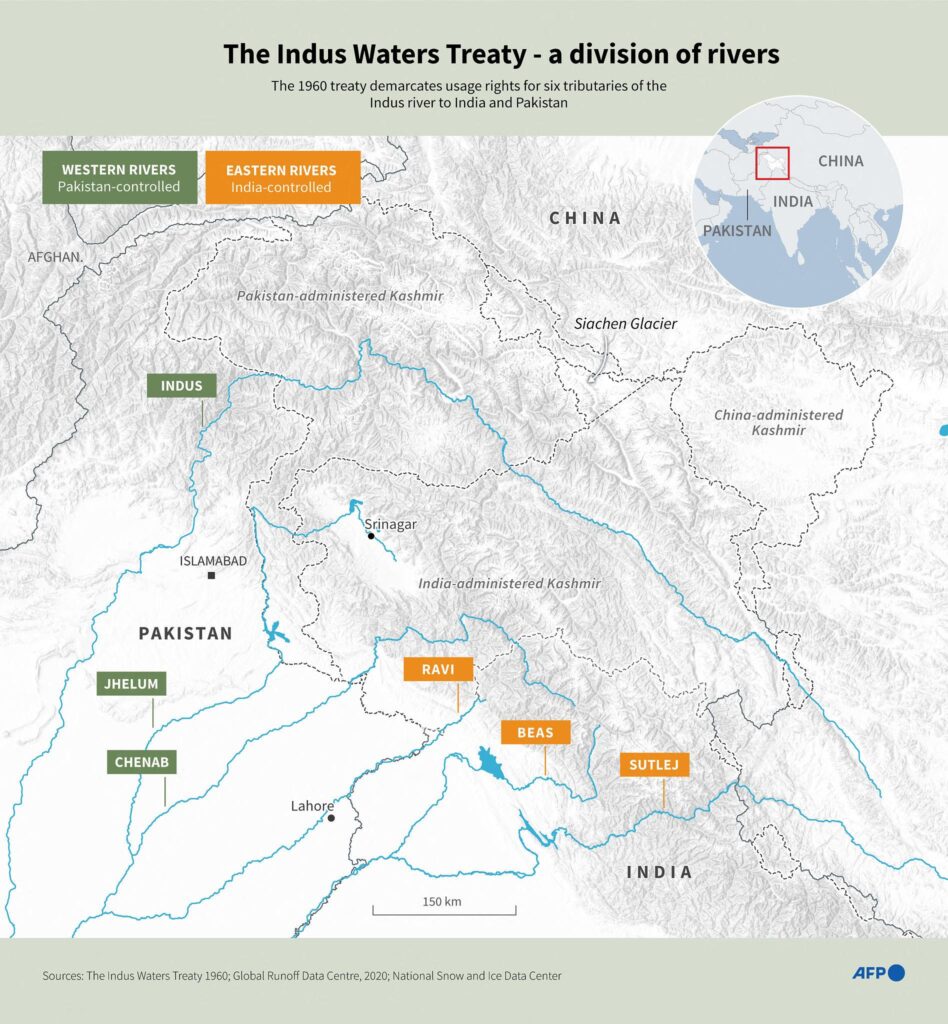
The Indus Waters Treaty is considered one of the world’s most successful water-sharing agreements. It was signed in 1960 between India and Pakistan after nearly nine years of negotiations mediated by the World Bank. The agreement was signed in Karachi by then Indian Prime Minister Jawaharlal Nehru and Pakistani President Ayub Khan to ensure peaceful sharing of the Indus river system despite political tensions between the two countries.
Under the treaty:
- India received control over the eastern rivers:
- Ravi
- Beas
- Sutlej
- Pakistan received rights over the western rivers:
- Indus
- Jhelum
- Chenab
Although India has limited rights to use western rivers for hydroelectric projects and irrigation, Pakistan depends heavily on these river systems for agriculture and water supply.
Why This Matters Now
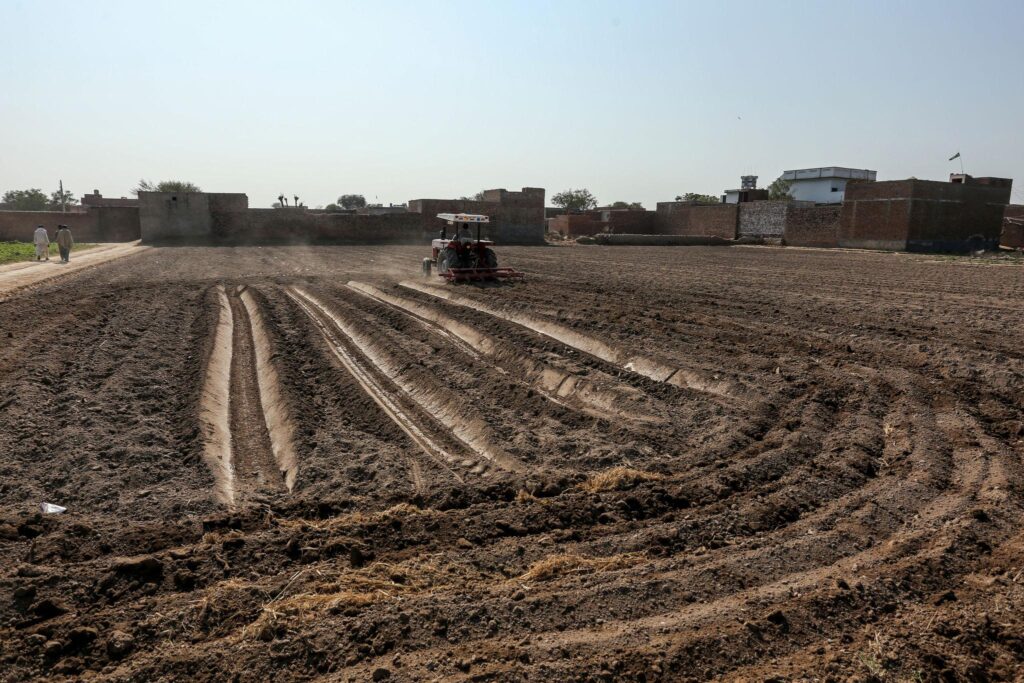
The latest dispute comes at a sensitive time for Pakistan.
The country is already facing:
- Water stress
- Economic pressure
- Energy shortages
- Climate-related heat challenges
Experts warn that any uncertainty around river flows during peak summer months could create panic over food production and water availability.
Meanwhile, India appears determined to increase strategic pressure following repeated terror incidents linked to cross-border groups.
Bigger Geopolitical Implications
The issue is now evolving into a wider geopolitical flashpoint in South Asia.
Analysts say the dispute could:
- Increase diplomatic tensions between India and Pakistan
- Trigger global concern over regional water security
- Push international organisations to seek mediation
- Intensify debate over whether long-standing treaties can survive modern security conflicts
Despite Pakistan’s appeal at the UNSC, India has so far shown no indication of reversing its position.
With temperatures rising and political tensions escalating, the Indus Waters Treaty dispute may become one of the biggest India-Pakistan diplomatic confrontations of 2026.