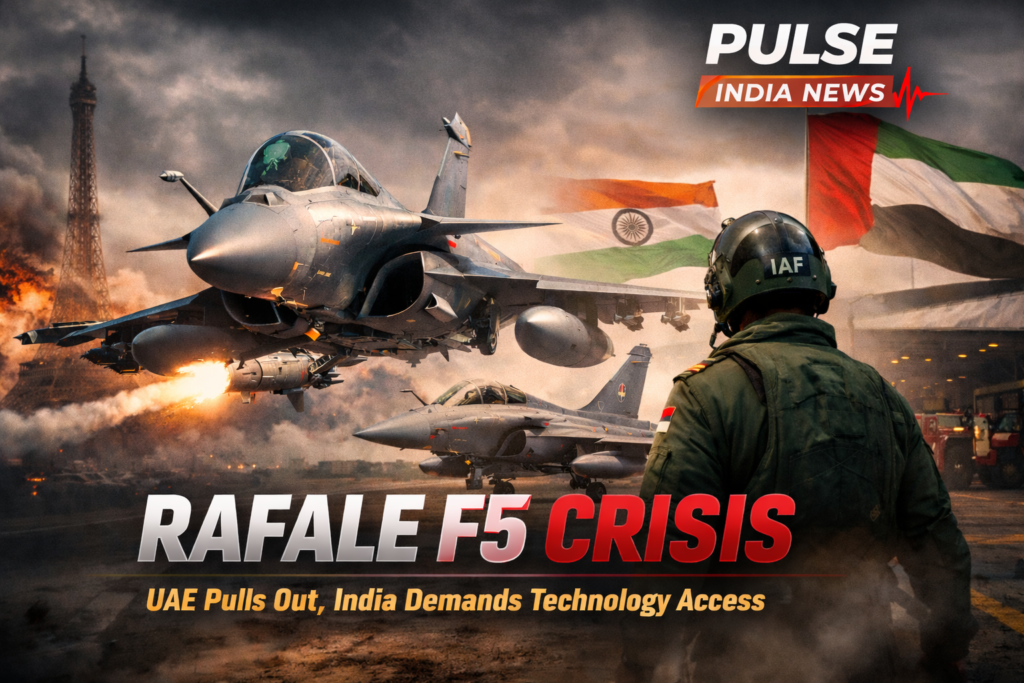
France’s ambitious Rafale F5 fighter upgrade programme is facing increasing scrutiny, as financial challenges and concerns from key partners, particularly India raise questions about its future trajectory.
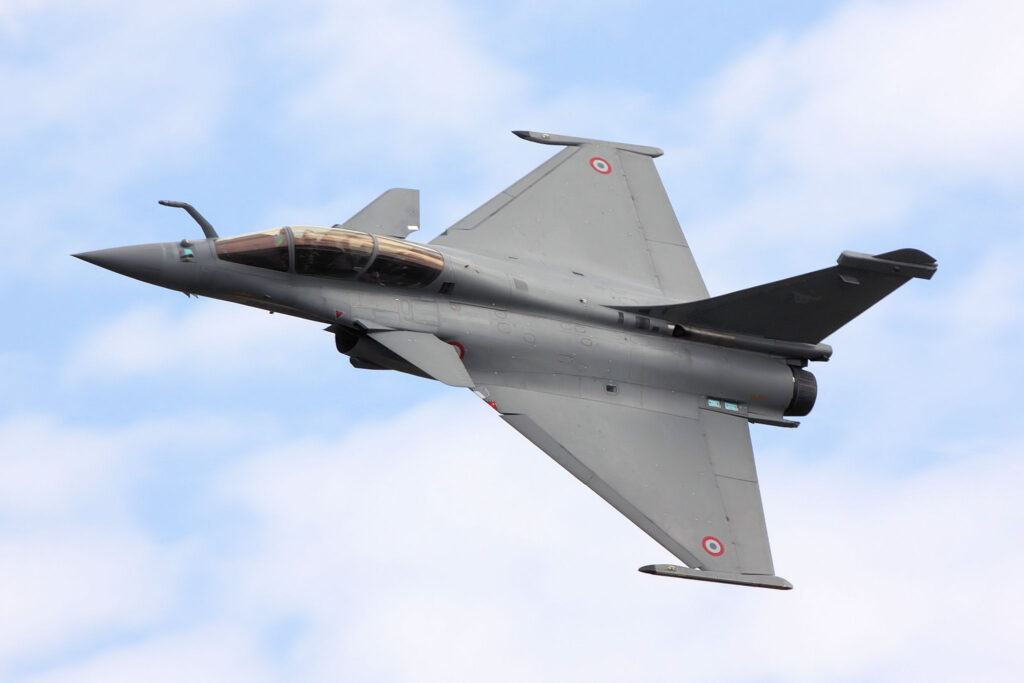
The Rafale F5 is intended to be the most advanced version of the aircraft developed by Dassault Aviation, incorporating next-generation avionics, enhanced electronic warfare systems, and the ability to operate alongside unmanned combat drones.
However, recent developments suggest that the programme may be entering a more complex phase.
Funding Uncertainty Adds Pressure
The Rafale F5 upgrade is expected to cost several billion euros. Reports indicate that France may need to shoulder a significant portion of the financial burden alone, after earlier expectations of broader international participation did not fully materialise.
UAE Pullback Raises Concerns
Adding to the pressure, there are indications that the United Arab Emirates (UAE)—which had shown interest in deeper collaboration around advanced Rafale capabilities is not currently participating in funding or co-development discussions for the F5 programme.
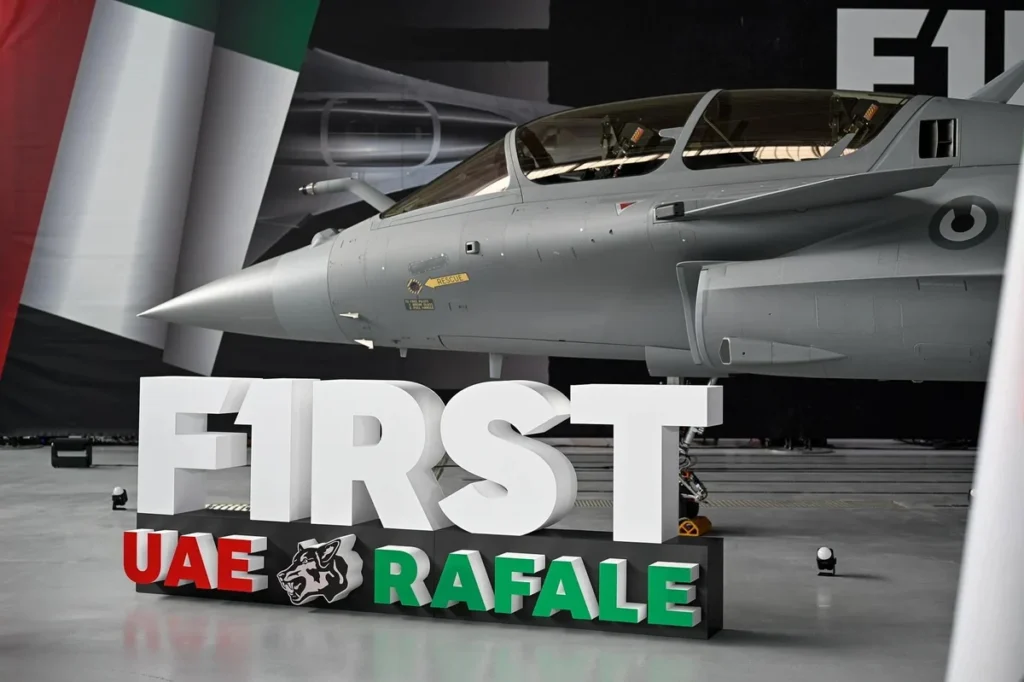
While there has been no formal cancellation of defence ties, this apparent pullback reduces the scope for cost-sharing and international backing, increasing the financial burden on France and raising questions about broader partner participation.
India’s Position: Focus on Sovereign Capability
India, which operates Rafale jets as part of the Indian Air Force, is closely watching developments around future upgrades.
According to defence discussions and industry reporting, India has expressed concerns over limited access to critical source code and mission system control. This has implications for:
- Integration of indigenous weapons and systems
- Independent upgrades and software modifications
- Long-term operational flexibility
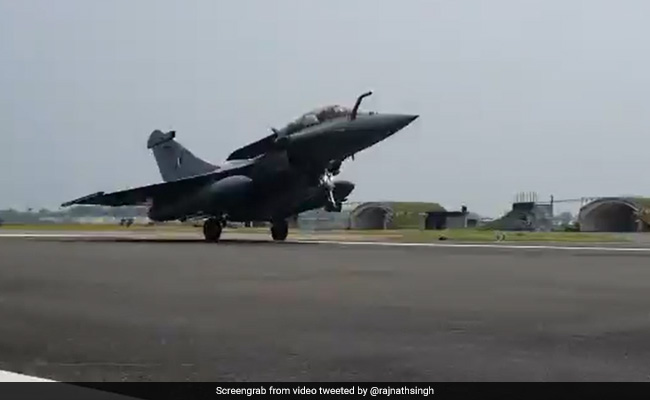
India has increasingly emphasised self-reliance in defence manufacturing and technology control, particularly under its broader indigenous development programmes.
While there has been no official indication of a complete withdrawal from Rafale-related cooperation, analysts suggest that future procurement or deeper integration may depend on greater technology access.
Exploring Alternatives
India is simultaneously advancing its own programmes, including the Advanced Medium Combat Aircraft (AMCA), and evaluating multiple international partnerships.
This reflects a broader shift in procurement strategy, where countries are seeking not only platforms but also greater control over underlying technologies.
A Strategic Dilemma for France
For France and Dassault Aviation, the situation presents a delicate balance.
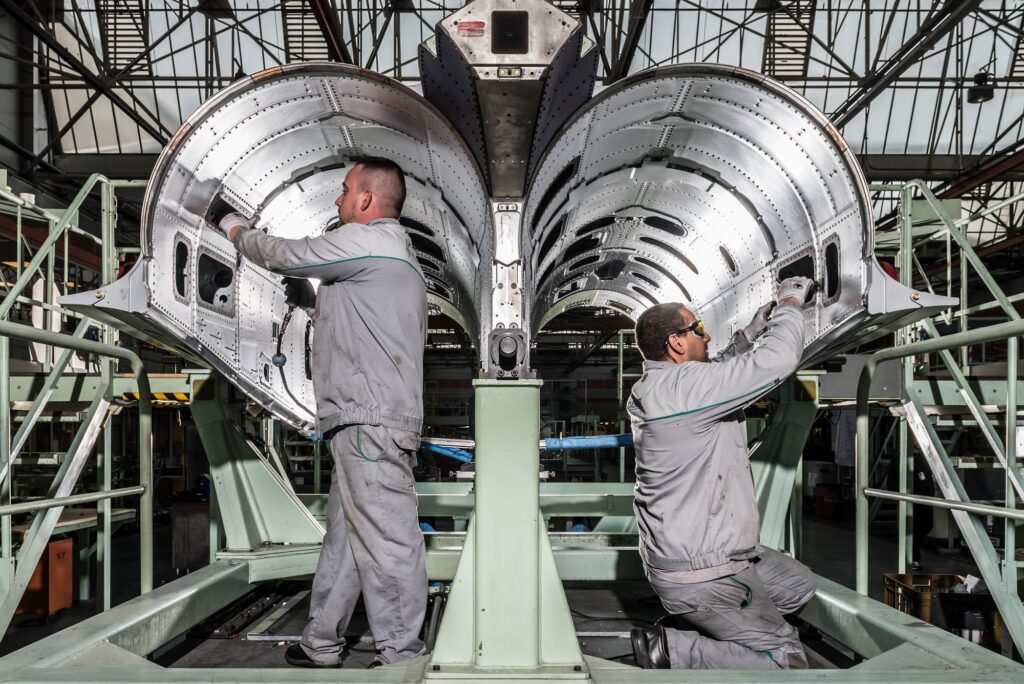
On one hand, retaining control over sensitive technologies is a key national priority. On the other, export competitiveness increasingly depends on flexibility and deeper collaboration with partner countries.
If major partners seek greater access while France maintains restrictions, it could influence future defence deals and partnerships.
Wider Global Context
The Rafale F5 developments highlight a broader trend in global defence:
- Countries are prioritising technology sovereignty
- Demand is growing for customisation and independent upgrade capability
- Traditional “black-box” defence systems are facing increasing resistance
At the same time, competition from other advanced fighter programmes particularly from the United States and China—is intensifying.
Conclusion
The Rafale F5 programme remains a key element of France’s future airpower strategy. However, funding pressures, the UAE’s reduced involvement, and evolving expectations from partners such as India are shaping its trajectory.
While the programme is unlikely to be derailed, its success may depend on how effectively France balances technology control with international collaboration in an increasingly competitive and complex defence landscape.