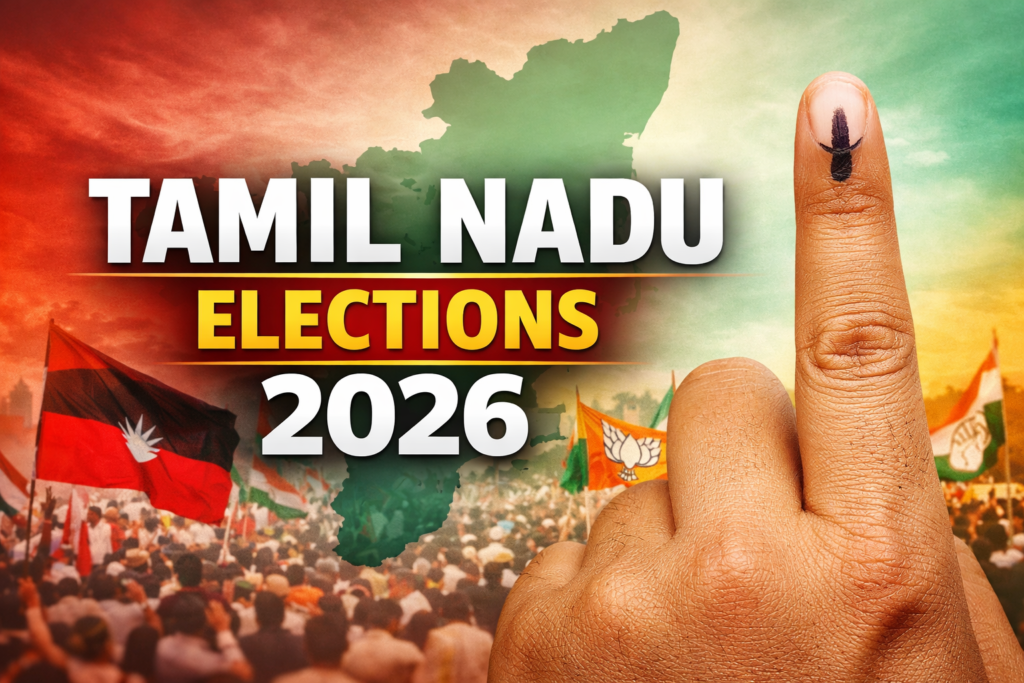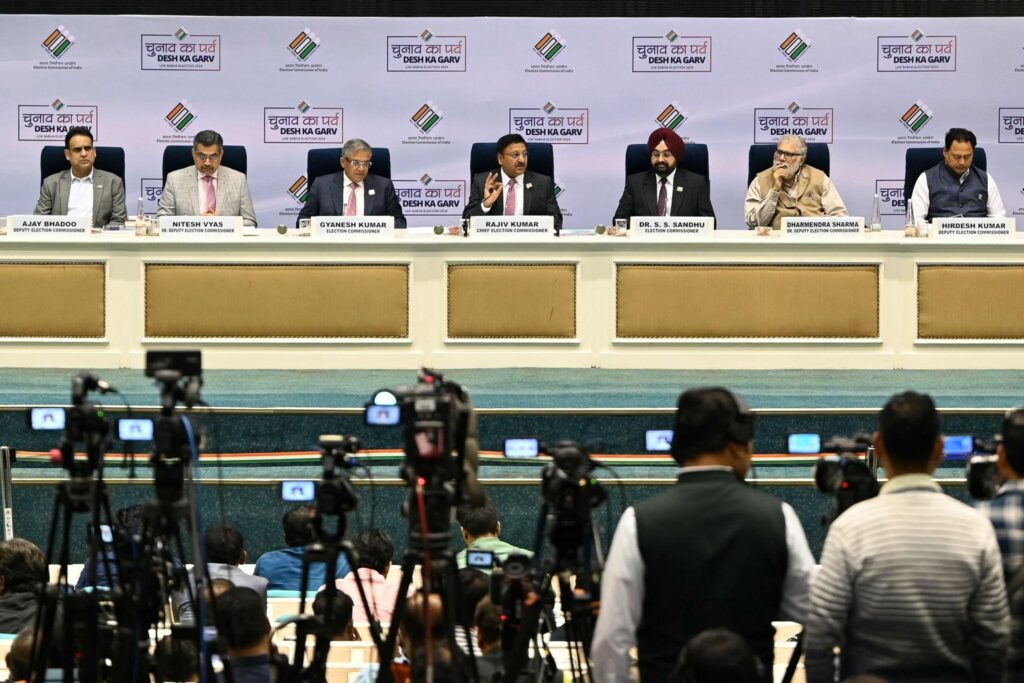
West Bengal is preparing for one of the most closely watched political contests in India as the 2026 Assembly Elections approach. The elections will determine the composition of the 294-member West Bengal Legislative Assembly, with voting scheduled in two phases on 23 April and 29 April 2026, and counting of votes on 4 May 2026.
With more than 70 million eligible voters, the election is expected to be a high-stakes battle between major national and regional parties.
West Bengal Assembly Elections 2026: Polling Dates and Counting Schedule
West Bengal will go to polls in two phases for all 294 Assembly seats. Vote counting is scheduled for 4 May 2026.
Major Parties in the West Bengal Election
Trinamool Congress (TMC)
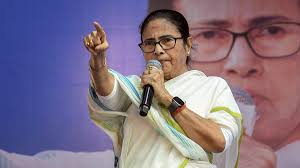
Leader: Mamata Banerjee
Designation: Chief Minister of West Bengal
Manifesto Focus
- Expansion of welfare schemes such as Lakshmir Bhandar and other financial assistance programs
- Women empowerment and rural development initiatives
- Improvement in healthcare and education services
- Infrastructure development across districts
Strengths
- Strong grassroots presence across rural and urban West Bengal
- Popular welfare schemes targeting women and economically weaker sections
- Strong personal leadership and political influence of Mamata Banerjee
Weaknesses
- Allegations of corruption and governance issues raised by opposition
- Political violence concerns during elections
- Anti-incumbency factor after several years in power
Previous Election Result (2021 Assembly Election)
- Seats won: 213 out of 294
- Vote share: around 48%
Bharatiya Janata Party (BJP)
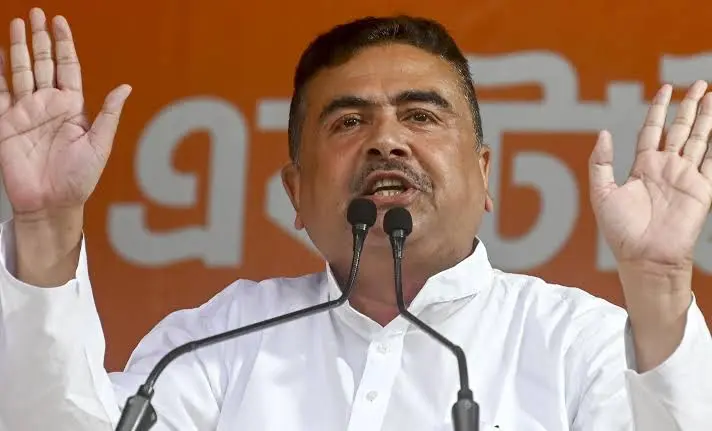
Leader in State: Suvendu Adhikari
Designation: Leader of Opposition, West Bengal Legislative Assembly
Manifesto Focus
- Economic growth and industrial investment
- Job creation and development projects
- Strengthening law and order
- Implementation of central government welfare schemes
Strengths
- Strong support from national leadership including Prime Minister Narendra Modi and BJP central leadership
- Significant campaign resources and nationwide organizational network
- Increasing support base in urban and semi-urban areas
Weaknesses
- Limited grassroots organizational network compared to TMC in many rural regions
- Dependence on national leaders for campaigning
- Difficulty converting vote share into seats in certain districts
Previous Election Result (2021 Assembly Election)
- Seats won: 77 out of 294
- Vote share: around 38%
Left Front and Congress Alliance
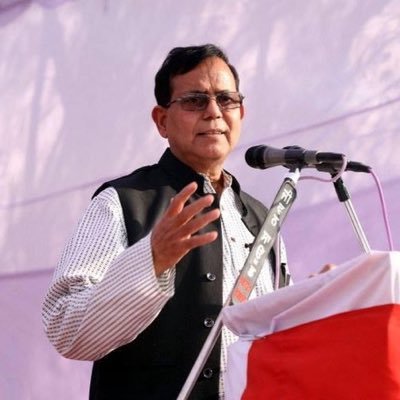
Key Leaders:
- Mohammed Salim (CPI-M West Bengal Secretary)
- State leaders of Indian National Congress
Manifesto Focus
- Employment generation and workers’ rights
- Strengthening public sector industries
- Affordable education and healthcare
- Social justice and rural development policies
Strengths
- Historic political presence in West Bengal politics
- Ideological support among workers, farmers and student organizations
- Potential alliance strategy to consolidate anti-TMC votes
Weaknesses
- Significant decline in voter support over the last decade
- Limited electoral presence in recent elections
- Difficulty competing with the dominant TMC and BJP political machinery
Previous Election Result (2021 Assembly Election)
- Seats won: 0 seats
- Vote share: around 5–6% combined
Who Will Win West Bengal Elections 2026?
The 2026 West Bengal Assembly elections are expected to be a closely watched political contest between the ruling Trinamool Congress and the Bharatiya Janata Party. While the Left Front and Congress alliance is attempting to regain lost political ground, the main battle is likely to remain between the two dominant parties.
Political analysts believe that the ruling Trinamool Congress still maintains a strong support base due to its welfare schemes and grassroots organizational strength. Programs aimed at women, rural households and economically weaker sections have helped the party maintain strong voter loyalty in several districts.
Who Will Win West Bengal Elections 2026?
Recent opinion poll trends suggest that the Trinamool Congress (TMC) currently holds a slight edge in the West Bengal Assembly Elections 2026, though the battle remains close. Poll-based estimates indicate that TMC is leading in vote share, while the BJP remains the main challenger. The Left Front and Congress alliance is expected to remain a smaller player in the overall contest.
While many political supporters claim that BJP can win, the latest opinion poll trend suggests that TMC is still ahead at this stage. However, the margin appears narrow enough for the campaign, alliances, turnout and local issues to matter significantly before polling.
Current poll trend: TMC slightly ahead, BJP remains in strong contention.
However, the Bharatiya Janata Party has continued to expand its voter base in West Bengal over the last decade. The party is focusing on issues such as development, employment opportunities and law-and-order concerns, while relying on strong national leadership and extensive campaign resources.
Another important factor in the election will be voter turnout and regional voting patterns. Some districts that witnessed intense political competition in the previous election could again become key battlegrounds in determining the final outcome.
While early political assessments suggest that the Trinamool Congress may start with an advantage due to incumbency and organizational strength, the final result will depend heavily on campaign strategies, voter turnout and the performance of opposition alliances.
Key Issues in the Election
Several important issues are likely to influence voters in West Bengal:
• Welfare schemes and financial assistance programs
• Employment and industrial development
• Political violence and law-and-order concerns
• Identity and regional politics
• Rural economic conditions
Election officials have stated that strict measures will be taken to prevent violence and ensure peaceful polling across the state.
Important Constituencies to Watch
Some constituencies expected to draw major attention include:
- Bhabanipur
- Nandigram
- Kolkata urban seats
- Darjeeling region constituencies
These seats are considered politically significant and could play a crucial role in determining the final outcome.
Why the 2026 Election Matters
The West Bengal election is important not only for the state but also for national politics. The outcome will indicate whether the ruling party retains its dominance or if opposition parties can expand their influence in one of India’s largest states.
Political analysts believe that voter turnout will remain high as the election campaign intensifies in the coming weeks.