📅April 09, 2026 | By Pulse India News Desk
🗳️ A Familiar Result… But a Different Story
Vietnam’s 2026 National Assembly elections may look predictable on paper, but the story behind them is far more significant.
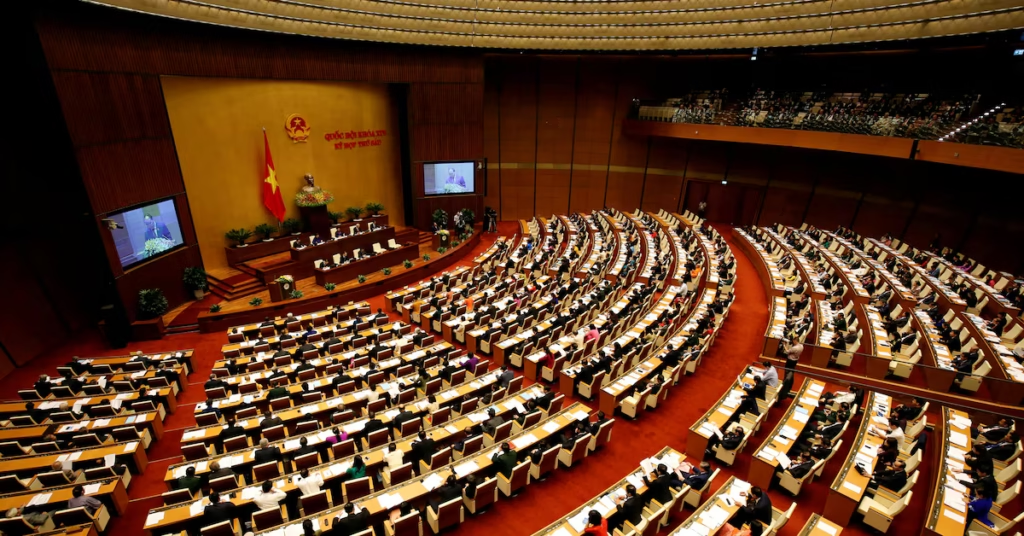
The ruling Communist Party of Vietnam (CPV) once again secured an overwhelming majority, winning around 482 out of 500 seats. This is nearly identical to the 2021 election, where the party won about 486 seats.
At first glance, nothing has changed.
But in reality, everything important has.
📊 Then vs Now: What the Numbers Really Say
On paper, the difference between 2021 and 2026 is small:
- 2021: ~486 seats for CPV
- 2026: ~482 seats for CPV
That’s just a loss of 4 seats, with independents increasing slightly.
👉 But this isn’t a sign of weakening power.
👉 It’s a sign of controlled stability.
In Vietnam’s political system, elections are not about competition, they are about confirmation of authority.
🔍 Why Did the Communist Party Win Again?
The answer lies not just in politics—but in economics, governance, and public perception.
Vietnam has quietly become one of Asia’s most stable and fastest-growing economies. Over the past few years, the country has maintained consistent growth of 6–7%, attracting global companies and becoming a key manufacturing hub.
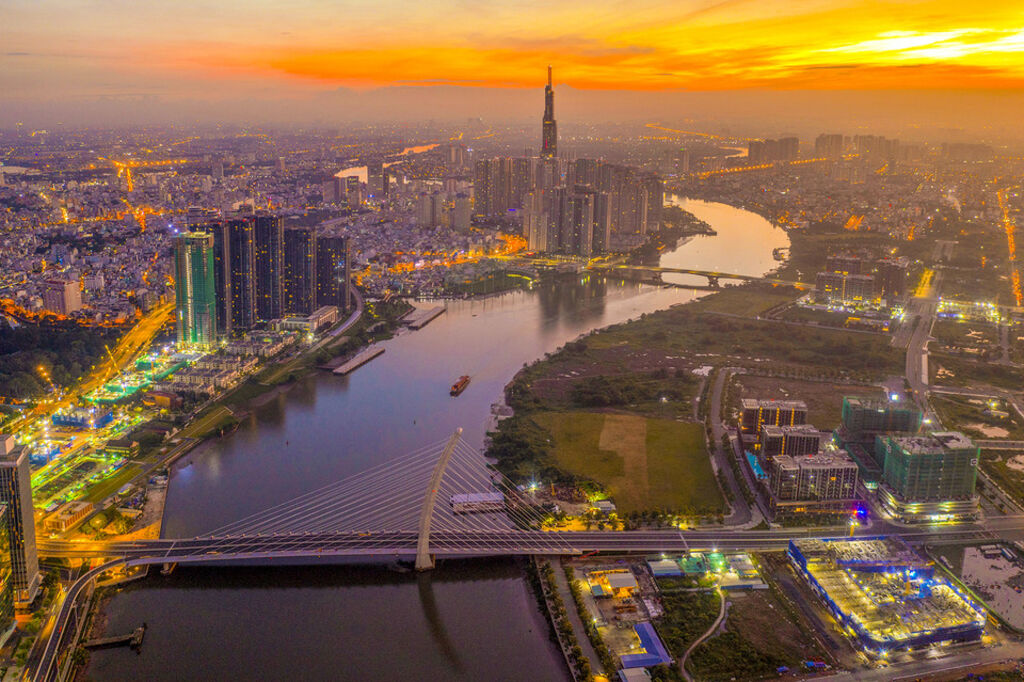
For many citizens, this creates a simple equation:
👉 Economic growth = trust in leadership
At the same time, the government has maintained strong internal control:
- Candidates are pre-approved by the party
- No opposition parties are allowed
- Elections are structured to ensure continuity, not disruption
Another major factor is the anti-corruption campaign, strongly associated with To Lam. High-profile crackdowns on officials have helped project an image of a government that is both powerful and accountable.
🔄 What Has Actually Changed Since 2021?
This is where the real story lies.
While the election results are similar, the leadership structure has shifted significantly.
Earlier, Vietnam’s system was guided by collective leadership, heavily influenced by Nguyen Phu Trong.
Now, power is increasingly centered around To Lam, who has emerged as the dominant figure.
👉 This marks a transition from:
- Shared leadership → Centralised authority
This change could reshape how Vietnam makes decisions – faster, more direct, and potentially more assertive both domestically and internationally.
🌍 Vietnam’s Position in a Changing World
Vietnam today is no longer just a regional player – it is becoming a key strategic country in global geopolitics.
Relations with the United States
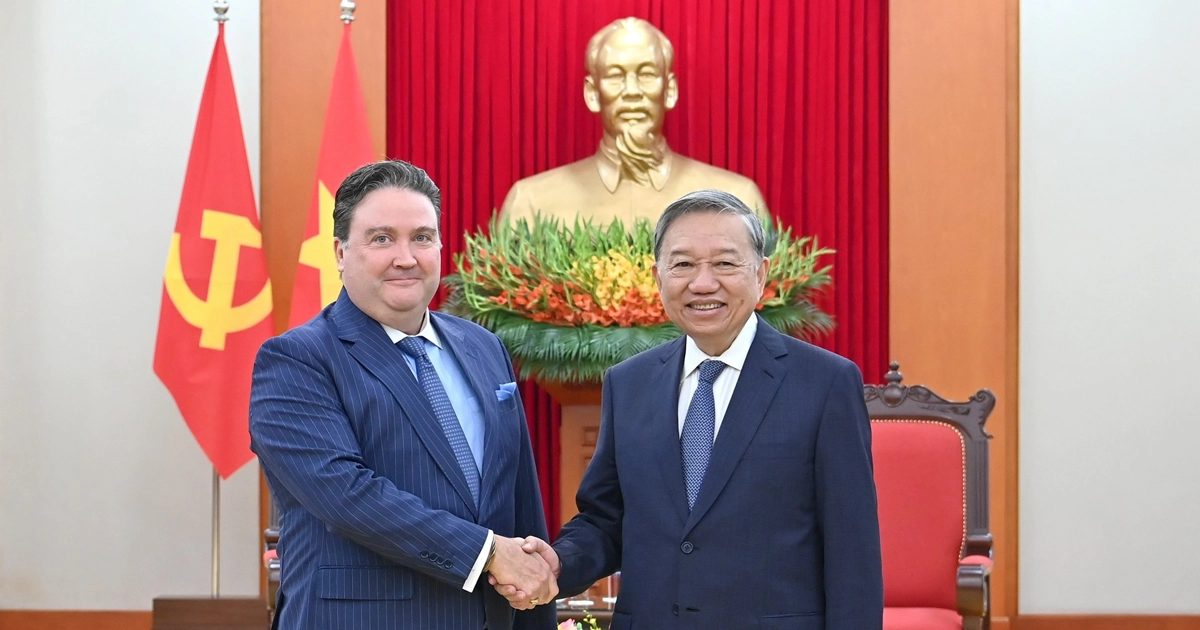
Relations with the United States are expanding rapidly.
The US sees Vietnam as:
- A China alternative manufacturing hub
- A partner in supply chain diversification
- A strategic player in the Indo-Pacific
👉 Expect stronger economic ties, with cautious defense cooperation.
Relations with Europe
The European Union remains one of Vietnam’s biggest trade partners.
- Trade is booming under free trade agreements
- But Europe continues to raise concerns over:
- Political freedoms
- Human rights
👉 This creates a relationship that is : Economically strong, politically complex
Relations with India
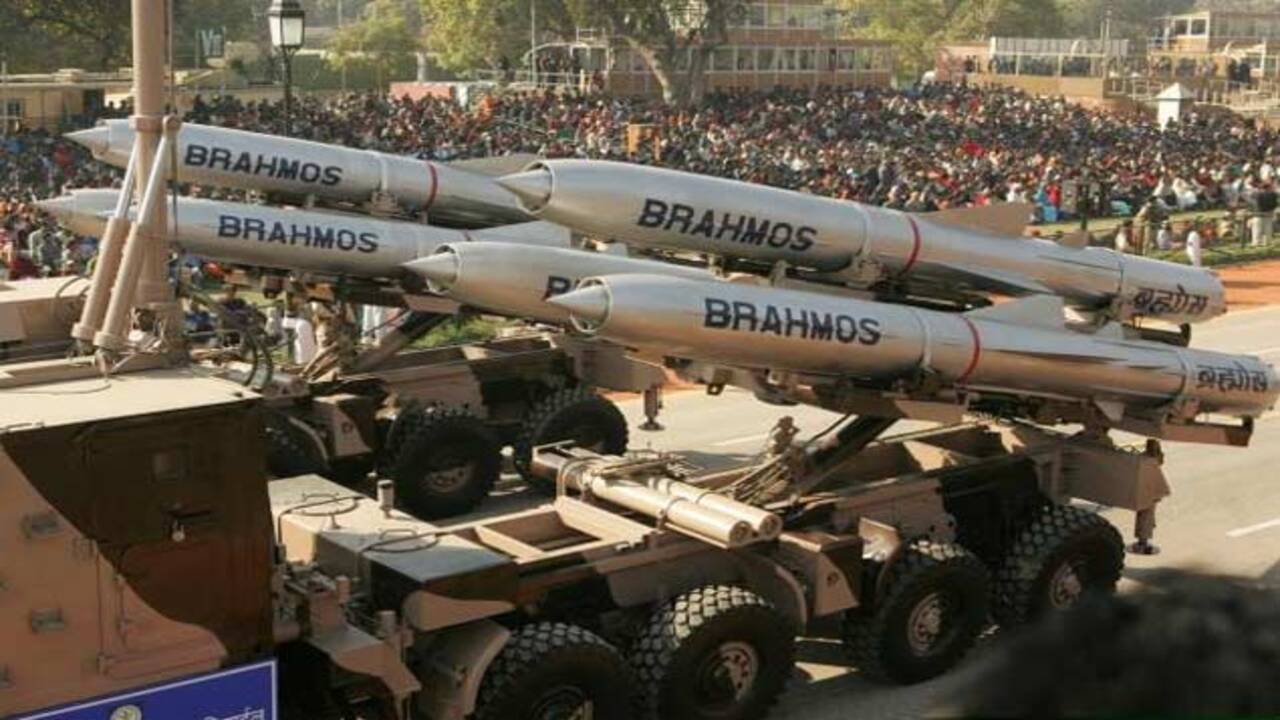
Vietnam’s ties with India are quietly strengthening.
Key areas include:
- Defense cooperation (including BrahMos discussions)
- Naval coordination
- Energy exploration
👉 India views Vietnam as a critical Indo-Pacific partner
Relations with China
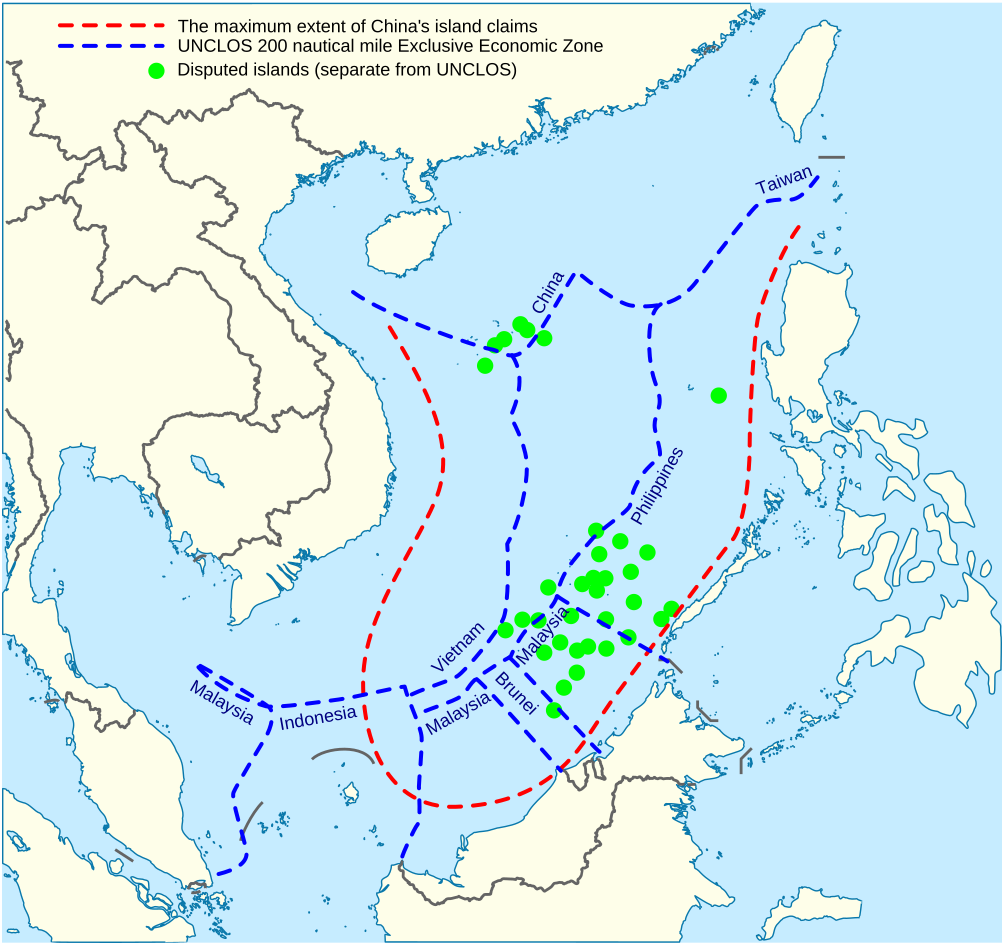
Vietnam’s relationship with China is one of the most delicate.
- China is Vietnam’s largest trading partner
- But tensions continue in the South China Sea
👉 Vietnam’s strategy is clear:
- Cooperate economically
- Push back strategically
🌍 How the World Reacted to Vietnam’s New Leadership
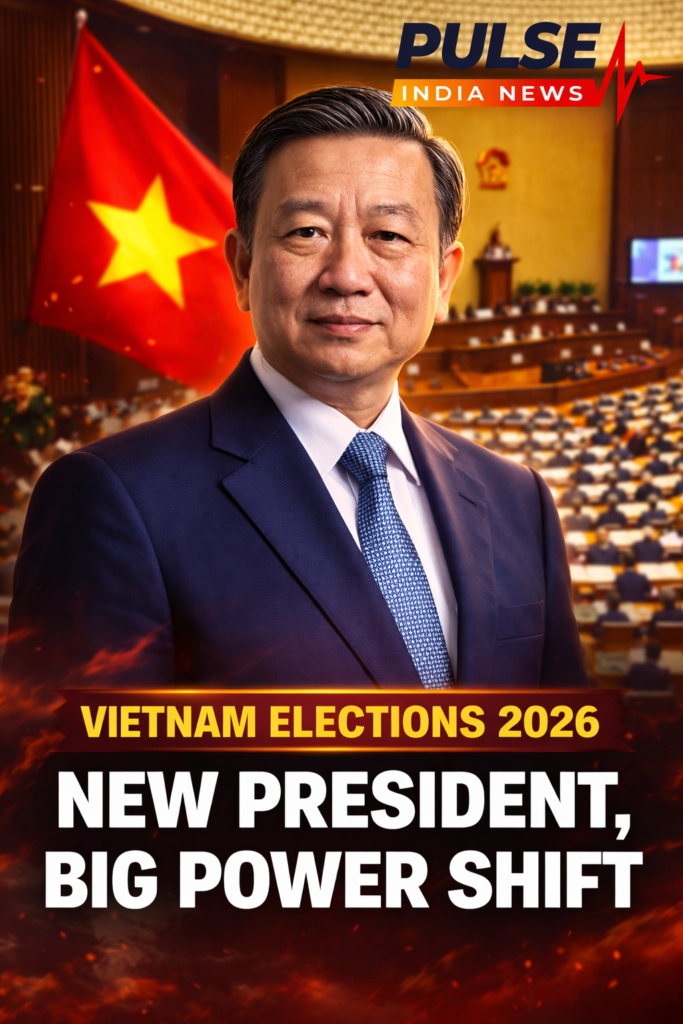
Vietnam’s new leadership received a swift wave of international reactions after To Lam was elected President and Le Minh Hung became Prime Minister. The responses showed one clear pattern: major powers and close regional partners want continuity, stability, and stronger ties with Hanoi under the new government.
India: Modi Signals Strategic Continuity
Prime Minister Narendra Modi congratulated To Lam and said India’s time-tested friendship with Vietnam would continue to grow stronger. He also said he looked forward to working closely with Hanoi to deepen the Comprehensive Strategic Partnership for the benefit of both countries and the wider region.
China: Xi Backs Closer Political Ties
Chinese President Xi Jinping sent a congratulatory message to To Lam, underlining Beijing’s desire to strengthen ties with Vietnam. The message came as Hanoi and Beijing continue balancing deep economic cooperation with strategic mistrust in the South China Sea, and reports indicate To Lam is now preparing an early official visit to China.
United States: Washington Congratulates, Watches Closely
The U.S. State Department formally congratulated To Lam on his dual appointment as President and party chief, and also congratulated Le Minh Hung on becoming Prime Minister. The message suggested Washington wants continuity in strategic ties with Vietnam even as analysts watch closely for how a more centralized leadership structure may shape policy.
European Union: Supportive Tone, But More Measured
The European response has been more measured than some of Vietnam’s Asian partners. Rather than a dramatic fresh post-election statement from a single EU leader, Brussels has recently emphasized its upgraded partnership with Vietnam and welcomed a stronger, forward-looking relationship with Hanoi. That signals continued engagement, especially on trade and strategic cooperation, while Europe remains more cautious in political tone.
Laos: Closest Political Backing
Leaders from Laos were among the first to congratulate Vietnam’s newly elected leadership. The messaging stressed mutual trust, close ideological ties, and confidence that the new leadership team in Hanoi would guide Vietnam toward continued growth and prosperity.
Cambodia: Warm Regional Endorsement
Cambodian leaders also sent congratulations, reflecting the importance of regional stability and the long-standing political channels between Phnom Penh and Hanoi. The tone was supportive and consistent with Cambodia’s close-state relations approach toward Vietnam.
Russia: Friendly Continuity
Russian leaders were listed among those sending congratulatory messages to Vietnam’s new leadership. The reaction points to Moscow’s interest in preserving stable ties with Hanoi across defense, energy, and broader strategic cooperation.
Cuba: Ideological Solidarity
Cuban President Miguel Díaz-Canel congratulated To Lam and described the vote as reflecting unanimous support. Havana’s response highlighted the long-standing party-to-party and state-to-state relationship between the two socialist countries.
🧠 What These Reactions Really Mean
The global reaction was not one of shock — it was one of acceptance and recalibration. India sees continuity in strategic partnership. China sees an opening for deeper political coordination. The United States is signaling it wants steady engagement. Europe appears willing to keep expanding ties, but in a more cautious diplomatic tone. For Vietnam, that means the new government starts with broad international recognition and strong room to balance major powers under its long-standing “bamboo diplomacy” model.
🧠 Final Analysis: Same System, Stronger Control
Vietnam’s 2026 elections confirm one thing clearly:
👉 The system is not changing
👉 It is becoming stronger and more centralised
While the numbers remain almost identical to 2021, the power structure behind those numbers has evolved.
⚖️ The Big Question
As Vietnam rises globally, one key question remains:
👉 Will it follow a China-style centralised model
OR
👉 Continue as a balanced, multi-aligned economic power?
The answer will define not just Vietnam’s future—but its role in the global order.
🔗 Related News
- US–Iran Ceasefire 2026: Why Trump Backed Down Amid Global Pressure
- $30K Drone vs $4M Missile: How Iran Is Draining U.S Military Power
- Project Kusha: India’s ₹21,700 Crore Air Defence Shield Explained
- Indian Navy Escorts Oil Tankers in Strait of Hormuz Amid Rising Tensions
- Astra vs PL-15: India vs China Missile Power Battle Explained
- India Delivers Dornier Aircraft to Guyana — Expanding Global Defence Reach