📅 March 31, 2026 | By Pulse India News Desk
🔥 Intro: A War Where Every Shot Costs Millions
The war between the United States and Iran is unfolding in a way modern warfare rarely has.
This is not just about missiles, jets, or power, it is about cost imbalance.
👉 On one side:
Iran deploying low-cost drones worth a few thousand dollars
👉 On the other:
The U.S. firing multi-million-dollar defense systems to stop them
And slowly, this war is becoming one of the most expensive conflicts in recent history — not because of destruction alone, but because of how much it costs to defend.
⚔️ 🪖 Human Cost: The First Indicator
War always begins with human loss — and the U.S. has not been immune.
📊 Current Situation:
- 🪖 13+ U.S. soldiers killed
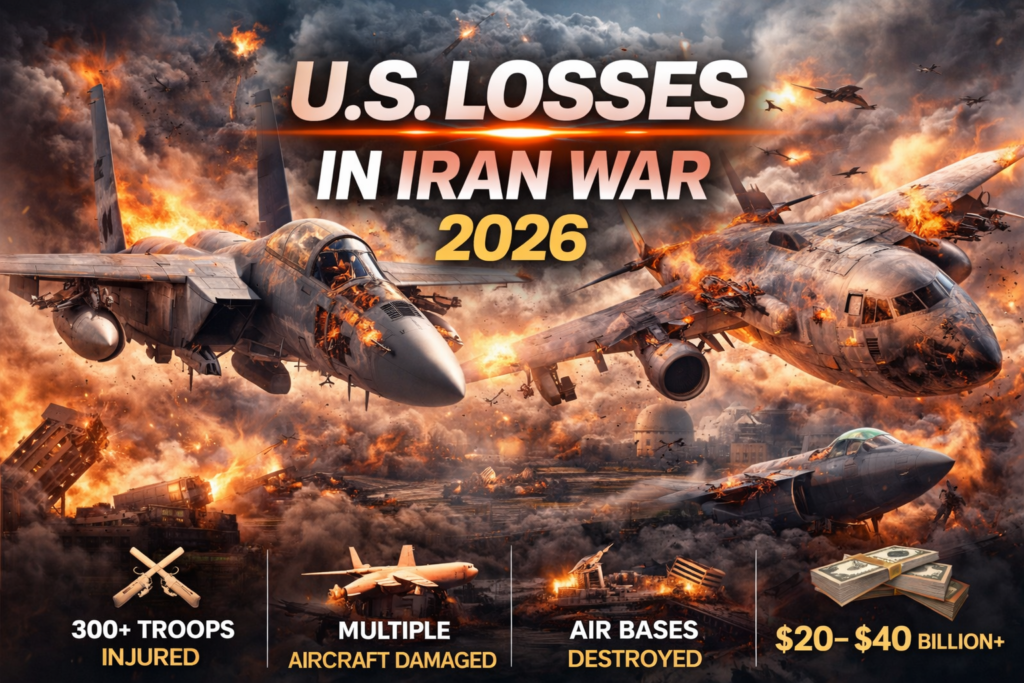
- 🚑 300+ injured
- 🔄 Many returned to duty, but several faced serious injuries
⚠️ What this reveals:
Even with advanced protection systems, Iran’s attacks are getting through, especially through:
- Drone swarms
- Missile strikes on bases
💰 Estimated long-term cost (medical, compensation, logistics):
👉 $50M – $150M+
🏢 💥 U.S. Bases Under Fire: The Backbone Hit
Iran’s strategy is not random , it is targeted.
Instead of chasing fighter jets, it is hitting where it hurts the most: infrastructure
🔴 Key Bases Impacted:
- Prince Sultan Air Base (Saudi Arabia)
- Al Udeid Air Base (Qatar) – U.S. command center in the region
- Bahrain (5th Fleet Headquarters)
Damage Includes:
- Destroyed buildings
- Damaged hangars
- Strikes near command facilities
💡 These bases act as:
👉 Air operation hubs
👉 Command centers
👉 Intelligence coordination nodes
💰 Estimated damage:
👉 $300M – $1.5B
📡 🛰️ Radar & “Invisible Warfare” Damage
Here’s something most headlines ignore:
👉 The real war is happening in the systems you cannot see
Likely Systems Affected:
- AN/TPY-2 – tracks ballistic missiles
- Patriot radar (AN/MPQ-65)
- TPS-77 long-range radar
Why this matters:
These systems:
- Detect incoming threats
- Guide missile defenses
- Enable coordination
👉 Damage here doesn’t just destroy equipment —
👉 It creates blind spots in defense
💰 Estimated loss:
👉 $200M – $1B+
✈️ 🔥 Air Power Under Pressure
The U.S. still dominates the skies — but even that dominance is being tested.
Confirmed:
- Refueling aircraft (KC-135 / KC-46) damaged
👉 These are critical because:
- Fighters depend on them for long missions
- Without them, range and flexibility drop
⚠️ High-Value Aircraft in Risk Zone
- F-35 Lightning II
- F-15E Strike Eagle
- F-16 Fighting Falcon
- E-3 AWACS (airborne radar)
💰 Cost per aircraft:
- $40M → $250M+
👉 No confirmed major fighter losses yet
👉 But continuous attacks = increasing risk
💰 Estimated aircraft-related impact:
👉 $100M – $500M
🚢 ⚓ Naval Front: Pressure Without Destruction
While no U.S. warship has been confirmed destroyed:
👉 The Navy is operating under intense pressure:
- Strait of Hormuz risk
- Mine threats
- Continuous patrols
💡 This means:
- Higher operational cost
- Constant readiness strain
💰 Estimated:
👉 $200M – $800M
🚨 THE BIGGEST STORY: DRONES VS BILLIONS
This is where the war becomes truly shocking.
🛸 Iran’s Weapon: Cheap, Simple, Effective
Iran is deploying:
👉 Shahed-type drones
💰 Cost per drone:
👉 $20,000 – $50,000
👉 Can be launched in large swarms
U.S. Response: Extremely Expensive Defense
To stop these drones, the U.S. uses:
🚀 Missile Systems:
- Patriot Missile → ~$4 MILLION per interceptor
- THAAD → ~$10–12 MILLION per interceptor
💥 The Cost Imbalance (This Changes Everything)
👉 Destroying a $30,000 drone may cost:
➡️ $4M – $12M
📊 That’s:
- 100x to 300x more expensive
📊 Real Scenario
If Iran launches:
👉 1,000 drones
U.S. cost:
👉 $4B – $12B
Iran cost:
👉 $20M – $50M
⚠️ This is the Core Strategy
Iran is not trying to win with power
👉 It is trying to drain the U.S. economically
💰 Total U.S. Spending So Far
Estimated Timeline:
- 💸 $11B+ in first week
- 💸 $16B+ within 12 days
- 💸 $18B–$25B within weeks
👉 Daily cost:
👉 $500M – $1B per day
💰 🔥 TOTAL IMPACT
👉 $20 BILLION – $40 BILLION+ (and rising fast)
U.S Government is already facing a heat on such huge spending from both people, and U.S Congress. As the war is not completed yet, U.S may need to spend atleast $100 Billion to $150 Billion.
⚡ Final Analysis: A War of Economics
The United States still holds military superiority.
But this war has exposed a critical reality:
👉 Winning is no longer just about power — it’s about affordability
Iran’s strategy is clear:
- Spend less
- Force the opponent to spend more