📅April 08, 2026 | By Pulse India News Desk
A Fragile Pause After Days of Escalation
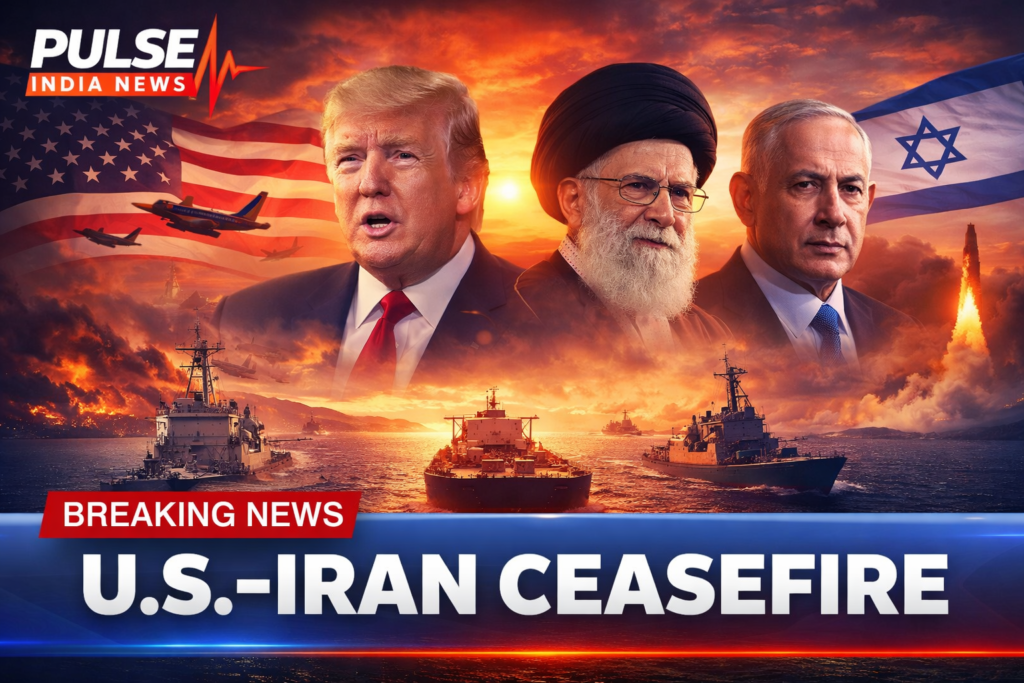
In a significant but cautious development, the United States and Iran have agreed to a temporary ceasefire, stepping back from what many feared could spiral into a wider regional war.
The announcement came after days of heightened tensions, military alerts, and fears of disruption to global oil supplies. While the ceasefire has eased immediate concerns, analysts say it represents a pause in conflict, not a resolution.
With global attention fixed on the Middle East, statements from leaders in Washington, Tehran and Tel Aviv reveal sharply different narratives behind the same agreement.
What Triggered the Crisis
The latest escalation was driven by rising tensions around the Strait of Hormuz, one of the world’s most critical energy routes.
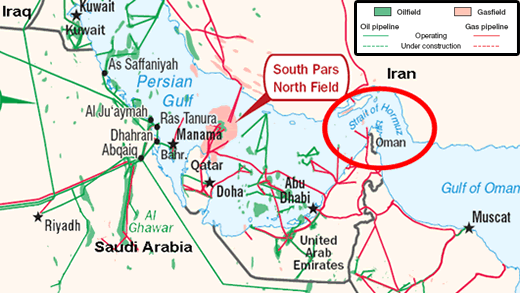
Concerns intensified after disruptions to maritime traffic and growing military posturing in the region. The United States warned of potential military action to ensure security, while Iran signalled it would defend its strategic interests.
The situation quickly evolved into a high-stakes standoff, with global markets reacting to the risk of supply shocks and wider instability.
Timeline: From Threats to Ceasefire
Before the Ceasefire
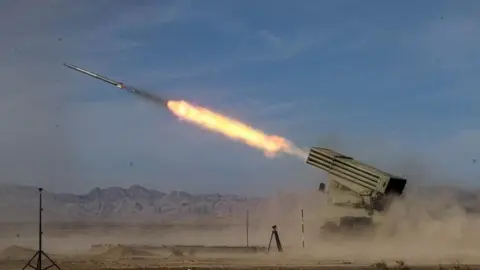
The United States issued strong warnings, including a deadline tied to maritime security and regional stability. Iran, in turn, maintained its position on strategic control and deterrence.
April 7, 2026 – Ceasefire Announced
A two-week ceasefire was agreed upon. Both sides paused direct military escalation, opening a short window for diplomatic engagement.
Immediately After the Announcement
Leaders on all sides began publicly shaping the narrative. Global markets responded positively, especially in the energy sector.
April 8, 2026 – Shift Toward Diplomacy
The United States signalled willingness for talks and negotiations. Iran reiterated its conditional cooperation. Israel clarified the limited scope of the ceasefire.
🗣️ What Leaders Said

Donald Trump
“Big day for World Peace!” and called it a “total and complete victory.” :contentReference[oaicite:0]{index=0}
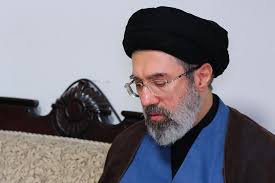
Iranian Leadership
“Any pause will be conditional” and Iran will respond if attacks continue, signaling a tactical ceasefire. :contentReference[oaicite:1]{index=1}
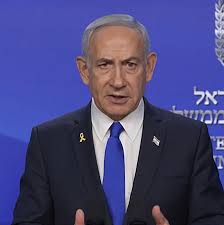
Israeli Leadership
The ceasefire “does not include Lebanon” and broader operations will continue. :contentReference[oaicite:2]{index=2}
What the Ceasefire Includes
While full details remain undisclosed, the agreement is understood to broadly cover:
- A temporary halt in direct military actions
- Assurances around safe navigation through the Strait of Hormuz
- A window for diplomatic negotiations
- A conditional framework, meaning escalation could resume if talks fail
Global Impact
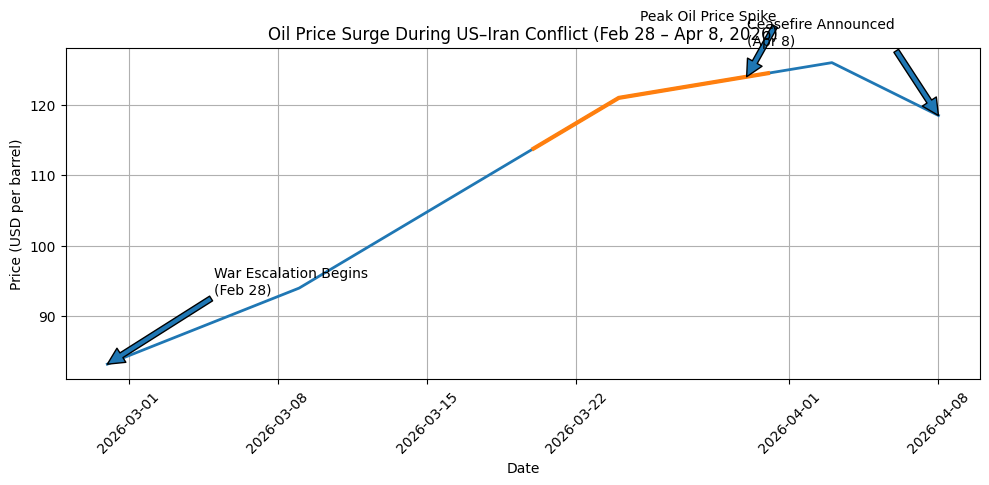
Energy Markets
Oil prices eased after the announcement, reflecting reduced fears of immediate supply disruption.
Financial Markets
Global equities moved higher as investors responded positively to the reduction in immediate war risk.
India and Global Trade
Countries heavily dependent on energy imports, including India, are watching developments closely, with uninterrupted maritime movement remaining a major concern.
Why the Situation Remains Uncertain
Despite the ceasefire, several risks remain.
The geopolitical rivalry between the U.S. and Iran has not disappeared. Regional complexities involving multiple actors continue to raise the possibility of miscalculation. Most importantly, there is still no long-term agreement addressing the deeper disputes at the heart of the crisis.
That means even a minor incident could destabilise the current pause.
Final Analysis: Pause, Not Peace
The ceasefire highlights a central reality: all sides are claiming success, but none appear to have truly backed down.
The United States has avoided immediate escalation while maintaining pressure.
Iran has preserved its strategic posture and domestic narrative.
Israel continues to pursue its wider security objectives.
This makes the current moment a pause in hostilities, not a genuine settlement.
What Happens Next?
The coming days will be crucial in deciding whether diplomacy can replace confrontation.
The key questions now are whether negotiations can produce a broader agreement, whether both sides can find common ground on security and economic issues, and whether the ceasefire can survive beyond its initial timeframe.
The answers will shape not only regional stability, but also global economic confidence.
Conclusion
The U.S.–Iran ceasefire offers a moment of relief in a volatile geopolitical environment. But with the core issues still unresolved, the agreement remains fragile.
For now, the world is watching closely, aware that this calm could either open the door to meaningful diplomacy or collapse into renewed confrontation.
🔗 Related News
- 30K Drone vs $4M Missile: How Iran Is Forcing the U.S. Into a Billion-Dollar War
- Project Kusha: India’s Plan to Build a Powerful Air Defence Shield
- Astra vs PL-15: Inside the Air Combat Missile Race Between India and China
- Indian Navy’s ‘Urja Suraksha’ Mission: Securing Oil Routes in the Strait of Hormuz