📌 Background: A Dangerous Turning Point
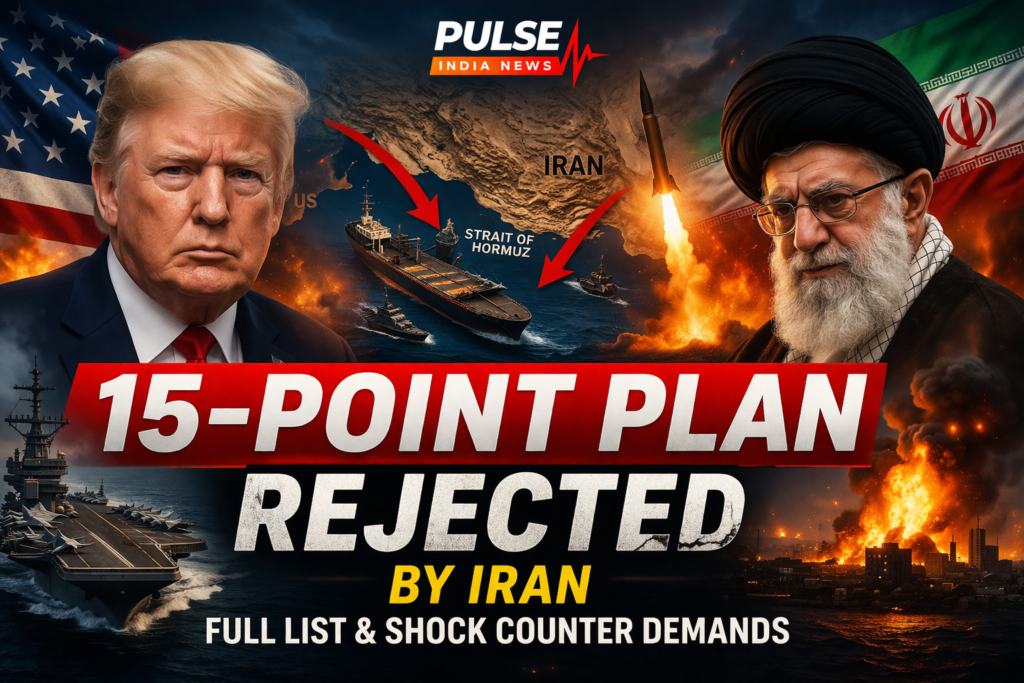
The US–Iran conflict has entered a critical phase. A bold 15-point peace plan proposed by Donald Trump has been rejected by Iran, raising fears that tensions could escalate into a wider war across the Middle East.
Diplomatic channels remain open, but both sides are currently far apart on key demands, making a quick resolution unlikely.
Trump’s Complete 15-Point Plan
Here is the full breakdown of all 15 points included in the proposed plan:
🔑 Core Military & Ceasefire Measures
- Immediate 30-day ceasefire to stop active fighting
- Direct US–Iran negotiations under international mediation
- Gradual de-escalation of military forces in the region
☢️ Nuclear Restrictions
- Complete dismantling of nuclear facilities (Natanz, Fordow, Isfahan)
- Permanent ban on nuclear weapons development
- Zero uranium enrichment inside Iran
- Transfer of enriched uranium to international authorities (IAEA)
- Full, unrestricted international inspections anytime
🚀 Missile & Defense Controls
- Strict limits on ballistic missile range
- Reduction of advanced weapons capabilities
🌍 Regional Influence Conditions
- End support to proxy groups across the Middle East
- Withdrawal or reduction of influence in regional conflicts
🚢 Maritime & Trade Security
- Guarantee free navigation in the Strait of Hormuz
- International monitoring of shipping routes and oil tankers
💰 Economic & Diplomatic Incentives
- Phased sanctions relief in exchange for compliance
👉 Objective:
To eliminate nuclear threats, reduce military escalation, and stabilize global oil routes.
Iran’s Counter Demands
Iran has rejected the proposal, calling it “one-sided and unrealistic.”
⚡ Iran’s Key Conditions:
- Immediate removal of all US sanctions
- Withdrawal of US forces from the Gulf region
- Compensation for war-related damages
- No limits on missile or defense programs
- Recognition of Iran’s regional strategic role
👉 Iran’s stance:
Peace must respect sovereignty and security, not impose restrictions.
🔥 Why This Matters to India & the World
- Nearly 20% of global oil supply passes through the Strait of Hormuz
- Any disruption could increase petrol and diesel prices in India
- Risk of global inflation and economic slowdown
- Direct impact on stock markets and imports
👉 Even a small escalation can trigger a global energy crisis
⚠️ Why Iran Rejected the Plan
Experts say the proposal is too strict because it demands:
- Complete nuclear dismantling
- Reduction of military capabilities
- Limits on regional influence
👉 For Iran, this looks like strategic surrender rather than negotiation
🌍 Global Impact
- Oil prices remain volatile
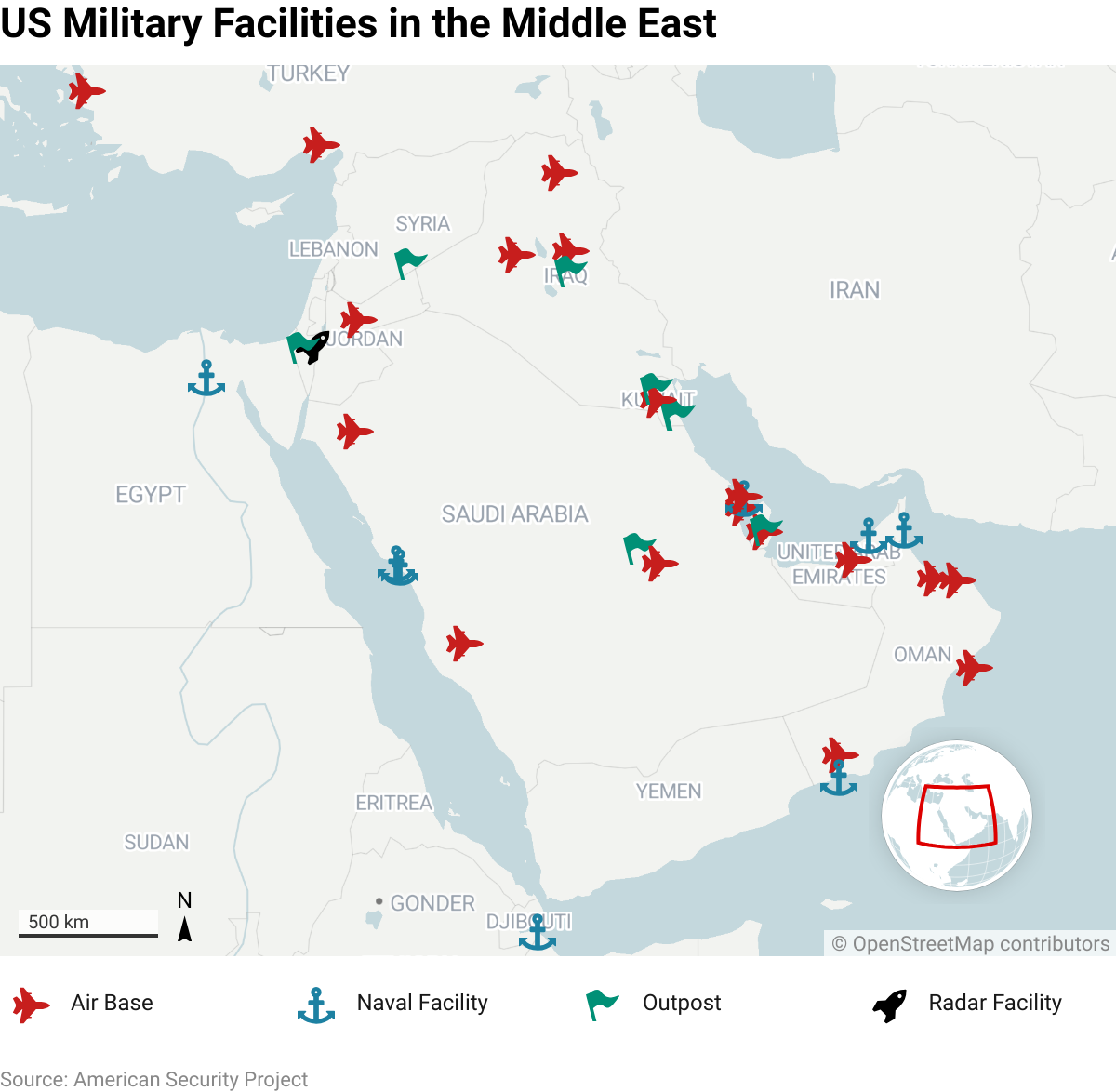
- Increased military presence in the region
- Risk of broader Middle East conflict
- Global powers pushing for diplomatic solutions
🔍 What Happens Next?
- Possible backchannel talks through neutral countries
- Continued military buildup
- Rising uncertainty if negotiations fail
🎯 Final Take
The rejection of Trump’s 15-point plan shows how deep the divide remains between Washington and Tehran.
👉 The world now stands at a crossroads:
Diplomacy — or another major war in the Middle East.