Global oil prices have increased significantly in recent months, affecting economies across the world. Crude oil remains one of the most important commodities for transportation, manufacturing, and energy production. When oil prices rise, the effects are felt across many sectors, including fuel prices, inflation, and financial markets.
Why Oil Prices Are Increasing
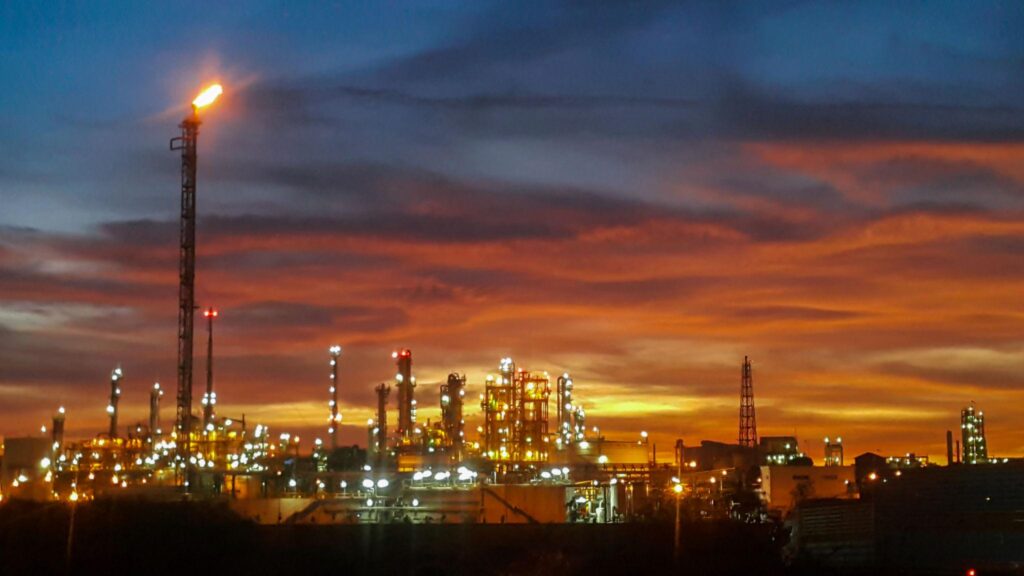
Several factors are contributing to the recent rise in oil prices. From geo Political tensions to higher production cost, here are the key factors.
Supply Constraints
Major oil-producing countries have reduced production in order to stabilize global oil markets. When supply decreases while demand remains high, prices naturally increase.
Rising Global Demand
Economic recovery and industrial growth have increased global energy consumption. Developing countries with expanding economies require more fuel for transportation, manufacturing, and electricity production.
Higher Production Costs
Oil extraction, refining, and transportation costs have also increased. These higher operational costs are often reflected in global oil prices.
Geopolitical Tensions
Political instability and conflicts in oil-producing regions can significantly impact supply. Even the possibility of disruptions can cause oil prices to increase as markets react to potential shortages.
Impact of the Iran Conflict on Oil Prices
The conflict involving Iran in the Middle East has also contributed to rising oil prices. The region is one of the world’s largest oil-producing areas, and tensions there often create uncertainty in energy markets.
The Strait of Hormuz is a critical shipping route for global oil supplies. Nearly one-fifth of the world’s oil passes through this narrow waterway each day. Any disruption or threat to shipping in this area can have a major impact on global oil supply.
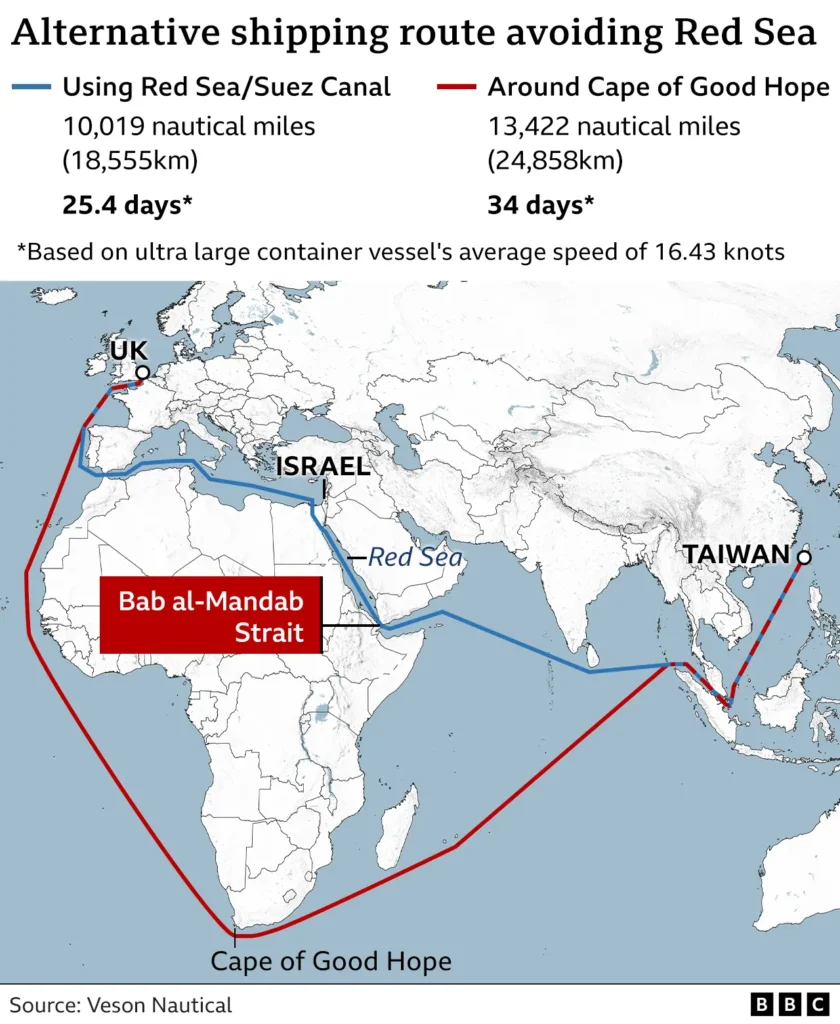
Increased security risks in the region can also raise transportation and insurance costs for oil tankers, which ultimately pushes global oil prices higher.
Impact on Inflation
Rising oil prices often lead to higher inflation. Oil is used in many industries, including transportation, agriculture, manufacturing, and logistics.
When oil prices increase:
- Transportation costs rise
- Manufacturing expenses increase
- Food and commodity prices may increase
- Businesses pass higher costs to consumers
As a result, inflation levels increase in many economies.
Rising Fuel Prices
Crude oil price increases directly affect fuel prices such as petrol, diesel, and aviation fuel.
Higher fuel prices impact:
- Daily commuting expenses
- Airline ticket prices
- Transportation services
- Logistics and delivery costs
These changes affect both businesses and consumers worldwide.
Oil Price Impact
- Higher transportation costs
- Increased inflation worldwide
- Rising fuel prices
- Volatility in global stock markets
Impact on Global Markets
Oil price fluctuations can influence global financial markets.
When oil prices rise:
- Energy company stocks may increase
- Airline and transportation companies face higher operating costs
- Stock markets may experience volatility
- Currency values may fluctuate in oil-importing countries
Oil remains one of the most closely watched commodities in global markets.
Countries Most Affected by Rising Oil Prices
Countries that rely heavily on imported oil are usually the most affected.
India
India imports a large portion of its crude oil requirements. Rising oil prices can increase inflation and affect the country’s trade balance. India considering use of strategic reserves as weall as purchasing oil from Russia and LPG from Australia and Canada.
Japan
Japan depends heavily on imported energy resources, making it vulnerable to global oil price fluctuations.
European Countries
Many European nations rely on imported oil for transportation and industrial activities.
Developing Nations
Developing economies often face greater challenges because energy costs make up a significant portion of their economic expenses.
Strategic Petroleum Reserves
Many countries maintain strategic petroleum reserves to manage energy supply during emergencies.
Strategic reserves are large stockpiles of crude oil stored by governments to stabilize supply during disruptions or price spikes.
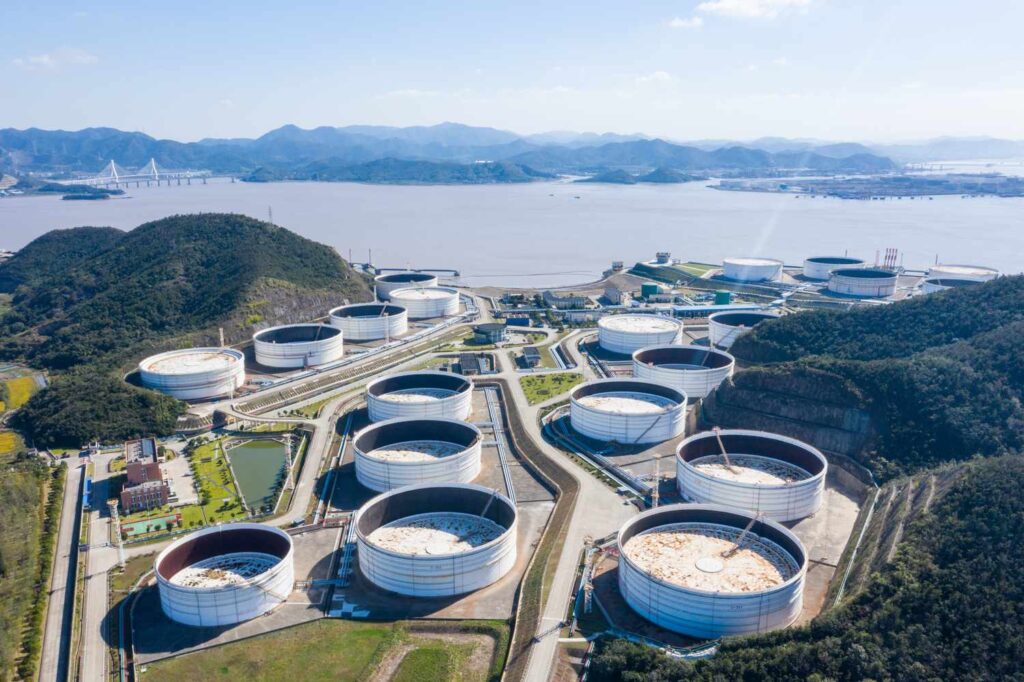
Countries with major strategic reserves include:
- United States
- China
- India
- Japan
These reserves can be released during supply shortages to stabilize domestic markets and reduce price volatility.
Strategies to Handle Rising Oil Prices
Governments and industries are adopting several strategies to reduce the impact of rising oil prices.
Renewable Energy Development
Countries are investing in solar, wind, and other renewable energy sources to reduce dependence on oil. India and China re investing heavily on renewable energy sectors.
Improving Energy Efficiency
Advancements in technology help industries and vehicles use fuel more efficiently.
Expanding Domestic Production
Some countries are increasing domestic oil production to reduce reliance on imports.
Promoting Electric Vehicles
The global transition toward electric vehicles could reduce future oil demand.
Future Outlook
Oil prices are expected to remain volatile in the near future due to geopolitical developments and fluctuations in global demand.
However, long-term trends such as renewable energy growth, electric vehicles, and improved energy efficiency may gradually reduce the world’s dependence on crude oil.
Despite these changes, oil will likely remain an important energy source for the global economy for many years to come.
Conclusion
Rising oil prices have a significant impact on the global economy, influencing inflation, fuel costs, and financial markets. Geopolitical tensions, supply constraints, and increasing demand continue to drive price volatility. While governments are exploring alternative energy solutions, oil price fluctuations will remain an important factor shaping economic conditions worldwide.