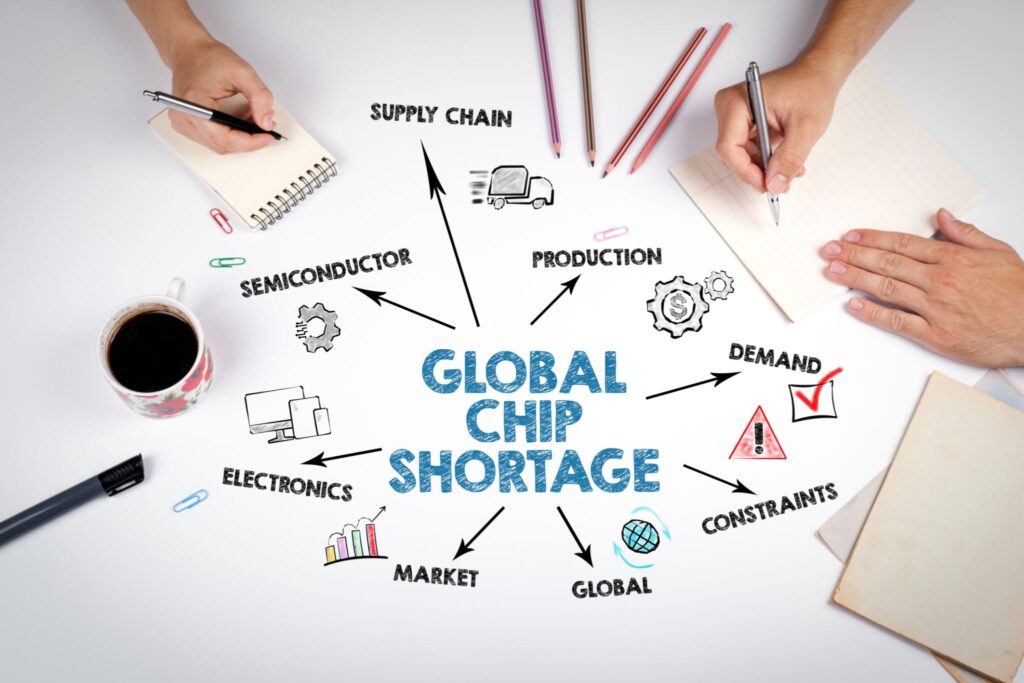
The prices of computer components such as RAM and SSDs have increased significantly in recent months, affecting consumers, businesses, and the global technology market. Industry analysts say the rise is mainly driven by strong demand for memory chips and supply constraints in the semiconductor industry.
Latest Statistics on RAM and SSD Prices
Recent market reports show sharp increases in memory chip prices:
- DRAM contract prices are expected to rise 55–60% in early 2026.
- NAND flash prices, which power SSDs, could increase 33–38% during the same period.
- Some memory markets have already seen 80–90% price increases compared to late 2025 levels.
- NAND wafer costs surged 25% in a single month due to supply shortages.
These rising costs are now affecting the prices of laptops, desktops, and smartphones.
Major Reasons for the Price Increase
AI Data Center Demand
One of the biggest reasons is the rapid expansion of artificial intelligence infrastructure. Large cloud companies are purchasing huge amounts of memory for AI servers, which require massive RAM capacity.
This demand has created a supply shortage for consumer electronics. Majot Data Centers has booked the manufacturers to prioritize their needs.
Manufacturers Prioritizing AI Chips
Memory manufacturers such as Samsung, SK Hynix, and Micron are focusing more on producing high-margin AI memory and enterprise storage instead of consumer RAM and SSDs.
As a result, fewer chips are available for laptops and PCs.
Supply Chain Constraints
The semiconductor industry still faces supply chain challenges. Production capacity has not increased fast enough to meet the sudden surge in demand for memory chips.
This imbalance between supply and demand pushes prices higher.
Shift to New Memory Technologies
The transition from older DDR4 memory to newer DDR5 memory is also contributing to shortages. DDR5 production capacity is still limited, increasing its market price.
Scalping and Retail Shortages
In some markets, automated bots and resellers are purchasing RAM modules in bulk and reselling them at higher prices, further worsening the supply problem.
Impact on Consumers and the Tech Industry
The rising prices of RAM and SSDs are already affecting the technology market.
- Laptop and PC prices are increasing worldwide.
- Smartphone prices are expected to rise due to higher component costs.
- Budget PCs may disappear as manufacturing costs increase.
Some companies have already increased product prices due to rising memory costs.
Future Outlook: Will Prices Continue to Rise?
Analysts believe memory prices may remain high until late 2026 or even 2027 because demand from AI infrastructure continues to grow rapidly.
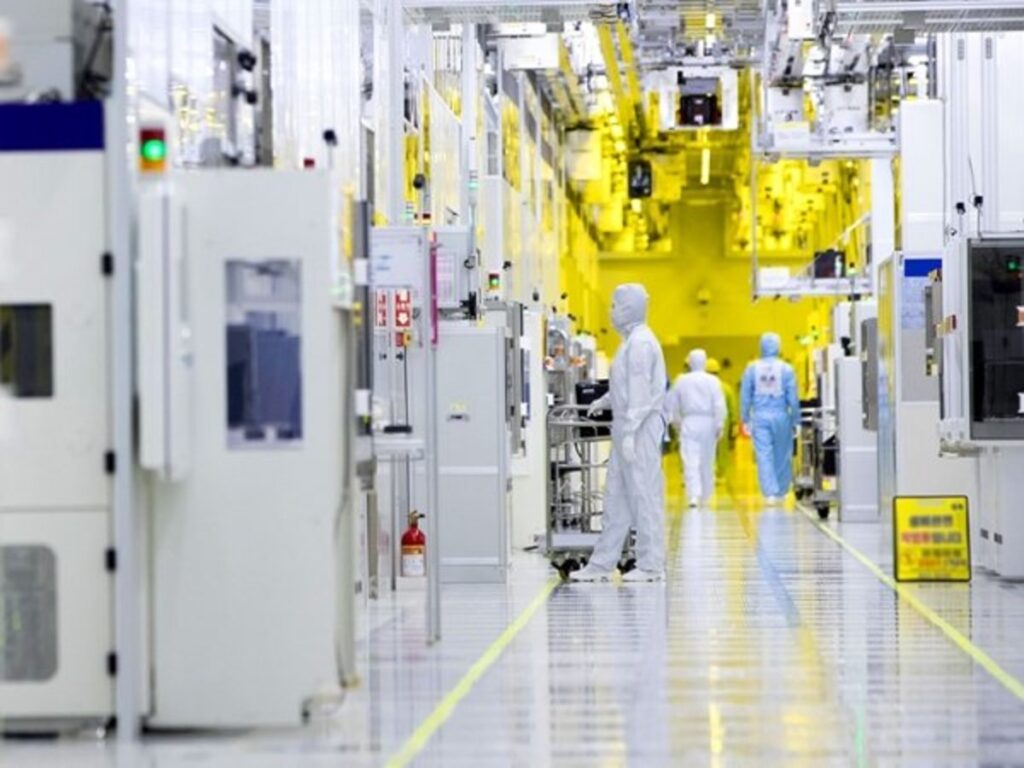
However, prices may stabilize once new semiconductor manufacturing plants begin production and supply catches up with demand.
The rise in RAM and SSD prices is primarily driven by the global AI boom, supply constraints, and the shift toward next-generation memory technologies. While the trend may continue in the short term, increased manufacturing capacity could eventually stabilize the market.
Conclusion
For consumers planning to upgrade their computers, industry experts recommend monitoring price trends and purchasing components during temporary price drops.