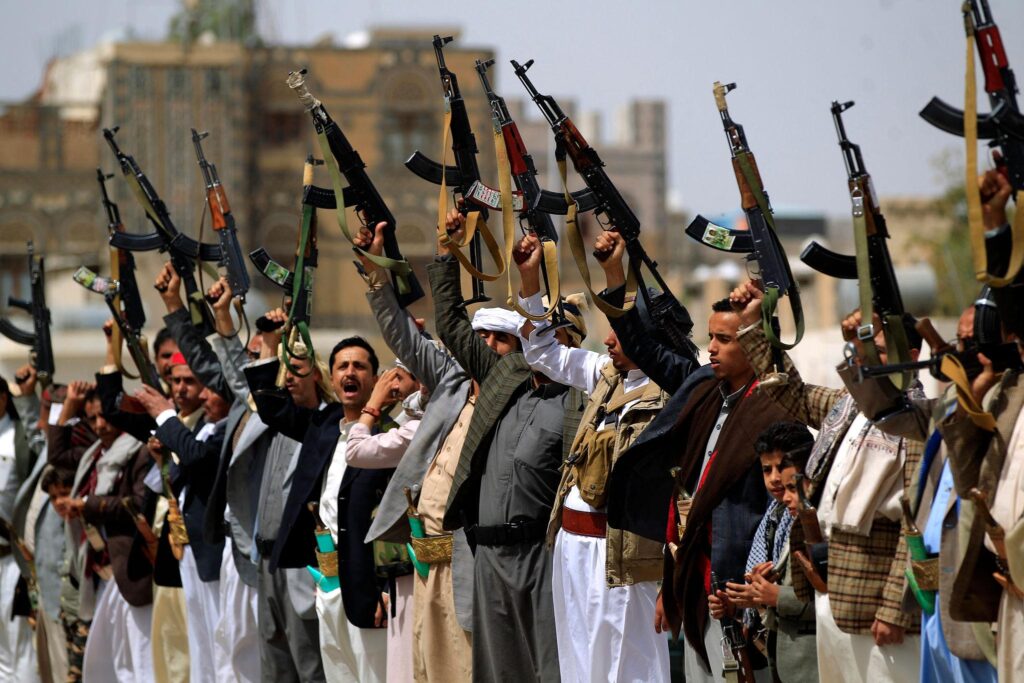
Vote counting has begun in Nepal following the parliamentary elections held on March 5, 2026, a crucial vote that could reshape the country’s political future. Millions of voters participated in the election to choose 275 members of the House of Representatives, Nepal’s lower house of parliament.
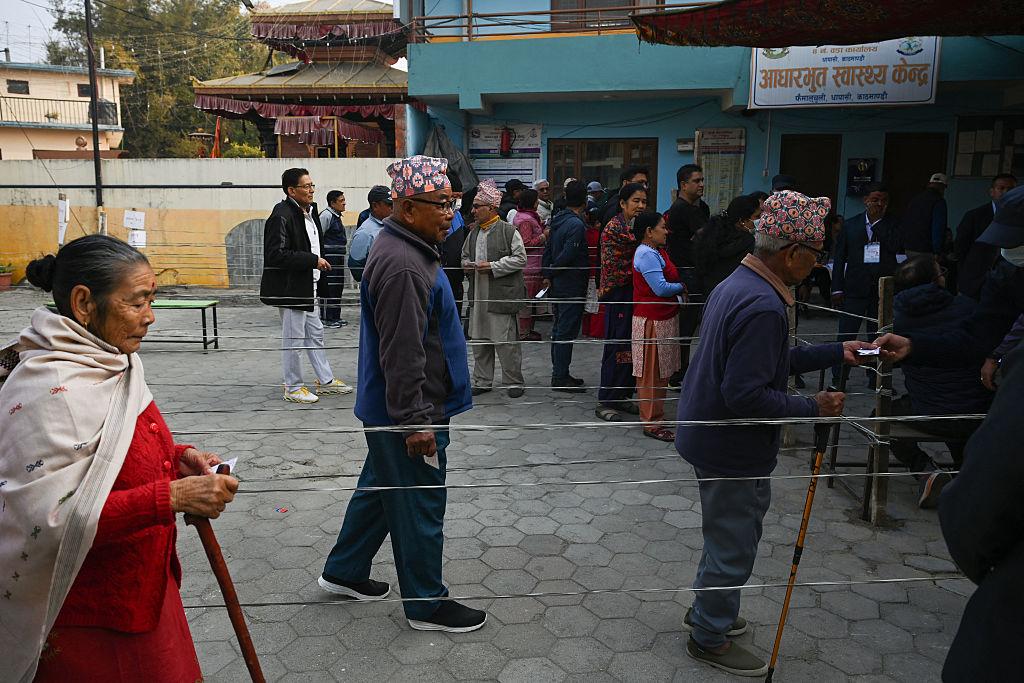
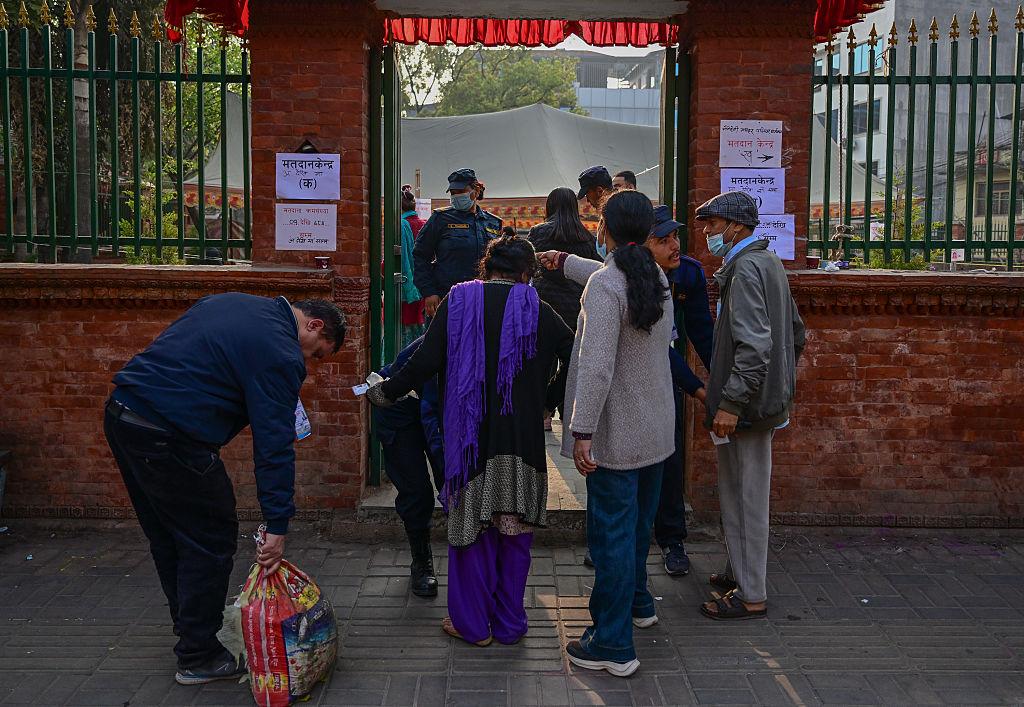
Voters stand in queues outside polling stations during Nepal’s parliamentary election.
Early trends indicate a strong challenge to Nepal’s traditional political parties, with new political movements gaining support among young voters.
Election Schedule and Process
The election followed a fast-tracked political schedule after months of unrest and protests in 2025.
Key Timeline
| Date | Event |
|---|---|
| October 6, 2025 | Parliament dissolved |
| November 2025 | Voter registration deadline |
| January 2026 | Candidate nominations |
| February 2026 | Final campaign period |
| March 5, 2026 | Voting across Nepal |
| March 6–7, 2026 | Vote counting begins |
Nearly 19 million voters were eligible to participate in the election across 165 constituencies, while 110 seats will be filled through proportional representation.
The voter turnout was reported to be around 60 percent, reflecting strong public participation.
Major Political Parties in the Election
Several political parties are competing for control of Nepal’s parliament.
1. Rastriya Swatantra Party (RSP)
Leader: Balendra “Balen” Shah
This relatively new party has gained massive popularity among younger voters and urban populations. Early results suggest the party is leading in many constituencies.
2. Nepali Congress
One of Nepal’s oldest political parties, Nepali Congress traditionally supports democratic governance and economic development.
3. Communist Party of Nepal (UML)
Led by former Prime Minister KP Sharma Oli, this party remains a major political force with strong support in several regions.
4. Communist Party of Nepal (Maoist Centre)
Led by Pushpa Kamal Dahal (Prachanda), this party has historically played a major role in Nepal’s politics.
Party Manifestos and Promises
Rastriya Swatantra Party (RSP)
The party’s manifesto focuses on:
- Anti-corruption reforms
- Digital government services
- Economic growth and job creation
- Expansion of technology and IT sectors
The party has promised to achieve 7% economic growth and increase IT exports significantly in the next decade.
Nepali Congress
The party emphasizes:
- Democratic governance
- Economic reforms
- Stronger international partnerships
Communist Party of Nepal (UML)
The UML manifesto focuses on:
- Infrastructure development
- Hydropower expansion
- Strengthening national industry
Which Party Is Likely to Win?
Early vote counting trends suggest the Rastriya Swatantra Party (RSP) could emerge as the largest party in parliament. Analysts say the surge reflects public dissatisfaction with traditional political parties and widespread demand for reform.
If the trend continues, Balendra Shah could become Nepal’s next prime minister, marking a major political shift in the country.
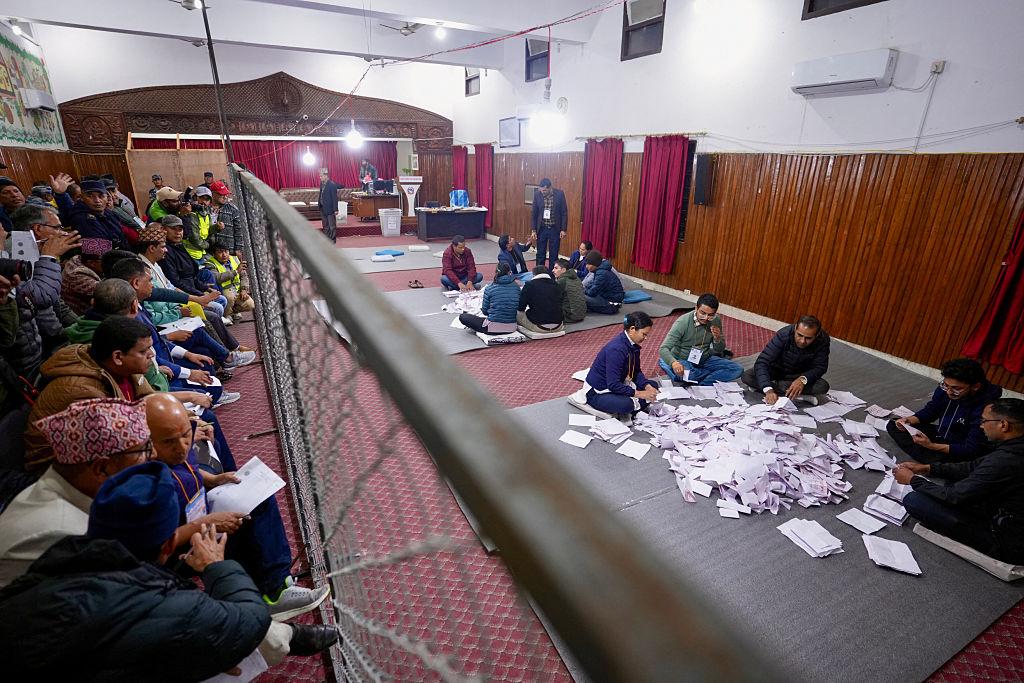
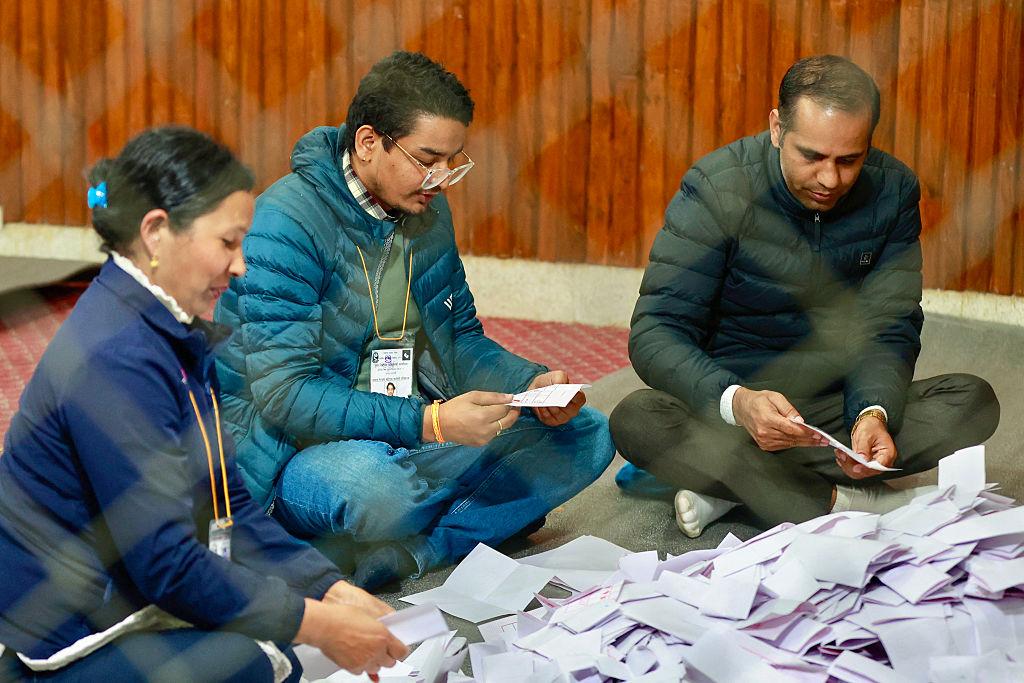
Election officials count ballots as Nepal begins vote tallying after nationwide polls.
Impact on Relations with India and China
Nepal’s foreign policy has historically balanced relations between India and China, two major regional powers.
Relations with India
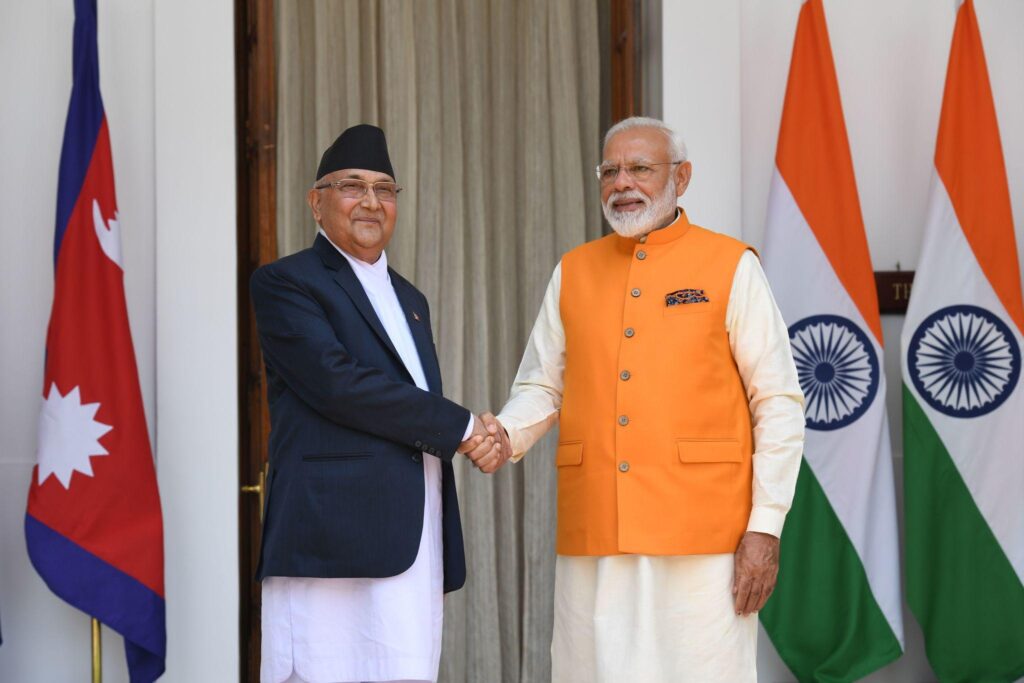
Many analysts believe Nepal will continue maintaining close economic and cultural ties with India. Trade, energy cooperation, and cross-border infrastructure remain important parts of the relationship.
Relations with China
China has invested heavily in infrastructure projects in Nepal under the Belt and Road Initiative (BRI). Any new government will likely continue cooperation with China while balancing relations with India.
Experts say the election outcome could influence how Nepal positions itself between the two regional powers.
What Happens Next?
Final election results are expected to be announced once vote counting is completed nationwide. After the results are confirmed, political parties may begin coalition talks to form the next government.
The outcome of the election is expected to shape Nepal’s political direction, economic policies, and foreign relations for the coming years.
Related News: Artificial Intelligence Growth Accelerates in 2026