📅July 18, 2026 | By Pulse India News Desk
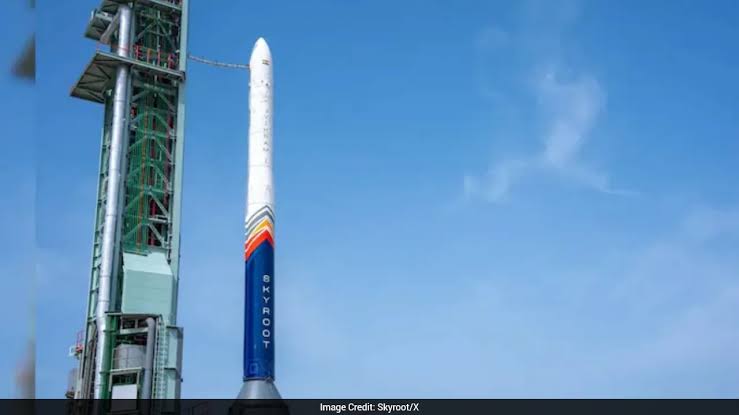
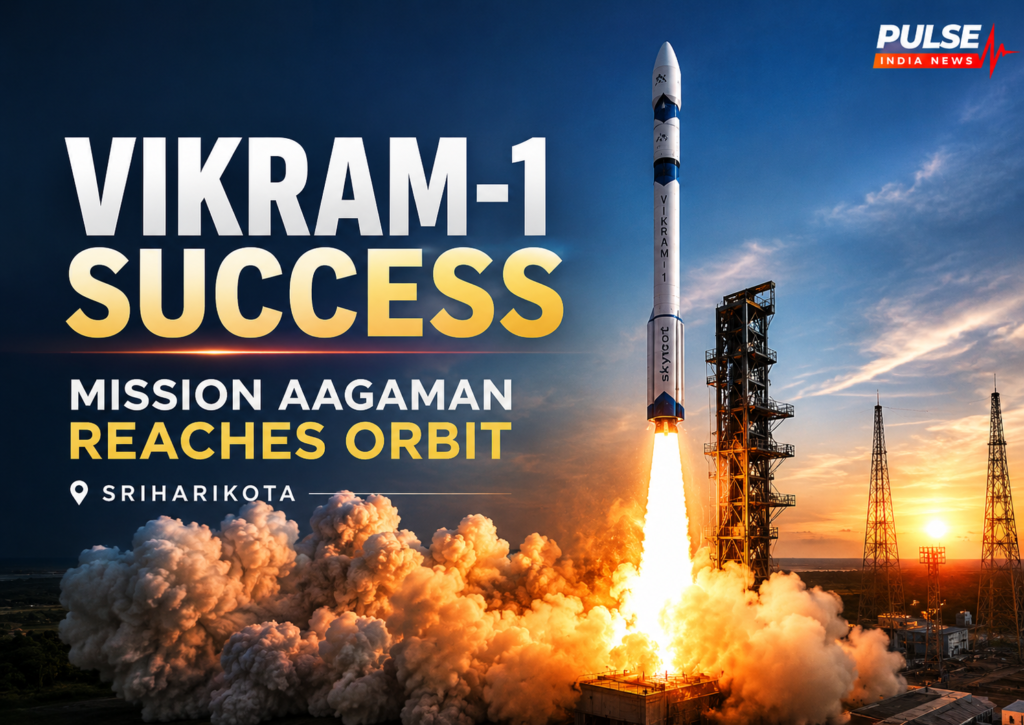
India entered a new era of privately led commercial spaceflight on July 18, 2026, after Skyroot Aerospace successfully launched the Vikram-1 rocket under Mission Aagaman.
The Hyderabad-based space startup’s orbital launch vehicle lifted off from the Satish Dhawan Space Centre in Sriharikota and successfully deployed satellites and technology demonstrators into an orbit approximately 450 kilometres above Earth.
The achievement made Vikram-1 the first privately developed Indian rocket to successfully reach orbit and demonstrated the growing technical capability of India’s rapidly expanding private space ecosystem.
Mission Overview
Vikram-1 Launch Details
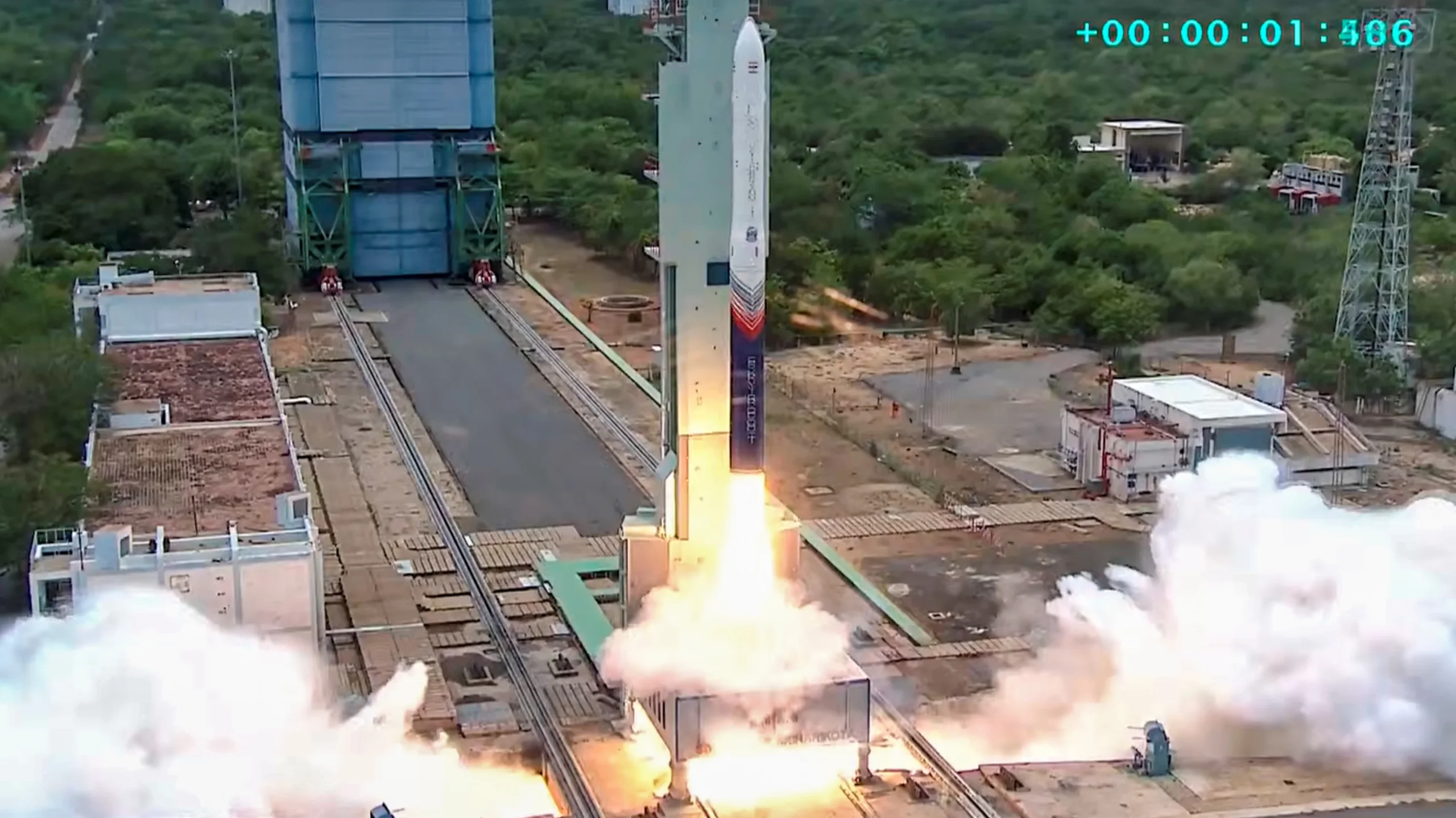
Vikram-1 Roars Away from the Launch Pad
Vikram-1 lifted off after a short pause during the automated launch sequence. Once the countdown resumed, the rocket’s first-stage motor ignited and the vehicle rapidly climbed away from the Sriharikota launch tower.
The successful liftoff began a carefully sequenced flight involving stage ignition, stage separation, navigation updates, orbital manoeuvres and eventual payload deployment.
Historic Achievement
Why Mission Aagaman Matters
Vikram-1 demonstrated that an Indian private company can design, build, test and operate a complete orbital launch vehicle.
The mission marks a major outcome of India’s space-sector reforms and strengthens the country’s ability to serve domestic and international small-satellite customers.
Vikram-1’s successful flight represents the arrival of privately developed orbital-launch capability within India’s expanding commercial space ecosystem.
Six Primary Payloads Carried by Mission Aagaman
Vikram-1 carried six primary payloads along with commemorative postcards, combining operational satellites, experimental space technologies and symbolic cultural objects.
Payload 01
SCOPE Satellite
Developed by Skyroot Aerospace to validate spacecraft telemetry, communications, navigation and other onboard satellite technologies.
Payload 02
SOLARAS S3
An Earth-observation nanosatellite developed by Indian space company Grahaa Space.
Payload 03
EMBRACE Robotic Arm
A Cosmoserve Space experiment designed to demonstrate robotic technologies for orbital servicing and debris-capture missions.
Payload 04
DCUBED Demonstration
A German technology payload intended to evaluate deployable mechanisms and structures for future spacecraft.
Payload 05
Cosmic Bloom
A symbolic floral artwork featuring lab-grown diamonds and representing the intersection of science, art and human creativity.
Payload 06
18-Karat Gold Micro-Rocket
A miniature gold rocket featuring micro-sculptures honouring Dr Vikram Sarabhai, Sir C.V. Raman and Dr A.P.J. Abdul Kalam.
Special Commemorative Cargo
Commemorative Postcards
Mission Aagaman carried hundreds of physical postcards into orbit, including a special commemorative card bearing the words “Vande Mataram” and personally signed by Prime Minister Narendra Modi.
Payload Separation Confirms Mission Success
After reaching the planned orbital region, Vikram-1 began the critical payload-deployment sequence. The satellites and technology demonstrators were released from the upper stage in a controlled separation process.
Successful deployment confirmed that Vikram-1 had completed its primary objective: reaching orbit and delivering customer hardware into the intended space environment. The mission’s commemorative cultural items and postcards travelled as symbolic cargo.
Flight Profile
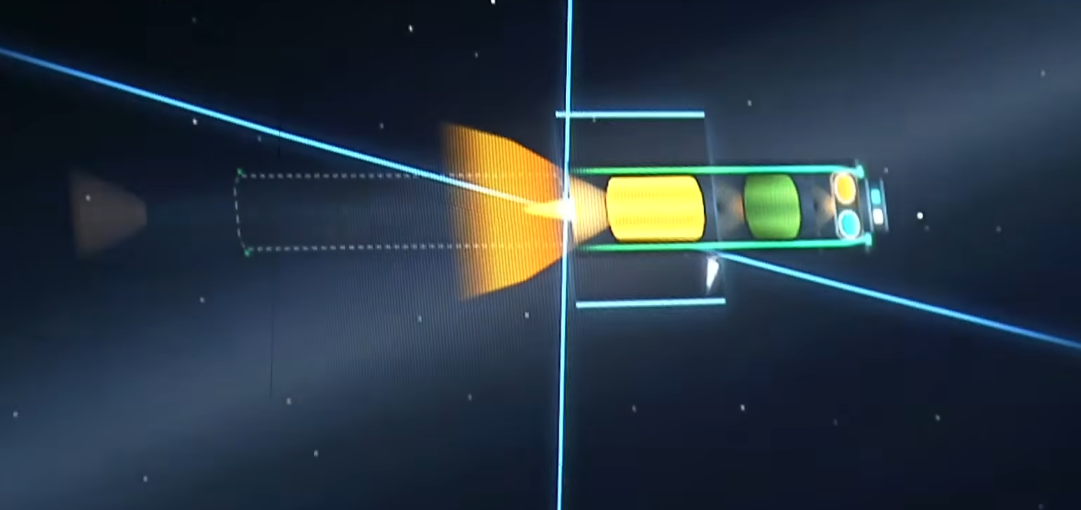
Mission Aagaman Flight Sequence
1. Ignition
The first-stage solid motor generated the thrust needed to clear the launch tower.
2. Powered Ascent
Vikram-1 accelerated through the atmosphere using its solid-propellant stages.
3. Stage Separation
Used rocket stages separated at carefully timed points during the ascent.
4. Orbital Manoeuvre
The upper-stage system refined the vehicle’s trajectory for orbital insertion.
5. Orbit Achieved
Vikram-1 reached its intended low-Earth orbital region.
6. Payload Deployment
The mission’s deployable satellites and technology payloads were released from the vehicle.
Vikram-1 Rocket Specifications
| Specification | Details |
|---|---|
| Vehicle category | Small-satellite orbital launch vehicle |
| Height | Approximately 22–24 metres |
| Main configuration | Three solid-propellant stages |
| Orbital module | Liquid-fuelled orbital adjustment system |
| Primary structure | Carbon-composite airframe |
| Mission orbit | Approximately 450 km low-Earth orbit |
| Primary market | Dedicated small-satellite and commercial missions |
Advanced Technology Behind Vikram-1
Vikram-1 uses multiple solid-propellant stages to generate high thrust during the initial ascent. Solid motors are relatively compact and can provide immediate thrust without complex fuel-management systems.
A liquid-fuelled orbital module supports precise trajectory adjustments during the final portion of the mission, helping the vehicle place its payloads into the required orbital environment.
The rocket also makes extensive use of carbon-composite materials and advanced manufacturing methods, including 3D-printed engine components. These technologies can reduce structural weight, simplify production and shorten assembly timelines.
From Vikram-S to Vikram-1
Skyroot Aerospace first reached space in November 2022 with its Vikram-S suborbital rocket under Mission Prarambh.
Vikram-1 represented a much more demanding challenge because reaching orbit required significantly greater velocity, complex staging, accurate navigation and controlled payload deployment.
What Comes Next for Skyroot Aerospace?
Mission Aagaman will provide Skyroot engineers with a large amount of flight data covering propulsion performance, structural loads, trajectory accuracy, avionics reliability, stage separation and payload deployment.
The company is expected to study this information before conducting additional developmental missions and moving towards regular commercial launch operations.
Commercial Roadmap
Building a Reliable Small-Satellite Launch Service
Skyroot’s long-term goal is to provide flexible and dedicated launch missions for Indian and international satellite operators.
Success will depend on repeated flight reliability, manufacturing efficiency, competitive pricing and the ability to maintain predictable launch schedules.
A Major Boost for India’s Private Space Sector
India’s orbital-launch capability has traditionally been led by the Indian Space Research Organisation through vehicles such as the PSLV, GSLV and LVM3.
Vikram-1 does not replace these national launch systems. Instead, it adds a specialised commercial option for smaller payloads and customers seeking dedicated orbital missions.
- Private orbital capability: Demonstrates that an Indian startup can independently build and operate an orbital rocket.
- Commercial opportunity: Creates another launch option for domestic and international satellite operators.
- Dedicated missions: Small satellites may receive greater control over launch schedules and orbital destinations.
- Technology development: Strengthens Indian expertise in propulsion, composites, avionics and advanced manufacturing.
- Investor confidence: A successful mission could encourage further investment in India’s private space companies.
Final Analysis
Mission Aagaman Opens India’s Private Orbital Era
Vikram-1’s successful launch represents much more than the debut of another rocket. It demonstrates that India’s private space companies are progressing from experimental missions to complete orbital-launch operations.
With liftoff, orbital insertion and payload deployment successfully completed, Skyroot Aerospace has established an important foundation for future commercial missions and strengthened India’s position in the global small-satellite launch market.
Can Vikram-1 transform India’s commercial space industry?
Share your views and follow Pulse India News for the latest updates on Skyroot Aerospace, Mission Aagaman and India’s growing private space sector.
Related Vikram-1 Coverage
Read our complete pre-launch guide to Mission Aagaman, including the scheduled launch time, Vikram-1 specifications, mission objectives and the significance of India’s first privately developed orbital rocket.
Mission Aagaman Explainer Vikram-1 Launch Date, Time, Specifications and Mission Details Everything you need to know about Skyroot Aerospace’s maiden orbital mission from Sriharikota. Read the full article →